



Antique Botanical Fruit Art
Antique botanical fruit art captures centuries of detailed natural observation in oil, watercolour, and gouache.
Antique Botanical Fruit Art
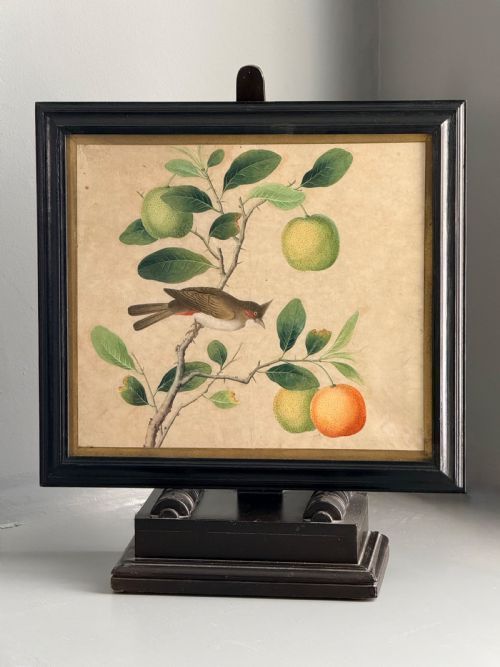
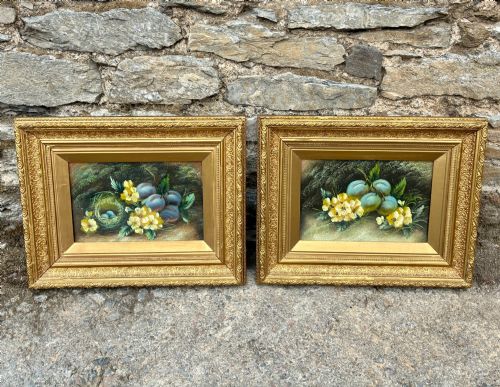
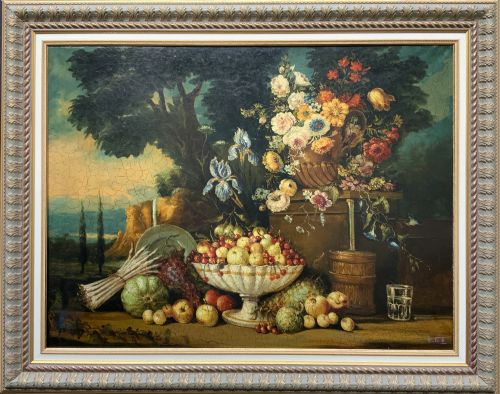
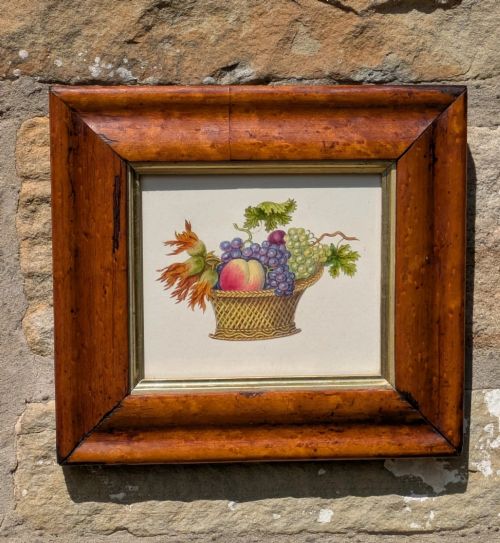
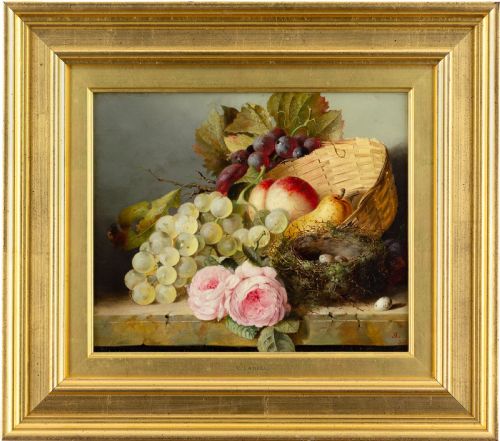
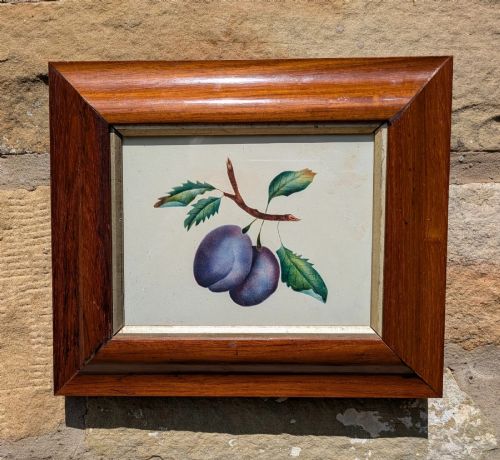
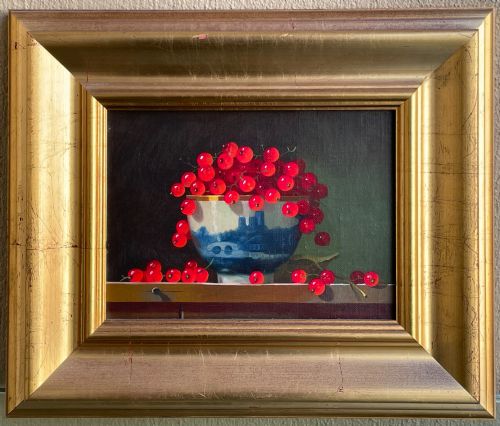
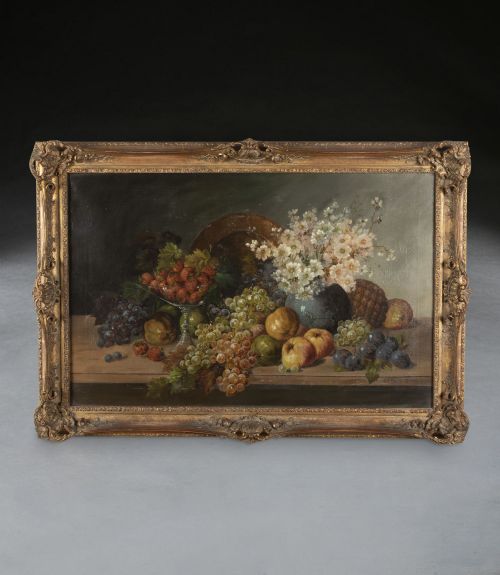
When you search for antique botanical fruit art, you encounter centuries of detailed natural observation captured primarily in oil on canvas, watercolour, and gouache on paper or pith. These pieces range from intimate framed watercolours of plums and strawberries to large baroque oil paintings featuring baskets laden with grapes, peaches, and melons.
The selections available span multiple periods including the seventeenth, eighteenth, and nineteenth centuries, alongside Regency and Victorian eras. Subjects frequently combine ripe orchard harvests with botanical elements such as roses, birds' nests, and occasional exotic visitors like parrots.
Materials and techniques
Makers utilised traditional supports such as woven canvas, heavy paper, wood panels, and delicate porcelain panels for their compositions. Pigments were applied using oil paint for rich depth or watercolour and gouache for botanical precision.
Finished works were typically housed in period frames constructed from wood and gilt wood, often retaining original glass to protect fragile watercolours on paper or pith.
Antique Botanical Fruit Art Retail Price Guide 2026
Typical asking prices for botanical fruit art among the pieces listed under this phrase on Sellingantiques today, from the lower quarter to the upper quarter. They describe what is for sale here now, not the wider market.
Several botanical fruit compositions inexplicably share space with observant white-fronted Amazon parrots perched among the peaches and grapes.
Distinctions in quality
Quality rests upon the precision of botanical rendering and the naturalism achieved in depicting textures like the bloom on a grape or the weave of a wicker basket. Works by documented hands demonstrate superior brushwork and compositional balance compared to anonymous studio pieces.
The integrity of the original support and frame also dictates standing, with undisturbed nineteenth-century watercolours and eighteenth-century oils commanding attention for their survival in period surrounds.
Edward Ladell·Gaspar Peeter Verbruggen·John Sherrin·William Duffield·Vincent Clare·William Rayworth·William Jones of Bath·Oliver Clare·George Lance·William B. Hough·James and William Ward
The Antique Botanical Fruit Art Glossary
- Gouache
- An opaque watercolour paint consisting of natural pigment, water, and a binding agent such as gum arabic. It dries to a flat, matte finish.
- Pith paper
- A delicate material formed from the spongy interior of the rice paper plant, used frequently in the nineteenth century for vibrant watercolour and gouache painting.
- Baroque
- A European style of art spanning the seventeenth and eighteenth centuries characterised by dramatic lighting, rich colour palettes, and theatrical compositions.
- Regency
- An English design period spanning the early nineteenth century known for refined elegance and classical influence in decorative arts and painting.
- Still life
- A work of art depicting mostly inanimate subject matter, typically commonplace objects which may be either natural or man-made.
Antique Botanical Fruit Art: Frequently Asked Questions
What periods do these paintings come from?
The available works span from the seventeenth century through to the early twentieth century, encompassing Baroque, Regency, and Victorian aesthetics.
Nineteenth-century watercolours and oils predominate, though earlier seventeenth- and eighteenth-century examples appear among the listings.
What surfaces were used for these artworks?
Artists painted on various grounds including oil on canvas, wood, porcelain panels, and paper.
Watercolour and gouache were frequently executed on paper or delicate pith paper, often paired with period rosewood or gilt wood frames.
Who are some notable artists in this category?
Recorded hands include nineteenth-century painters such as Oliver and Vincent Clare, George Lance, John Sherrin, and William Duffield.
Earlier examples feature seventeenth-century master Gaspar Peeter Verbruggen and eighteenth-century works by William Jones of Bath.
How should I display these pieces at home?
These works suit traditional dining rooms, studies, or hallways where botanical and natural themes complement interior spaces.
Due to the sensitivity of works on paper and watercolour to direct sunlight, placement away from bright windows ensures their preservation.