




Classic Still Life Painting
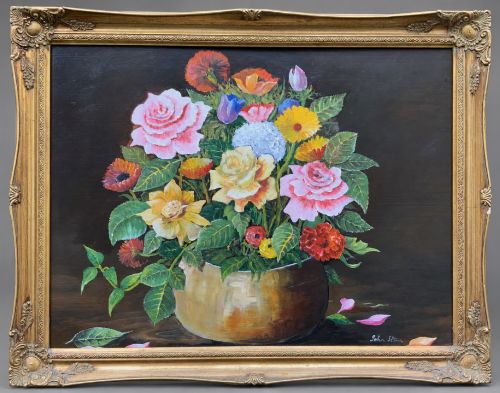
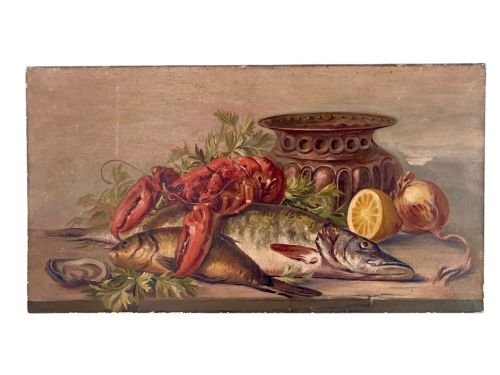
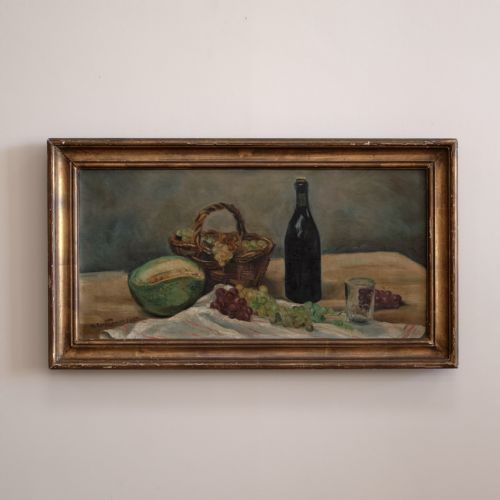
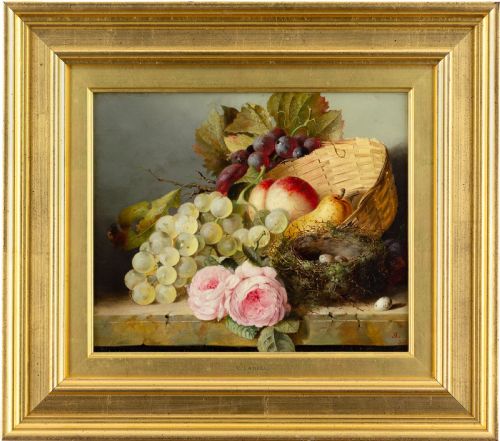
A classic still life painting captures domestic arrangements and natural specimens in oils, bringing enduring texture and quiet contemplation to an interior.
Classic Still Life Painting
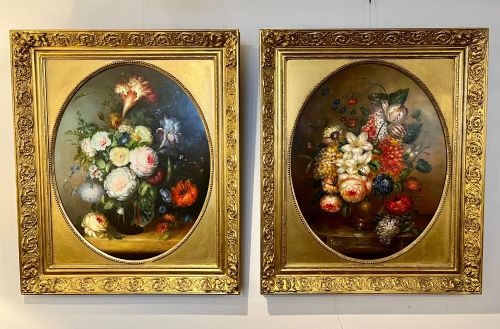
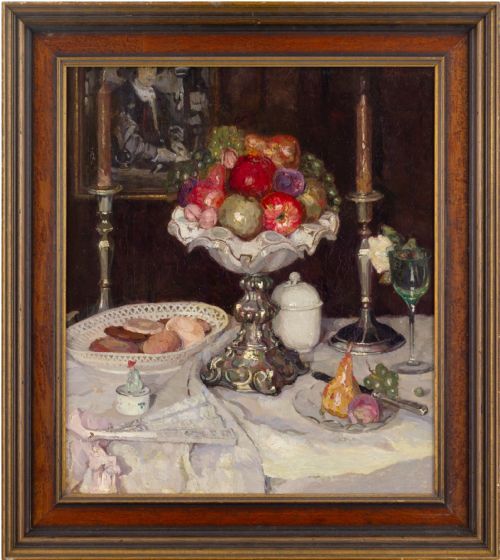
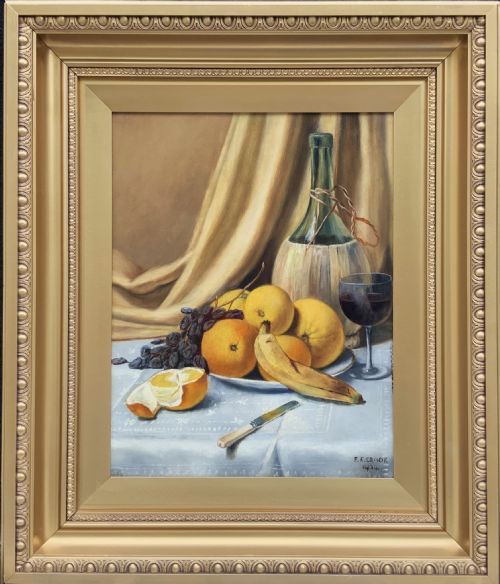
When searching for a classic still life painting, collectors encounter oil works spanning the eighteenth century through the mid twentieth century. These pieces record arrangements of fruit, flora, vessels, and household objects rendered on canvas, board, or panel. The selection ranges from Dutch Golden Age style compositions to post-impressionist floral studies.
The versions most frequently met on this page include nineteenth century canvases and early twentieth century works by British, French, Danish, and German artists. Painters of these periods often focused on tabletop scenes featuring baskets, porcelain, and gathered blossoms.
Examples stretch from eighteenth century foundational pieces through Edwardian interpretations to post-war vintage studies. Each era brings distinct handling of light and subject matter, from detailed Flemish Baroque echoes to looser modernist brushwork.
How they were made
These works rely on oil paint applied to prepared canvas, wood panel, or board. The medium allows for rich layering, subtle blending of tones, and the creation of depth in shadowed interiors.
Framing is an integral component, with many pieces housed in period giltwood or decorated wooden frames that complement the composition. The physical support provides the structural integrity necessary for centuries of preservation.
Classic Still Life Painting Retail Price Guide 2026
Typical asking prices for classic still life painting among the pieces listed under this phrase on Sellingantiques today, from the lower quarter to the upper quarter. They describe what is for sale here now, not the wider market.
Listings feature works spanning the eighteenth, nineteenth, and twentieth centuries, executed in oil on canvas, board, and panel.
What varies in quality
The distinction between tiers rests upon the confidence of brushwork and the harmony of the composition. Masterful handling of light upon fruit, glass, and draped cloth elevates a canvas above a mere mechanical transcription.
The fidelity of the underlying support and the preservation of the original pigment layers also define the standing of a piece. Works that retain their initial vibrancy without heavy restoration occupy the upper range of the selection.
Edward Ladell·Else Preußner·Frans Snyders·Evelyn Chester·Niels Wiwel·Terence Loudon·Thomas Hooper·Margaret Evangeline Wilson·William Jones of Bath·Oliver Clare·Katherine Bourne·George Lance·Jules Felix Ragot·James and William Ward
The Classic Still Life Painting Glossary
- Oil on canvas
- A painting technique using pigment suspended in drying oils applied to a woven fabric support stretched over a wooden frame. This combination allows for flexible ageing and rich textural possibilities.
- Vanitas
- A symbolic genre of still life painting containing meditations on mortality and the transience of earthly pleasures, often featuring skulls, fading blooms, or half-peeled fruit. These elements invite philosophical reflection.
- Giltwood
- Wood carved and covered with a thin layer of gold leaf or gold paint, frequently used for period picture frames. This finish enhances the visual boundary of the artwork.
- Board
- A rigid wooden or composite flat panel used as a support for oil paint instead of stretched fabric. Painters often utilised boards for smaller studies and quicker compositions.
- French School
- A collective term for artists trained or working within the stylistic traditions of France. The designation groups works sharing national aesthetic approaches across various centuries.
Classic Still Life Painting: Frequently Asked Questions
How do I identify the period of a still life painting?
Examine the materials, stretcher construction, and framing style alongside the signature and costume or object clues within the composition. Pigment analysis and canvas weave can also offer chronological markers.
Compare the handling of light and shadow with known movements like Dutch Golden Age revival or Post-Impressionism. Wardrobe items, ceramics, and botanical species often reflect the era in which the artist painted.
Where should I hang a classic still life painting?
Position these works away from direct sunlight and high humidity to protect the oil paint and canvas. Dining rooms, studies, and hallways traditionally accommodate tabletop and floral subjects well.
Ensure the wall space allows the piece to be viewed at eye level. Pairing the canvas with a sympathetic period frame enhances its integration into traditional or contemporary interiors.
What is the difference between canvas and board paintings?
Canvas provides a flexible woven support that responds differently to environmental changes than rigid wooden board. Canvases are typically stretched over a wooden frame, while boards offer a solid, inflexible ground.
Artists often chose board for smaller, spontaneous studies. Both supports require careful atmospheric control to prevent warping or paint cracking over time.
How are these paintings cleaned?
Professional conservators should handle any chemical cleaning or removal of aged varnish layers from oil paintings. Surface dust can sometimes be gently removed with a soft, dry brush by an experienced hand.
Avoid household cleaning products or moisture on the painted surface. Regular monitoring by a specialist ensures the structural longevity of both the canvas and the frame.