
Antique Botanical Ceramics
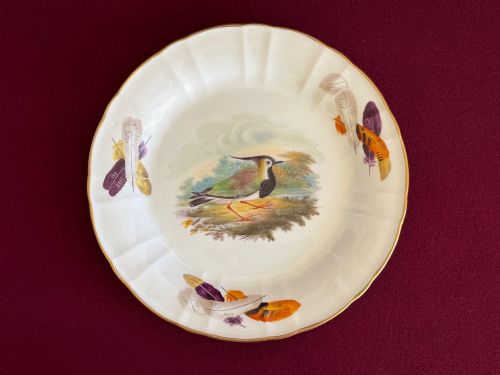
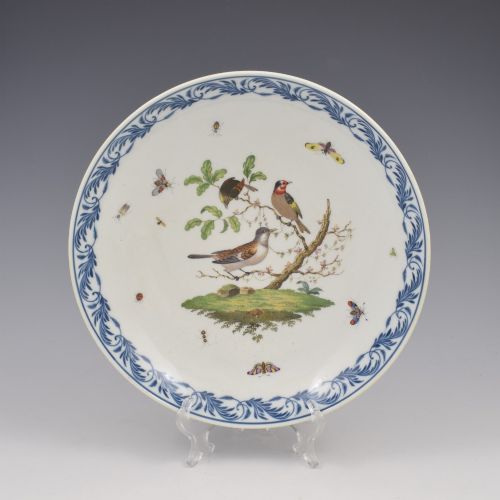
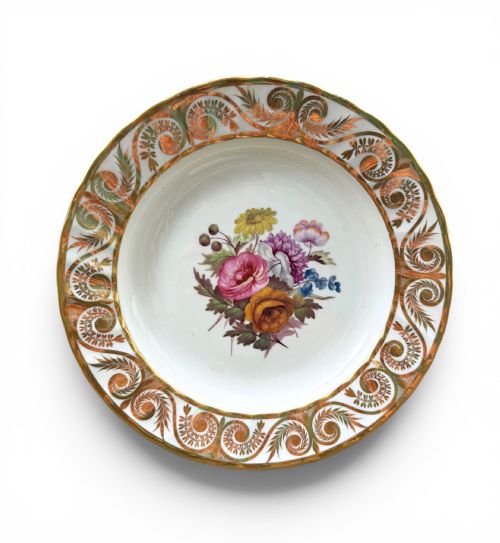
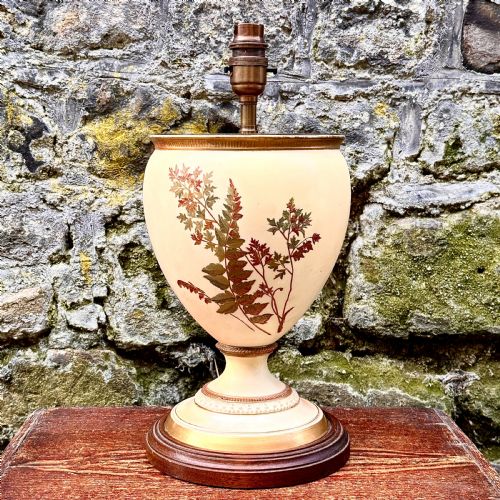
Antique botanical ceramics bring hand-painted flora and fauna into the interior, offering detailed depictions of flowers, birds, and leaves on porcelain and earthenware.
Antique Botanical Ceramics
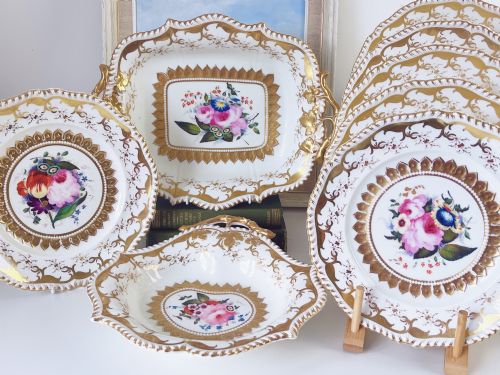
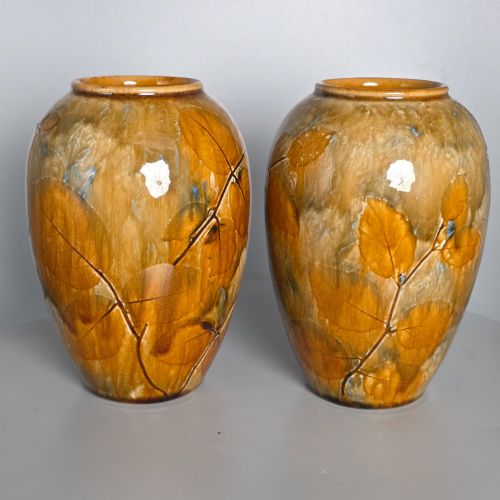
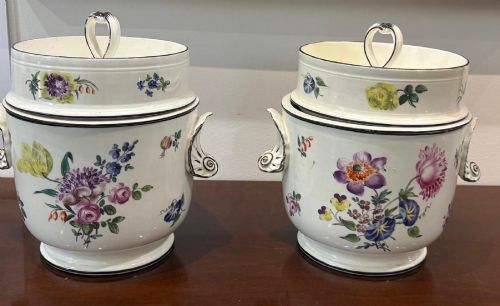
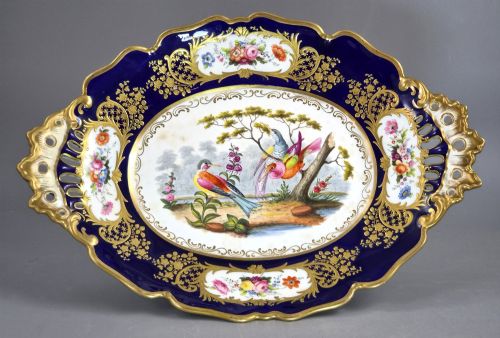
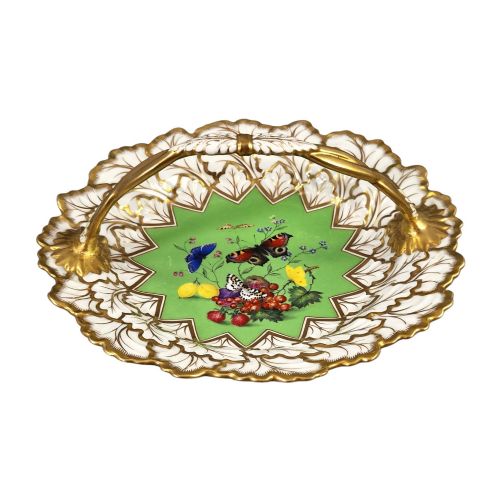
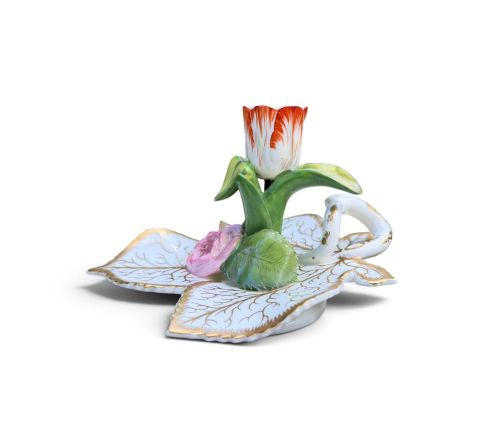
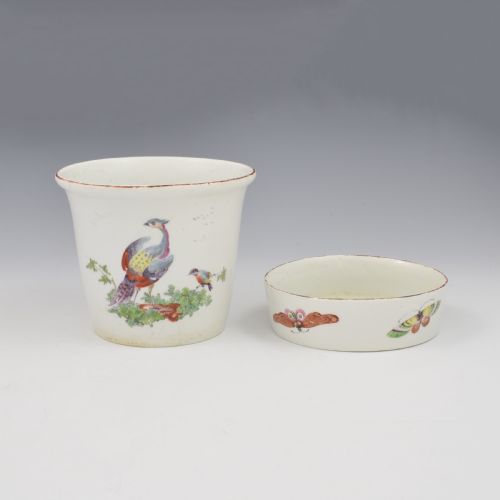
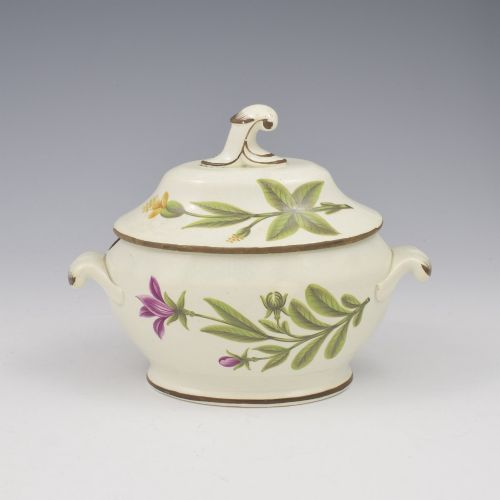
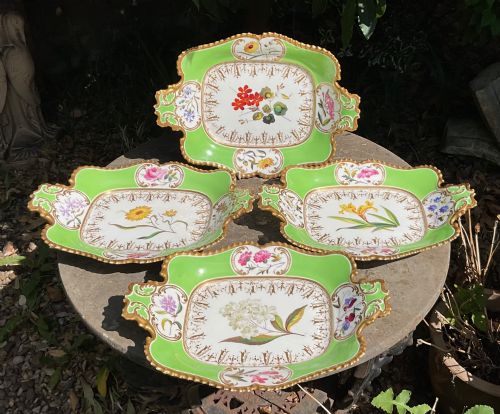
These pieces encompass tablewares and cabinet items decorated with botanical and ornithological subjects, ranging from single plates to complete dessert services. Antique botanical ceramics appear primarily in forms like dessert plates, saucetureens, icepails, and vases created during the Georgian, Regency, and Victorian periods.
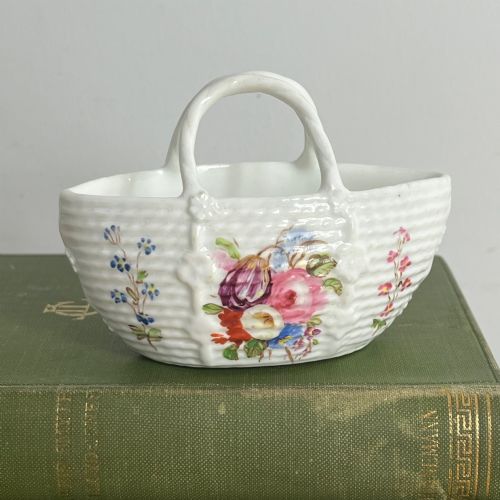
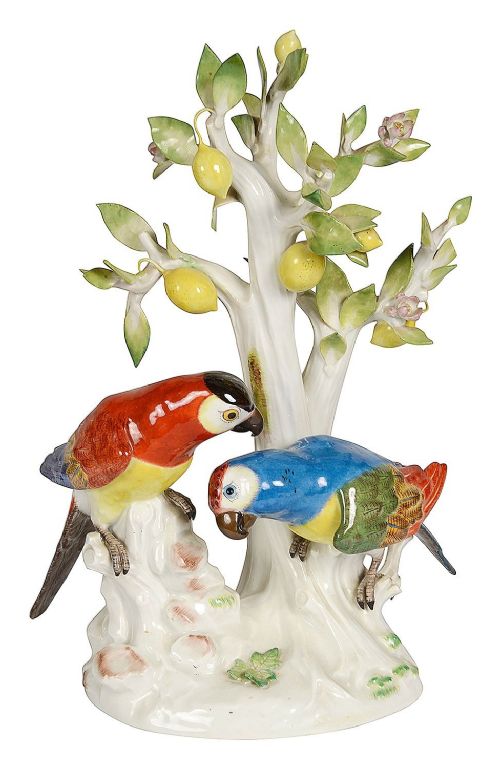
Makers applied naturalistic studies of sweet william, orchids, and garden flowers directly onto the ceramic body, often accompanied by insects and birds. Most examples originate from English potteries such as Worcester, Derby, Coalport, and Wedgwood, alongside continental factories like Meissen.
How they were made
Potters shaped these objects using porcelain, bone china, creamware, and pearlware before applying an enamel glaze. Artisans then handpainted the botanical motifs over or under the glaze using mineral pigments.
Many items incorporate gilding and gold leaf accents to highlight borders, handles, and rims, requiring multiple firings in kiln heat to fix the colours and metallic details permanently.
Listings feature pieces from the 18th century through the Georgian, Victorian, and Edwardian periods up to the 1950s.
What varies in quality
The standard of antique botanical ceramics depends directly upon the precision and botanical accuracy of the handpainted brushwork. Superior items display meticulous detail in every petal and leaf, whereas lower tiers show repetitive or cruder stencil-assisted decoration.
The choice of ceramic body and the crispness of the moulding also determine quality, alongside the preservation of the original enamel colours and gold leaf highlights.
Grainger Lee And Co·Flight Barr And Barr·Royal Doulton·Wedgwood·Coalport·Meissen·George Jones·Chamberlains Worcester·Moses Webster·Minton·David Dewsberry·Doe And Rogers·Bloor Derby·Tunnicliffe·H And R Daniel·Chelsea Derby·Furstenberg·Spode
The Antique Botanical Ceramics Glossary
- Creamware
- A fine earthenware developed in England with a pale yellowish-cream glaze. Josiah Wedgwood perfected this pale body, which served as a smooth canvas for painted decoration.
- Pearlware
- An refined earthenware featuring a bluish-tinted glaze designed to mimic Chinese porcelain. English potteries utilised this body extensively during the Georgian era.
- Enamel
- Opaque vitreous colours fused to ceramics through firing. Painters applied these mineral pigments by hand to render botanical subjects.
- Gilding
- The application of gold leaf or powdered gold onto ceramic surfaces. Artisans used this technique to accentuate rims and borders.
- Dessert service
- A matching set of plates, dishes, and compotes created for the final course of a formal meal. These services frequently showcased botanical painting.
- Cabinet plate
- A decorative plate intended for display in a cabinet rather than functional table use. Such pieces typically featured elaborate handpainted scenes.
Antique Botanical Ceramics: Frequently Asked Questions
What are antique botanical ceramics?
These pieces are ceramic plates, dishes, services, and vessels decorated with handpainted flowers, plants, and birds. They date primarily from the eighteenth and nineteenth centuries.
Potters across England and continental Europe produced them using porcelain, creamware, and pearlware, combining utility with natural history illustration.
How were antique botanical ceramics used?
Wealthy households utilised dessert services for the final course of formal dinners, presenting fruit and sweetmeats on painted plates and serving dishes. Vases and cabinet plates served decorative roles in drawing rooms.
Smaller vessels like pounce pots and chambersticks fulfilled practical household duties while carrying floral painted motifs.
How do I care for antique botanical ceramics?
Wash these pieces gently by hand in warm water using mild soap, avoiding modern dishwashers entirely. Enamel decoration and gold leaf can wear away with harsh scrubbing.
Display or store them away from direct sunlight to prevent fading of the handpainted pigments over time.
How do I identify the period?
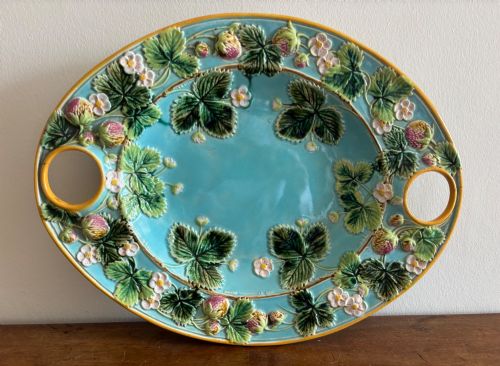
Examine the ceramic body type, as creamware and pearlware point toward the Georgian and Regency eras, while later Victorian pieces often utilise bone china or majolica. Maker marks stamped or painted on the underside provide definitive chronological clues.
Stylistic shifts, such as the transition from neoclassical borders to Aesthetic Movement motifs, also help date the object.