


Antique Book Stand Table
An antique book stand table holds volumes close at hand while serving as a useful surface in a study or library.
Antique Book Stand Table
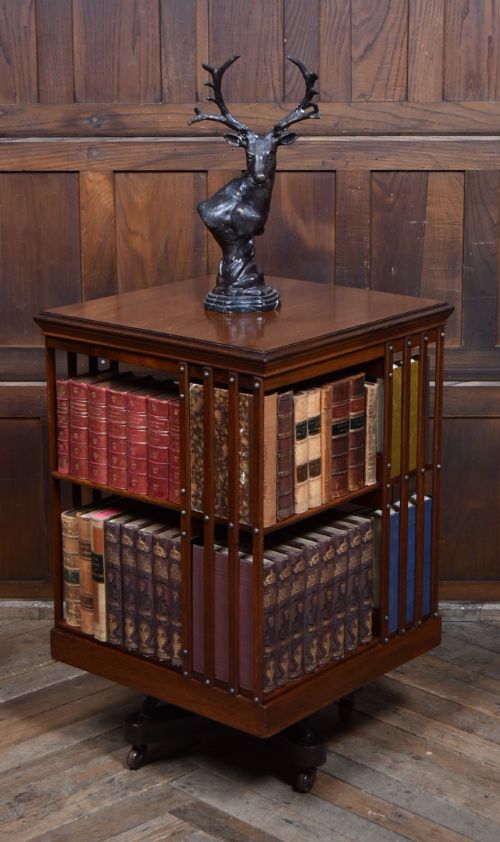
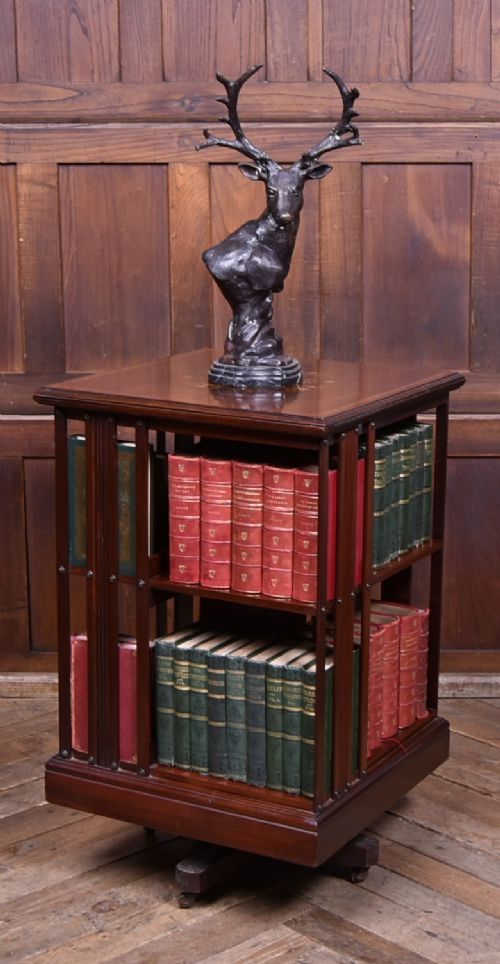
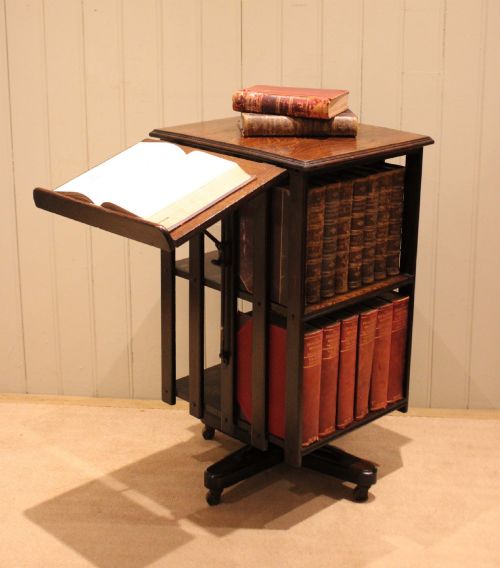
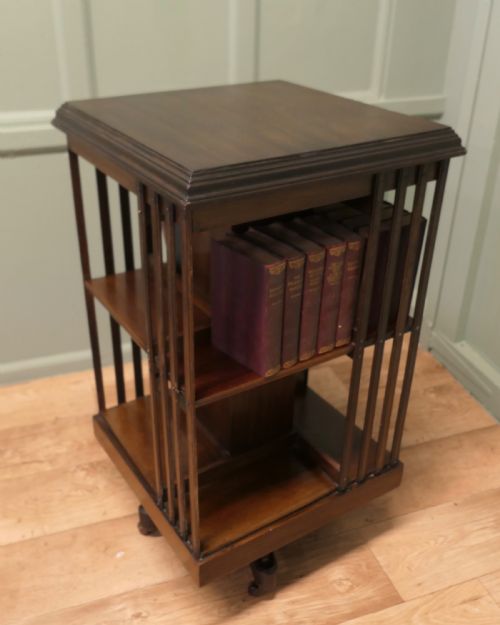
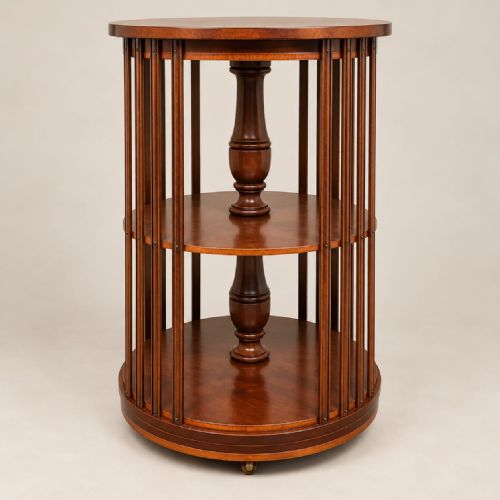
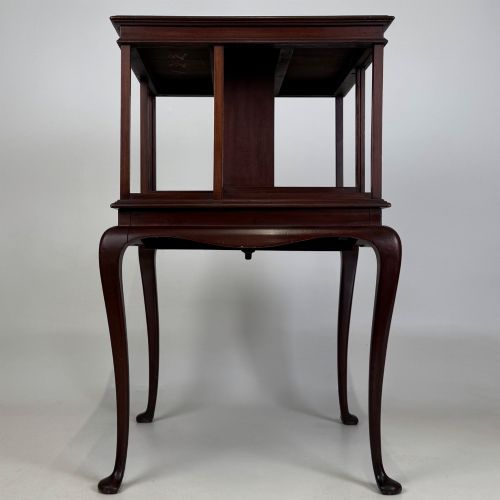
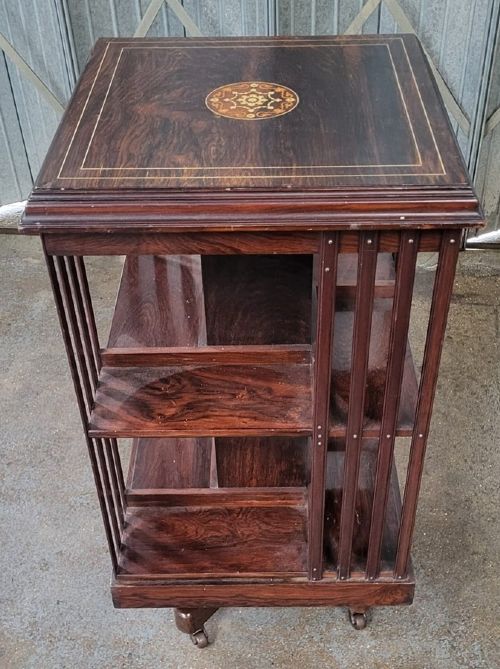
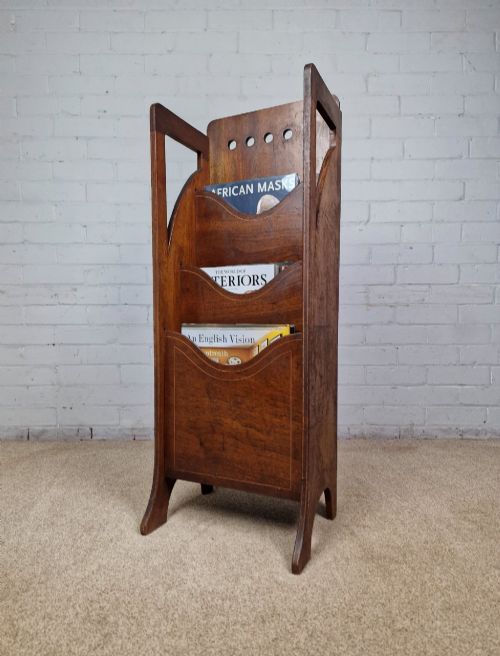
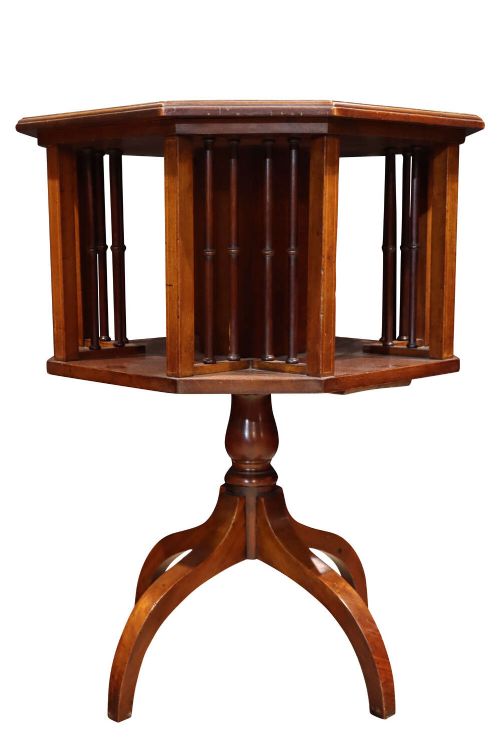
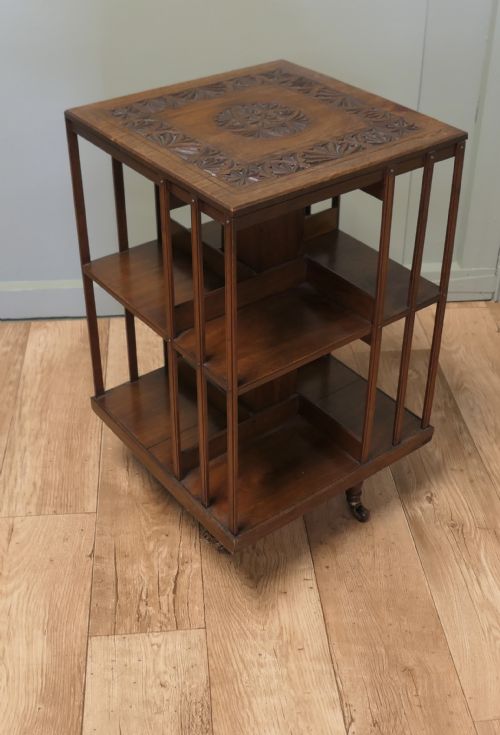
When searching for an antique book stand table, a buyer encounters pieces designed to store and display volumes alongside functional table surfaces. The most common form on this page is the Edwardian revolving bookcase in mahogany, which spins on a central platform for easy access.
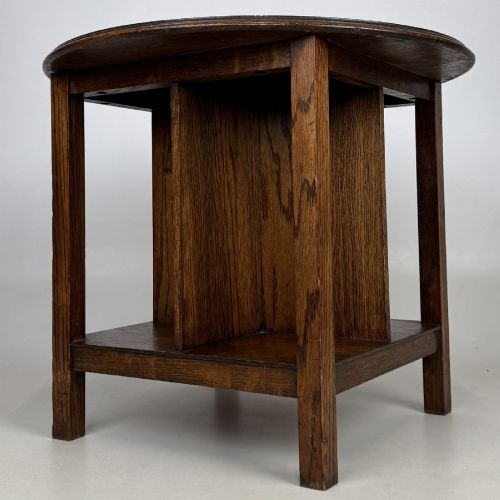
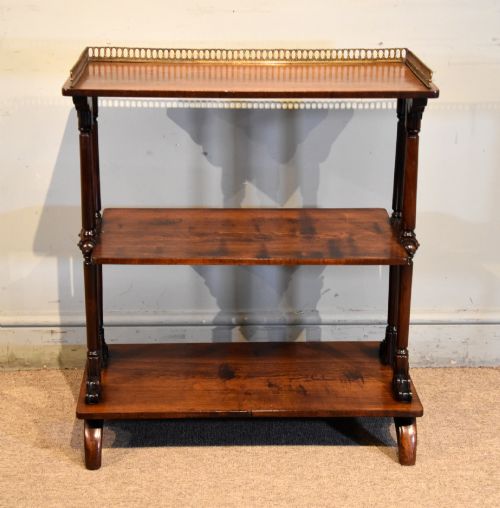
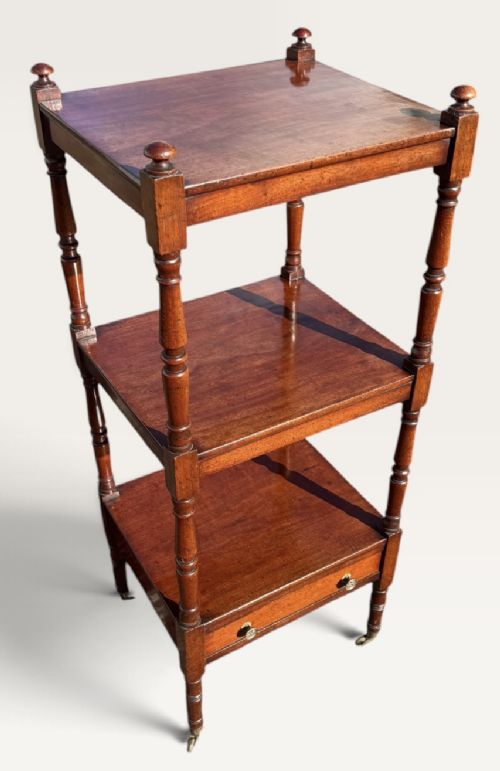
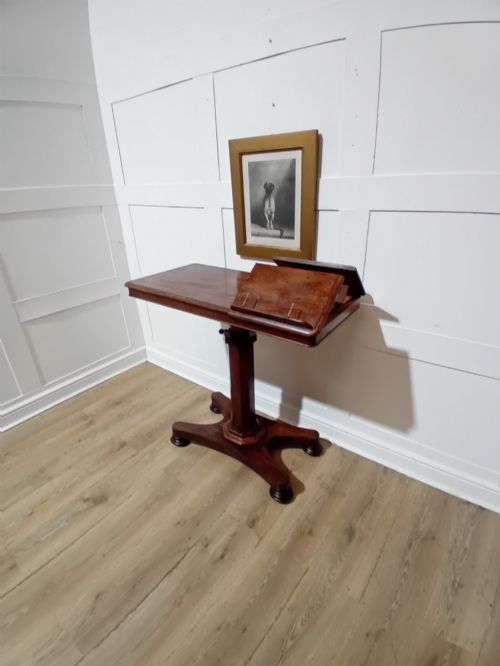
Other frequent forms include Victorian reading tables and adjustable stands made for libraries and sitting rooms. Pieces range from the 18th Century and Regency periods through to the 1920s and 1930s, taking shapes such as side tables, whatnots, and low bookcases.
Materials and Construction
Makers utilised dense timbers such as mahogany, walnut, rosewood, and oak to build sturdy frames capable of supporting heavy volumes. Inlaid decoration in satinwood and other contrasting veneers appears on finer Edwardian and Victorian examples.
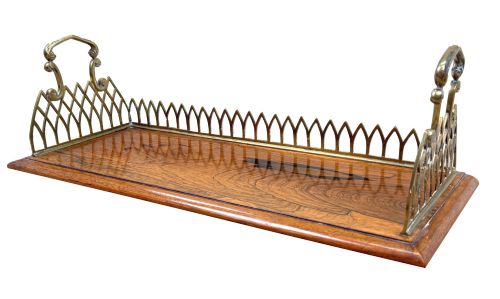
Metal components like brass and cast iron feature in the adjustable ratchets, hinges, and tripod feet of reading stands and music desks. Joinery relies on traditional techniques to ensure stability in items designed for regular movement and rotation.
Antique Book Stand Table Retail Price Guide 2026
Typical asking prices for book stand table among the pieces listed under this phrase on Sellingantiques today, from the lower quarter to the upper quarter. They describe what is for sale here now, not the wider market.
Book stand tables appear in forms ranging from revolving cases and side tables to adjustable reading desks and étagères.
Evaluating Execution
The distinction between ordinary and superior pieces rests on the choice of timber and the crispness of any inlay or carved detail. Figured veneers, such as burr walnut and flame mahogany, elevate the visual appeal of a reading table or revolving bookcase.
Mechanism performance separates standard stands from exceptional ones, particularly in adjustable reading tables and smooth-spinning revolving book tables. Solid secondary woods and careful attention to structural joints indicate a higher standard of workshop production.
Swann and Millican
The Antique Book Stand Table Glossary
- Revolving bookcase
- A freestanding four-sided bookcase mounted on a low cruciform base with ball bearings or castors allowing it to spin.
- Whatnot
- An open set of multi-tiered shelves used for displaying books and small ornamental objects in principal rooms.
- Lectern
- A slanted reading stand designed to hold a large book or manuscript at a comfortable angle for a standing or seated reader.
- Marquetry
- Decorative veneer patterns formed by fitting together thin pieces of wood and other materials onto a carcase.
- Étagère
- A piece of furniture consisting of a set of open shelves for holding books or ornaments.
Antique Book Stand Table: Frequently Asked Questions
How do I use a revolving bookcase?
Place the bookcase in a room where books need to be accessed from multiple seating positions, such as beside an armchair or near a desk. The revolving mechanism allows the reader to spin the shelves effortlessly to find a chosen volume.
Ensure the weight of the books is distributed evenly across the tiers to keep the rotation smooth and balanced. Avoid overloading the top shelf with heavy folios to maintain stability.
Where were reading tables placed?
Reading tables were positioned beside library armchairs, in studies, or near windows to catch natural light for reading and writing. Adjustable versions allowed Victorians to alter the height and angle of the book rest to suit different seating arrangements.
They also served as occasional tables for holding lamps or writing materials when not in active use for books.
What is the difference between a book stand and a bookcase?
A book stand usually refers to a smaller, more portable piece such as a table-top easel, a music stand, or an open revolving unit designed for immediate access. Bookcases are typically taller, static pieces of furniture meant for primary storage along room walls.
Many antique table forms combine both functions by offering shelf space below and a flat surface or reading slope on top.
How do I care for mahogany and walnut surfaces?
Dust the timber regularly with a soft, dry cloth to prevent the buildup of grit that might scratch the polish. Apply a traditional beeswax polish occasionally to nourish the wood and maintain a gentle lustre.
Keep these tables away from direct heat sources and strong sunlight to prevent the timber and veneers from drying out or fading.