




Edwardian Music Table
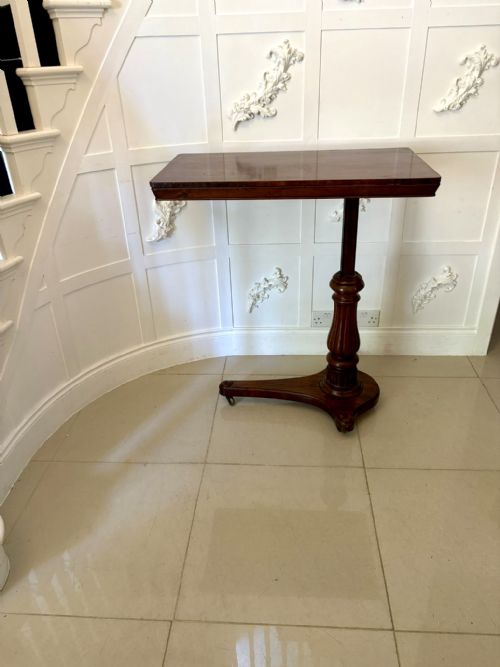
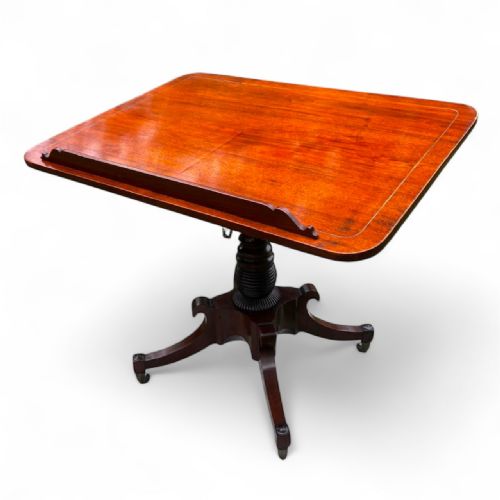
An edwardian music table brings refined utility to a room, offering dedicated storage for scores alongside adjustable reading surfaces.
Edwardian Music Table
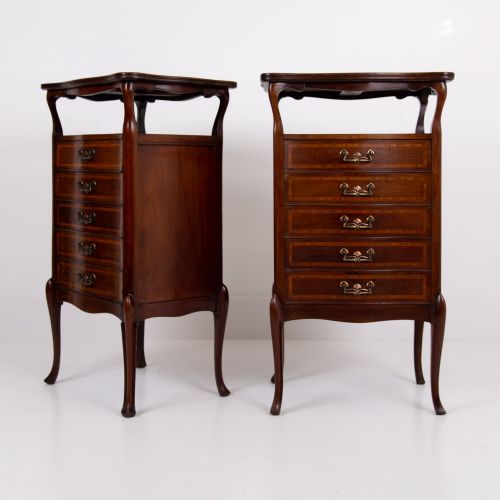
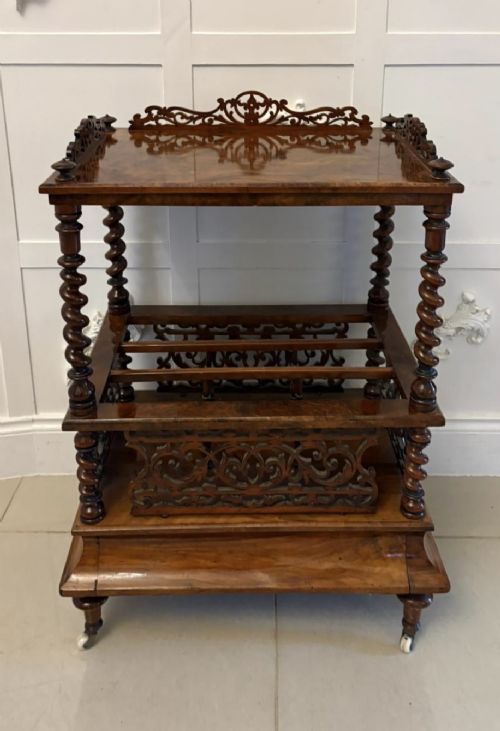
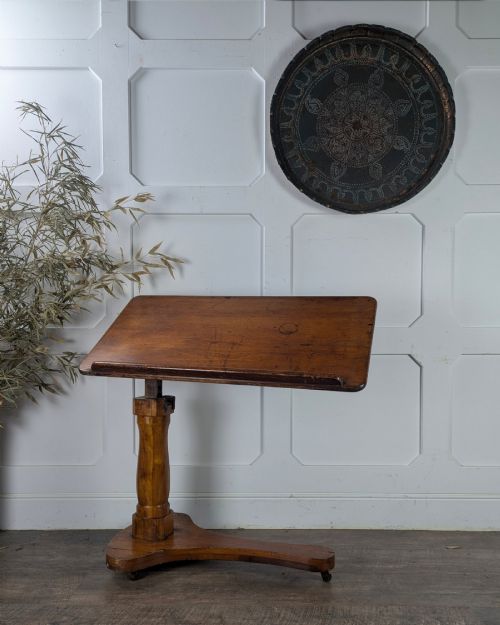
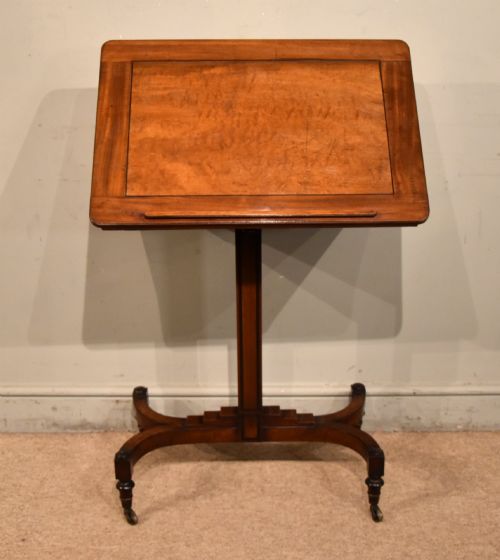
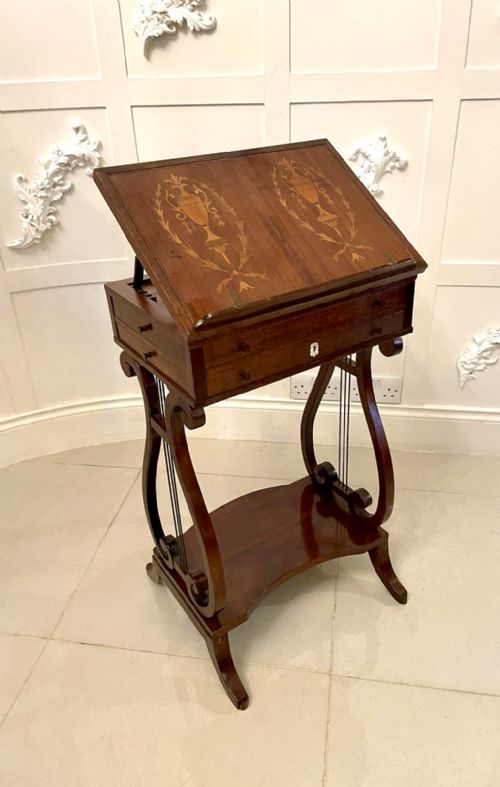
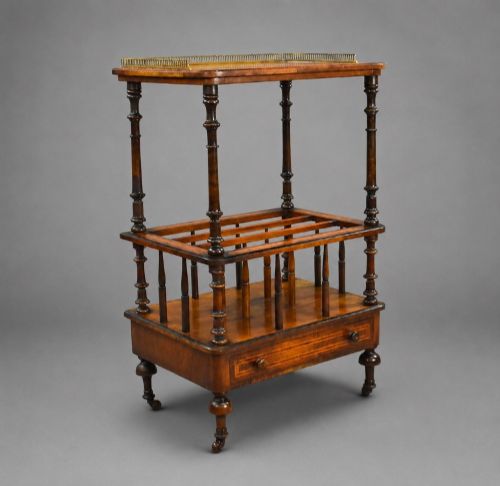
When you search for an edwardian music table, you encounter pieces designed to organise sheet music and accommodate reading material within the home. The most frequent forms you meet in this category include dedicated music cabinets, canterburys, adjustable reading tables, and piano stools.
The materials and construction reflect the preference of the period for polished hardwoods with decorative detail. Mahogany and burr walnut dominate the selection, often finished with delicate inlay work in satinwood or boxwood.
Beyond Edwardian examples, related pieces from the Victorian and Regency periods appear, including multi-functional side cabinets and music stands with adjustable slopes. These pieces served domestic musicians and readers in period parlours and drawing rooms.
How they were made
Cabinet makers utilised solid timbers and selected veneers, primarily mahogany and burr walnut, laid over supportive secondary woods. Surfaces frequently display contrasting stringing, boxwood or satinwood inlay, and brass fittings such as hinges, castors, and adjustable ratchet mechanisms.
Construction techniques combined traditional joinery for cabinet bodies with specialised hardware for adjustable reading slopes and music racks. Turned supports, glazed or panelled doors, and compartmentalised interiors were built to withstand regular domestic use.
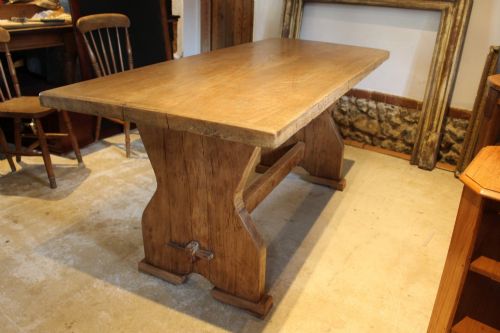
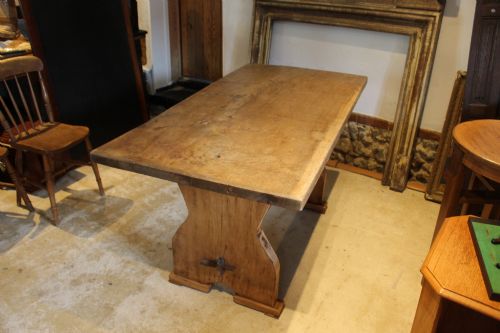
The furniture forms span canterburys, music cabinets, bedside cabinets, dining tables, occasional tables, music stands, piano stools, and lecterns.
What varies in quality
The standard of a piece rests upon the quality of the timber selection and the precision of the cabinet work. Finely figured burr walnut veneers and crisp, detailed inlay distinguish finer examples from plain utilitarian versions.
Mechanical elements also determine the grade of a piece, particularly the smooth operation of adjustable reading desks, brass ratchets, and drawers. Original castors, intact hardware, and balanced proportions separate standard production items from superior workshops.
The Edwardian Music Table Glossary
- Canterbury
- A low, open-framed stand fitted with vertical partitions for holding sheet music, magazines, or folios, often featuring a small drawer below.
- Inlay
- A decorative technique where contrasting woods or metals are fitted into recesses flush with the surrounding timber surface.
- Lectern
- A stand with a slanted top designed to hold a book or score at a comfortable reading angle for a standing or seated musician.
- Whatnot
- An open set of multi-tiered shelves used for display, commonly incorporated into the upper section of music cabinets and canterburys.
Edwardian Music Table: Frequently Asked Questions
What is an edwardian music table?
An edwardian music table is a piece of furniture designed to hold sheet music and books, often combining a cabinet or shelving space with an adjustable reading slope.
These pieces were made to serve musicians and readers in domestic parlours, keeping scores organised and accessible.
How do you use a music cabinet?
Music cabinets provide vertical shelving and drawer storage specifically proportioned for standard sheet music sizes and bound scores.
The flat top surface also functions as a side table for lamps, small objects, or open books during practice.
What woods were used for music furniture?
Cabinet makers predominantly used mahogany and burr walnut, supplemented by oak, rosewood, and satinwood for decorative contrast.
Inlay work in boxwood and stringing details were frequently applied to enrich the appearance of the polished timber surfaces.
Are music tables adjustable?
Many reading tables, music stands, and lecterns incorporate brass ratchets or screw mechanisms to alter the angle of the book rest.
This adjustability allowed musicians and readers to position scores precisely for standing or seated performance.