

Antique Book Holder
An antique book holder keeps volumes upright on a desk, and these pieces span simple wooden slides to heavy brass rests from the nineteenth century.
Antique Book Holder
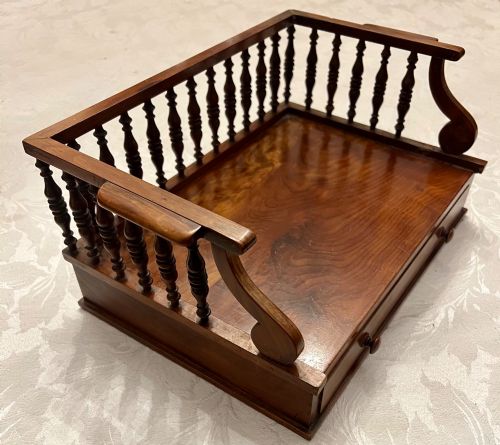
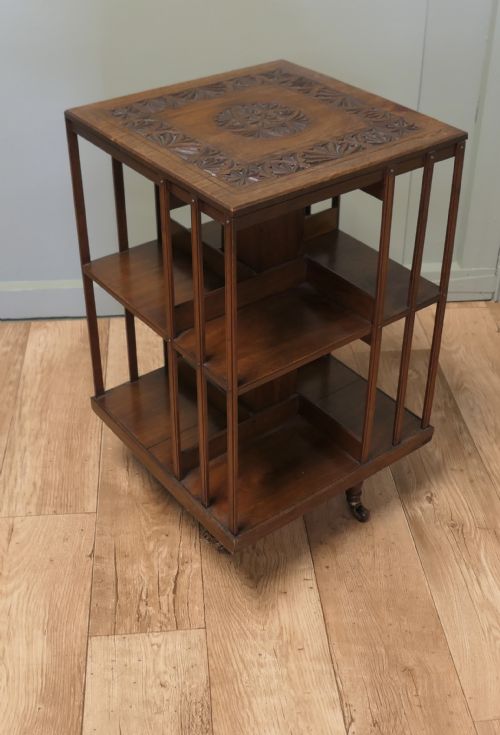
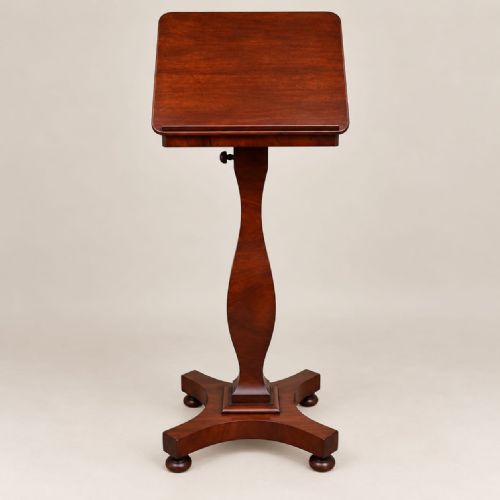
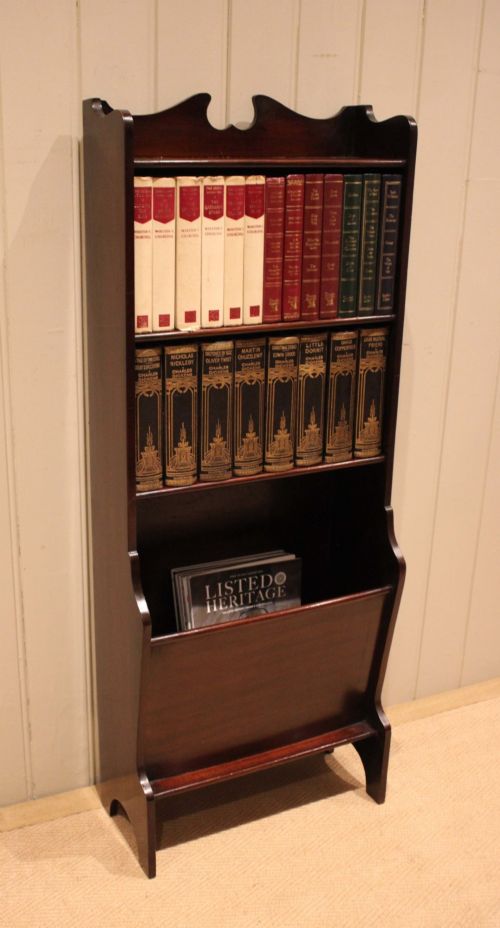
An antique book holder encompasses desk-top accessories, extending slides, reading stands, and revolving cases designed to keep volumes secure. The pieces on this page lean heavily towards Victorian and Edwardian timber slides, oak troughs, and brass-mounted rests intended for home libraries.
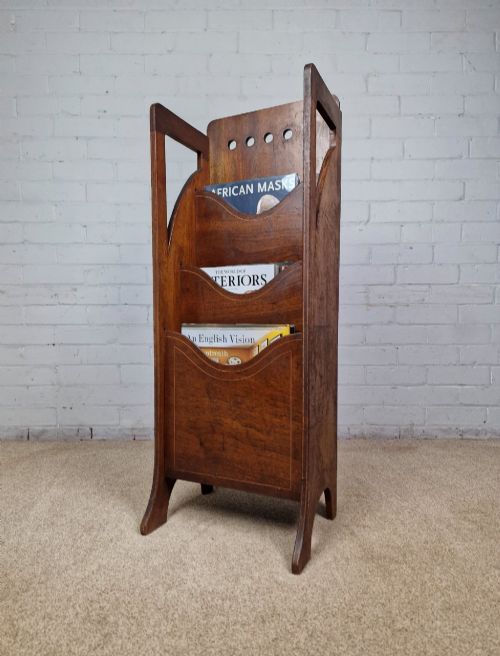
Makers utilised various formats, from folding prayer book holders to heavy church lecterns and table-top magazine racks. Domestic examples often feature extending mechanisms to accommodate changing numbers of volumes on a shelf or desk.
Origins stretch from English workshops to French and Italian makers, employing regional timbers like olive wood and mahogany alongside native oak. Simpler desk accessories share space with architectural Gothic Revival lecterns and Arts and Crafts troughs.
How They Were Made
Carpenters and cabinetmakers shaped these pieces from solid hardwoods like oak, mahogany, walnut, and exotic coromandel, often mounting them with brass hinges, collapsible struts, and protective plaques. Tunbridge ware and Killarney work introduced decorative wooden mosaics and inlaid details to the outer surfaces.
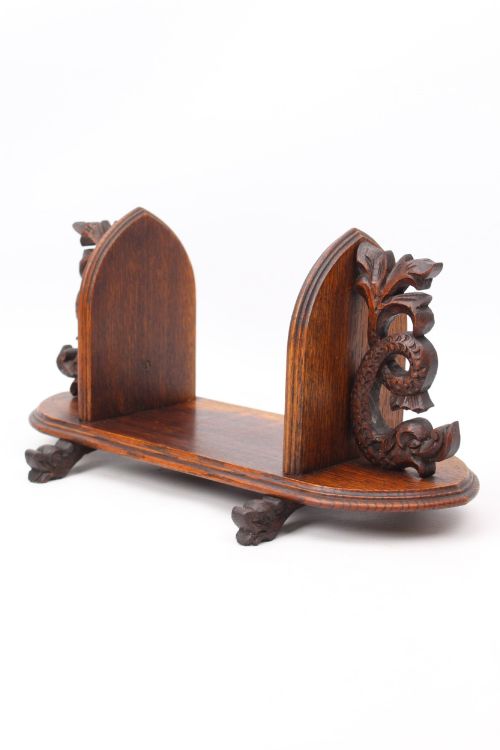
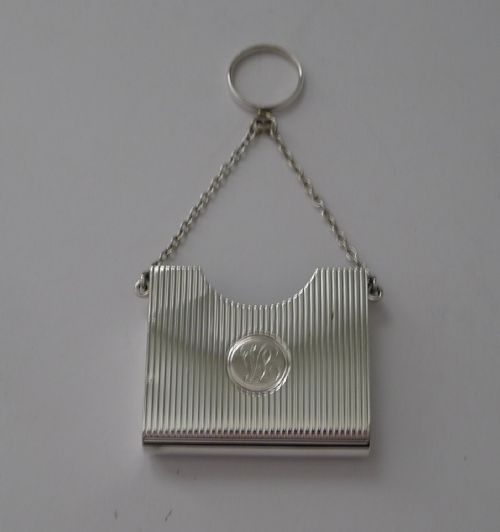
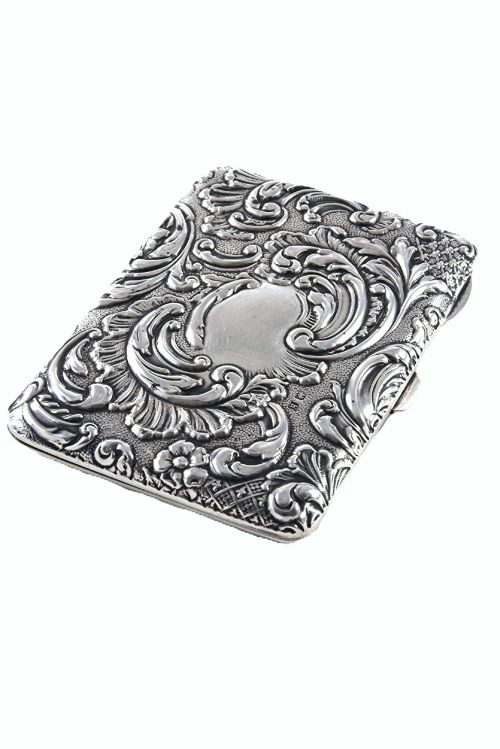
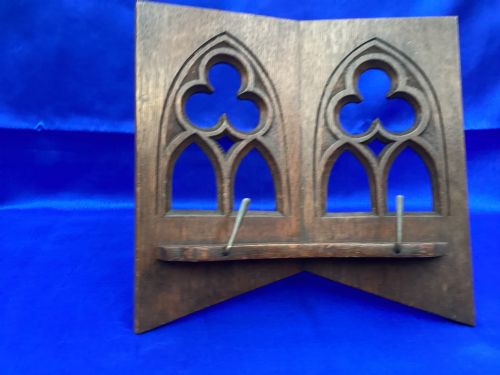
Metal versions relied on cast iron or solid sterling silver fronts, utilised by workshops such as Sampson Mordan and Crisford & Norris for desk accessories and stamp cases. Carved examples display detailed foliage, figures, and architectural tracery associated with Gothic Revival and Black Forest traditions.
Antique Book Holder Retail Price Guide 2026
Typical asking prices for book holder among the pieces listed under this phrase on Sellingantiques today, from the lower quarter to the upper quarter. They describe what is for sale here now, not the wider market.
Materials in these listings span oak, mahogany, walnut, coromandel, sterling silver, cast iron, and porcelain.
What Varies in Quality
Quality rests on the crispness of the carving, the selection of figured timbers like burl walnut or coromandel, and the mechanical precision of extending actions or folding struts. Patent mechanisms by makers like Betjemanns command attention for their smooth operation.
The finish of the brass mounts, the integrity of inlaid Tunbridge banding, and the presence of original labels or registration marks distinguish standard utilitarian items from finer workshop pieces.
Arthur Simpson·Sampson Mordan·Osborne Garrett & Co·Gordon Russell·Crisford & Norris·Betjemanns
The Antique Book Holder Glossary
- Book slide
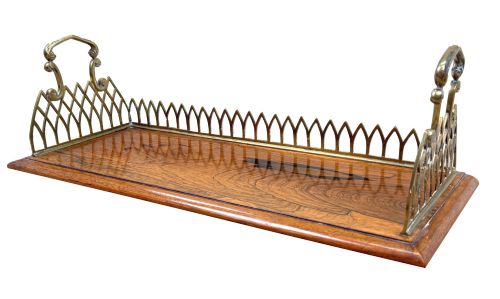
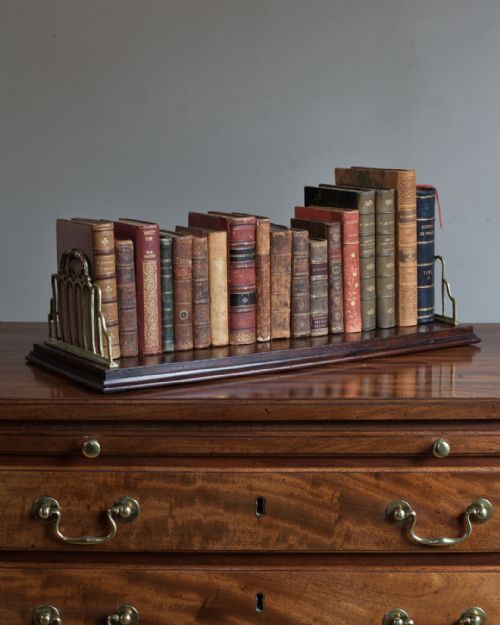
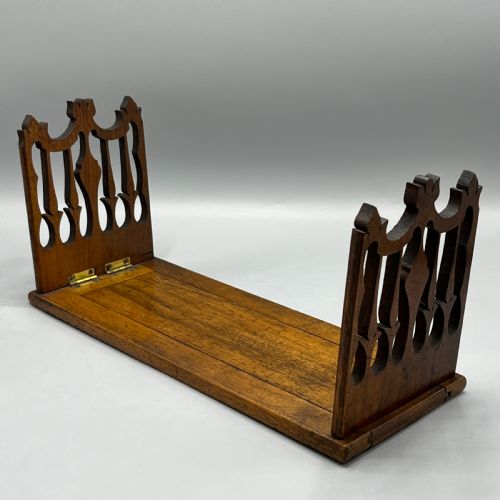
- An extending desk accessory with hinged or sliding sections designed to hold a row of volumes upright between two ends. These often feature brass mounts and folding bookends.
- Lectern stand
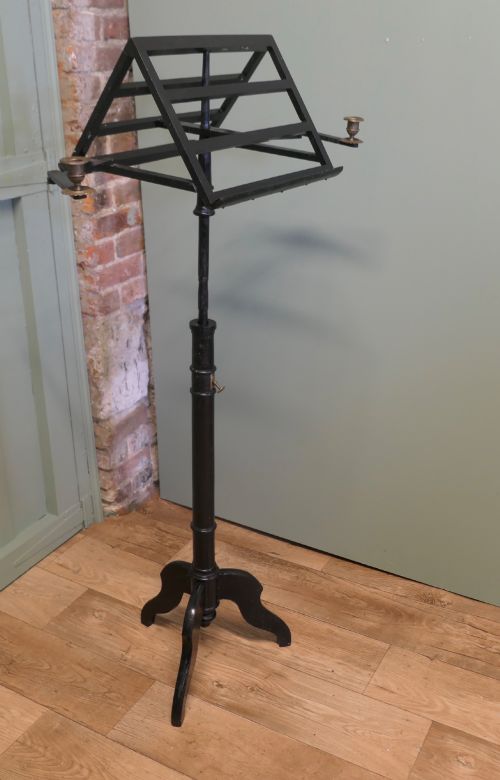
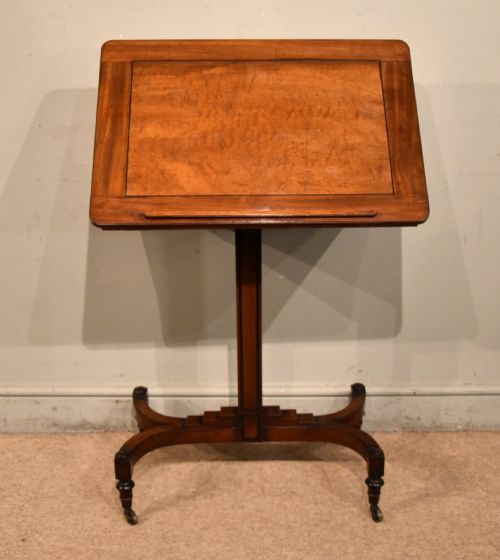
- A reading desk with a sloping top designed to support large bibles, missals, or music scores. They appear in carved oak, brass, and pine for church or domestic use.
- Canterbury stand
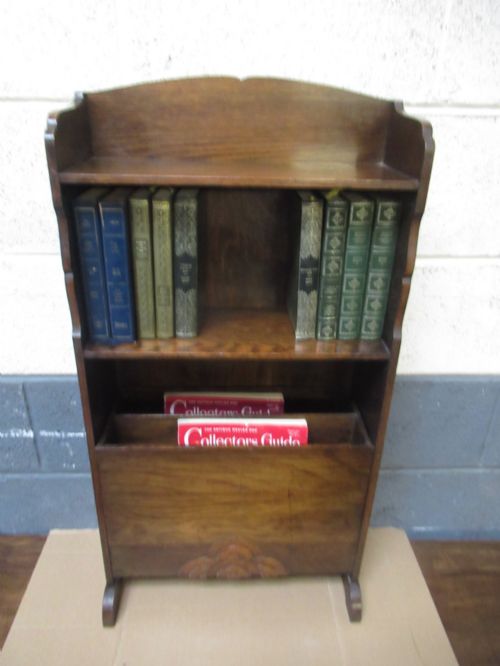
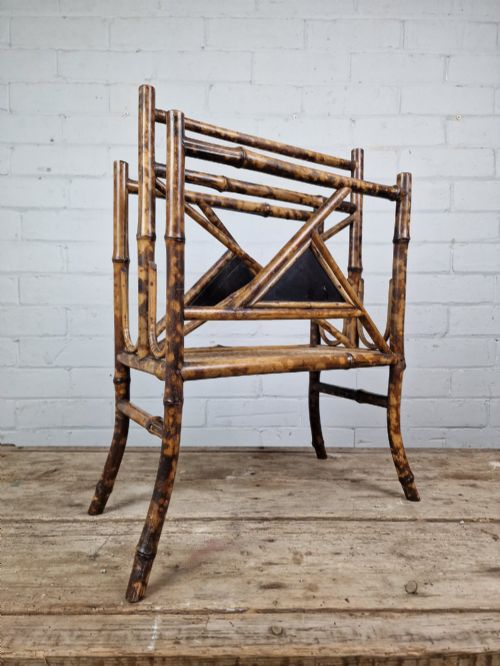
- A multi-tiered rack originally intended for sheet music but frequently utilised for newspapers and magazines. They often incorporate carrying handles and drawer compartments.
- Tunbridge ware
- Small wooden items decorated with mosaic patterns created by gluing coloured wood strips together before slicing them thinly. This technique decorated nineteenth-century book racks and desk boxes.
Antique Book Holder: Frequently Asked Questions
What is an extending book slide?
An extending book slide uses a sliding wooden base with matching end supports that pull apart to hold more volumes.
Victorian examples often incorporated brass mounts and patented actions to keep the movement smooth.
How were desk-top book stands used?
Desk-top book stands held reference volumes, bibles, or current reading material at a convenient angle for study.
Many featured folding rests so they could pack flat when not in use on a library table.
How do I date an antique book holder?
Dating relies on stylistic clues such as Gothic Revival tracery, Arts and Crafts simplicity, or Regency mahogany reeding.
Makers' marks, patent stamps, and silver hallmarks provide precise manufacturing years for metal and fitted wooden pieces.