


Antique Bone China Bowl
An antique bone china bowl brings the refined tradition of English ceramic art to the table, valued for its fine translucency and historical charm.
Antique Bone China Bowl
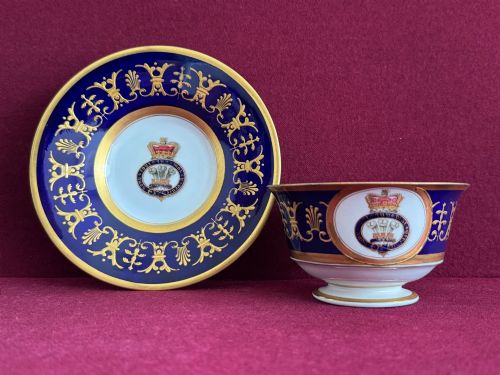
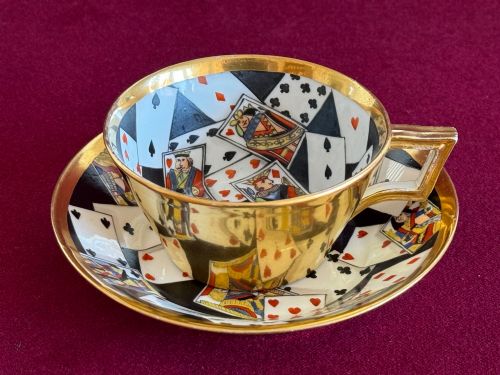
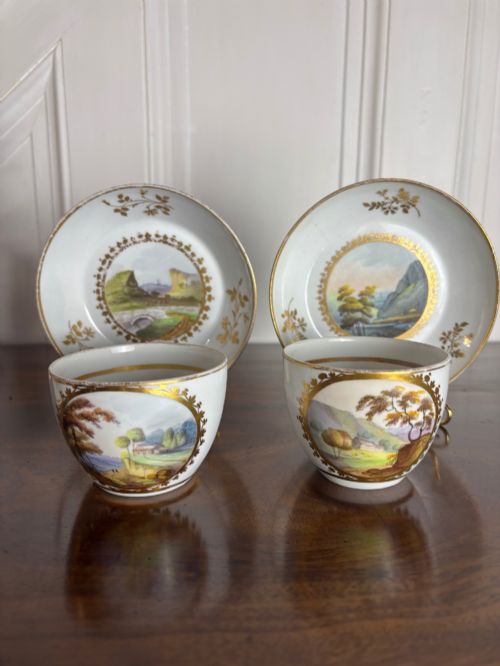
When you search for an antique bone china bowl, you enter a field spanning from the Georgian and Regency eras through the Victorian period and into the twentieth century. These pieces appear in various forms, including dedicated sugar bowls, sugar boxes, dessert cream sets, and twin-handled soup vessels.
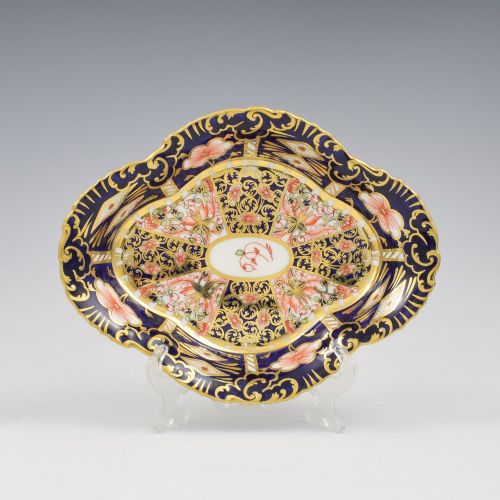
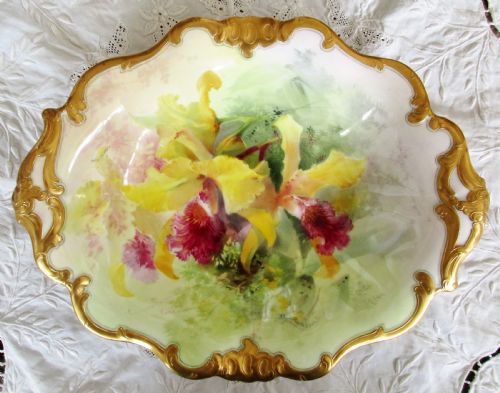
The selections on this page range from early nineteenth-century Coalport and Minton works to mid-twentieth-century Royal Worcester painted fruit designs. Buyers frequently encounter forms decorated with Imari patterns, botanical motifs, or rich gilding that reflect distinct stylistic movements.
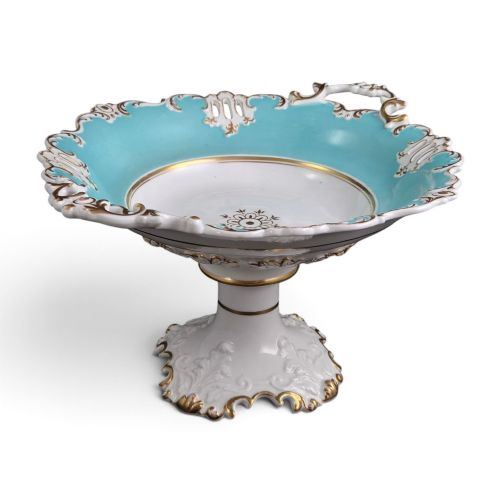
Makers such as Wedgwood, Royal Crown Derby, and Royal Doulton contribute to the diverse array of serving dishes, tazzas, and cabinet pieces available. Each period brings its own characteristic weight and decorative scheme, linking utilitarian tableware with high artistic expression.
Materials and production methods
The pieces recorded in the listings rely fundamentally on porcelain and bone china bodies, providing a durable yet delicate structure. Artisans often enhanced these ceramic foundations with enamel painting, gold leaf, and lustre glazes.
Techniques range from botanical hand-painting to complex gilt detailing, as seen in pieces incorporating gold gilding and gold gilt highlights. Potters shaped these materials into functional tea service components and decorative vessels using traditional manufacturing methods of their respective decades.
Listings feature porcelain and bone china pieces spanning the Georgian, Regency, Victorian, and mid-twentieth-century eras.
Distinctions in quality and execution
Quality in these ceramics rests upon the fineness of the body and the precision of the hand-painted decoration. Pieces bearing the signatures of notable artists or originating from esteemed potteries display superior artistry in their enamel work and gilding.
The integration of form and ornament dictates the standing of a vessel, distinguishing standard utility wares from exhibition-grade cabinet pieces. Depth of colour, clarity of transfer printing or brushwork, and the preservation of gold leaf establish the hierarchy among surviving examples.
Coalport·Royal Doulton·Minton·Spode·Royal Crown Derby·Ridgway·Wedgwood·Royal Worcester·Flight Barr and Barr·Gladstone potteries
The Antique Bone China Bowl Glossary
- Bone china
- A type of soft-paste porcelain incorporating animal bone ash, resulting in a strong, translucent ceramic body. This material allows for thinner walls than standard earthenware while maintaining durability.
- Sucrier
- A small lidded vessel designed to hold table sugar, frequently found within matching tea services. These items often feature decorative handles and matching stands.
- Tazza
- An ornamental shallow cup or dish mounted on a stem and foot, used historically for serving small portions of food or fruit. They highlight prominent decorative motifs on the central surface.
- Lustre glaze
- A metallic film applied to pottery to create an iridescent, reflective surface sheen. Wedgwood pieces often utilise this technique to produce deep metallic effects.
- Imari
- A decorative style characterised by rich underglaze blue and iron-red overglaze enamels, heavily accented with gold. This aesthetic originates from Japanese export wares but was widely adopted by English potteries.
Antique Bone China Bowl: Frequently Asked Questions
How do I identify the age of a bowl?
Dating relies on matching the painted style, decorative motifs, and recorded manufacturer marks against known historical periods. Victorian and Georgian pieces often exhibit distinct handle shapes and baseline stamps that place them within specific decades.
Changes in ceramic body composition and glaze textures further help distinguish early nineteenth-century productions from later twentieth-century items.
Were these bowls meant for daily use?
Many items began as components of larger functional tea or dessert services used in formal dining settings. Pieces like sugar bowls and soup vessels served active roles in household hospitality.
Over time, surviving examples transitioned into cabinet displays or collections due to their delicate enamel and gold leaf decorations.
How should I care for antique ceramic pieces?
Preserving these items requires gentle hand washing in lukewarm water with mild soap, avoiding abrasive sponges or modern dishwashers. Protecting the enamel and gold gilding from harsh detergents ensures the longevity of the surface decoration.
Displaying them away from direct sunlight prevents fading in hand-painted botanical or fruit subjects.
What defines a cabinet dish?
Cabinet dishes were created primarily for display in glass-fronted furniture rather than for active dining service. They typically feature elaborate artistic painting, such as botanical studies or fruit scenes by named artists.
These items prioritise visual artistry over utilitarian function, often bearing maker marks associated with high-grade exhibition pieces.