
Antique Bombe Drawers
Antique bombe drawers are swelling-front furniture pieces combining generous storage with dramatic continental curves, sought after for their bold silhouettes and rich timber surfaces.
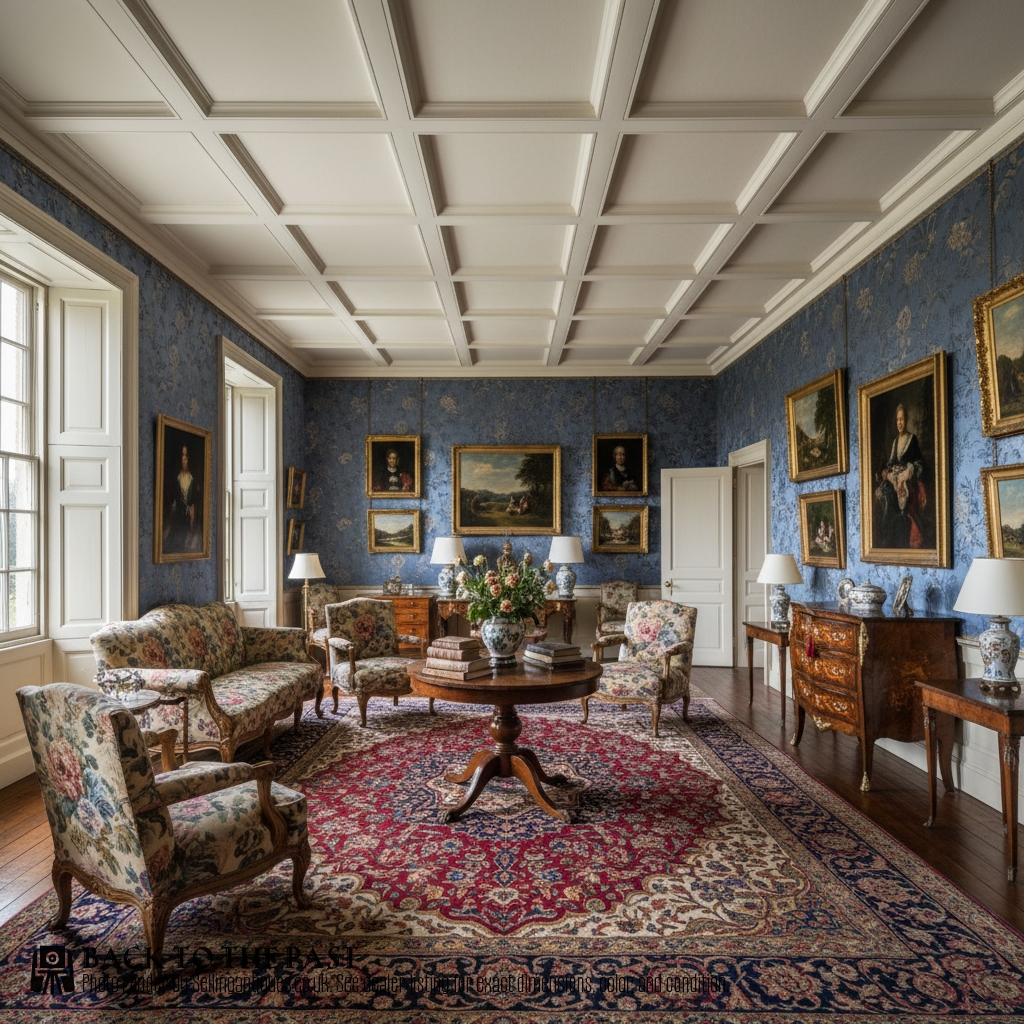
Antique Bombe Drawers
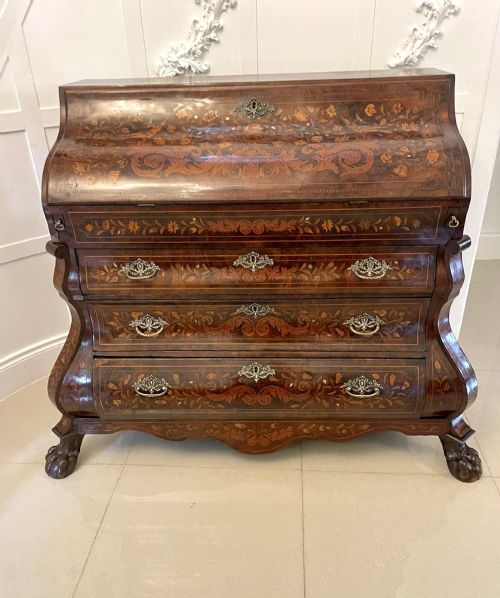
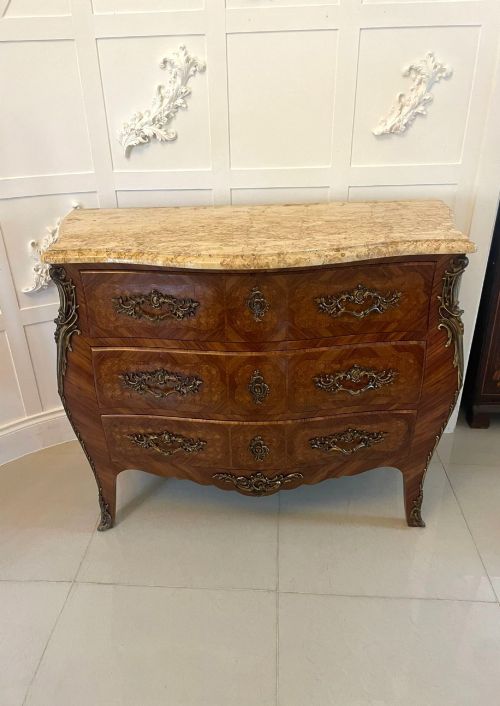
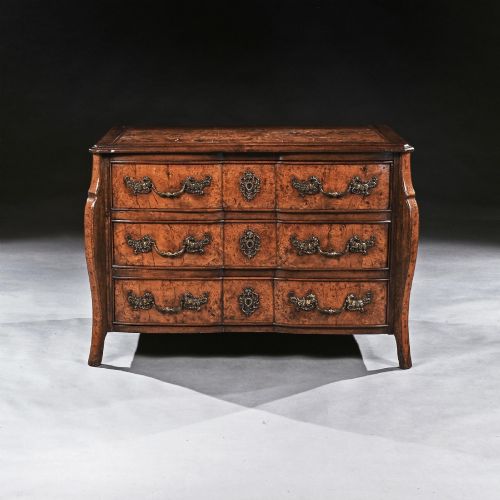
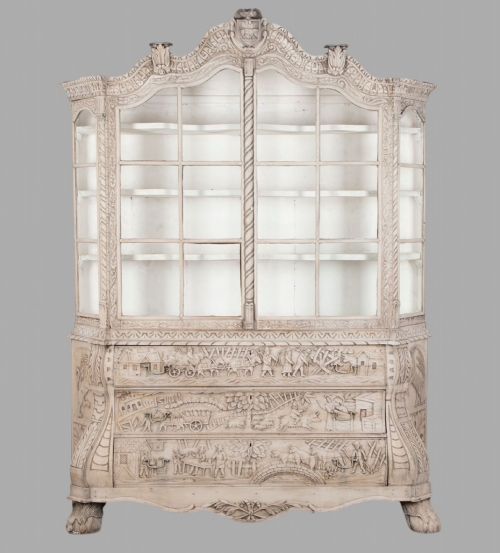
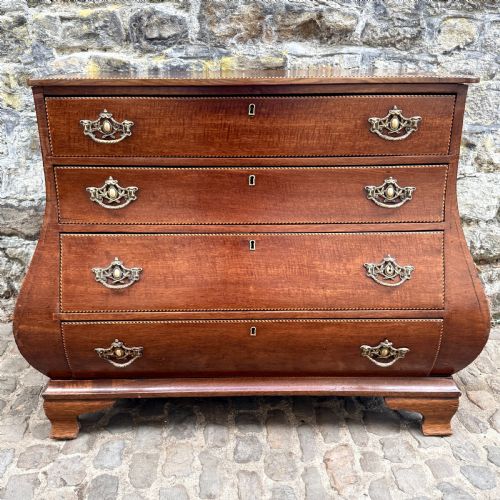
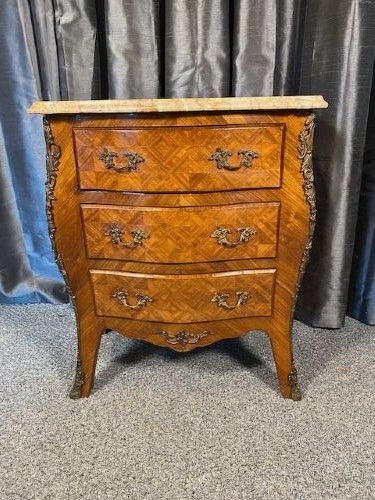
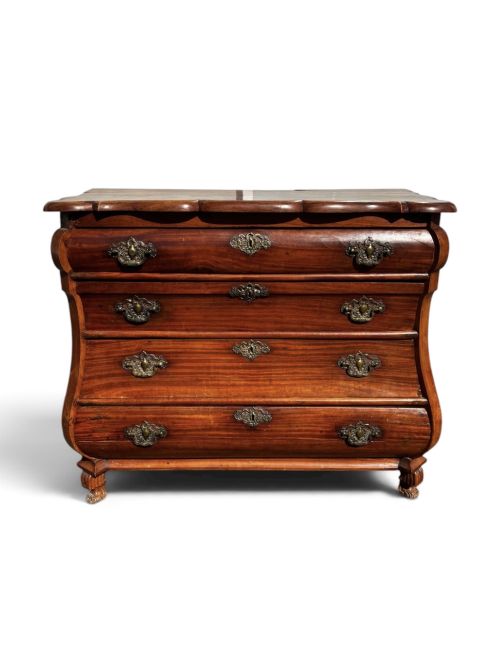
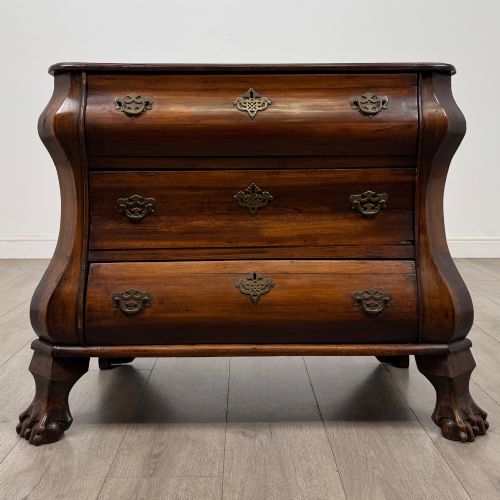
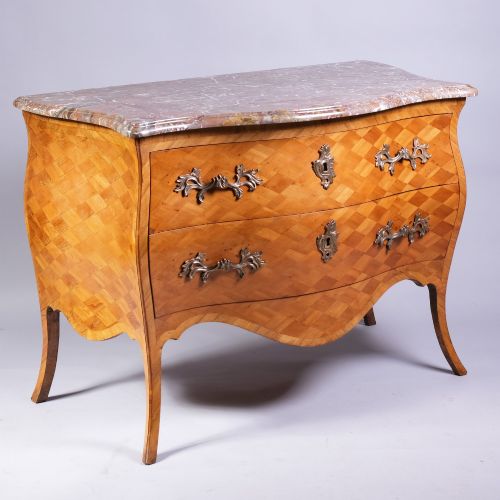
When you search for antique bombe drawers, you encounter pieces defined by their convex, bulging profiles that demand exceptional cabinet-making skill. The examples gathered here span centuries of continental design, predominantly originating from Dutch, French, and Swedish workshops.
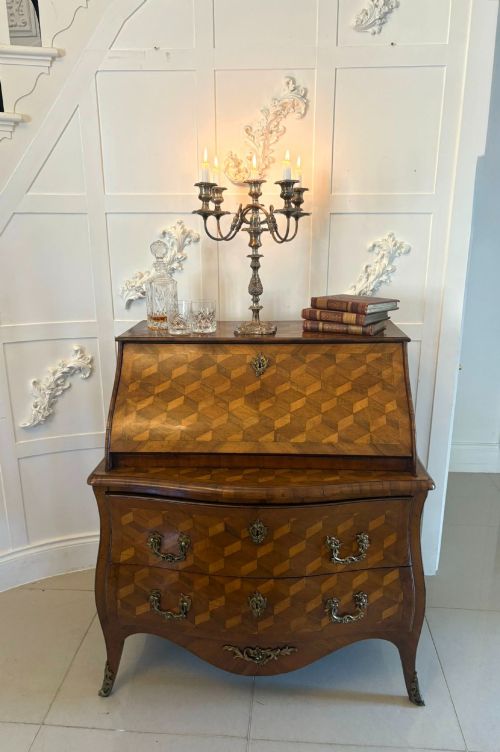
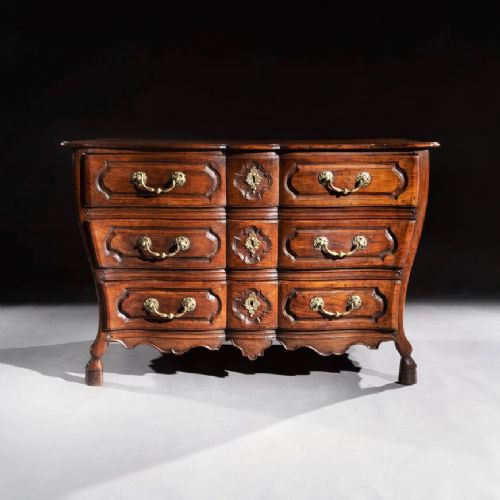
The common forms take shape as commodes, bureaus, and display cabinets resting on diminutive feet. Eighteenth-century iterations sit alongside later revivals, displaying the enduring appeal of this swelling outline across diverse European interiors.
Materials and construction
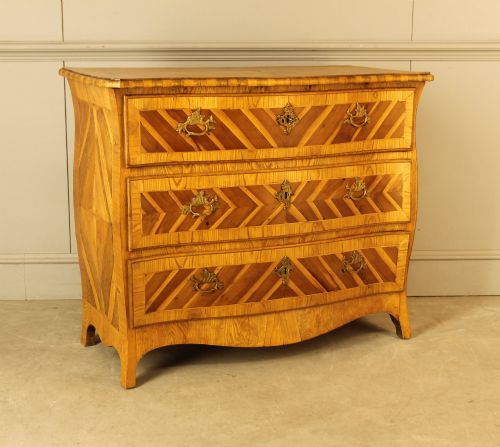
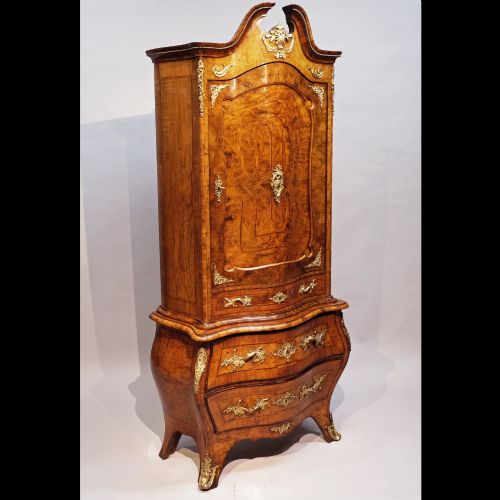
Craftsmen built these curved carcasses using robust foundational timbers such as oak, chestnut, and walnut, applying fine veneers over the complex undulating surfaces. Burr walnut, kingwood, and burr elm provide intricate grain patterns that wrap seamlessly around the bulging drawer fronts.
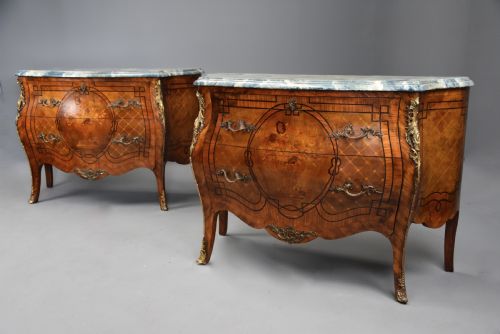
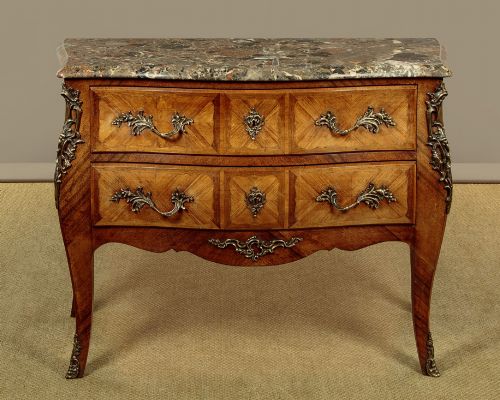
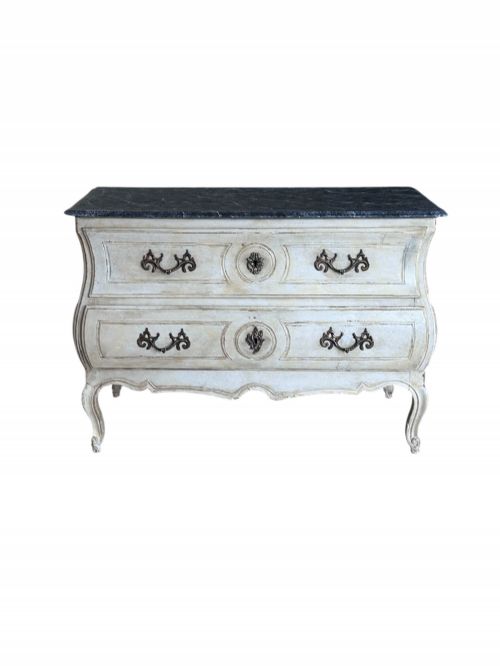
Surface enrichment frequently involves elaborate floral marquetry, geometric parquetry, or Chinoiserie japanned lacquer. Heavy cast ormolu mounts and cool marble tops frequently crown the French and continental commodes, contrasting with the warm timber tones.
Listings feature pieces incorporating walnut, kingwood, burr walnut, oak, and marble across eighteenth and nineteenth-century periods.
Distinguishing quality
The standard of a piece rests heavily on the precision of the veneer work and how smoothly the grain follows the radical curves of the carcass. Superior examples maintain crisp inlay alignment across the swelling drawer fronts without buckling or lifting.
Finer construction shows in the weight and detail of the bronze or ormolu mounts, along with the thickness and selection of the marble slabs fitted to the tops. Subtleties in the hand-carved feet and the seamless integration of dust boards separate high workshops from standard production.
Edwards & Roberts
The Antique Bombe Drawers Glossary
- Bombe
- A French term describing furniture with a swelling or bulging outward contour. This swelling shape requires advanced woodworking techniques to construct properly.
- Marquetry
- Decorative veneer work forming pictures or patterns using various woods. Craftsmen cut contrasting timbers to fit precisely into a background veneer.
- Parquetry
- Geometric wood inlay patterns resembling mosaics. Squares, triangles, and lozenges create repeating motifs across drawer fronts and tops.
- Ormolu
- Gilded bronze used for decorative mounts and handles on furniture. The technique involves applying a gold amalgam to cast bronze.
Antique Bombe Drawers: Frequently Asked Questions
How do I tell Dutch and French styles apart?
Dutch bombe furniture often relies on rich burr walnut timbers embellished with intricate floral marquetry and sits on ball-and-claw or bracket feet. The silhouettes tend to be robust, substantial, and deeply curved.
French commodes from periods like the Louis XV style frequently incorporate delicate parquetry, gilt ormolu mounts, and fitted marble tops. The overall aesthetic leans toward lighter proportions with sweeping cabriole legs.
Where should I place a bombe commode?
These pieces require generous wall space where their three-dimensional curves can be appreciated without obstruction. Hallways, living rooms, and bedrooms serve well as locations to showcase their bold silhouettes.
Because many examples feature delicate marquetry or marble surfaces, positioning them away from direct sunlight and heavy foot traffic preserves the timber and decorative mounts.
How do I care for antique veneer?
Maintain antique veneers by keeping them away from extreme temperature shifts and direct heat sources that cause timber to dry and warp. Consistent indoor humidity prevents the glues beneath the surface from failing.
Dust the intricate curves gently with a dry cloth and apply a quality wax sparingly when the wood appears dry. Avoid commercial liquid polishes that can degrade historical finishes.