




Antique Bohemian Porcelain
Antique bohemian porcelain encompasses expressive figures, vases and centrepieces shaped during the nineteenth and early twentieth centuries.
Antique Bohemian Porcelain
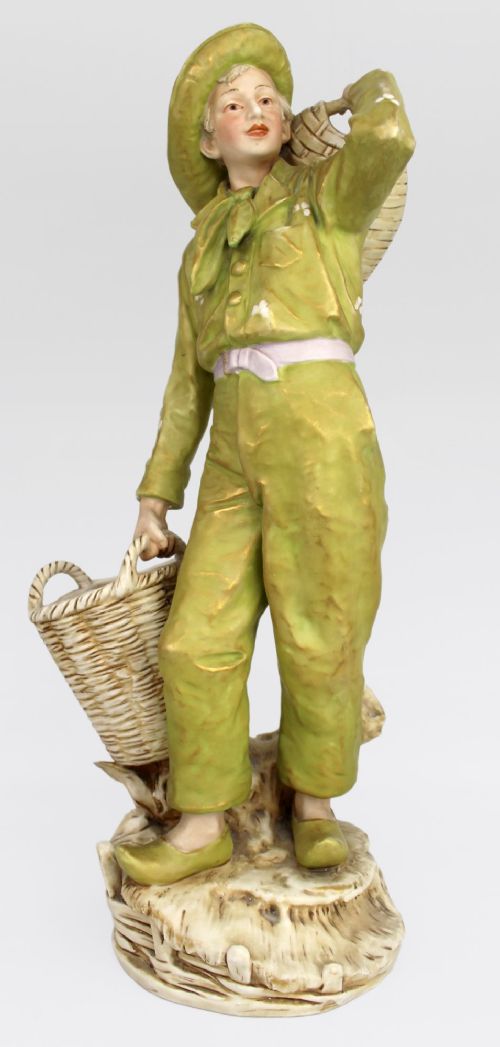
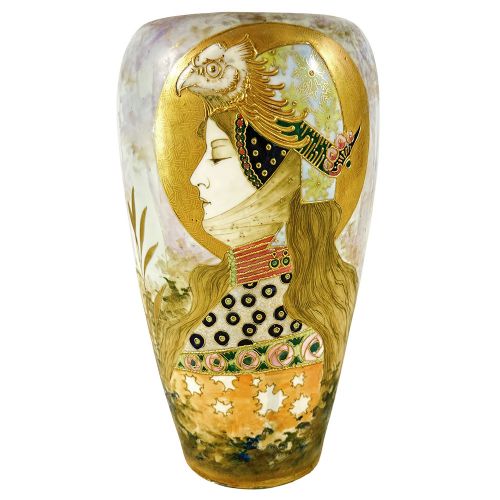
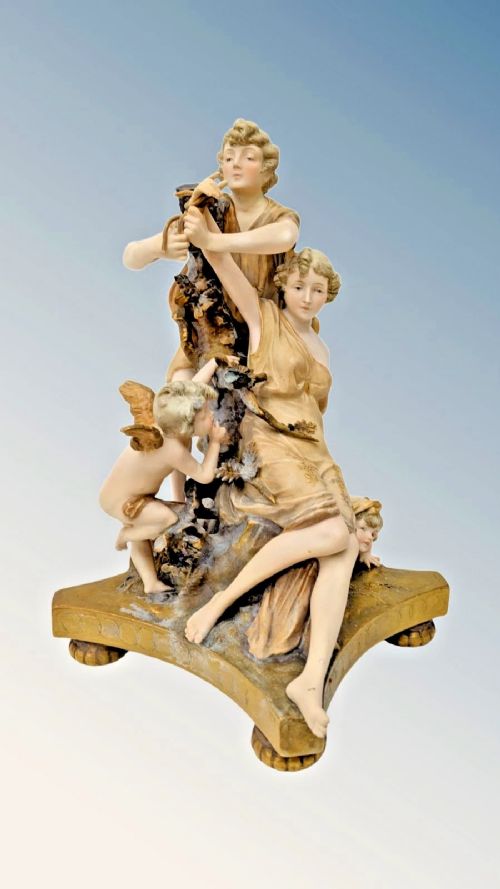
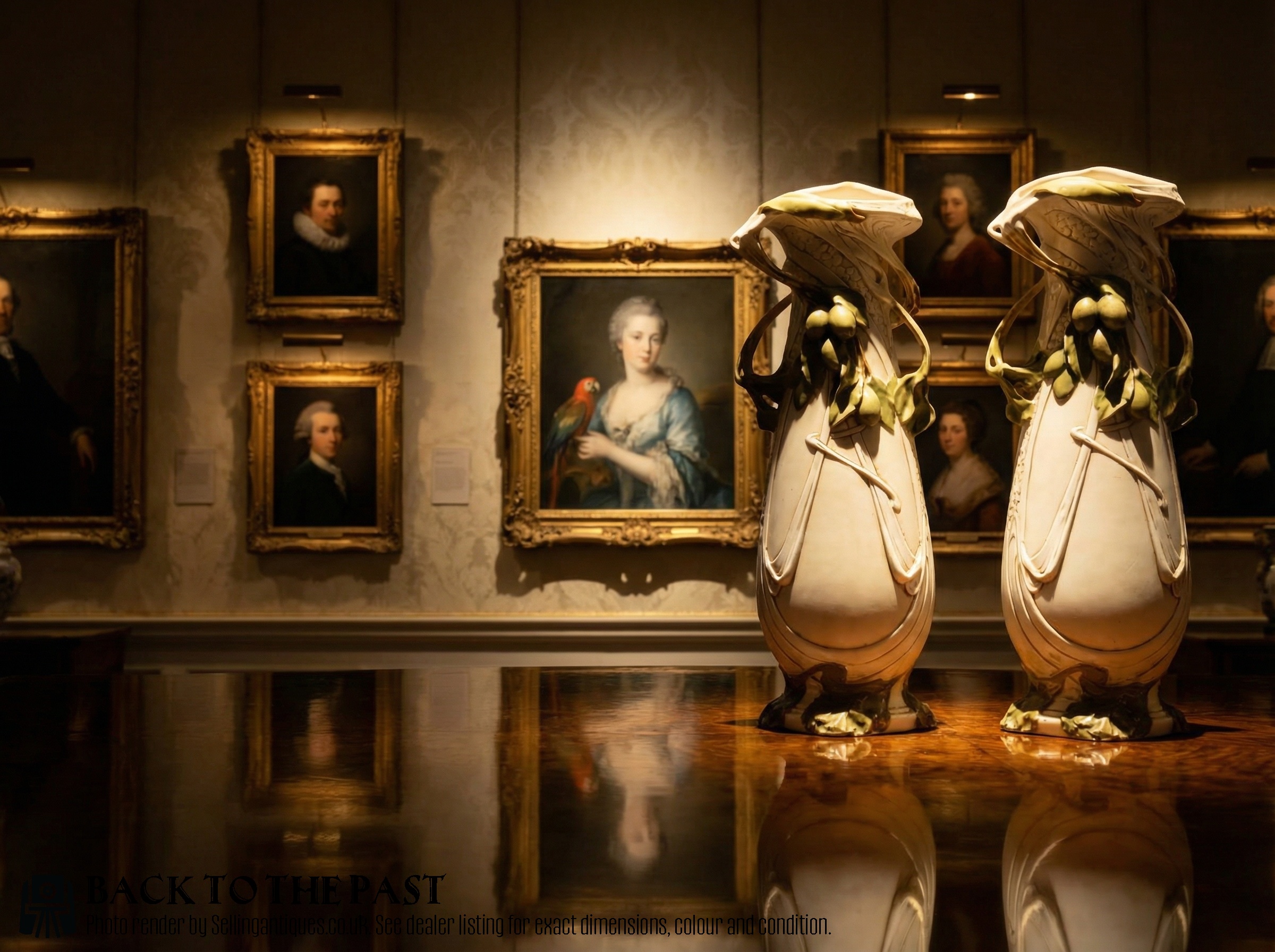
Antique bohemian porcelain comprises figures, large vases, centrepieces and figural groups shaped across the nineteenth century and into the Edwardian era. These pieces often draw upon natural forms, depicting maidens, water nymphs, fisherfolk and animals in flowing postures.
Visitors to this selection will most frequently encounter figural compositions and vases belonging to the Art Nouveau style, alongside Neoclassical and Victorian Orientalist expressions. The most prominent output originates from workshops such as Royal Dux and Ernst Wahliss, capturing the sculptural ambition of bohemian ceramic production.
How they were made
The makers utilised porcelain, ceramic and terracotta, often pairing biscuit porcelain with glossy or matte glazes to define drapery and flesh. Many works incorporate hand-painted pigments alongside applied gilt and gold leaf highlights to accentuate sculptural contours.
The sculptural modeling relies on detailed hand-finishing, particularly in complex figural groups and large centrepieces. Makers applied enamel decoration directly onto the fired body before a final low-temperature fixation.
Puppies and kittens frequently share the stage with fisherfolk.
What varies in quality
The application of gilding and enamel work dictates visual success. Hand-painted details executed with subtle shading elevate the decorative impact far beyond factory-standard washes.
Royal Dux Bohemia·Ernst Wahliss·Reissner Stellmacher and Kessel·Alexandra Porcelain Works·Paul Dachsel
The Antique Bohemian Porcelain Glossary
- Biscuit porcelain
- Unglazed ceramic fired once to create a matte, porous finish resembling marble. This technique highlights subtle sculptural details.
- Vide poche
- A small shallow dish or tray designed for holding loose pocket items. These often take figurative forms featuring maidens or shells.
- Gilt
- A thin layer of gold applied to the surface of the porcelain or ceramic body. It is frequently used to accent borders or drapery.
- Spill vase
- A tall cylindrical container intended to hold wooden spills used for lighting fires or candles. They often feature naturalistic Art Nouveau styling.
- Centrepiece
- A large decorative object placed in the middle of a dining table or sideboard. Bohemian examples frequently incorporate shell motifs and water nymphs.
Antique Bohemian Porcelain: Frequently Asked Questions
What is bohemian porcelain?
Bohemian porcelain refers to ceramic works produced in the Bohemia region during the nineteenth and early twentieth centuries. The output is celebrated for sculptural figures and vases strongly influenced by Art Nouveau design.
Factories such as Royal Dux and Wahliss drove this production, combining naturalistic motifs with tinted glazes and applied gilding.
Were these items meant for display?
The larger figures, monumental vases and figural centrepieces served primarily as decorative ornaments for domestic interiors. Their scale and elaborate modeling suited prominent placement on mantelpieces and sideboards.
Smaller items like vide poche or spill vessels combined utility with the same sculptural ambition.
How should I clean antique porcelain?
Antique bohemian porcelain requires gentle dusting with a soft, dry brush to protect delicate painted surfaces and gold leaf. Moisture can degrade old enamels or adhesives used in historical repairs.
Avoid chemical cleaners entirely and handle figural pieces by their heaviest structural bases rather than protruding limbs or handles.