



Antique Bohemian Glassware
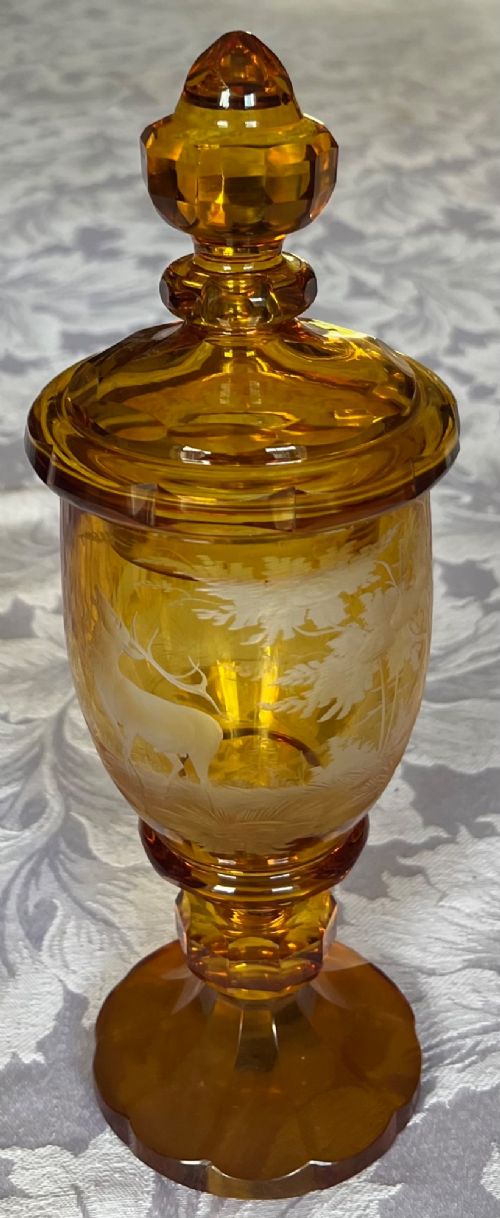
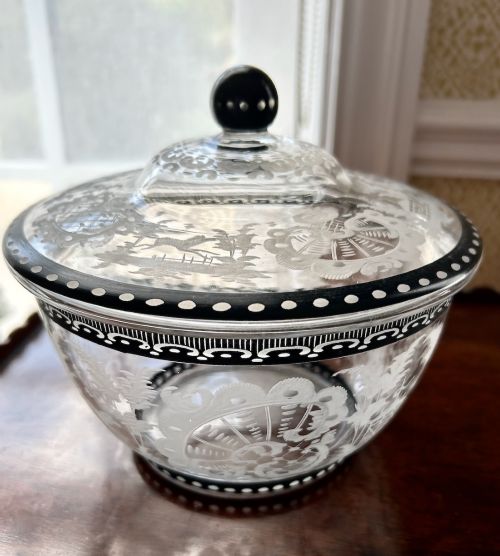
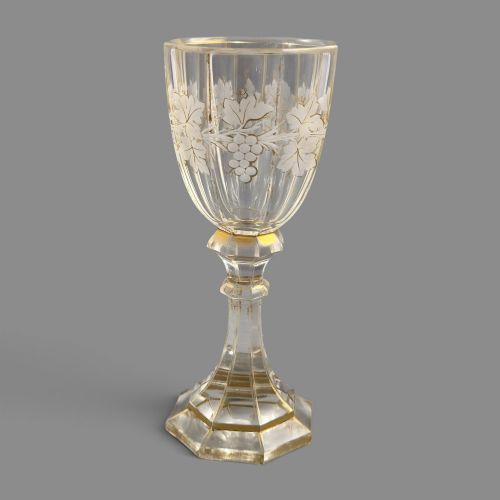
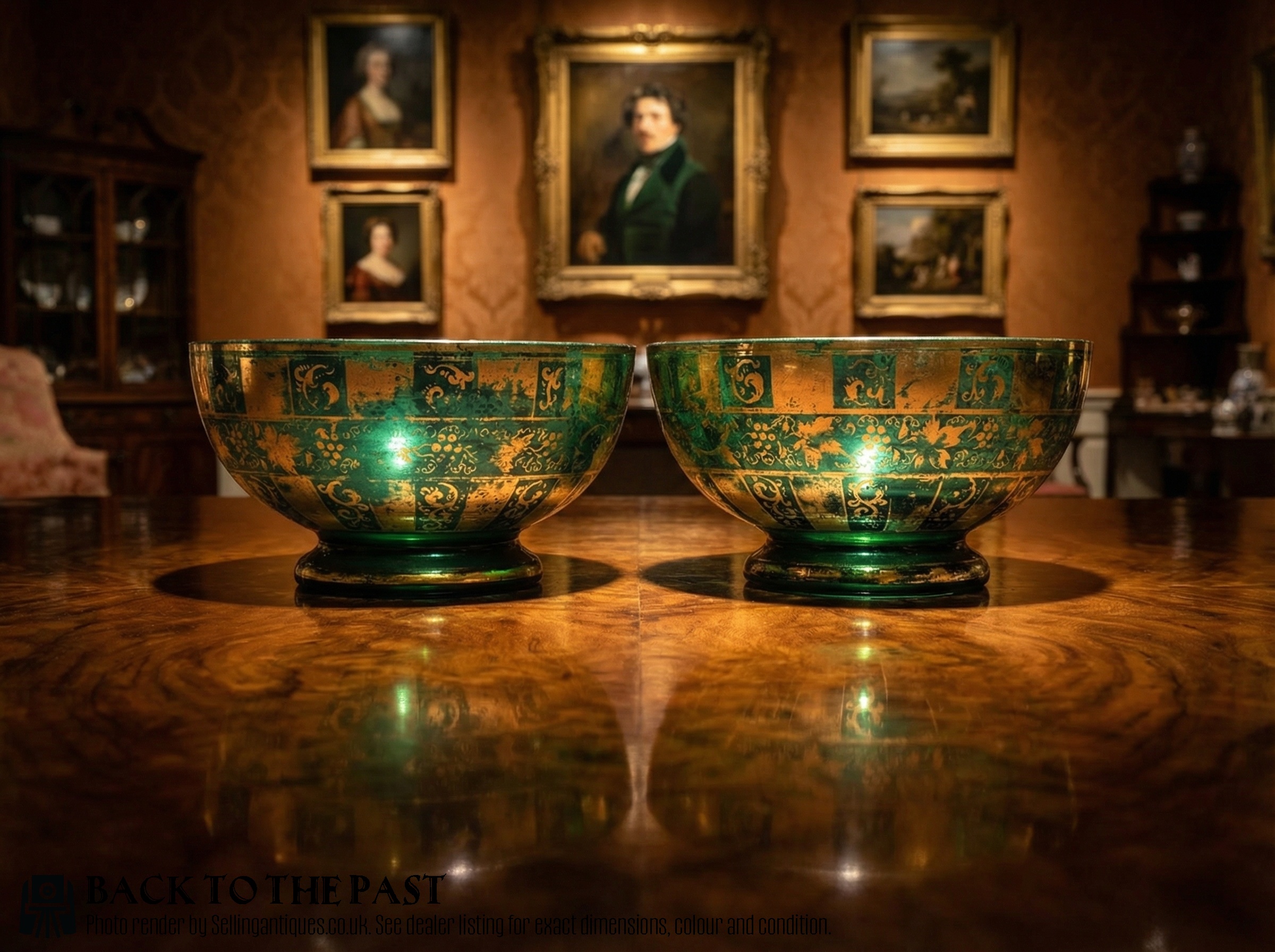
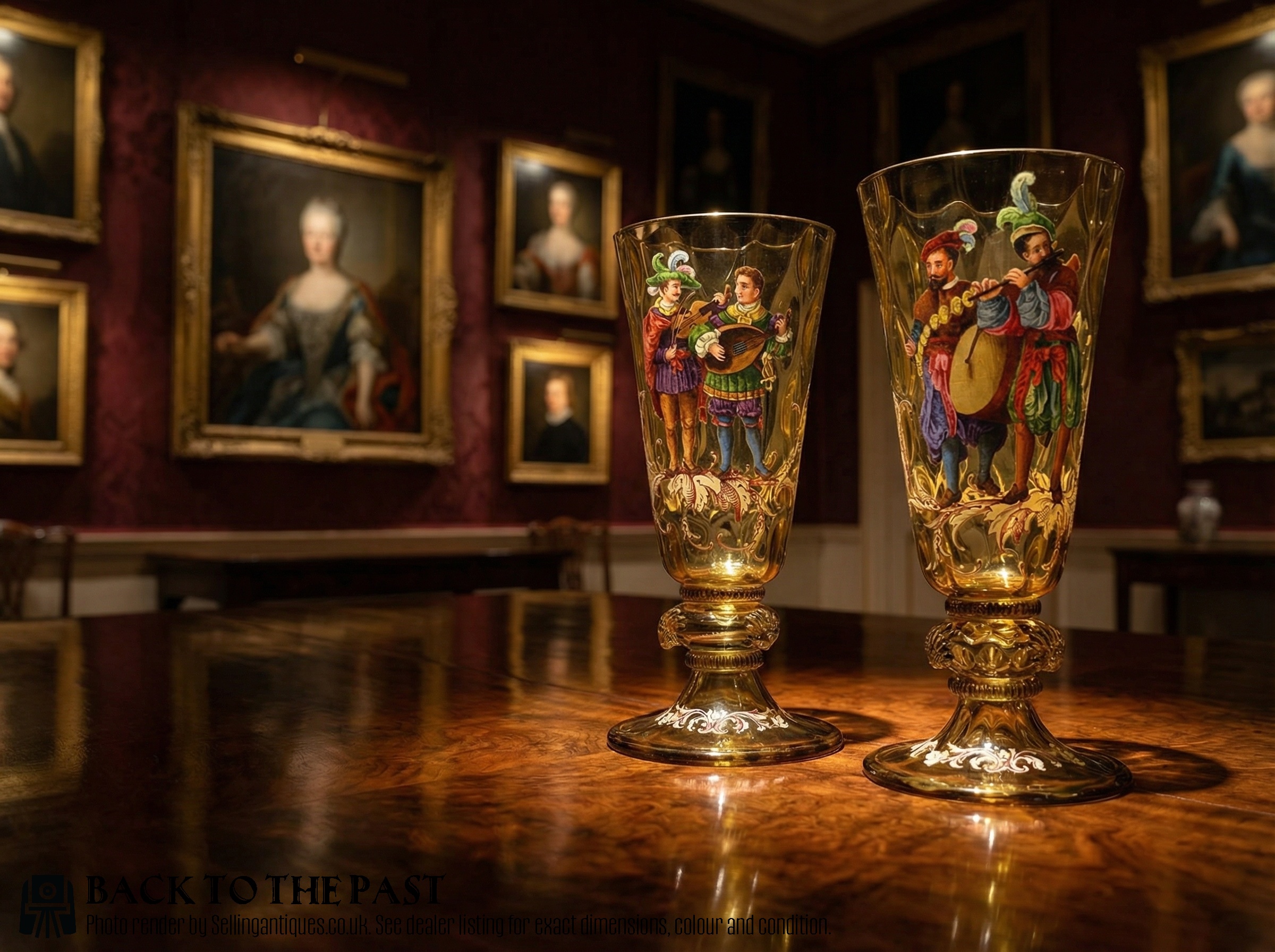
These heavy, coloured and gilded vessels are antique bohemian glassware, prized for their rich enamelling and distinctive blown glass forms.
Antique Bohemian Glassware
When you search for antique bohemian glassware, you encounter a diverse range of objects originating from Central Europe across the nineteenth and early twentieth centuries. The selection on this page centres on functional and decorative items, including vases, decanters, wine glasses, bowls and tea sets.
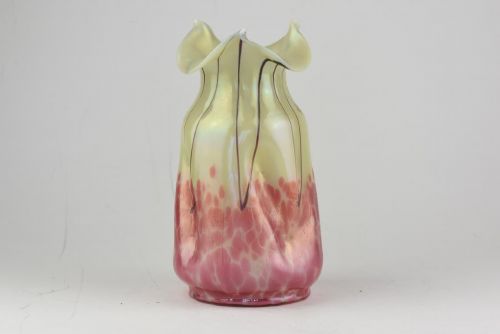
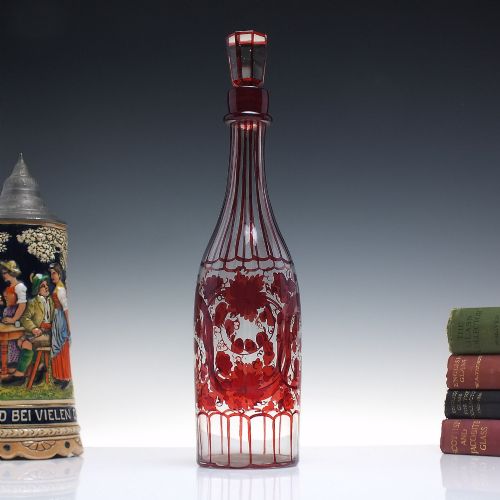
Vases and decanters dominate the forms, frequently rendered in striking shades of ruby, cobalt blue, cranberry, amber and green. Collectors also encounter specialised pieces such as liquor stands, beakers, ewers and tazzas reflecting Victorian, Art Nouveau, Art Deco and Biedermeier tastes.
How they were made
The pieces rely on hand-blown glass techniques, shaped while molten to create vessels like roemers, goblets and vases. Artisans utilised coloured glass bodies, incorporating layers of ruby, cobalt or amber during the initial formation stage.
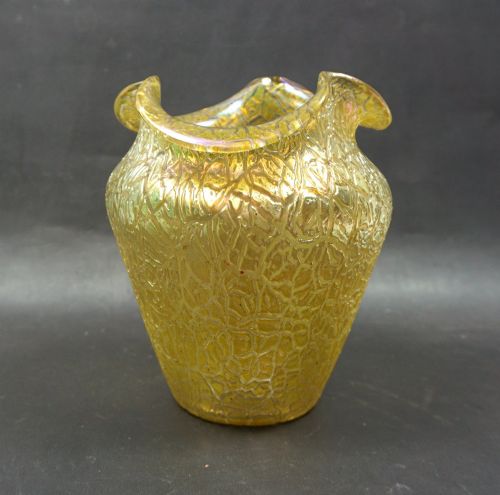
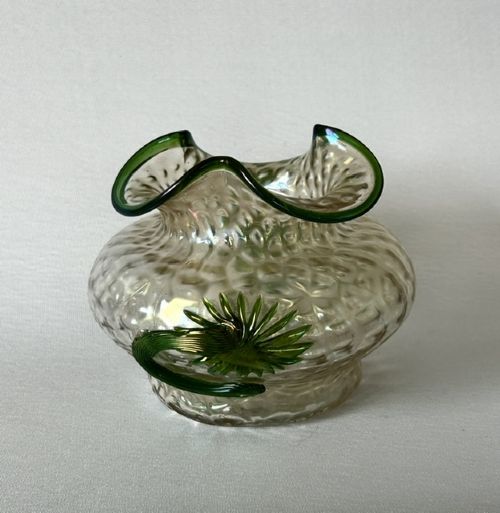
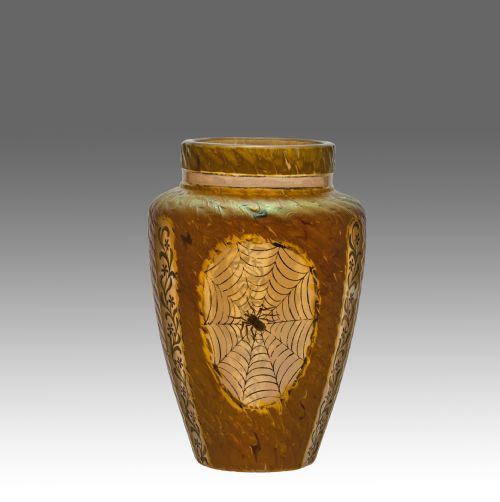
Decoration involved intricate engraving, etching, and the application of gold leaf alongside hand-painted enamels. Workshops also produced iridescent surfaces and applied elements like glass snakes to achieve distinct textural effects.
Antique Bohemian Glassware Retail Price Guide 2026
Typical asking prices for bohemian glassware among the pieces listed under this phrase on Sellingantiques today, from the lower quarter to the upper quarter. They describe what is for sale here now, not the wider market.
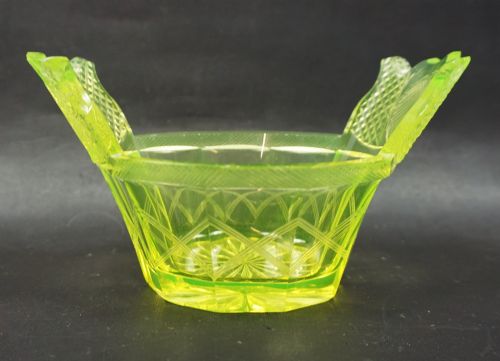
Listings feature glass forms spanning Victorian, Art Nouveau, Art Deco, and Biedermeier styles, utilising materials like uranium glass and gold leaf.
What varies in quality
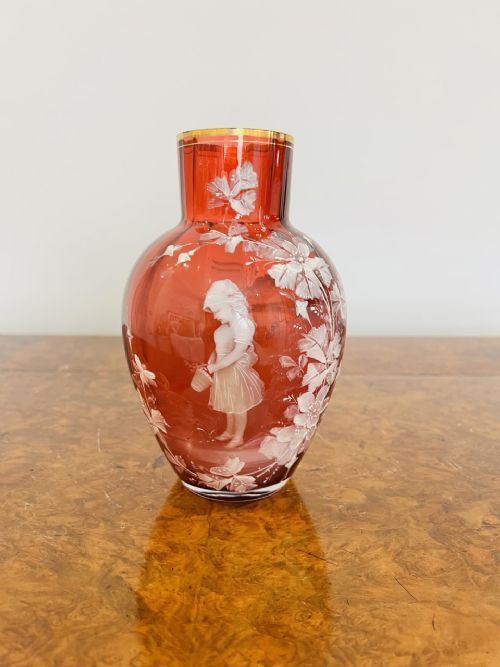
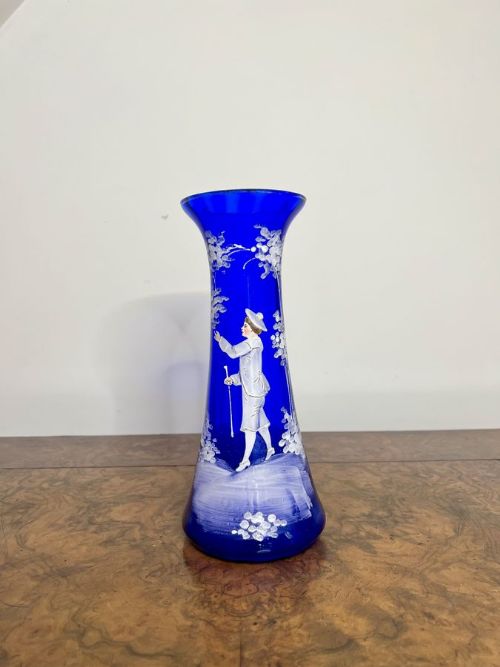
Quality rests upon the precision of the hand-engraving and the finesse of the polychrome enamelling applied to the glass surface. Superior pieces demonstrate crisp detail in figural scenes, such as Mary Gregory silhouettes or hunting motifs, executed with steady brushwork.
The application of gold leaf and gilding dictates the upper tier of the range, showing clean lines and minimal wear. Furthermore, the depth of colour in the glass body and the complexity of iridescent finishes separate standard items from exceptional examples.
Moser·Loetz·Pallme Konig·Kralik Glassworks·Karl Palda·Fritz Heckert·Lobmeyer
The Antique Bohemian Glassware Glossary
- Roemer
- A traditional Germanic wine glass featuring a large bowl atop a ribbed or studded stem. These often appear in green glass with engraved or enamelled detailing.
- Mary Gregory glass
- Glassware decorated with white enamel silhouettes of children amidst foliage, typically set against cranberry, blue or green glass.
- Iridescent glass
- Glass treated with metallic salts to produce a shimmering, rainbow-like sheen on the surface. This technique defined much of the Art Nouveau output.
- Tazza
- An ornate shallow cup or bowl mounted on a stem and foot, used historically for serving small items or simply as a decorative centrepiece.
- Enamelling
- The application of fused glass powder to the surface of a vessel for decoration. Skilled makers used polychrome enamels to depict armorials and landscapes.
Antique Bohemian Glassware: Frequently Asked Questions
How do I identify antique bohemian glassware?
Look for characteristic deep glass colours combined with hand-engraved patterns, gilding or polychrome enamel work. The periods span from the nineteenth century through the Art Deco era, reflecting distinct regional styles.
Examine the base and pontil mark where applicable, as hand-blown pieces often bear evidence of traditional manufacturing methods distinct from later mass-produced items.
What colours are most common?
Ruby red, cobalt blue, cranberry and deep green dominate the historical output, frequently accompanied by clear glass or amber tones. These rich hues served as a backdrop for elaborate gilding and enamelled scenes.
Art Nouveau and later Art Deco items also introduce iridescent surfaces, uranium glass variants, and softer pastel or pale green shades.
How were these pieces used historically?
Many items served practical functions in nineteenth-century dining and entertaining, including decanter sets, wine glasses, cordial sets and tea wares. Others functioned purely as decorative ornaments, such as large vases, ewers and centrepiece bowls.
Dining rooms and parlours displayed these colourful glass objects to showcase hospitality and refined taste during the Victorian period.