

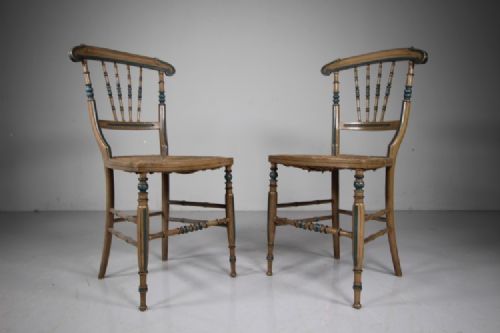


Antique Bobbin Side Chair
An antique bobbin side chair brings tactile turned wood and sturdy regional character to a room, offering both history and everyday utility.
Antique Bobbin Side Chair
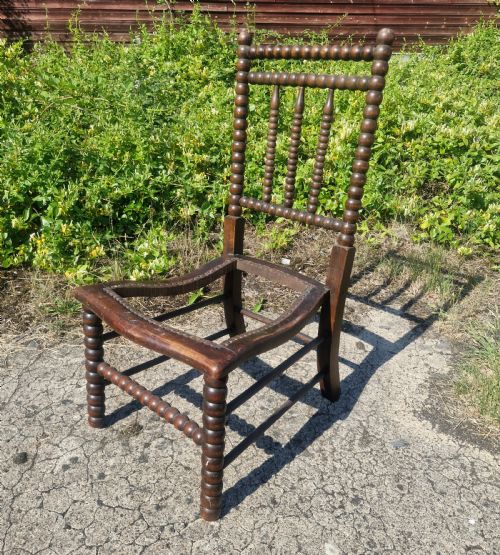
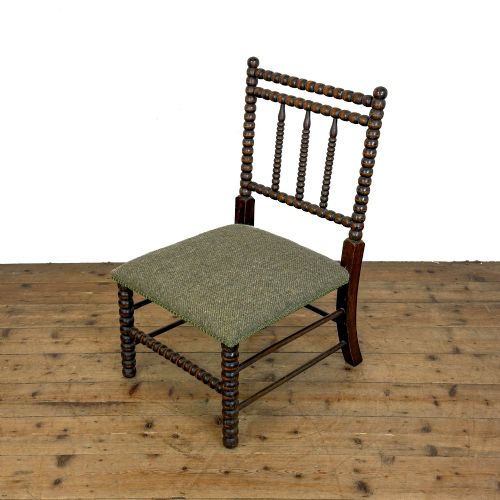
An antique bobbin side chair relies on distinctive turned wooden spindles resembling a string of spools, creating a rhythmic and decorative frame. These seating pieces appear across multiple periods, from seventeenth-century joined oak examples to nineteenth-century walnut and Victorian iterations.
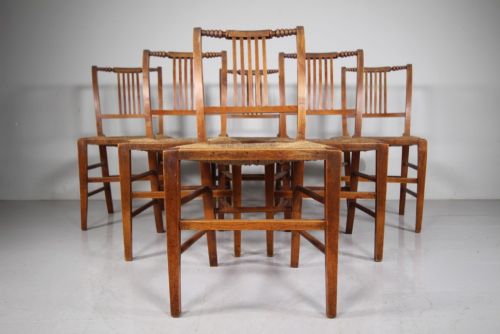
Buyers seeking this specific style most commonly encounter vernacular forms such as oak backstools, rush-seated dining chairs, or low bedroom chairs. The lineage stretches from seventeenth-century Jacobean origins through later revivals, maintaining the signature spool turning throughout.
Regional variations add further depth, with South Yorkshire, Lancashire, and Scottish examples demonstrating local joinery traditions. Whether formed as corner chairs, hall chairs, or dining sets, the core aesthetic remains rooted in turned structural woodwork.
What varies in quality
The crispness and uniformity of the spool turning define the visual success of the frame, showing the skill of the original turner. Sharp definition along the wooden beads separates finer workshop pieces from simpler vernacular production.
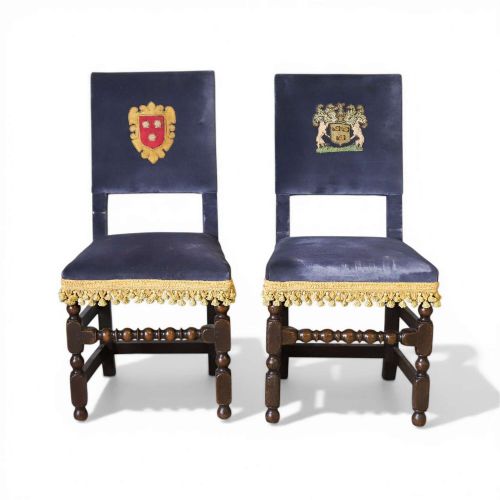
The integrity of the timber and the retention of original upholstery materials, such as early velvet or tapestry, influence the character of the survival. Matched sets and pairs demonstrate greater consistency in timber selection and joinery than assembled groups.
The Antique Bobbin Side Chair Glossary
- Bobbin turning
- A form of woodturning that creates a series of rounded, spool-like shapes along a length of timber. This decorative technique forms the defining structural feature of the chair frame.
- Back stool
- An early form of seating without arms, essentially an upholstered or wooden chair designed for dining or chamber use. These pieces often feature upright backs supported by turned stiles.
- Joined oak
- Furniture construction utilising closely fitted mortise and tenon joints secured with wooden pegs. This method precedes modern fixings and provides rigid stability to early timber frames.
- Rush seat
- A seating surface woven from dried marsh grasses twisted into cords. It offers a resilient and traditional platform found on many regional country chairs.
Antique Bobbin Side Chair: Frequently Asked Questions
What periods do these chairs come from?
These seating pieces span several centuries, appearing in seventeenth-century formats like joined oak backstools and later nineteenth-century Victorian revivals. The turned spool motif recurs across different eras rather than belonging to a single decade.
Earlier iterations often show regional English or Scottish origins, while later examples embrace nineteenth-century aesthetic revivals in diverse woods.
How were bobbin chairs used originally?
Historically, these chairs served as functional seating in parlours, bedrooms, and dining spaces. Smaller low seat versions suited chamber use, while sturdy side and corner chairs accommodated general household activities.
Dining sets provided seating around communal tables, whilst single armchairs and backstools occupied prominent positions in halls and parlours.
Are these chairs comfortable for daily seating?
The comfort depends largely on the original seat construction, whether firm wooden plank, woven rush, or padded upholstery. Low bedroom variants and upholstered examples offer softer seated experiences compared to rigid timber backs.
Modern daily use is entirely practical provided the underlying frame joints remain secure and stable.
How do I distinguish early bobbin turning from later revivals?
Early seventeenth-century turnings often display hand-carved irregularities and dense native oak patination acquired through centuries of handling. Nineteenth-century revival pieces typically exhibit machine precision and softer woods such as walnut or elm.
Examining the construction methods beneath the seat helps clarify whether the piece belongs to the seventeenth century or the Victorian revival period.