



Dark Oak Bobbin Chair
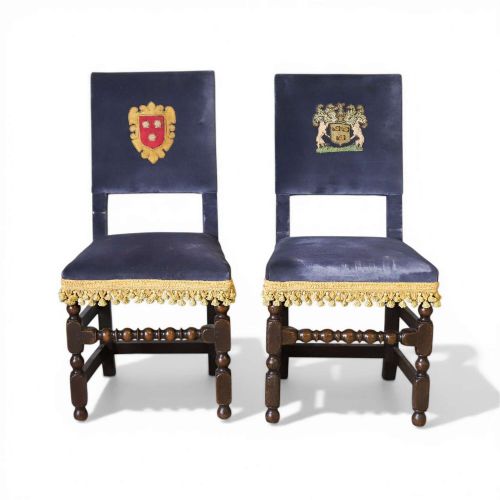
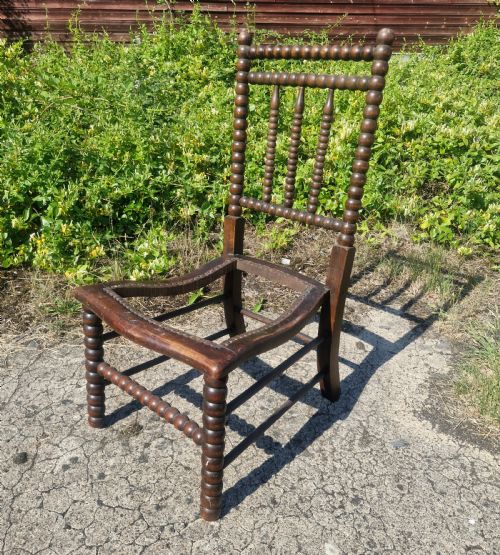
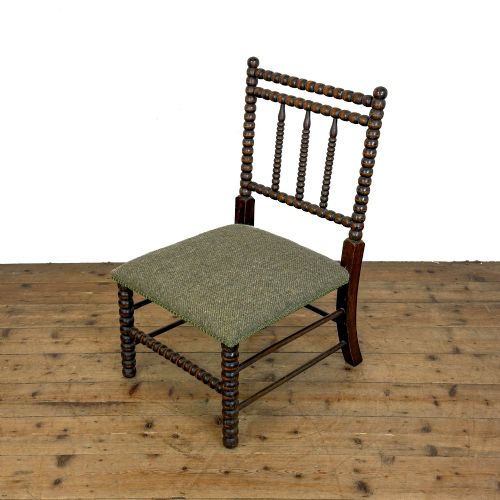
A dark oak bobbin chair brings tactile turned spindles and sturdy timber into a room, offering both robust support and distinct seventeenth-century character.
Dark Oak Bobbin Chair
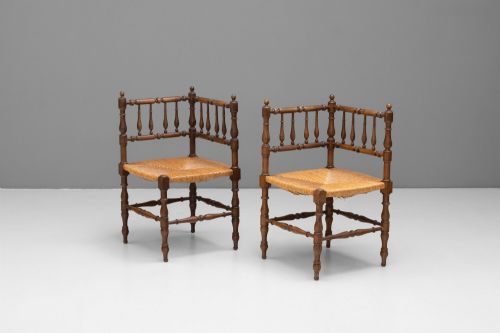
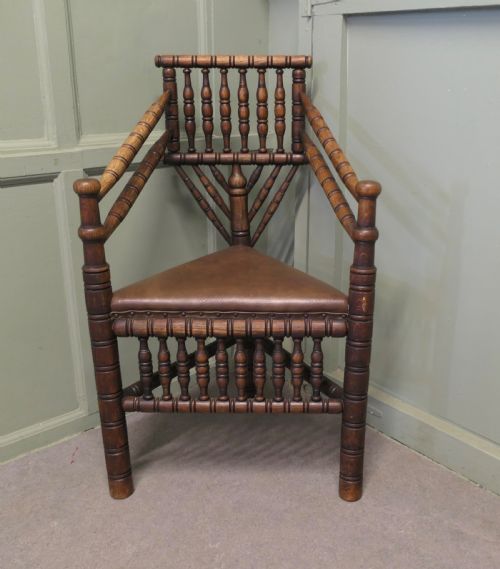
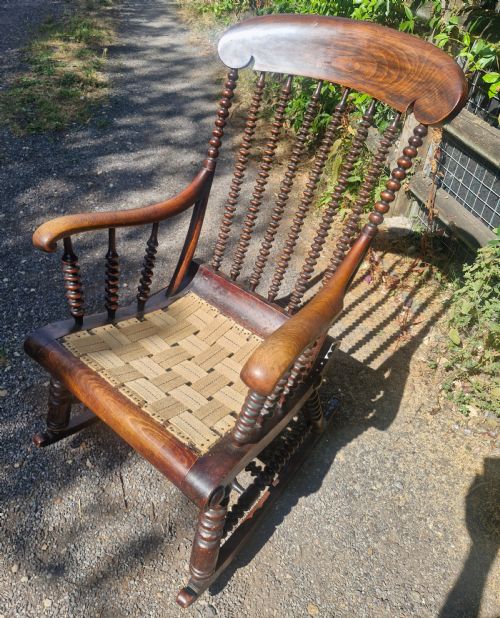
A dark oak bobbin chair is defined by its characteristic spool-turned framing, drawing heavily on seventeenth-century traditions and nineteenth-century revivals. When searching for a dark oak bobbin chair, buyers encounter various forms ranging from low bedroom seats to open armchairs and rocking chairs.
The selections span distinct eras, notably the nineteenth century and Victorian revivals alongside original seventeenth-century pieces. Common regional variations include Scottish vernacular pieces and English country examples constructed with sturdy joined timber.
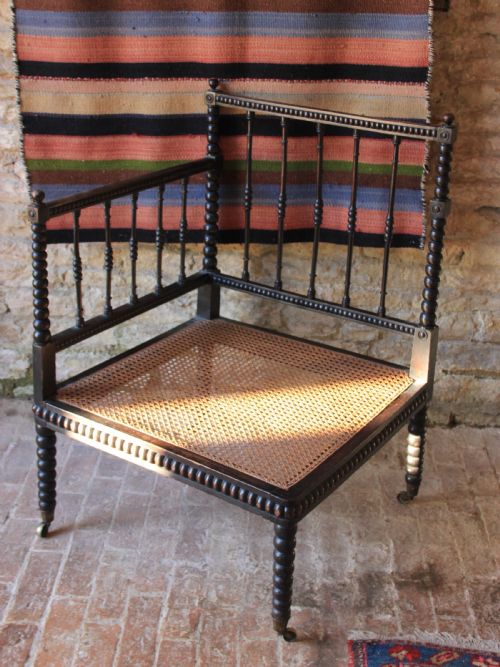
Armchairs, side chairs and corner chairs dominate the available forms, often retaining low seats and turned uprights. These seating pieces function equally well as standalone accent items or paired seating in study spaces.
Materials and Construction
Construction relies primarily on solid oak, shaped into spool or bobbin turnings using a lathe before being joined with pegged mortise and tenon joints. Secondary materials such as beech appear in specific frames, while surfaces often display an ebonised finish or rich dark patination.
Upholstery varies from exposed wooden slats and cane seats to additions of leather, velvet, and woven rush. Brass tacks and textile cushions frequently complement the dense timber frames.
Victorian manufacturers loved these turning patterns so much they marketed identical heavy elbow seats under various romantic names including old Saxon and Warwick chairs.
Quality and Construction Integrity
Distinction in quality rests upon the crispness of the bobbin turnings and the tightness of the original joints. Superior examples maintain structural rigidity without excessive replacement timber in the primary frame.
The depth of the natural patina on the oak and the preservation of early surface treatments elevate certain pieces above later reproductions. Original upholstery provisions, such as early leather or rush seating, also influence the standing of an individual chair.
The Dark Oak Bobbin Chair Glossary
- Bobbin turning
- A form of woodturning characterised by a series of cylindrical swellings resembling spools or bobbins threaded onto a string. This decorative technique defines the entire frame of the chair.
- Turners chair
- An early form of armchair constructed entirely from turned wooden members intersecting at joints. These are sometimes referred to in nineteenth-century contexts as old Saxon chairs.
- Backstool
- A seventeenth-century term for an upholstered or panel-backed chair without arms, intended for dining or general household use.
- Wainscot chair
- A heavy wooden armchair from the seventeenth century featuring a panelled wooden back and solid seat construction. They represent the height of joined furniture craftsmanship.
- Patina
- The deep surface sheen developed on wood through decades of handling, polishing, and natural oxidation. A rich patina indicates considerable age and careful maintenance.
Dark Oak Bobbin Chair: Frequently Asked Questions
Are bobbin chairs comfortable to sit in?
Most antique bobbin chairs feature upright wooden seats or low elbow rests designed for posture rather than deep lounging. Adding a small cushion or pad makes them suitable for regular use at a desk or in a corner.
Heavier armchair variants provide solid back support through their turned spindles, though their rigid wooden construction lacks modern cushioning.
How do I distinguish a seventeenth-century piece from a Victorian revival?
Original seventeenth-century pieces display hand-riven timber, early joinery methods, and natural wear patterns accumulated over centuries of use. Tool marks left by pit saws and primitive lathes offer key diagnostic clues.
Victorian revivals often utilise more uniform machine turning and standardised sizing while imitating earlier Jacobean styles. Examining the underside and interior joints usually reveals the true age of the timber.
What rooms suit a bobbin turned chair?
These chairs fit well in studies, hallways, and living rooms where their sculptural turned frames can be viewed from multiple angles. Their compact footprints make them practical as accent seating beside bookcases or fireplaces.
Low bedroom versions work particularly well in dressing rooms or narrow spaces requiring characterful furniture without excessive bulk.
How should I care for dark oak and rush or cane seats?
Protect the timber by applying traditional beeswax periodically to nourish the surface and maintain the dark lustre of the oak. Avoid placing the furniture near direct heat sources that could dry out the wood.
Cane and rush seating requires gentle dusting and occasional light moisture to prevent the natural fibres from becoming brittle over time.