


Antique Bedroom Chair Frame
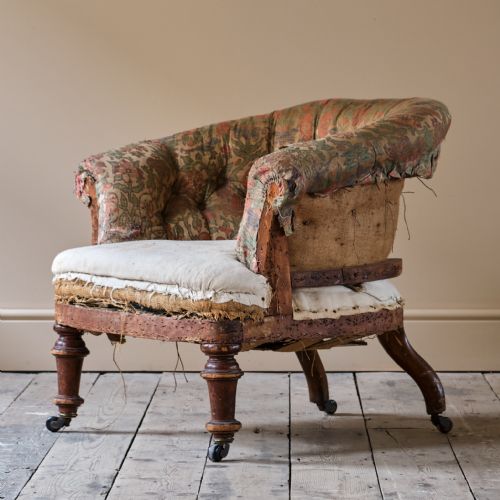
An antique bedroom chair frame offers a solid timber foundation ready for reupholstery, bringing period character directly to a private dressing room.
Antique Bedroom Chair Frame
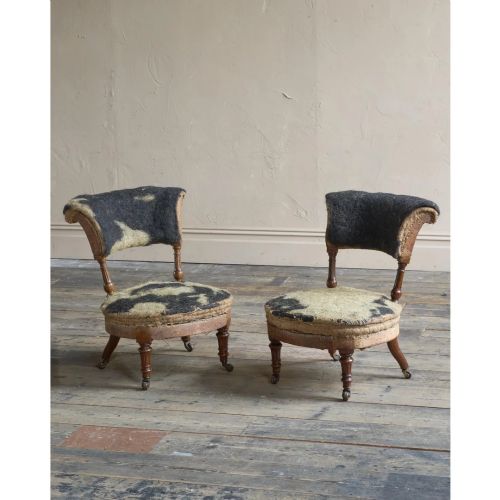
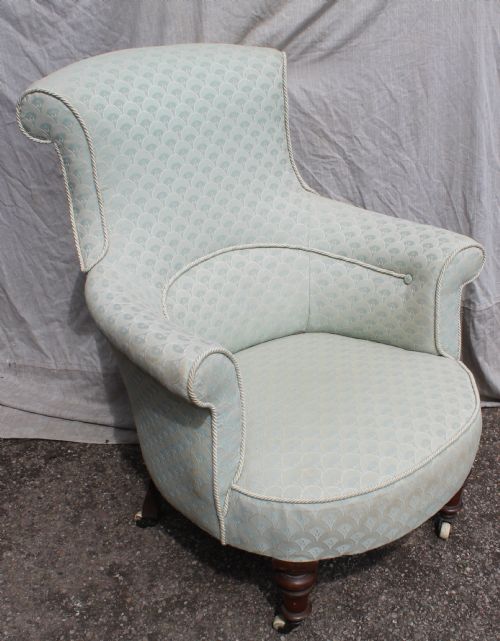
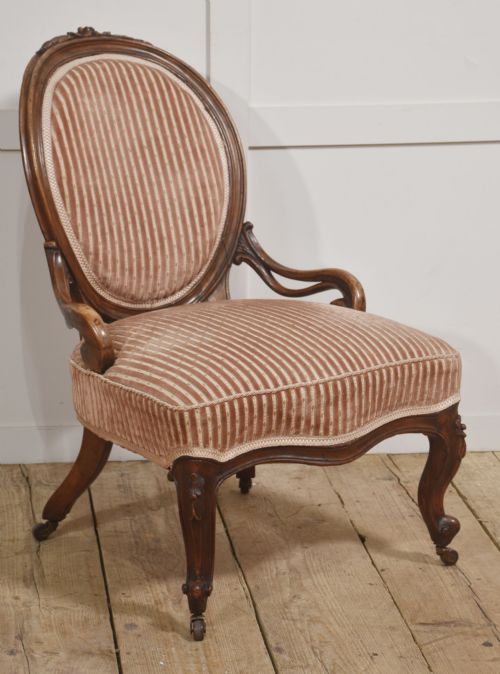
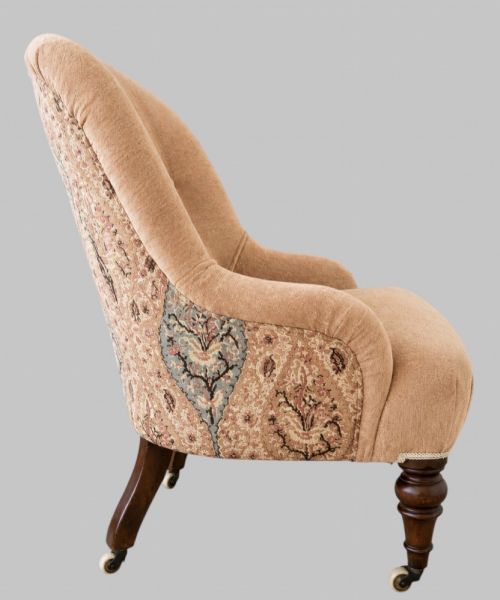
When searching for an antique bedroom chair frame, you encounter Victorian and Edwardian seating built in walnut, mahogany, and rosewood. These pieces span the nineteenth and early twentieth centuries, including low-slung nursing chairs, compact tub backs, and open armchairs designed specifically for private chambers and dressing rooms.
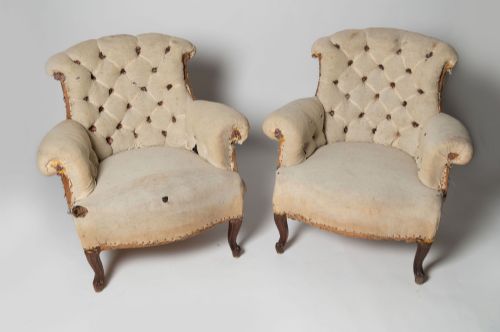
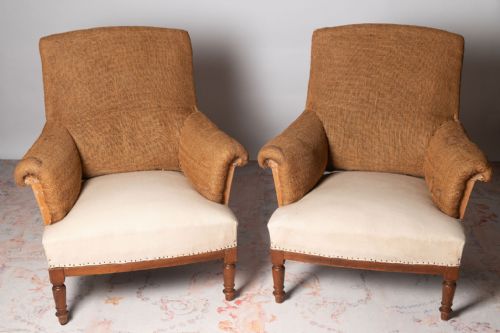
The most common examples on this page are Victorian mahogany and walnut frames, often featuring low seats intended for dressing or nursing infants. Many retain their original structural wooden frames while lacking modern padding and top covers, or displaying old velvet, leather, and cotton textiles that require renewal.
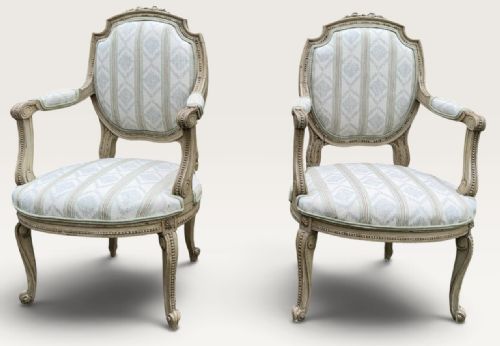
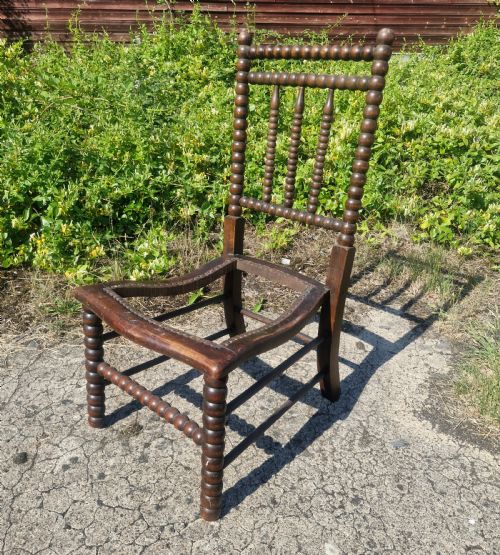
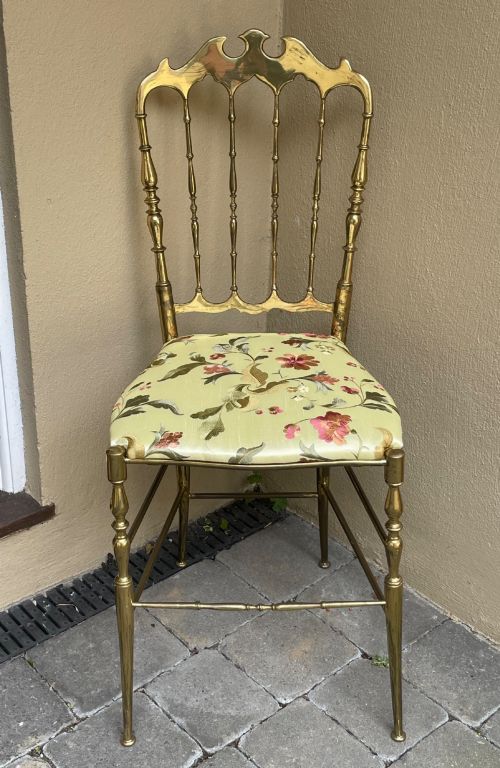
The selection ranges from simple bobbin-turned or barley-twist beech frames to elaborate Louis XVI style giltwood armchairs and French walnut salon pieces. Alongside dedicated bedroom chairs, you find related seating forms like slipper chairs, corner chairs, and vanity seats sharing similar compact proportions.
Materials and Construction
Cabinetmakers constructed these frames using dense hardwoods including mahogany, walnut, rosewood, and beech, selecting each timber for its strength and grain pattern. Iron components also appear in structural iron-back framing, providing rigid support for buttoned upholstery.
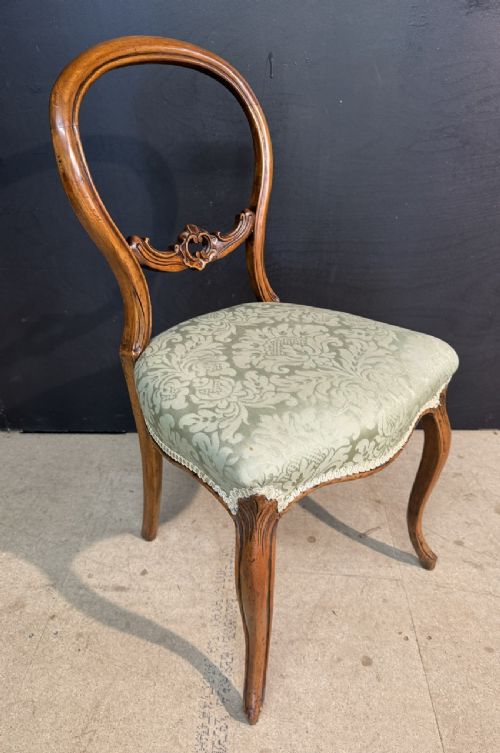
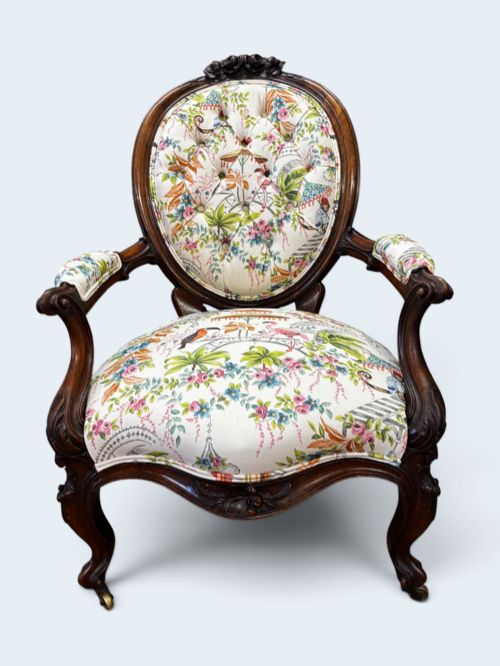
Carving, gilding, and ebonising define the decorative surface treatments, paired with traditional joinery to secure cabriole legs, open arms, and X-frames. Frames often utilise brass castors for mobility on carpets, while exposed woodwork displays hand-carved motifs ranging from French rococo curves to British vernacular turnings.
Listings feature 19th Century, Victorian, Edwardian, and early 20th Century periods, constructed in walnut, mahogany, rosewood, beech, and iron.
Distinctions in Quality
The distinction between standard commercial production and finer work lies in the depth and crispness of the timber carving and the architectural balance of the show frame. Superior walnut and mahogany frames exhibit harmonious proportions, tight joinery, and refined details such as barley-twist turnings or delicate gilt decoration.
Origin and stylistic ambition separate simple vernacular pieces from high-style metropolitan examples, such as carved giltwood French armchairs or detailed rosewood nursing seats. The integrity of the underlying hardwood skeleton determines longevity, distinguishing robustly fashioned frames from lighter utility pieces.
Robert Kime Avebury Fabric
The Antique Bedroom Chair Frame Glossary
- Nursing chair
- A low-seated armchair designed in the Victorian period for comfortable feeding or dressing, often featuring an iron or wooden supportive back. These chairs sit closer to the floor than standard parlour seating.
- Show frame
- An exposed wooden structural skeleton where the polished timber forms a decorative border around the upholstered areas. These frames display carved details on the crest rail and cabriole legs.
- Tub chair
- An enclosed armchair with a curved, continuous back and armrest forming a semi-circular enclosure. This design provides snug support and compact dimensions suitable for smaller rooms.
- Barley twist
- A type of decorative turning resembling a twisted rope, carved into wooden furniture legs and stretchers. Popular during the Victorian era, it adds vertical rhythm to chair supports.
- Cabriole leg
- A furniture leg that curves outward at the knee and tapers inward toward the foot, inspired by animal limbs. This form appears frequently on mid-nineteenth-century seating.
Antique Bedroom Chair Frame: Frequently Asked Questions
What is an antique bedroom chair frame?
An antique bedroom chair frame is the exposed wooden skeleton of a nineteenth or early twentieth-century chair designed for private quarters. These frames lack finished modern upholstery, presenting bare wood and webbing ready for restoration.
They encompass low nursing chairs, slipper chairs, and small armchairs made from timbers like walnut, mahogany, and beech.
How do I choose fabric for a frame?
Selecting fabric depends on the historical period and scale of the chair frame, balancing durability with aesthetic authenticity. Traditional choices recorded in the evidence include velvet, leather, and patterned textiles.
Heavier weaves suit sturdy Victorian iron-back frames, while lighter silks or printed cottons complement French giltwood and walnut salon pieces.
Were these chairs meant for bedrooms?
Yes, many nineteenth-century chairs were specifically proportioned for dressing rooms, boudoirs, and bedrooms rather than formal reception spaces. Low seats facilitated dressing hair or putting on shoes, while tub backs offered private comfort.
Makers also produced matching bedroom chairs to coordinate with large French and English bedstead suites.
How do I date a chair frame?
Dating relies on identifying stylistic markers, timber choices, and construction methods characteristic of specific decades. Mid-nineteenth-century pieces often feature mahogany with simple turnings, while later Victorian and Edwardian examples introduce iron-backing, ebonised finishes, or X-frame geometry.
French influences shift from early Victorian rosewood to Louis XVI revival giltwood towards the end of the century.