



Traditional Wooden Bedroom Seat
These traditional wooden bedroom seat pieces bring genuine period character to a home, offering the exact blend of utility and craftsmanship collectors want.
Traditional Wooden Bedroom Seat
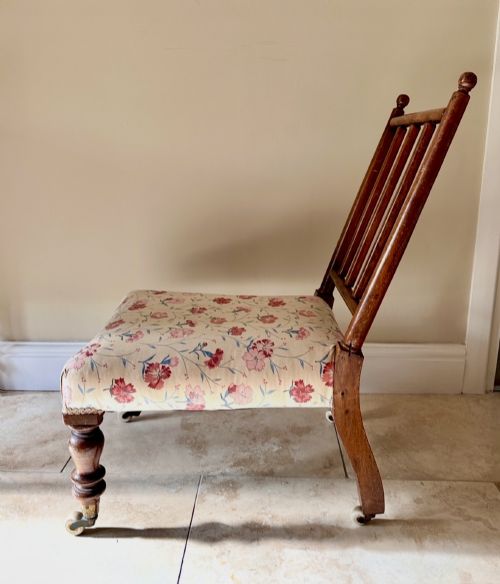
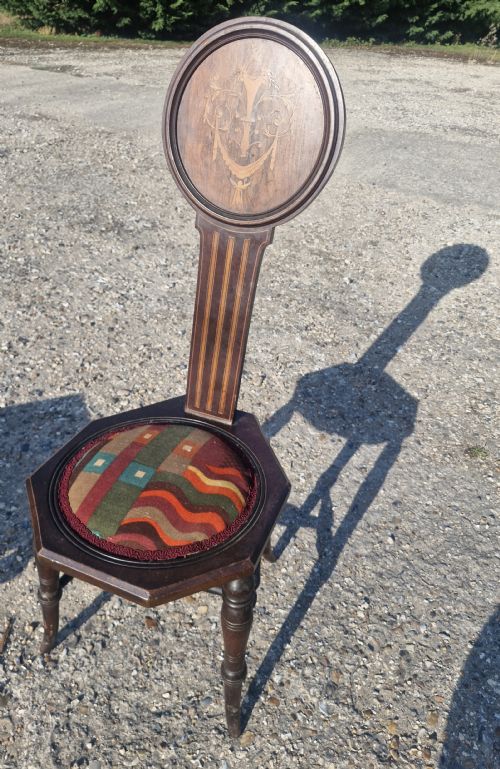
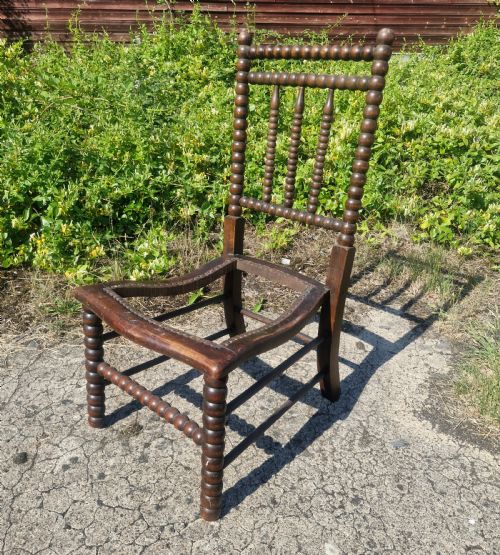
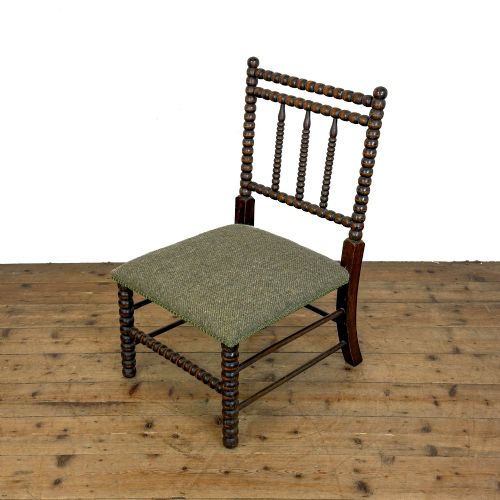
A traditional wooden bedroom seat covers a range of practical seating forms designed for private chambers, spanning from the eighteenth century through to the Edwardian era. Buyers seeking a traditional wooden bedroom seat will encounter varied chair types, including low seat bobbin framed examples, elbow chairs, spindleback armchairs, and duet stools.
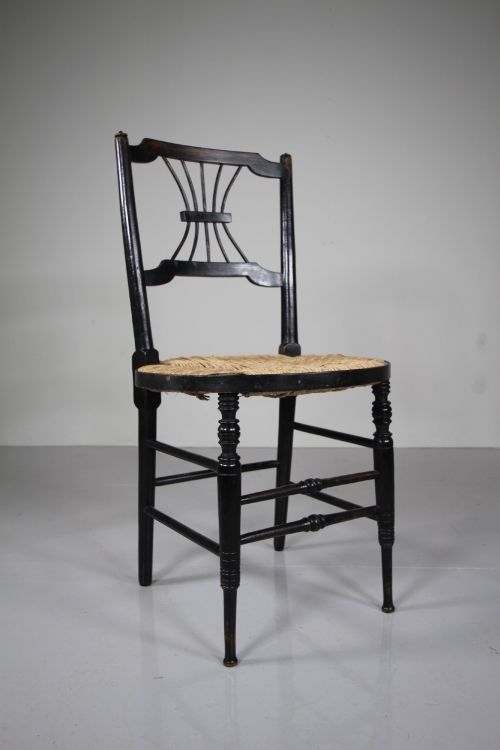
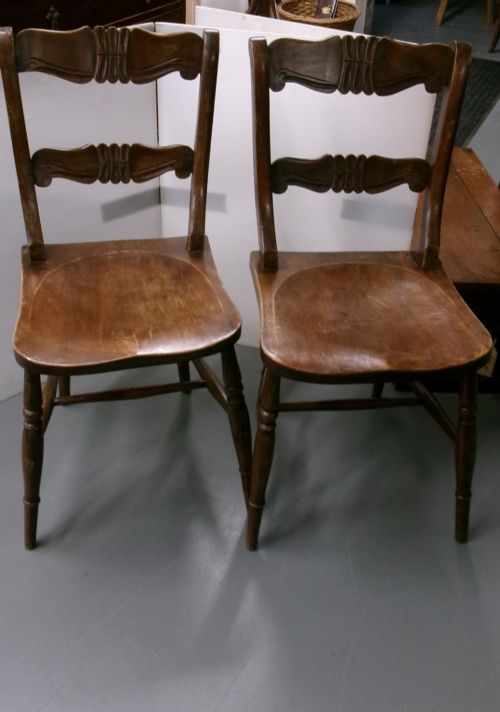
The selection includes pieces originating from distinct stylistic movements, notably Arts and Crafts, Aesthetic Movement, and various regional country traditions. Makers utilised local hardwoods and imported timber to construct functional furniture intended for daily domestic use in bedrooms, halls, and dressing rooms.
Materials and construction methods
Makers constructed these seats using solid timber frames in mahogany, walnut, oak, and ebonised beech, often employing turned wood elements like bobbins and spindles. Joinery techniques relied on traditional pegged and jointed construction to ensure stability in everyday seating.
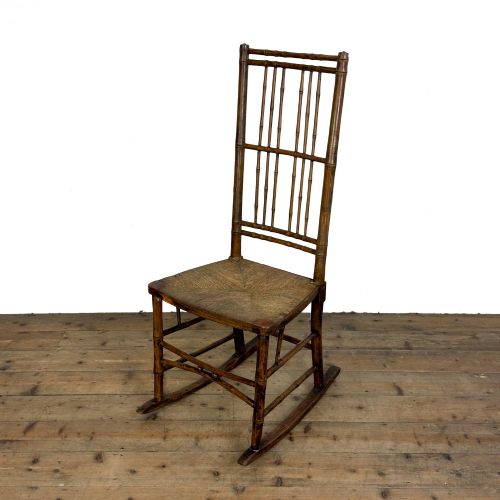
Upholstery and seating surfaces incorporated materials such as woven rush and neutral linen fabric coverings. Faux bamboo finishing also appears among the documented techniques used to decorative effect on specific Victorian frames.
Traditional Wooden Bedroom Seat Retail Price Guide 2026
Typical asking prices for traditional wooden bedroom seat among the pieces listed under this phrase on Sellingantiques today, from the lower quarter to the upper quarter. They describe what is for sale here now, not the wider market.
Some nineteenth-century makers went to great lengths to steam and carve ordinary beechwood until it perfectly impersonated exotic bamboo.
Judging quality in traditional wooden bedroom seats
Quality rests upon the crispness of the woodturning, the integrity of the timber framing, and the fidelity of the period style. Superior examples display careful proportion and harmonious integration of turned components, whereas simpler utilitarian pieces prioritise straightforward function over ornamentation.
The preservation of original surface patination and the quality of recovered textile work influence the overall character of each piece. Differences in timber selection, from native hardwoods to finer imported mahogany and walnut, distinguish regional vernacular work from metropolitan production.
William Morris
The Traditional Wooden Bedroom Seat Glossary
- Bobbin chair
- A type of seating characterised by turned wooden framing resembling a series of bobbins or spools. This decorative turning style gained popularity during the nineteenth century.
- Spindleback
- A chair back constructed with numerous thin, turned wooden vertical rods. These rods provide back support while keeping the upper frame visually light.
- Elbow chair
- An armchair featuring shorter arms designed specifically to support the elbows rather than extend to full-length armrests. Such proportions suited compact bedroom spaces.
- Duet stool
- A double-width seating bench designed to accommodate two people side by side, frequently utilised at a piano or dressing table.
- Faux bamboo
- A decorative finish where wood is carved or painted to imitate natural bamboo stalks. This technique reflects nineteenth-century interest in exotic design themes.
Traditional Wooden Bedroom Seat: Frequently Asked Questions
What is a bedroom chair?
A bedroom chair is a compact seating form designed historically for private dressing rooms and chambers rather than principal reception rooms.
These pieces typically feature lower seats or lighter frames to facilitate comfortable dressing and personal grooming.
Where were bedroom seats used?
They were positioned primarily in bedrooms, dressing rooms, and private boudoirs for practical daily tasks.
Some variants, such as hall benches or window seats, also served transitional spaces near entryways and landings.
Are these seats comfortable for daily use?
Most period examples offer firm support suitable for reading, dressing, or brief periods of rest. Many surviving pieces feature modern upholstery recovery in linen to ensure practical everyday usability.
Low seat heights and open arm designs prioritise ease of movement over deep lounging.