

Antique Bobbin Leg Table
An antique bobbin leg table brings tactile seventeenth-century turning and sturdy oak or rosewood into a modern room.
What an antique bobbin leg table is
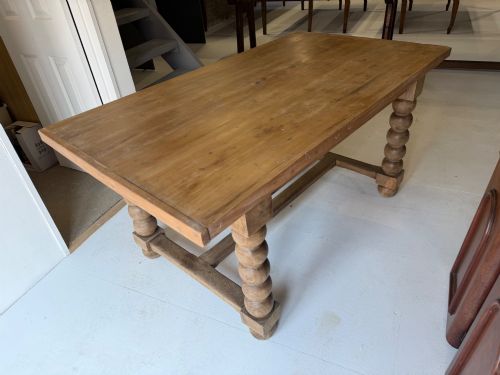
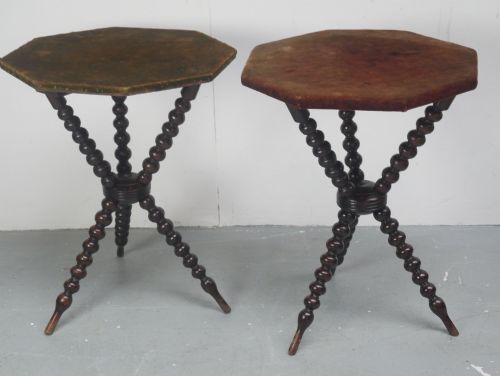
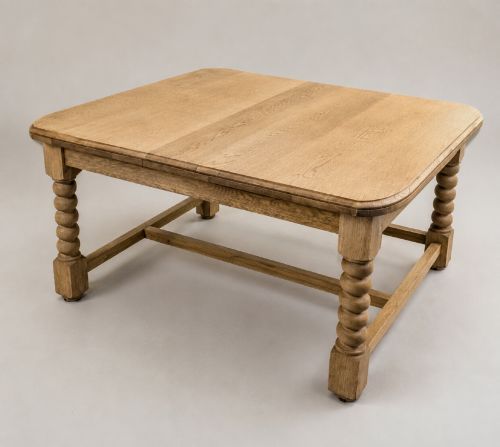
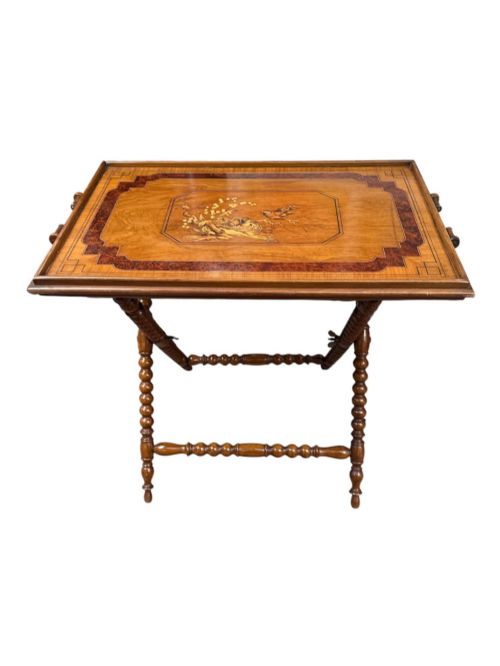
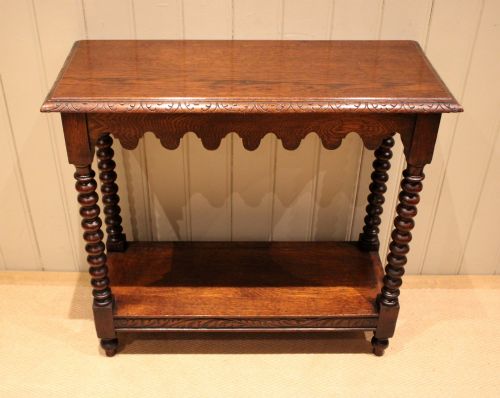
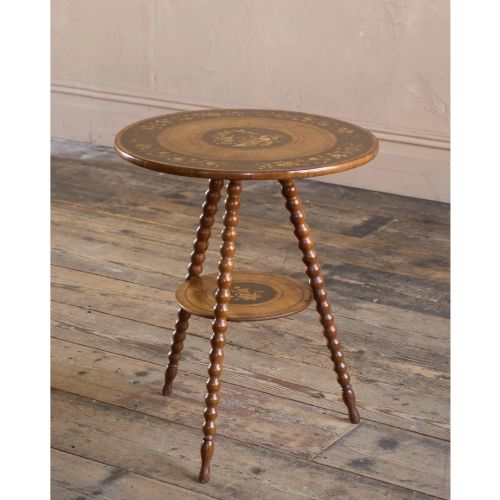
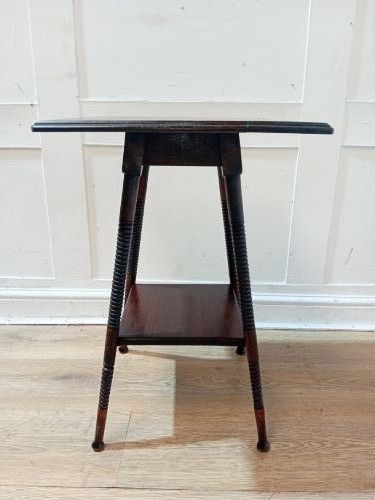
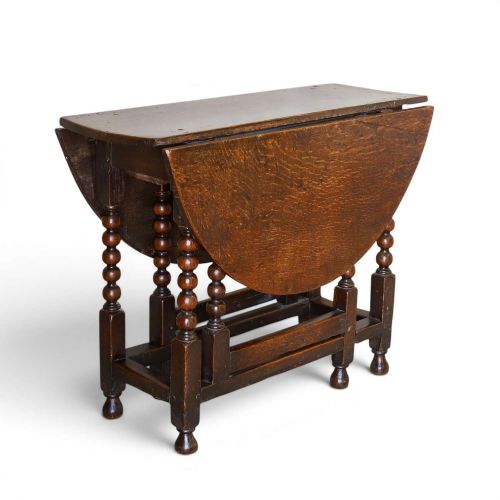
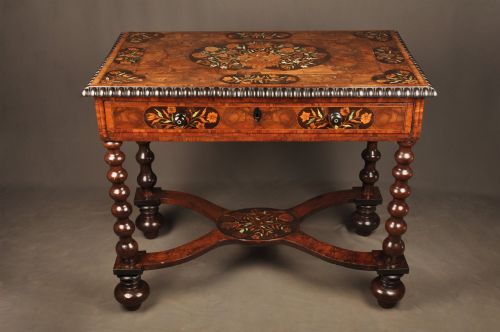
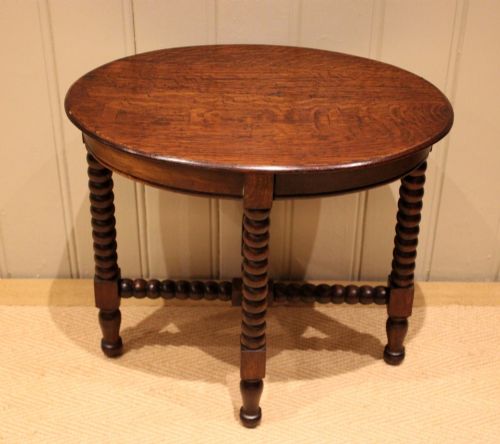
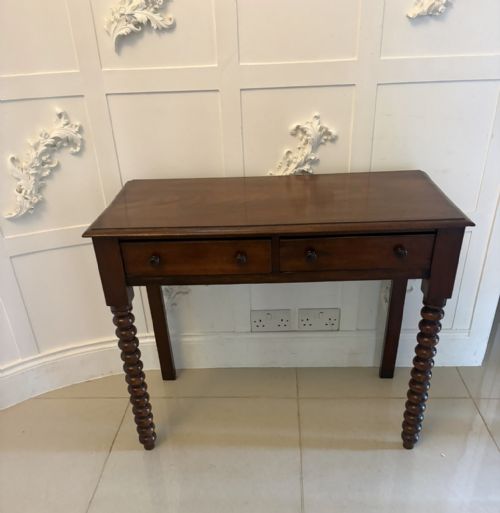
An antique bobbin leg table is defined by its characteristic spool-turned supports, which appear across various forms including side tables, gateleg tables, hall tables, dining tables, and centre tables. These pieces span periods from the seventeenth century and the seventeen-fifties through to the Regency era and the Victorian period.
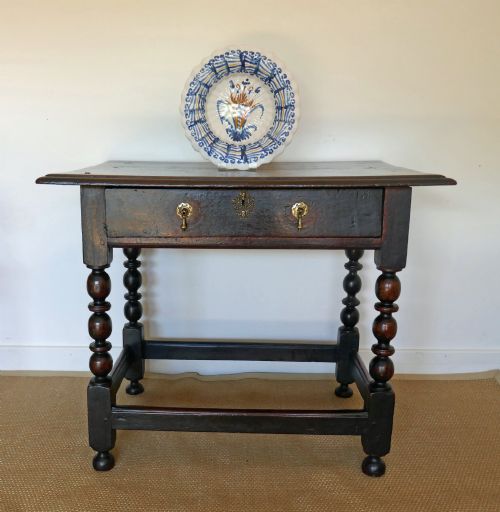
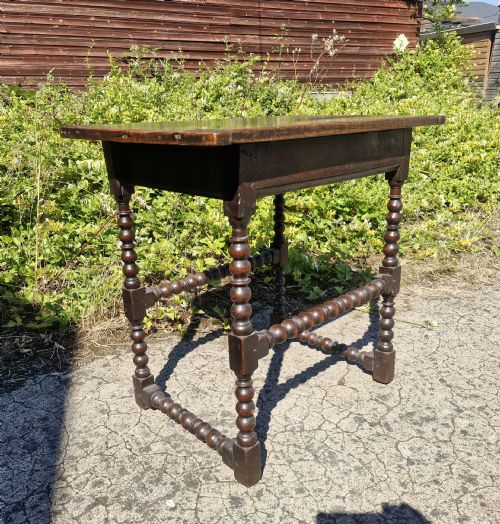
The most common version to meet on this page is the oak side table or gateleg drop-leaf table, rooted in seventeenth-century English styles and rustic farmhouse traditions. Alongside these, buyers encounter rosewood centre tables and later Victorian examples.
The practical forms range from small side pieces designed for compact spaces to large drop-leaf gatelegs and dining tables intended for functional everyday use. Each variant demonstrates how domestic furniture evolved while retaining the spool-turning technique.
Materials and construction
The primary timber recorded in the evidence is oak, supplemented by rich rosewood in Regency pieces and occasional brass details. Cabinet makers shaped these dense hardwoods using hand tools to create both structural frames and drop leaves.
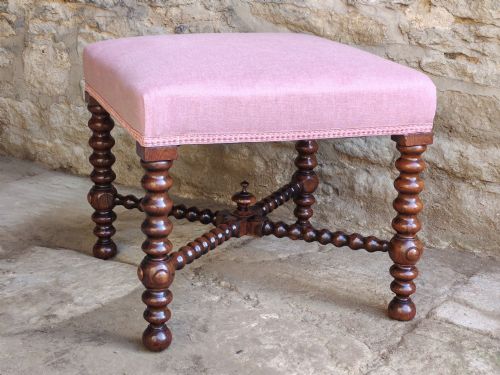
The distinct bobbin or spool turnings were produced on a lathe, shaping solid wood into symmetrical rounded sections that mimic a string of bobbins. These turned elements form the legs and stretchers, joined securely to support the tops of side and gateleg tables.
Retail Price Guide 2026
Typical UK retail prices for bobbin leg table, calculated from the Sellingantiques database of over a million retail prices indexed since 2003. This retail price guide relies exclusively on Sellingantiques data; no external sources or auction records are used, so the figures do not describe the wider market.
The documented periods span the seventeenth century, the seventeen-fifties, the Regency era, and the Victorian period.
Distinctions in quality
Quality in these tables rests upon the crispness of the lathe turning and the selection of timber, where tightly figured oak or rich rosewood elevates the piece above plain utility. The proportion between the slender turned supports and the heavy top dictates the visual balance.
Construction methods also separate standard domestic items from superior examples, particularly the complexity of folding mechanisms in gateleg and coaching tables and the integrity of early joinery. Pieces that retain their original timber surfaces show greater historical coherence.
The Antique Bobbin Leg Table Glossary
- Bobbin turning
- A form of lathe work producing a series of rounded, spool-like swellings along the length of a leg or stretcher. This decorative turning is the defining feature of the style.
- Gateleg table
- A drop-leaf table featuring swinging legs that pull out to support the extended leaves. It provides a large surface area while folding down compactly.
- Side table
- A small functional table designed to stand against a wall. These items served various utilitarian purposes in historic domestic interiors.
- Centre table
- A freestanding table designed to be viewed from all sides, often placed in the middle of a room. Regency examples frequently utilise rosewood for this prominent placement.
Frequently Asked Questions
How do I use a gateleg table daily?
A gateleg table serves well as a compact console or writing surface with the leaves dropped down against the wall. When extra surface area is needed, swing out the supporting legs to raise the leaves for dining or working.
Position the table away from direct heat sources to protect the historic timber and the folding mechanism from warping. Regular gentle polishing preserves the polish on oak and rosewood surfaces.
Where should I place a bobbin leg hall table?
A hall table fits neatly into narrow entryways, corridors, or landings where floor space is limited. Its slender turned legs provide visual lightness while offering a surface for post and keys.
Ensure the table sits level on the floor, using discreet felt pads if necessary to compensate for uneven historic flooring. Keep heavy items away from the edges of smaller side and hall tables.
How do I distinguish seventeenth-century oak from later periods?
Seventeenth-century oak pieces display distinct hand-tool marks, pegged mortise and tenon joints, and rich patination developed over centuries of use. The timber grain often shows medullary rays characteristic of quarter-sawn English oak.
Later Victorian and twentieth-century revivals utilise machine-sawn components and different assembly methods, even when copying early seventeenth-century bobbin turning styles. Examining the underside and joinery reveals these technological shifts.
What is the difference between a side table and a centre table?
A side table is constructed to stand against a wall, often featuring a finished front and simpler back framing. In contrast, a Regency centre table is finished on all sides because it stands in the middle of a room.
Centre tables often utilise finer decorative timbers like rosewood and possess more elaborate pedestals or leg arrangements. Side tables prioritise practical surface space against domestic walls.