
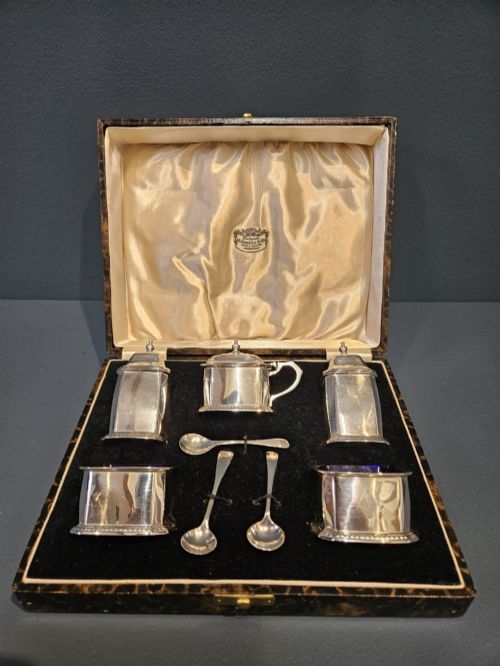
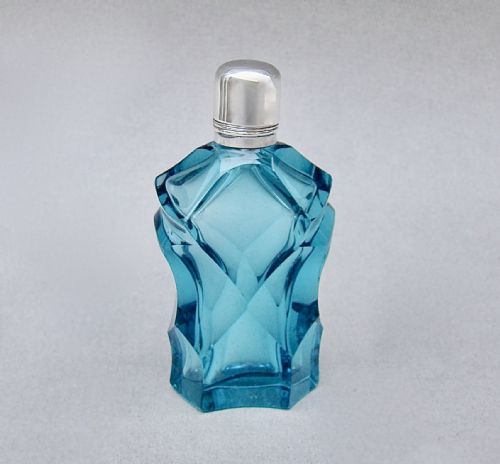
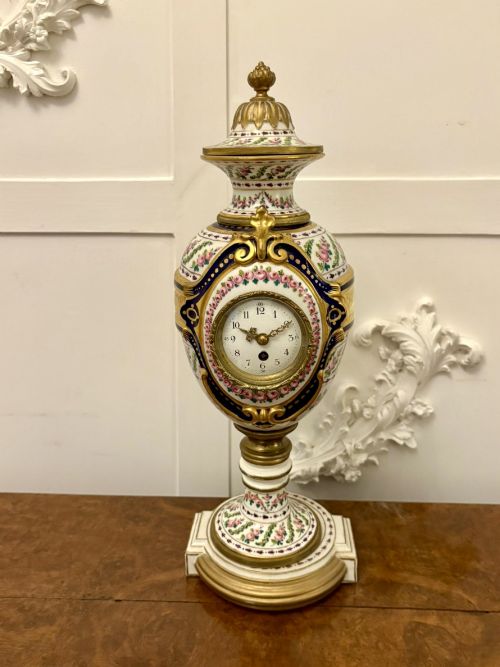
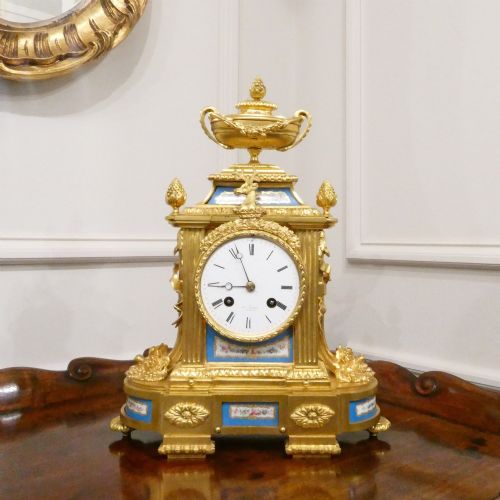
Antique Blue Table
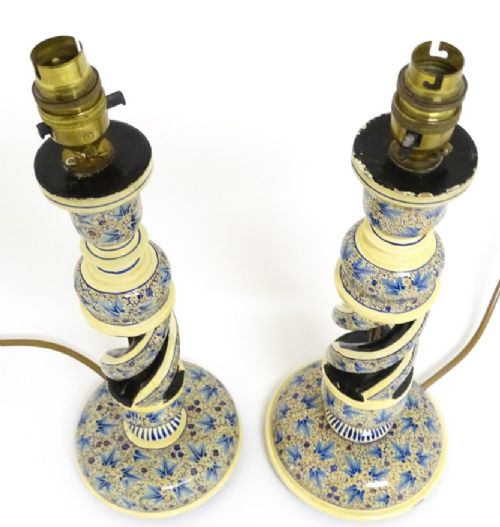
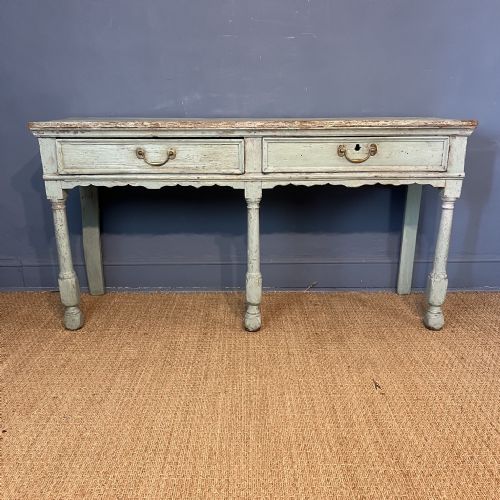
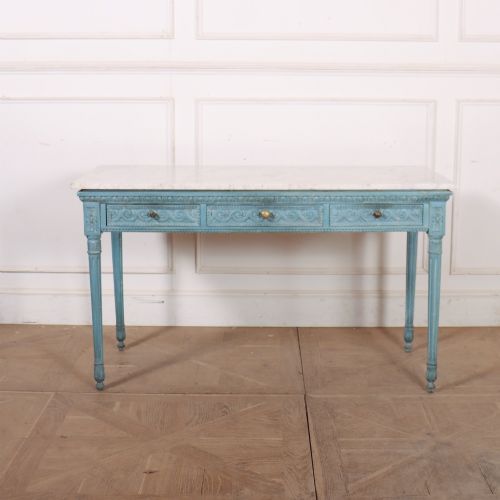
When searching for an antique blue table, buyers encounter painted pine kitchen surfaces, Swedish lamp tables, and side pieces finished in historic blue pigments or patinated milk paint.
Antique Blue Table
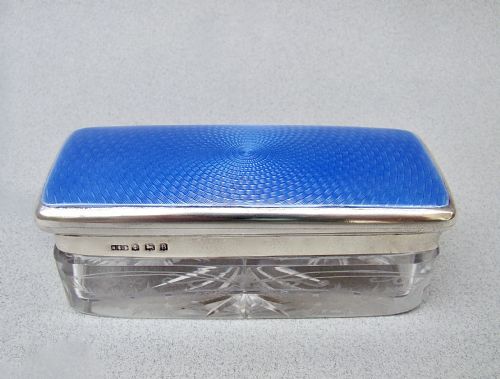
An antique blue table encompasses side tables, lamp tables, and kitchen pieces finished in historic blue pigments, duck egg blue Formica, or patinated old paint.
The selection frequently includes nineteenth-century pine surfaces, Edwardian painted items, and occasional Swedish lamp tables showcasing regional decorative finishes.
Buyers also encounter related blue-toned surfaces and console variations originating from nineteenth-century workshops and later vernacular traditions.
Materials and construction
Makers utilised solid timbers such as pine and oak, constructing frames with traditional joinery before applying layered oil-based paints or specialist blue washes.
Surface treatments often relied on hand-mixed pigments, resulting in distinct patination over decades of domestic use and wear.
Listings feature nineteenth-century pine, Edwardian painted pieces, and twentieth-century surfaces utilising wood, brass, and fabric.
Assessing quality
Quality rests upon the originality of the painted surface, where untouched historic layers command greater interest than modern overpainting.
Structural integrity of the underlying timber frame and the retention of original fixings distinguish superior examples from heavily altered pieces.
Henry Marc·Henry Clifford Davis·John Davenport of Longport·Henry Williamson
The Antique Blue Table Glossary
- Patina
- The surface sheen and textural change developed through age, handling, and repeated cleaning. This quality provides visual evidence of a piece's longevity.
- Formica
- A branded composite material utilised for durable table surfaces during the twentieth century. It appears on mid-century vernacular kitchen tables.
- Ormolu
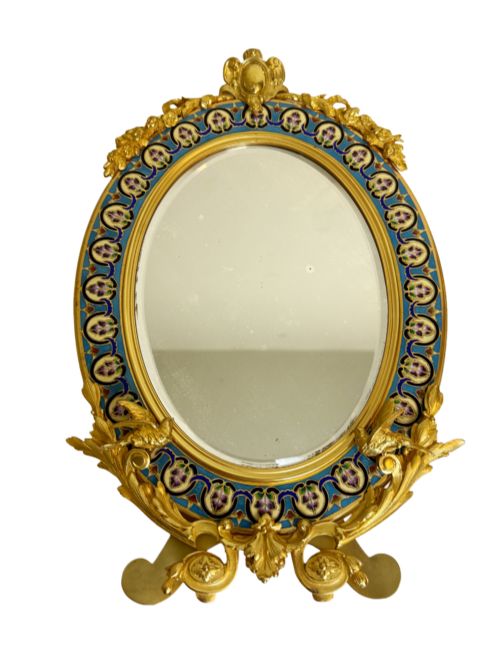
- Gilt bronze ornamentation applied to furniture mounts and decorative objects during the eighteenth and nineteenth centuries. It adds metallic contrast to painted timber.
- Champlevé
- An enamelling technique where troughs are carved into a metal surface and filled with vitreous paste before firing. This method decorates metal mounts on related furnishings.
Antique Blue Table: Frequently Asked Questions
How do I clean an antique painted table?
Dust the surface regularly with a soft, dry cloth to prevent dirt accumulation without disturbing the underlying pigment layers.
Avoid liquid cleaners and harsh detergents, which can strip historic paint finishes and ruin the aged patina.
Are these tables suitable for daily use?
Sturdy pine and hardwood construction allows these pieces to function reliably as functional side or lamp tables in modern rooms.
Protective coasters and careful placement away from direct heat sources help preserve the fragile historic painted surfaces.
How can I date an old pine table?
Examine the construction methods, tool marks, and drawer joints, as hand-cut dovetails generally indicate nineteenth-century or earlier origins.
Nail types, timber shrinkage patterns, and the composition of the paint layers further clarify the manufacturing period.
What does original paint finish mean?
An original finish means the decorative blue pigment applied by the historical maker remains intact without later repainting.
Signs of wear, minor chips, and fading authenticate the surface, distinguishing genuine antique finishes from modern reproductions.