


Antique Blue Stoneware Dish
An antique blue stoneware dish brings deep cobalt tones and robust ceramic weight to a table, offering both durability and striking nineteenth-century domestic design.
Antique Blue Stoneware Dish
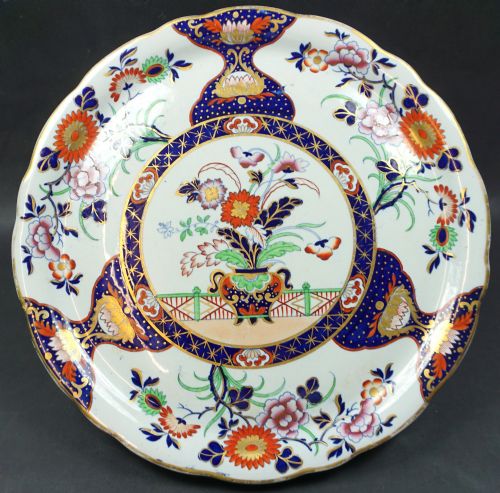
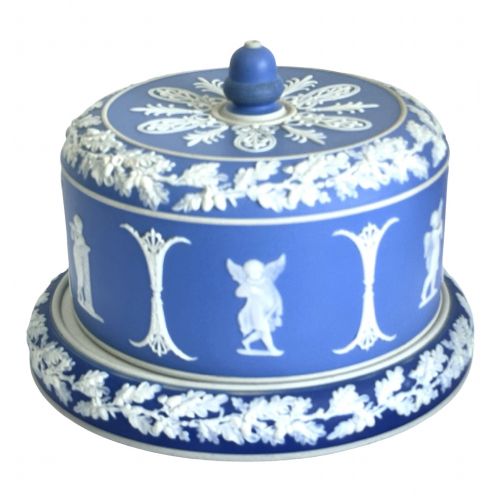
When searching for an antique blue stoneware dish, collectors encounter a diverse selection of nineteenth-century domestic vessels, ranging from large cheese domes and tureen stands to everyday plates and salad bowls. The material sits firmly in the realm of dense, vitrified ceramics, produced across various British periods from the Regency era through to the Arts and Crafts movement.
Buyers most frequently meet Victorian examples on this page, often finished in rich blue and white transfer patterns or classical Neoclassical reliefs. Forms span utilitarian serveware and decorative vessels, including chambersticks, trinket boxes, and circular patch boxes.
The origins trace predominantly to English potteries and Staffordshire makers, capturing the shifting aesthetic tastes of the eighteen-hundreds. These pieces bridge the gap between practical kitchenalia and refined Victorian display.
How they were made
Potters utilised durable stoneware and dense ceramic bodies fired at high temperatures to achieve a sturdy, non-porous finish suitable for daily domestic use. Surfaces received specific treatments including rich blue glazes, hand-coloured enamels, and crisp white relief mouldings.
Techniques varied from intricate transfer printing, such as the Romantic Ruins pattern, to applied Neoclassical jasperware detailing. Gilding occasionally added a layer of refinement to the edges of plates and decorative boxes.
Specialised hand-thrown and moulded execution defined the output of prominent workshops, ensuring that each vessel maintained structural integrity alongside its decorative blue coloration.
The material record on this page highlights classic nineteenth-century British production, dominated by stoneware, glazed ceramics, and applied enamel details.
What varies in quality
The refinement of the moulded relief and the depth of the cobalt colour saturation distinguish the finest examples from standard production. Crispness in applied white sprigging on jasperware indicates a superior artisan hand at the bench.
Proportion and scale dictate the desirability of larger serveware, where maintaining a balanced form during high-temperature firing required exceptional skill. Finer pieces demonstrate precision in transfer printing alignment and careful hand-colouring touches.
The reputation of the maker and the clarity of factory marks embedded in the ceramic body anchor the piece within a higher tier of historic ceramic production.
Hicks & Meigh·Wedgwood·John Ridgway·Royal Doulton·Doulton Lambeth·J. & R. Clews
The Antique Blue Stoneware Dish Glossary
- Stoneware
- A robust, vitrified ceramic fired at high temperatures until semi-vitreous and impermeable to liquids. This material forms the durable foundation for many nineteenth-century domestic dishes and serveware.
- Jasperware
- A fine-grained, unglazed stoneware developed by Wedgwood, typically featuring contrasting white moulded reliefs against a coloured background. It remains one of the most distinctive decorative ceramic types of the Victorian period.
- Transfer printing
- A decoration technique where an engraved copper plate transfers a design onto tissue paper, which is then applied to the ceramic surface before glazing. This method allowed for intricate pictorial scenes like romantic ruins to be produced consistently.
- Chamberstick
- A low-profile candle holder fitted with a wide drip pan and a handle for carrying through a house at night. These utilitarian items often match the blue and white palette of contemporary tableware.
- Cheese dome
- A large fitted cover designed to preserve cheese on the dining table, usually paired with an accompanying base plate. They frequently showcase substantial proportions and elaborate nineteenth-century decorative styles.
Antique Blue Stoneware Dish: Frequently Asked Questions
How do I clean an antique blue stoneware dish?
Wash these pieces gently by hand using warm water and mild soap to protect the historic glaze and any delicate enamels. Avoid soaking them for extended periods or placing them in modern dishwashers.
Pat the ceramic dry thoroughly with a soft cloth. Protecting the surface from sudden temperature shocks prevents micro-fracturing in the older material.
Were these dishes used daily or displayed?
Many items, such as plates, salad bowls, and cheese dishes, saw active service on nineteenth-century dining tables. Their dense stoneware composition made them practical for regular household dining.
Smaller items like trinket boxes and patch boxes served decorative or storage purposes in parlours and bedrooms. Both utilitarian and decorative versions reflect the domestic habits of the period.
How can I tell jasperware from standard ceramic?
Jasperware is characterised by its distinctive unglazed, matte surface and contrasting white clay reliefs applied to a coloured body. Running a finger across the surface reveals a tactile, stone-like texture rather than a smooth glass glaze.
Standard ceramic dishes rely on an overall glossy glaze finish. The matte quality of jasperware absorbs light differently than glazed stoneware.
What periods do these blue pieces represent?
The listings span the nineteenth and early twentieth centuries, capturing the Victorian, Regency, and Arts and Crafts eras. Stylistic shifts range from classical Neoclassical motifs to Chinese-inspired Chinoiserie patterns.
Changes in backstamps and manufacturing techniques help historians date individual pieces more precisely within these broad movements.
Can I use a vintage cheese dome for food?
While the stoneware material is food-safe, crazing in older glazes can absorb oils and stains over long periods. Many collectors prefer to use them strictly for display or gentle serving.
Assessing the interior condition helps determine whether a piece is suitable for regular culinary use. Most owners choose to preserve them as historic table ornaments.