



Antique Blue Saucer
An antique blue saucer brings delicate cobalt hand-painting and centuries of ceramic history straight to your table.
Antique Blue Saucer
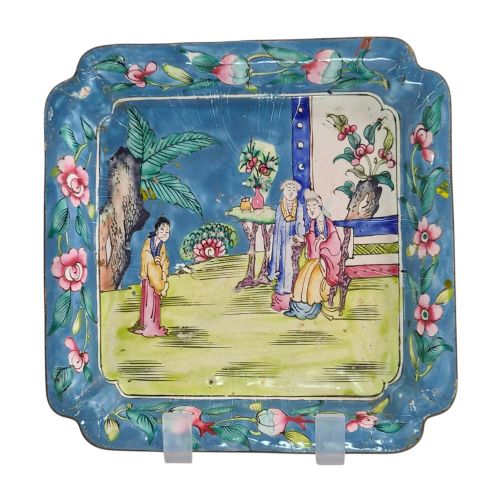
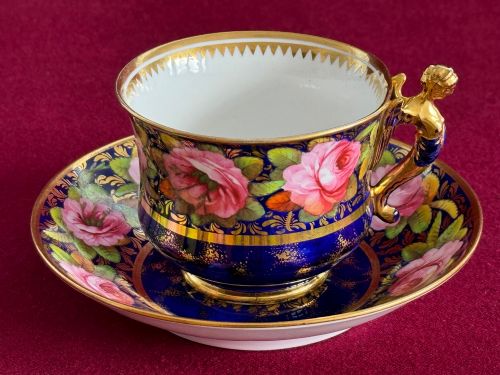
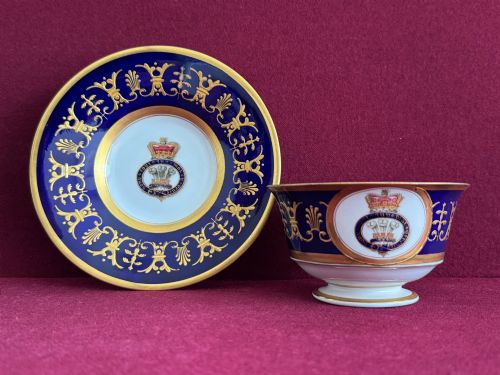
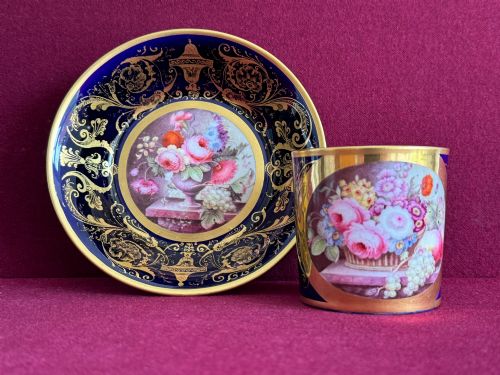
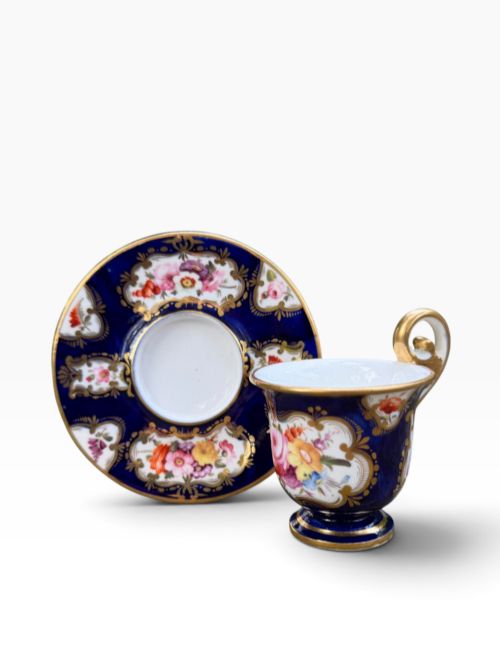
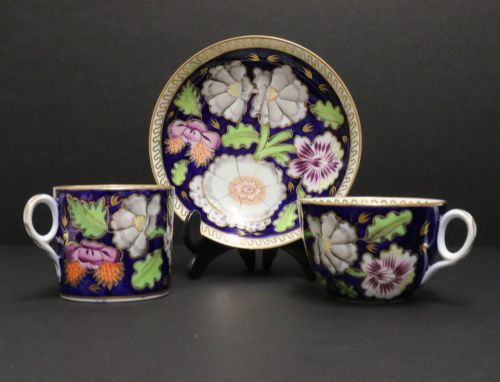
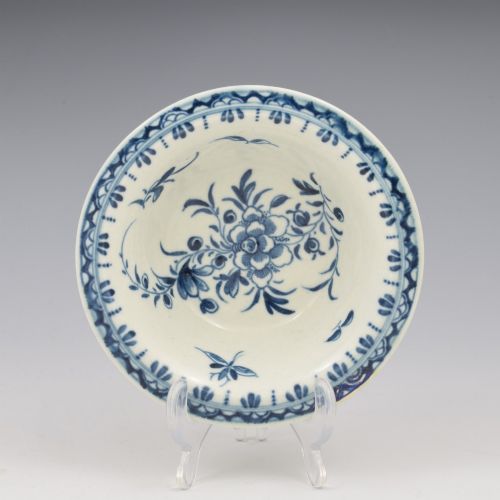
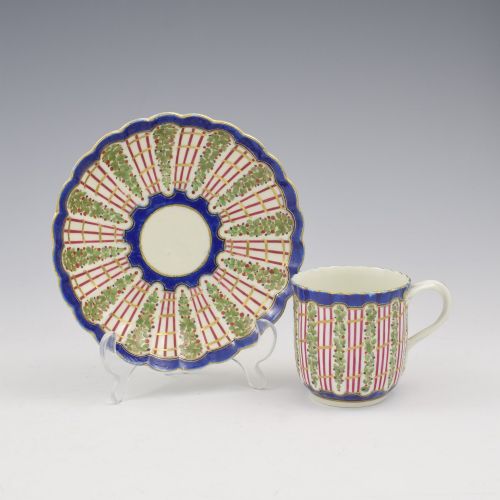
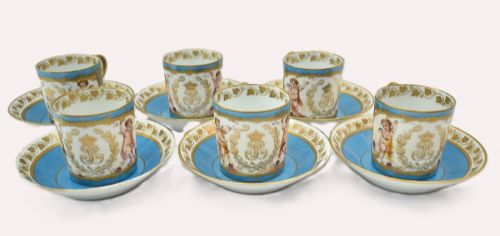
An antique blue saucer is a small ceramic dish designed to hold a teacup, coffee can or chocolate cup, though many examples survive independently as cabinet pieces and shallow dishes. When searching for an antique blue saucer, you encounter items shaped from soft-paste porcelain, bone china, and Delftware, reflecting domestic tea rituals across centuries.
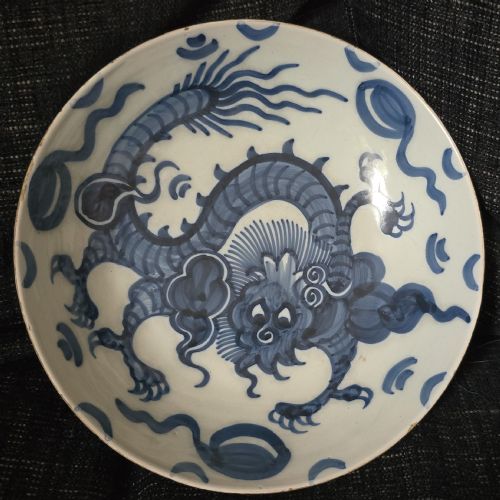
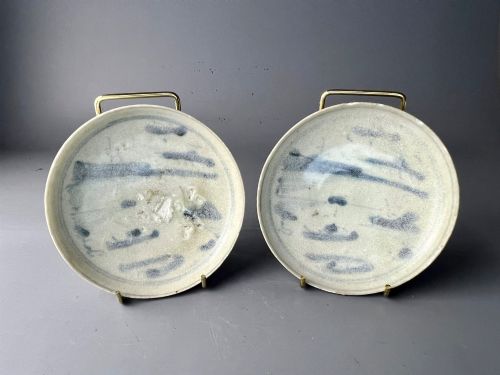
The pieces appearing on this page span the 17th, 18th, and 19th centuries, alongside select Georgian, Regency, and Victorian items. You will frequently find Worcester, New Hall, Coalport, and Spode items alongside Chinese blue and white imports and Japanese Imari variations.
Forms range from deep saucer-dishes and tea bowls to standard tea and coffee saucers paired with cups. These items trace the evolution of tea drinking from elite luxury to structured afternoon gatherings.
How they were made
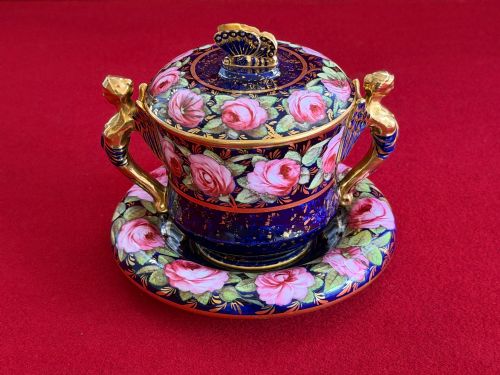
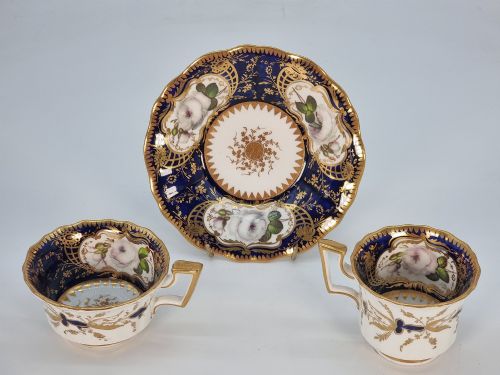
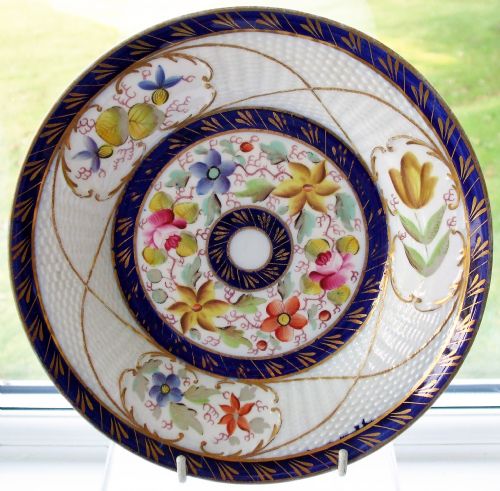
Makers utilised soft-paste porcelain, bone china, and English delftware, shaping them by hand or throwing them on wheels before applying cobalt blue underglaze decoration. Many factories combined cobalt painting with hand-gilding, gold leaf, and enamel touches to enrich the surface.
Firing techniques in eighteenth and nineteenth-century kilns determined the vitrification of the paste and the clarity of the blue pigment. Artisans frequently integrated moulded details, fluted borders, and intricate handpainted motifs like fishers, birds, or floral sprays before final glazing.
Antique Blue Saucer Retail Price Guide 2026
Typical asking prices for blue saucer among the pieces listed under this phrase on Sellingantiques today, from the lower quarter to the upper quarter. They describe what is for sale here now, not the wider market.
Object forms span teacups and saucers, coffee cans, tea bowls, chocolate cups, and cabinet trios.
What varies in quality
Quality rests in the crispness of the cobalt blue underglaze painting and the precision of any hand-gilded borders or enamel work. Finer items exhibit superior translucency in the paste and careful potting without warping from the kiln.
Artistic execution sets factory output apart, distinguishing standard production wares from pieces decorated by named artists or created for specific service commissions.
Chelsea Derby Porcelain·Barr and Barr Worcester·Minton Porcelain·H and R Daniel·Coalport John Rose·New Hall Porcelain·Grainger's Worcester·Gardner Porcelain Moscow
The Antique Blue Saucer Glossary
- Soft-paste porcelain
- A ceramic composition containing glass frit and white clay, fired at lower temperatures than hard-paste porcelain. This body type yields a warm tone and deep glaze pooling characteristic of eighteenth-century English factories.
- Coffee can
- A straight-sided cylindrical cup lacking a handle, designed for drinking strong coffee. These are frequently found paired with a matching saucer in Regency cabinet trios.
- Underglaze blue
- A decorative technique where cobalt pigment is applied directly to the raw ceramic body before the transparent glaze is applied. The piece is then fired at a high temperature, sealing the blue design permanently beneath the glass surface.
- Tea bowl
- A handleless drinking vessel used before handles became standard on European teacups. They mirror the shape of Chinese prototypes imported during the trade expansion.
- Cabinet trio
- A matched set consisting of a teacup, coffee can, and saucer intended for display in a collector cabinet rather than active dining use.
Antique Blue Saucer: Frequently Asked Questions
How do I date an antique blue saucer?
Dating relies on identifying factory marks, paste composition, and stylistic cues such as fluted edges or transfer-printed versus handpainted motifs. Eighteenth-century pieces typically feature soft-paste bodies with distinct glaze pooling underneath.
Later nineteenth-century pieces often utilise bone china with crisper gilding and standardised factory ciphers. Comparing the blue pigment depth and potting style against known documented factory periods narrows the timeframe further.
Can I use these saucers for serving tea?
While these pieces were originally functional tableware, age and historic material composition make modern use risky. Historic glazes and fragile soft-paste bodies can suffer thermal shock or crazing when exposed to boiling water.
Most collectors prefer to display them on stands or store them safely in cabinets. Gentle dusting preserves the delicate enamel and gold leaf decorations found on many examples.
Why are some saucers deep?
Deep saucer-dishes and chocolate saucers served specific functions in historic dining rituals, often holding a matching cup or bowl securely in place. Some deeper forms functioned as small dishes for sweetmeats or side delicacies rather than liquid containers.
These variations indicate whether a piece belonged to a tea service, a chocolate set, or an independent cabinet collection.
What is the difference between porcelain and delftware?
Porcelain is a vitrified, highly fired ceramic that exhibits varying degrees of translucency when held to light. English delftware utilises a porous earthenware body covered in an opaque tin-glaze that takes blue pigment with a softer, diffuse edge.
Porcelain bodies feel harder and thinner, whereas delftware dishes present a heavier weight and a milky white opaque surface.