


Antique Blue Plates
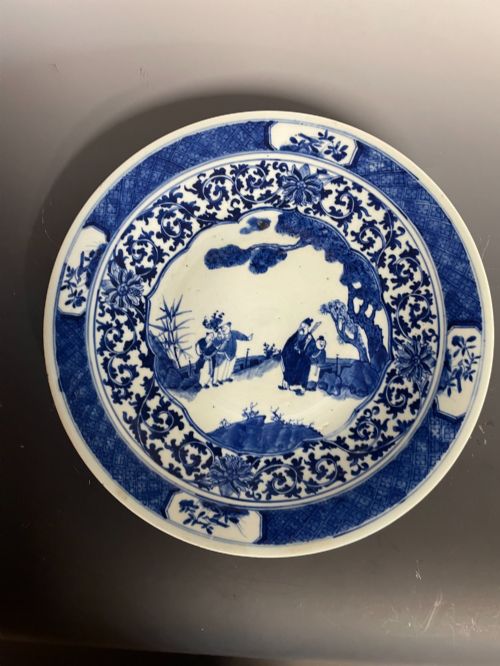
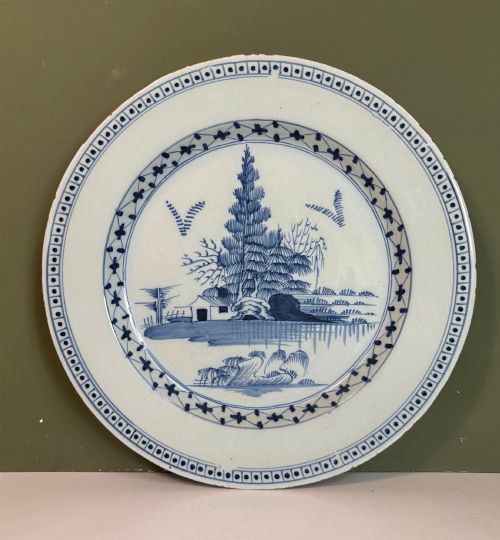
These antique blue plates bring depth and history to a wall or table, carrying centuries of cobalt decoration in porcelain, earthenware and Delft.
Antique Blue Plates
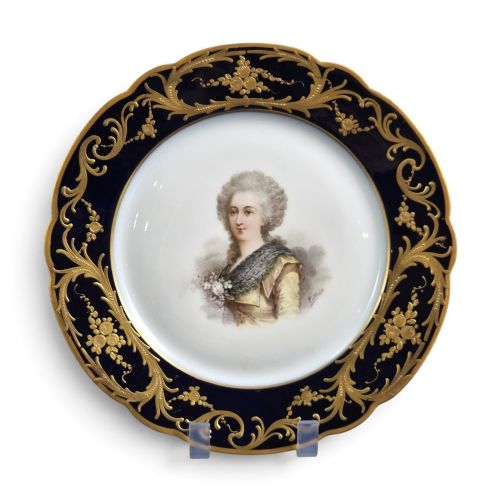
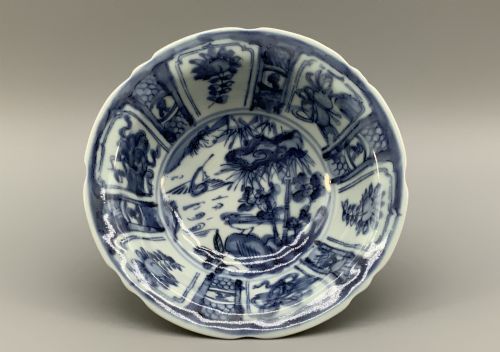
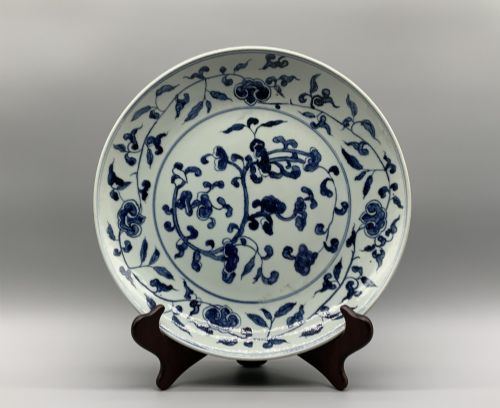
When you search for antique blue plates, you look at a broad sweep of ceramics designed for display, service and dining across past centuries. The selection ranges from robust earthenware chargers and tin-glazed delftware to refined porcelain cabinet pieces and transfer-printed ironstone.
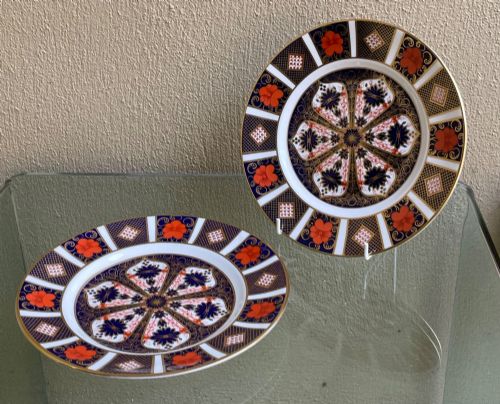
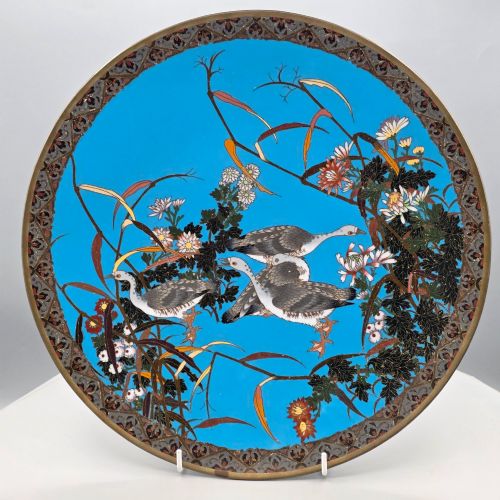
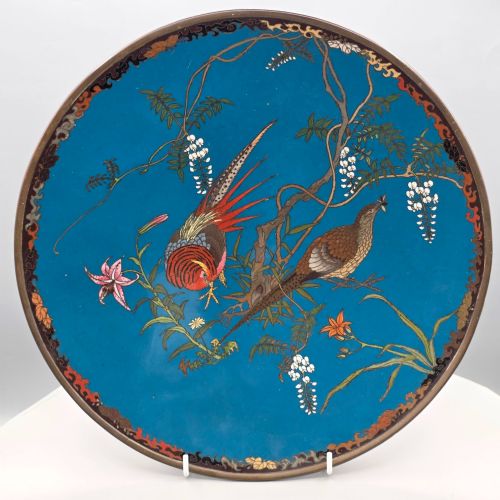
You are most likely to meet 18th-century delft chargers, Japanese imari plates from the Meiji period, and 19th-century blue and white transferware from English potteries. These forms span from deep dishes and lobed bowls to flat cabinet plates and large meat platters.
Materials and methods
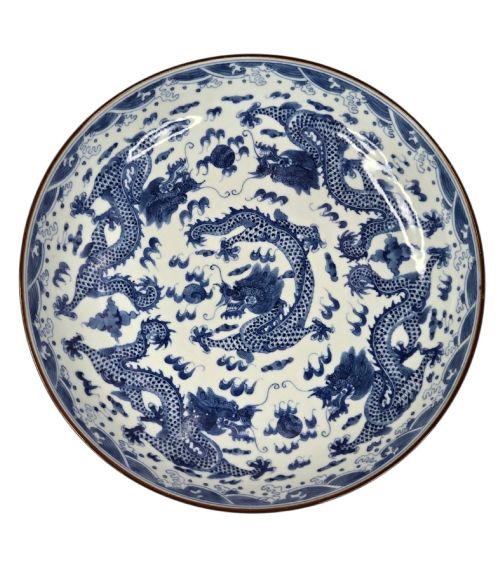
Potters built these pieces using bodies of porcelain, bone china, creamware, earthenware and faience, shaped by hand or moulded before firing. Cobalt underglaze provided the primary blue pigment, applied directly to the clay body or unfired glaze to withstand high kiln temperatures.
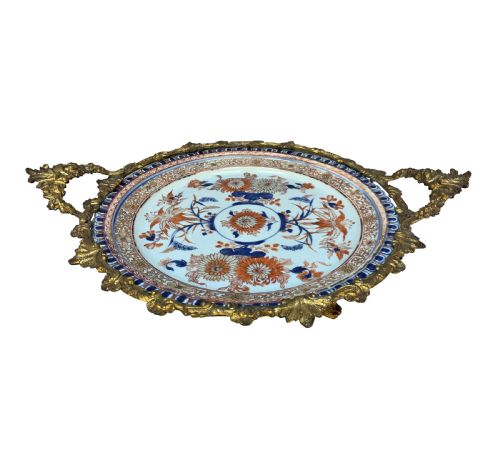
Many items received secondary enrichment through hand-painting, enamel colours, gilding with gold leaf, or silver plating. Tin glazing created an opaque white surface suitable for painting, while transfer printing allowed intricate patterns to be applied from copper plates onto the ceramic body.
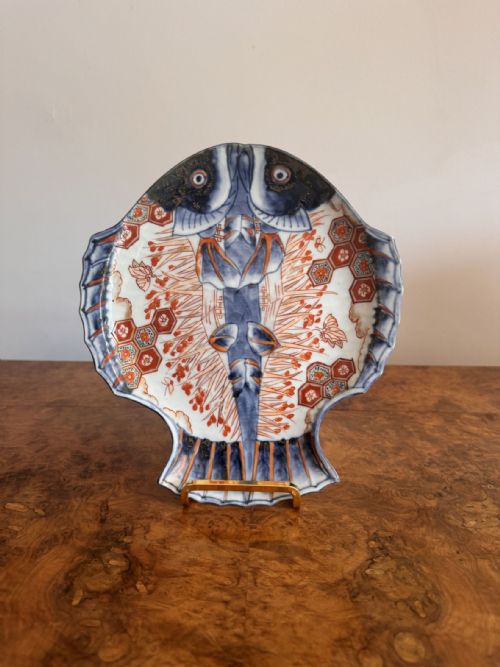
One extraordinary plate arrives shaped entirely as a fish, proving historical potters took dinner service quite literally.
What separates the fine from the ordinary
Quality rests in the crispness of the cobalt painting, the purity of the ceramic body, and the precision of the firing without warping or kiln grit. Earlier pieces often show the organic irregularities of hand-thrown potting and brushwork, whereas later transfer-printed wares rely on the sharpness of the line and the depth of the blue tone.
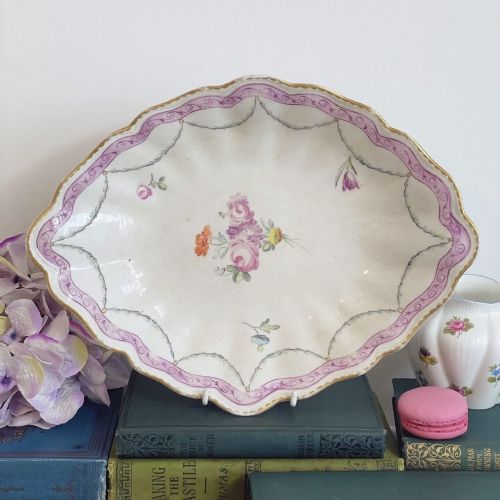
The sophistication of the palette and the ambition of the form dictate distinction, such as lobed rims, scalloped edges, or custom armorial commissions. Maker attribution, hand-painted details over transfer prints, and well-preserved gilding elevate certain examples above standard utility wares.
Royal Crown Derby·Doulton Lambeth·George Jones·Royal Worcester·Royal Bonn
The Antique Blue Plates Glossary
- Cobalt Underglaze
- A blue pigment applied beneath the ceramic glaze before the final firing. This technique ensures the colour remains permanent and impervious to wear.
- Tin-Glazed Earthenware
- Pottery coated with a glaze containing tin oxide, turning it white and opaque. It provides a smooth surface for hand-painted blue decoration.
- Imari Palette
- A decorative style combining underglaze blue with iron red, gilt and other enamel colours. It originated in Japan and heavily influenced European potteries.
- Transfer Printing
- A mechanical method of applying complex designs to ceramics using engraved copper plates and tissue paper. It revolutionised production speed in the 19th century.
- Charger
- A large decorative plate or dish intended for display on a sideboard or wall rather than general dining use. They frequently feature pictorial scenes.
- Kakiemon
- An asymmetric style of Japanese enamel decoration featuring delicate floral and avian motifs. European factories widely imitated these distinct patterns.
Antique Blue Plates: Frequently Asked Questions
How do I display antique blue plates safely?
Heavy chargers and cabinet plates require secure wall brackets or sturdy plate stands with protective lips. Avoid hanging pieces by wire attachments fixed directly to old glazes.
Keep ceramics away from direct sunlight and areas prone to sudden temperature shifts. Dust them gently with a dry, soft cloth without using commercial cleaning liquids.
How do I distinguish 18th-century delft from later copies?
Eighteenth-century delftware typically displays a slightly softer, porous earthenware body beneath a tin-glaze that shows minor fritting along the rim. The blue pigment often sinks slightly into the glaze during firing.
Later reproductions generally feature heavier, denser ceramic bodies and lack the characteristic surface undulations found on genuine period pieces.
What does Japanese imari mean on a British plate?
Japanese imari refers to export porcelain decorated in blue, iron red and gold, originally shipped from the port of Imari. British factories subsequently adopted and adapted these vibrant palettes on their own porcelain and earthenware bodies.
These hybrid pieces combine traditional Japanese motifs with European shapes, reflecting the immense popularity of Eastern aesthetics in the 18th and 19th centuries.