

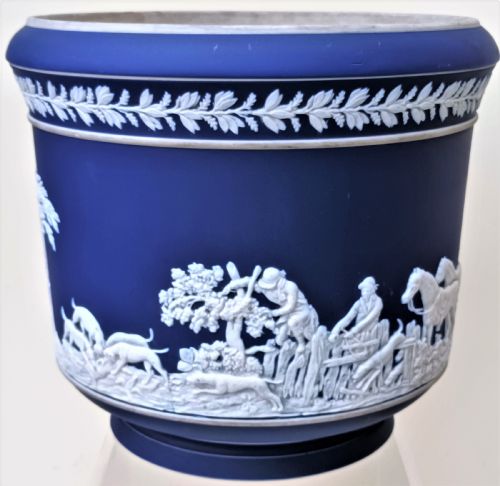


Antique Blue Plant Pot
An antique blue plant pot brings centuries of ceramic artistry and vibrant colour directly to your interior displays.
Antique Blue Plant Pot
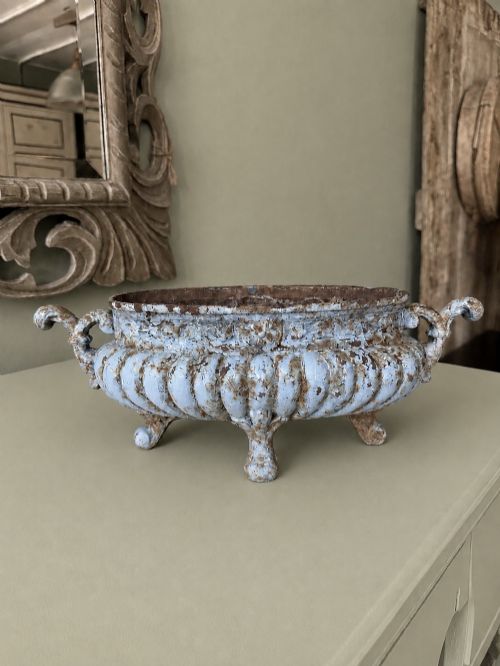
When you search for an antique blue plant pot, you uncover a diverse assortment of jardinières, cachepots, and planters designed to display greenery. The pieces on this page span several centuries, originating from English potteries, French workshops, German kilns, and Asian export houses.
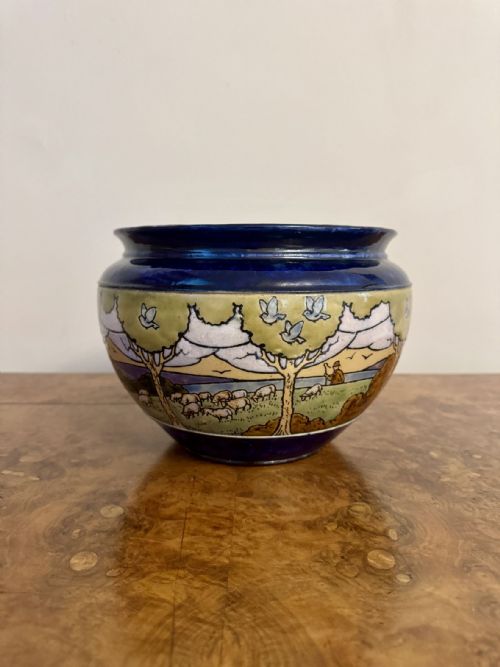
You are most likely to meet Victorian earthenware, stoneware, and porcelain vessels featuring rich blue cobalt underglaze decoration. These containers range from compact domestic cachepots to large floor-standing jardinères intended for formal reception rooms.
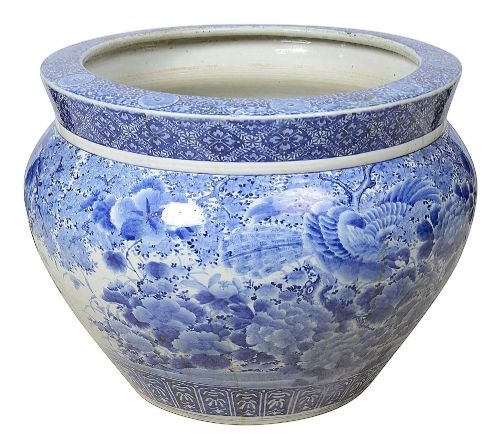
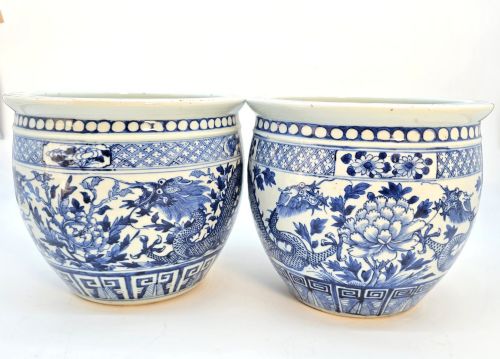
The assortment includes traditional forms decorated with Chinoiserie scenes, Japanese Imari patterns, and classical English blue and white transfer printing. Makers applied these distinctive blue motifs to utilitarian vessels that served both practical botanical functions and decorative interior roles.
How they were made
Potters shaped these vessels using earthenware, stoneware, and porcelain, frequently employing cobalt underglaze paint to achieve deep blue designs before applying protective glazes. Master craftsmen in English potteries and Asian kilns fired these pieces at high temperatures to fuse the pigments and clays.
Specialised techniques such as salt glazing, majolica moulding, and jasperware relief work created distinct surface textures and finishes. Workshops also utilised iron, paint, and enamel to finish specific structural and decorative elements on select cast iron and wooden pieces.
Several of these antique pots have spent more time holding ferns than most modern houseplants have been alive.
What varies in quality
The depth of cobalt colour and the crispness of the hand-painted or transferred underglaze details distinguish exceptional vessels from standard production items. Superior examples display precise control during the firing process, ensuring the blue tones remain vibrant and uniform across the entire surface.
The complexity of the moulded form, such as intricate majolica relief work or finely detailed Japanese Imari patterns, signals skilled craftsmanship. Potteries known for artistic innovation invested greater care into the finishing of rims, feet, and decorative borders.
Royal Doulton·William Adams and Sons·Doulton Burslem·Doulton Lambeth·Royal Worcester·George Jones
The Antique Blue Plant Pot Glossary
- Jardiniere
- A large ornamental pot or stand designed to hold a plant or flower arrangement. These vessels typically sit on tables or directly on the floor.
- Cobalt Underglaze
- A blue metallic oxide pigment applied to pottery clay before the application of a clear glaze and final firing. This technique protects the vibrant blue colour from wear over centuries of use.
- Majolica
- A type of earthenware coated with an opaque tin-lead glaze and painted with bright enamel colours. It gained immense popularity during the Victorian era for bold garden ornaments and planters.
- Imari
- A style of Japanese export porcelain characterised by a palette of underglaze blue, iron red, and gold. European potters frequently copied these distinctive East Asian aesthetic patterns.
- Jasperware
- A type of unglazed stoneware developed by Josiah Wedgwood featuring contrasting white relief figures applied against a coloured background. Blue remains the most recognised and traditional ground colour for these decorative wares.
Antique Blue Plant Pot: Frequently Asked Questions
What is a jardiniere?
A jardiniere is an ornamental container designed to hold a potted plant rather than planting directly into the vessel. They traditionally served as decorative centrepieces on tables or pedestals within formal rooms.
In period settings, these pots caught excess water runoff while concealing standard nursery containers beneath artistic ceramic walls.
How do I care for an antique pot?
Protect antique ceramics by placing a modern plastic liner inside the vessel to prevent moisture from seeping into porous earthenware bodies. Avoid harsh chemical cleaners and dust the surface gently with a soft dry cloth.
Keep these pieces away from areas prone to sudden temperature fluctuations or freezing conditions to preserve the integrity of the glaze.
Were these pots used outdoors?
Most fine porcelain, earthenware, and stoneware jardinieres were intended strictly for interior domestic display in conservatories, drawing rooms, and hallways. Salt-glazed stoneware and heavy cast iron variants could withstand sheltered garden room environments.
Exposing delicate majolica or porous Victorian earthenware to winter frost will cause the historic ceramic body to crack.
How do I identify Victorian pieces?
Victorian examples often feature maker marks stamped or impressed into the base alongside registration numbers indicating the exact year of design. The characteristic use of vibrant majolica glazes, transfer-printed Chinoiserie, and heavy relief moulding points directly to nineteenth-century production.
Examining the foot ring and interior glaze crazing helps confirm the age and manufacturing origin of the ceramic body.