




Antique Blue Landscape Dish
When you handle an antique blue landscape dish, you hold centuries of cobalt pigment and transfer print across porcelain and earthenware.
Antique Blue Landscape Dish
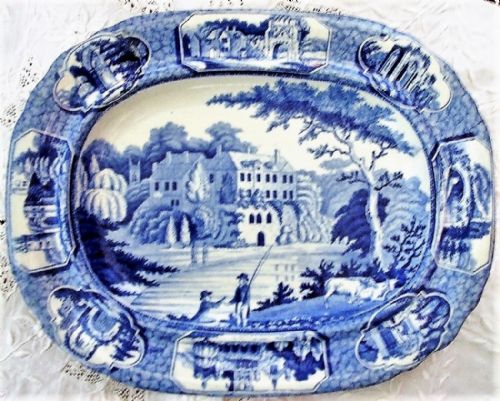
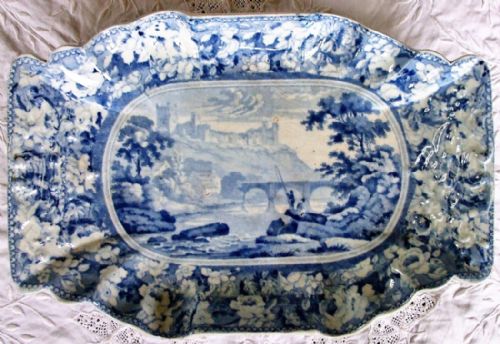
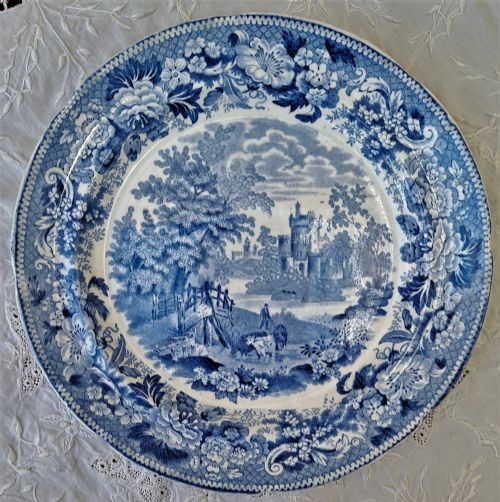
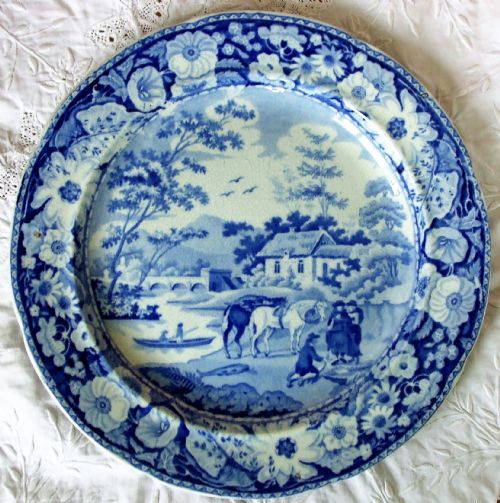
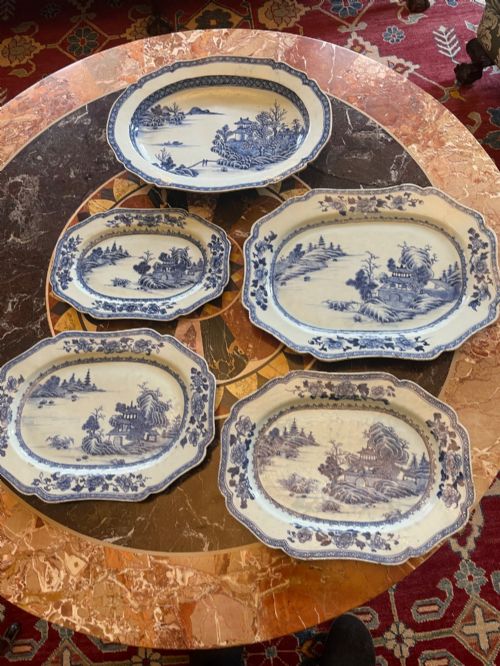
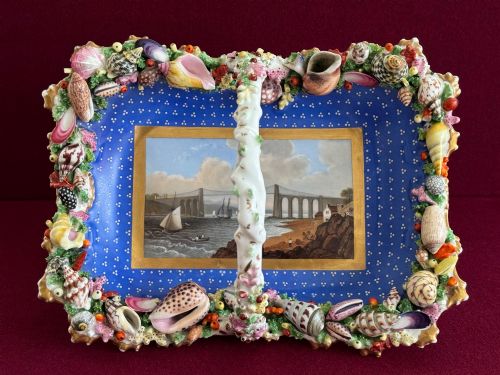
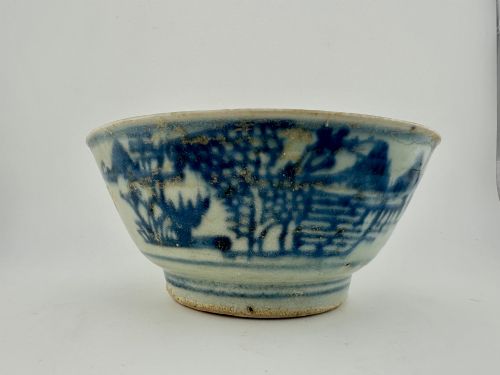
An antique blue landscape dish brings together pastoral views and maritime scenes across plates, platters, and bowls. These items emerge primarily from nineteenth-century English potteries and eighteenth-century Chinese export kilns.
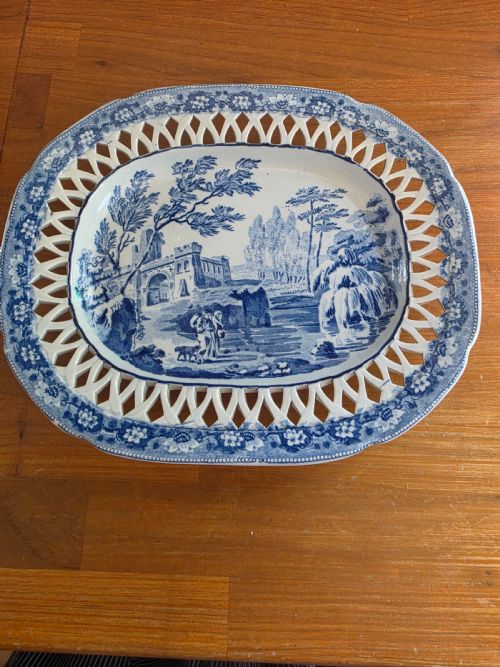
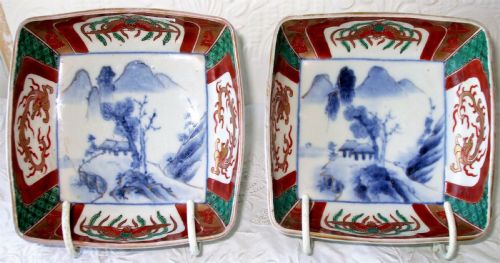
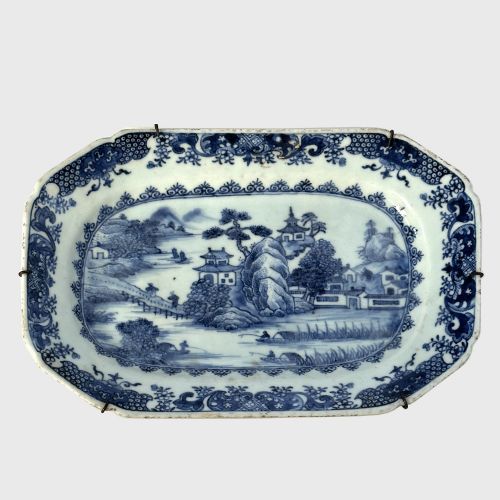
The English examples often display transfer-printed views of abbeys, bridges, and country seats. Meanwhile, Chinese export porcelain and Japanese Meiji pieces offer hand-painted river scenes and coastal vistas.
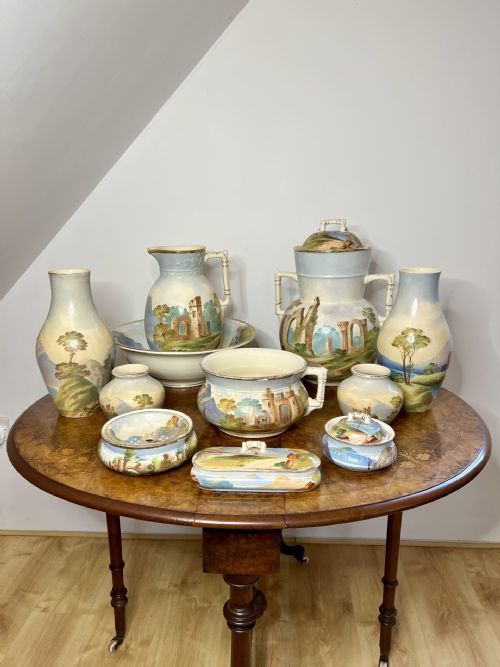
Forms range from large serving platters and vegetable tureens to cabinet plates and asparagus dishes. Most pieces encountered on this page date from the Georgian, Victorian, and Qing periods.
Materials and methods
Potters built these vessels using porcelain, ironstone, and earthenware bodies shaped on wheels or pressed in moulds. Cobalt pigment provided the deep blue tone, applied either by hand painting or through copper-plate transfer printing.
Glaze sealed the ceramic surface before a high-temperature firing locked the blue pigment beneath a glossy finish. Certain works incorporated additional details in gold leaf or enamel over the glaze.
Shipwreck cargoes and factory production lines yielded both utilitarian wares and fine cabinet pieces. The integration of cobalt pigment with tin glazes or hard-paste porcelain defined the durability of each item.
Antique Blue Landscape Dish Retail Price Guide 2026
Typical asking prices for blue landscape dish among the pieces listed under this phrase on Sellingantiques today, from the lower quarter to the upper quarter. They describe what is for sale here now, not the wider market.
The inventory records pieces originating from English transferware potteries alongside Japanese Imari porcelain and Chinese export shipments.
Factors of quality
The clarity of the transfer print or the precision of the hand-painted brushwork dictates the visual impact of the landscape. Crisp lines and deep cobalt saturation separate standard factory output from exceptional works.
The crispness of the porcelain paste and the smoothness of the glaze surface reveal the skill of the potter. Finer items maintain trueness in shape without warping during the kiln firing process.
Provenance and specific named views add historical weight to English transfer wares and Chinese export porcelain. The artistic execution of the scenery remains the primary measure of merit.
Henshall And Co·Mason·Zacharia Boyle·William Adams·Chamberlain Worcester·Davenport·Mintons·Coalport·Barr Flight Barr·Aynsley·Spode·Royal Worcester·Guild Of Handicrafts
The Antique Blue Landscape Dish Glossary
- Cobalt
- A metallic oxide pigment that turns deep blue under high kiln temperatures. It remains stable beneath traditional ceramic glazes.
- Transfer printing
- A mechanical method of applying complex engraved designs to pottery via paper tissue. This technique transformed Staffordshire production in the nineteenth century.
- Ironstone
- A durable type of earthenware patented in the nineteenth century to imitate Chinese porcelain. It resists chipping and staining.
- Export porcelain
- Ceramics manufactured in China and Japan specifically for Western markets. These items often combined Eastern vessel forms with European armorial or landscape motifs.
- Biscuit
- Unglazed ceramic fired once to harden the clay body before glaze application. Many cabinet plates retain biscuit undersides or rims.
Antique Blue Landscape Dish: Frequently Asked Questions
How do I date a blue landscape dish?
Examine the base for factory marks, impressed stamps, or pattern names which correspond to known operating dates. The ceramic body itself, whether earthenware, ironstone, or hard-paste porcelain, also indicates the manufacturing era.
Style provides further clues, as Georgian transfer wares and Victorian pastoral scenes follow distinct aesthetic shifts. Comparing the blue pigment application helps separate eighteenth-century export porcelain from later nineteenth-century revival pieces.
Can these antique dishes be used for food?
Most antique earthenware and porcelain dishes remain structurally sound for serving dry foods or fruit. However, historical glazes on nineteenth-century pieces can react with acidic items.
Gentle hand washing protects the glaze and any delicate enamel or gold leaf details. Displaying cabinet plates on stands avoids surface wear from daily dining.
What is transfer printing on pottery?
Transfer printing is a technique where an engraved copper plate transfers a design onto paper tissue. Workers then press this tissue onto the unglazed or biscuit ceramic to leave the ink outline.
This method allowed potteries to produce intricate landscape views consistently across large service sets. It superseded hand painting for mass production while retaining fine pictorial detail.