
Antique Blue Lamps
Antique blue lamps bring rich colour and warm illumination to a room, spanning delicate porcelain and gleaming brass.
Antique Blue Lamps
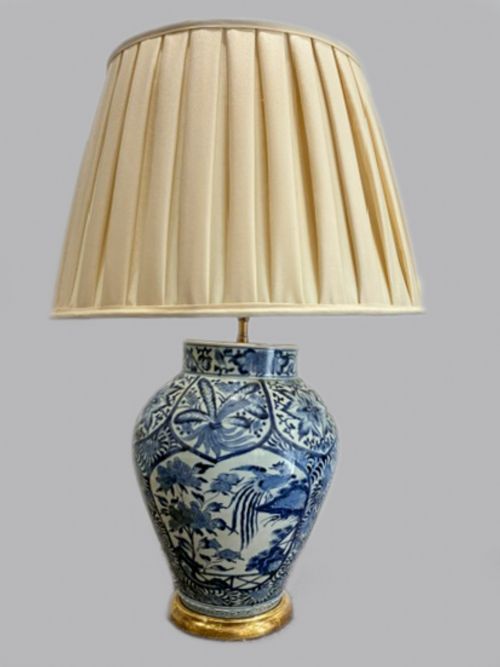
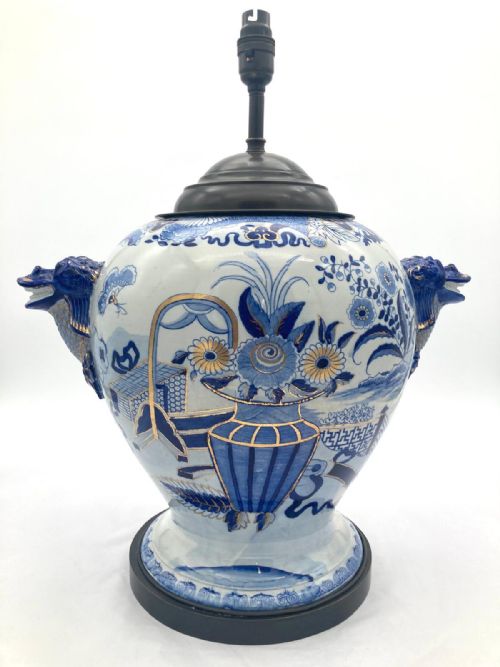
Many of these pieces began life as vessels from Japanese, Chinese, or European workshops before conversion into electrical lighting. Alongside these converted vases, you find traditional brass oil lamps fitted with blue ceramic reservoirs or glass fonts.
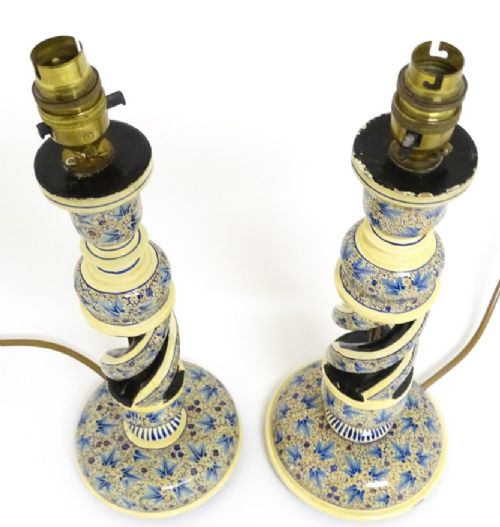
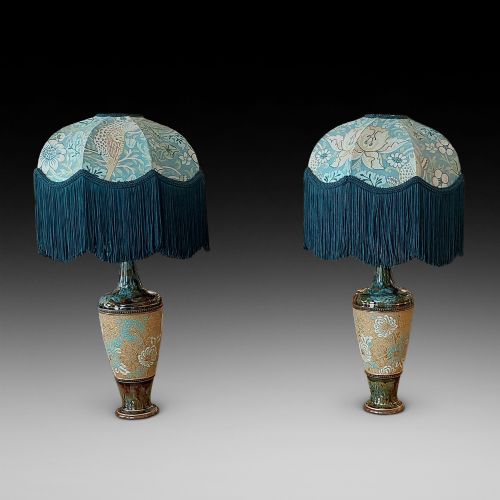
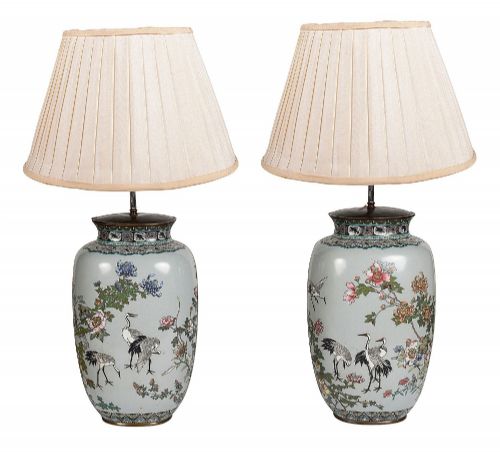
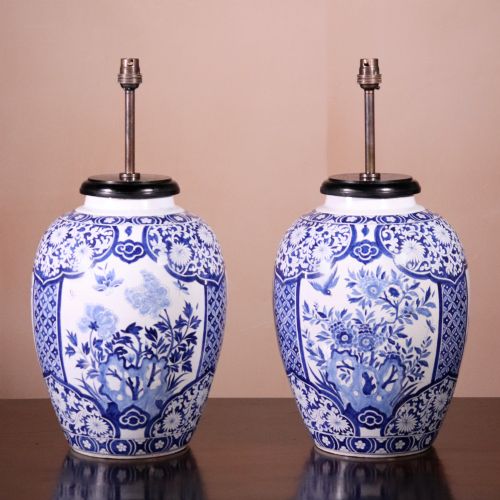
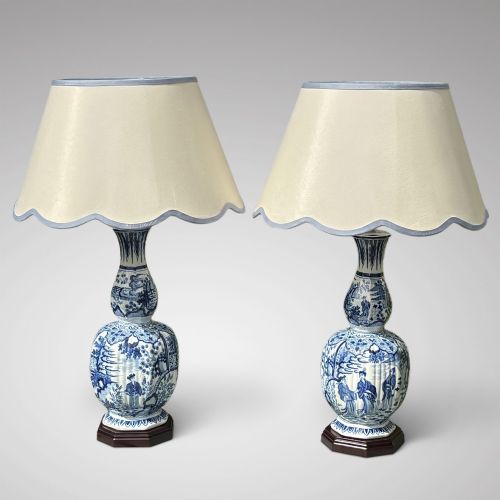
The aesthetic reaches from 18th-century Delft pottery and 19th-century French porcelain to Japanese cloisonné enamel and Arts and Crafts designs. Pairs feature prominently, making them suitable for matching bedside tables or living room sideboards.
How they were made
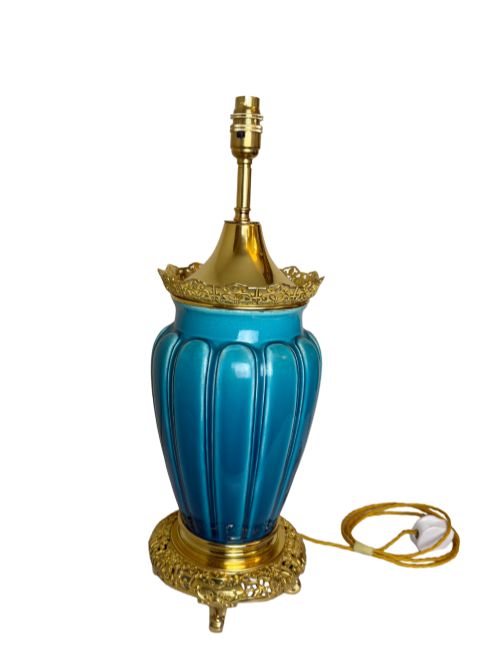
Makers utilised porcelain, glass, and heavy metals like brass, ormolu, and gilt bronze to construct these pieces. Ceramic bodies often display hand-painted cobalt blue cobalt decoration, underglaze blue, or rich turquoise glazes.
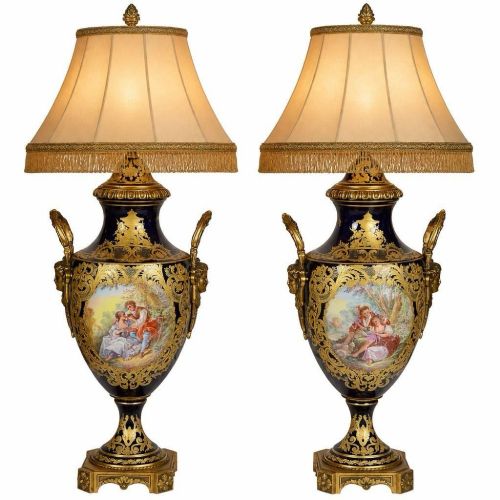
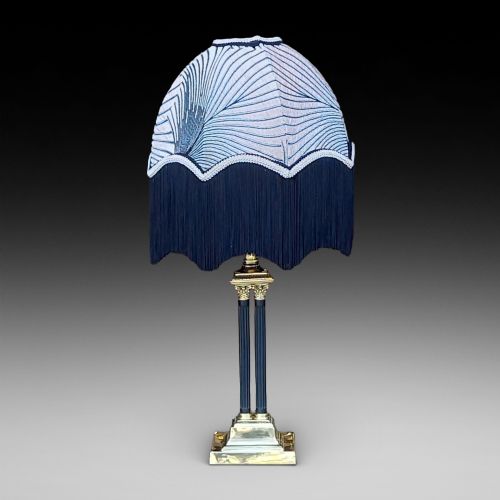
Metal components such as Corinthian columns, bases, and mounts were cast in brass or bronze, frequently receiving gilt or ormolu finishes to complement the blue ceramic or glass bodies. Converted pieces involved adapting historical vases or jars to house electrical fittings while preserving the original vessel.
Cherub wall lights and frosted glass figurines ensure your lighting has a touch of historical personality.
What varies in quality
The calibre of an antique blue lamp depends heavily on the fineness of the original ceramic or glass body and the precision of its metal mounts. Hand-painted detail on porcelain and Delftware displays varying degrees of artistic skill and clarity.
Mounts cast in ormolu or gilt bronze show distinct levels of crispness in their chased decoration. Furthermore, the integration of electrical conversions affects the structural integrity and overall balance of the finished lighting piece.
The Antique Blue Lamps Glossary
- Ormolu
- Gilded bronze mounts applied to furniture and ceramics. This technique was widely utilised by French makers during the 19th century.
- Cloisonné
- Enamelwork created by soldering wire compartments onto a metal base before filling them with paste. Japanese examples from the 19th century frequently utilise this method.
- Delft
- Tin-glazed earthenware originating from the Netherlands, commonly decorated in blue and white. Pieces from the 18th century are frequently converted into table lamps.
- Font
- The oil reservoir of a lamp, often rendered in coloured glass or ceramic. Victorian oil lamps typically pair these with brass columns and black glass bases.
- Sevres
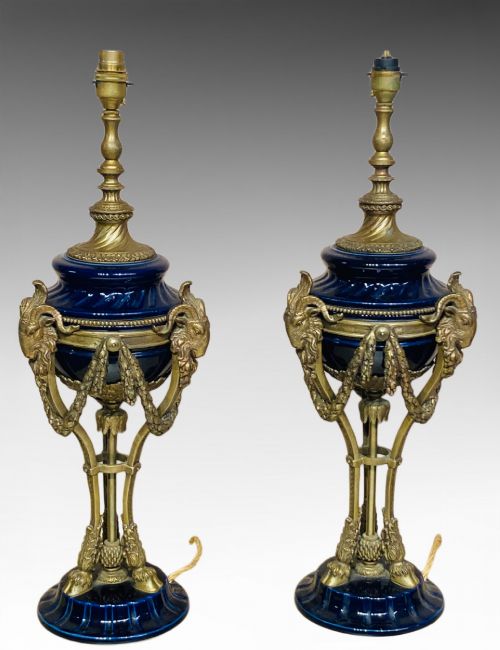
- A French porcelain manufactory known for high-quality decorative wares. Sevres style pieces often incorporate rich blue glazes paired with ornate gilt bronze mounts.
Antique Blue Lamps: Frequently Asked Questions
What periods do these lamps come from?
The pieces span from the late 17th century through to the 1930s. You encounter 18th-century Delft pottery, 19th-century Victorian brass and French porcelain, and early 20th-century Arts and Crafts designs.
Production methods and styles evolved across these eras, shifting from oil-burning mechanisms to electrical adaptations while retaining historical ceramic and metalwork.
Were these always lamps?
Many examples began as decorative vases, jars, or oil lamps before later conversion into electrical table lamps. Historical vessels from Japanese and Chinese workshops were frequently adapted in this manner.
Brass oil lamps represent another common origin, originally designed to burn fuel with glass or ceramic fonts before receiving modern wiring.
How do I style them at home?
Pairs work effectively on matching side tables, mantelpieces, or bedside cabinets to create symmetrical lighting. Their rich blue colourways and metallic mounts introduce focal points to both traditional and eclectic interiors.
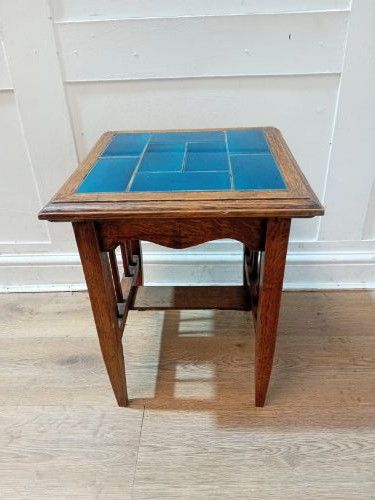
Placing them on wooden surfaces like oak or rosewood highlights the contrast between the warm timber and the cool blue ceramic or glass.
How do I identify French pieces?
French examples from the 19th century often feature Sevres style porcelain, cobalt blue glass overlays, or elaborate ormolu and gilt bronze mounts. Makers frequently drew upon Louis XVI design motifs in their casting work.
These pieces typically combine deep blue glazes with finely chased metal bases, distinguishing them from simpler brass or ceramic lighting fixtures.