
Antique Blue Glass Vessels
These antique blue glass vessels bring depth and colour to a room, ranging from Georgian table glass to Art Deco moulded pieces.
Antique Blue Glass Vessels
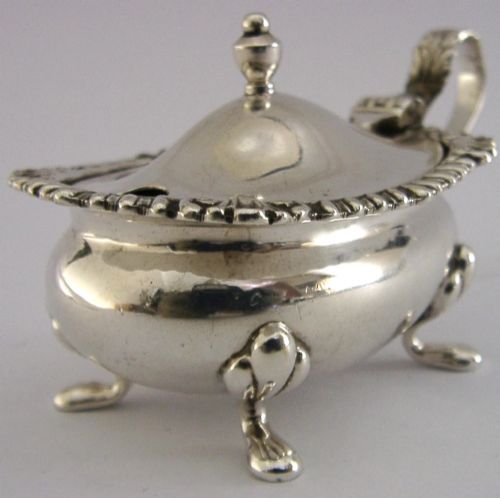
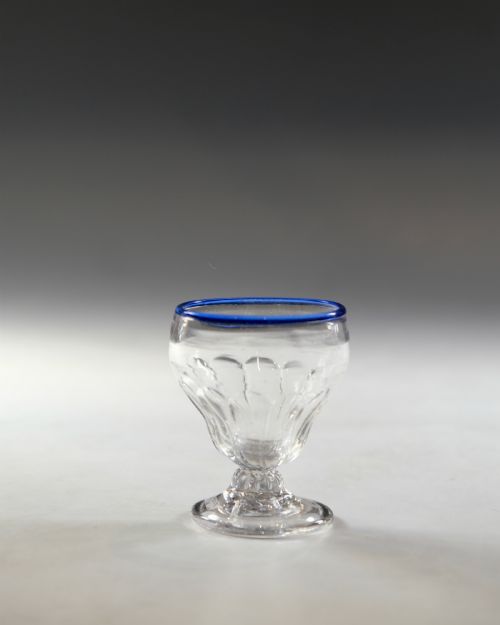
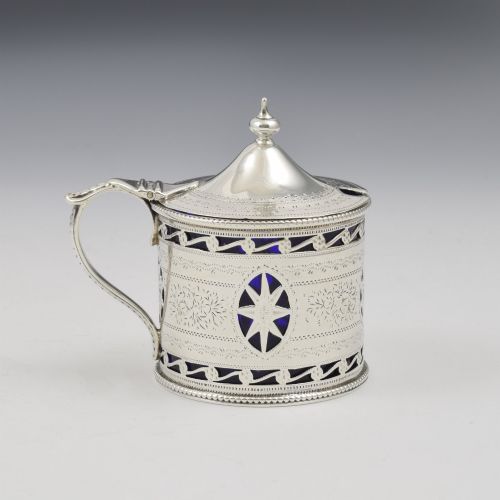
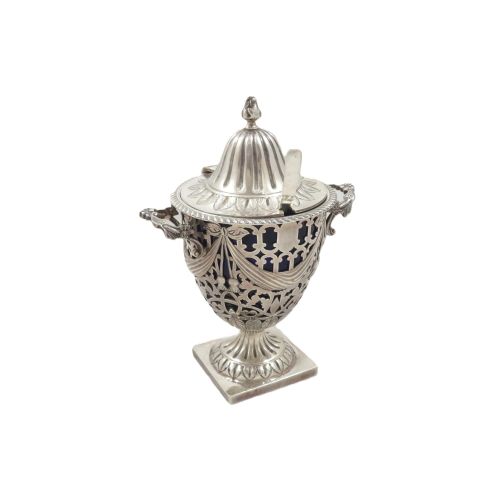
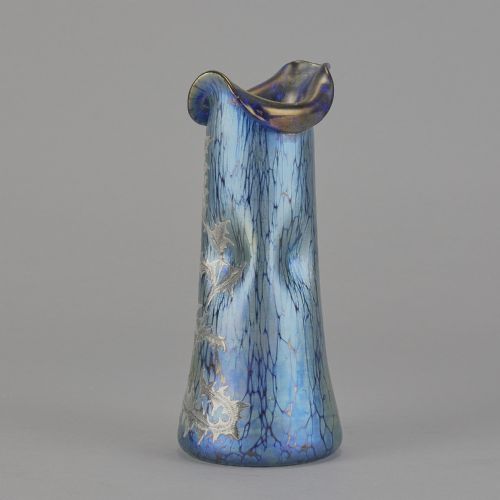
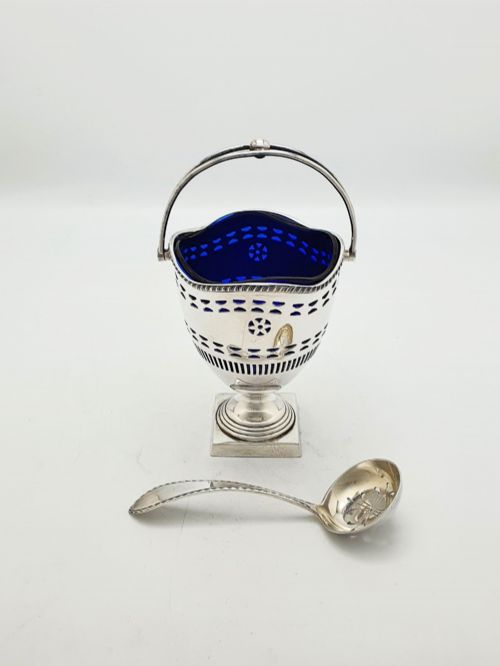
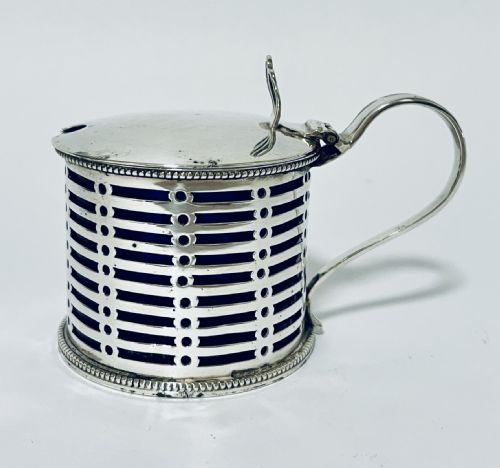
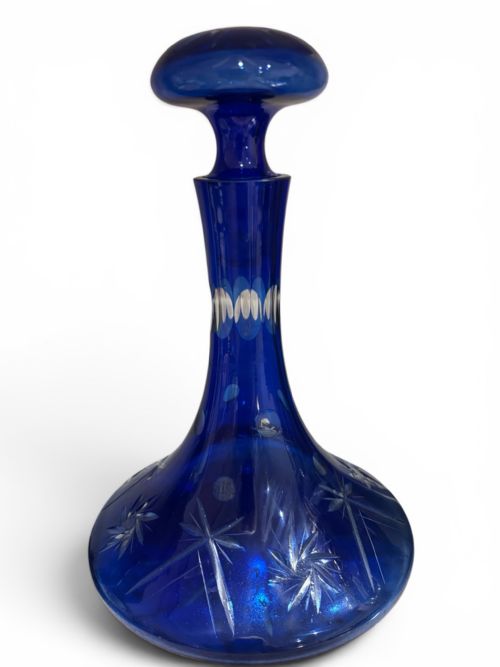
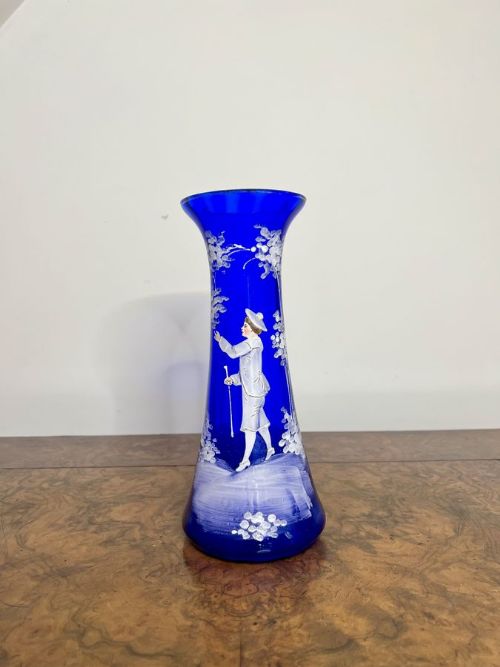
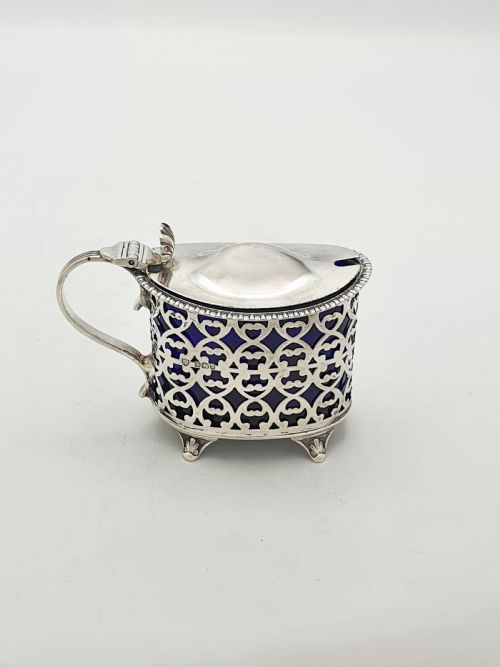
When you search for antique blue glass vessels, you encounter a diverse group of objects spanning several centuries, including vases, decanters, mustard pots, sugar bowls, and scent bottles.
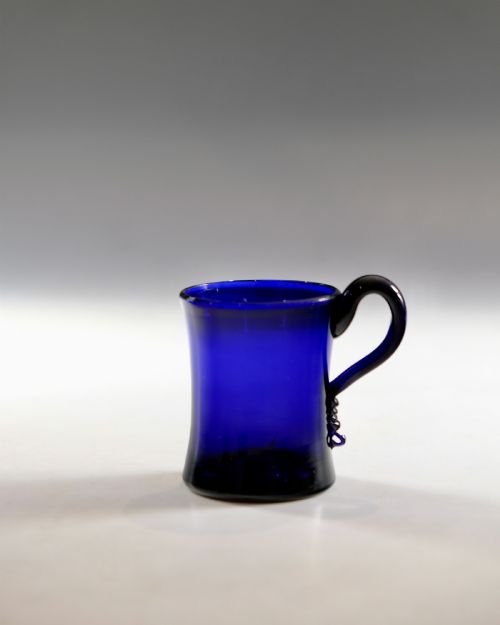
The material appears in deep cobalt, pale turquoise, and sapphire tones, shaped by makers in England, Bohemia, France, and Belgium.
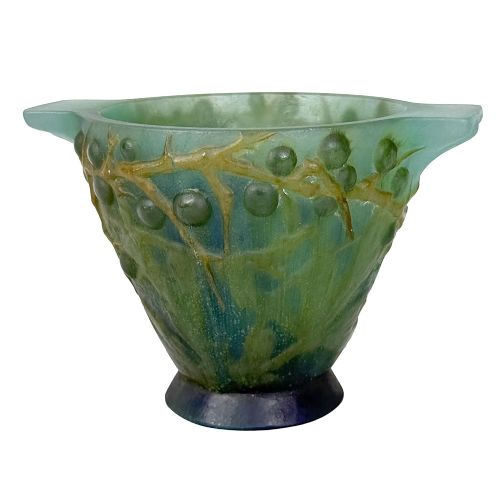
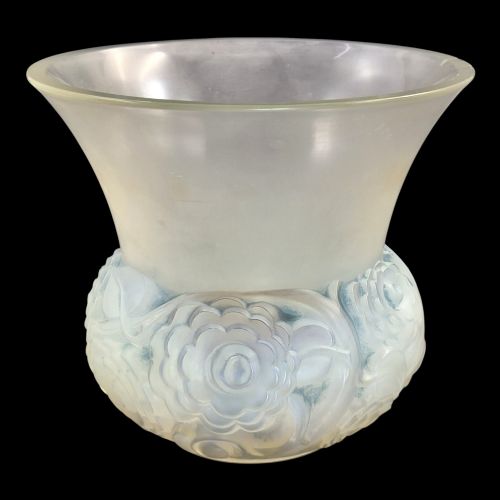
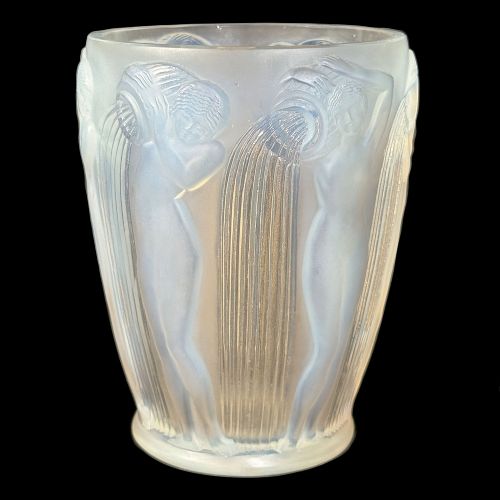
You are most likely to meet Victorian and Edwardian examples on this page, alongside Georgian tablewares and Art Deco opalescent or pate de verre pieces.
How they were made
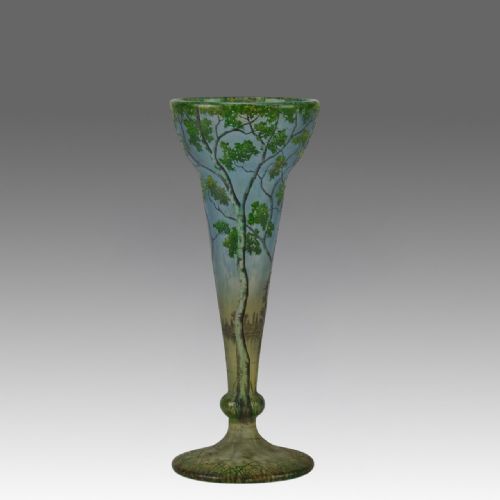
Glassmakers utilised techniques such as cutting to clear, cameo layering, enamelling, and moulding to create depth within the cobalt or cased material.
Techniques like acid etching and pate de verre appear in later twentieth-century pieces, showing the evolution of studio and factory production.
Listings feature glass from the 18th Century through to the Art Deco period, incorporating silver, enamel, and pewter.
What varies in quality
The skill of the glass cutter or maker dictates the crispness of the facets, the subtlety of the cased layers, and the precision of the cameo carving.
The weight and purity of the accompanying sterling silver or enamel mounts often reflect the overall ambition of the piece.
Henry Bergé for Amalric Walter·Loetz Witwey·Daum Frères·R Lalique·Val St. Lambert·Galle·Charles Stuart Harris
The Antique Blue Glass Vessels Glossary
- Cobalt Glass
- Glass coloured with cobalt oxide, yielding a rich, deep blue tone. This pigment was widely used across Victorian and Bohemian production.
- Cased Glass
- Glass made from multiple distinct layers of different colours fused together before shaping. The outer layer is often cut away to reveal the contrasting colour underneath.
- Cameo Glass
- Glass vessels created by carving or acid-etching through an outer layer of glass to expose a different colour beneath. This technique demands immense patience from the maker.
- Pate de verre
- A glass-casting method using powdered glass packed into a mould and fused in a kiln. The resulting objects display a characteristic textured translucency.
- Opalescent Glass
- Glass that diffuses light with a milky, pearlescent glow, shifting in tone depending on the angle of illumination. Art Deco designers utilised this effect extensively.
Antique Blue Glass Vessels: Frequently Asked Questions
How do I clean antique glass vessels?
Wash them gently by hand in lukewarm water using mild detergent. Avoid abrasive sponges that can scratch the surface.
Dry them immediately with a soft lint-free cloth to prevent water spots, particularly on pieces with silver mounts.
Are all blue glass vessels cobalt?
No, while cobalt is the most common pigment, the selection includes turquoise, sapphire, and cased varieties. Each colour comes from different mineral oxides added during melting.
Makers also used shading and staining to alter the apparent hue across the surface.
How can I tell Georgian glass from Victorian?
Georgian pieces often display simpler forms, heavier pontil marks, and hand-blown characteristics. Victorian production brought pressed glass, brighter chemical colours, and complex cut designs.
Examining any accompanying silver hallmarks can also provide a precise manufacturing date.
Can I use these vessels for holding liquids?
Most decorative vases, decanters, and condiment pots served practical functions originally. However, older glass can be fragile and sensitive to sudden temperature changes.
It is wise to check for internal residues or hairline fractures before introducing liquids.