




Antique Blown Art Glass
Antique blown art glass brings shape and colour to a room through centuries of skilled glassmaking traditions.
Antique Blown Art Glass
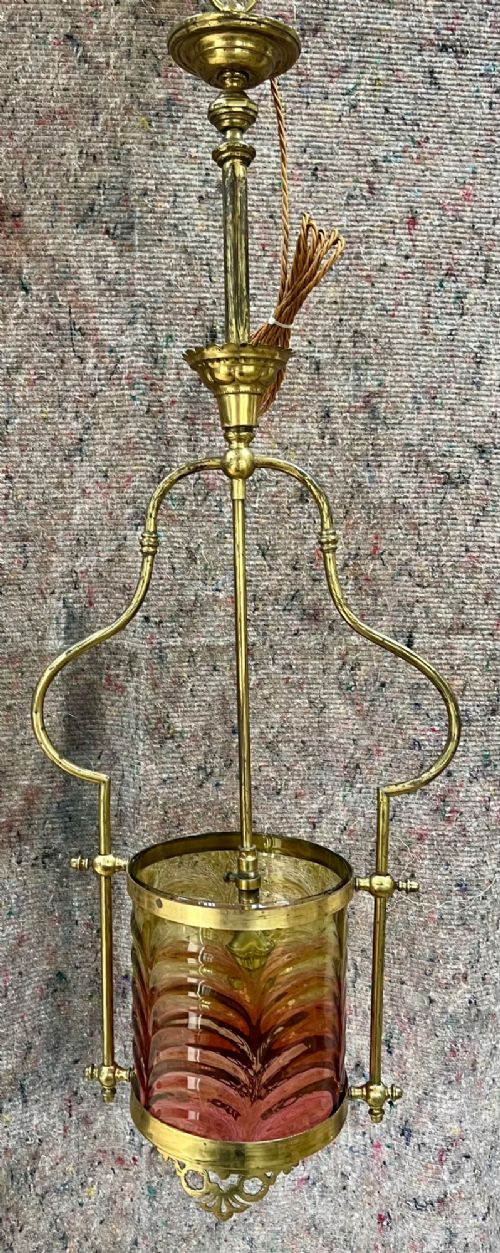
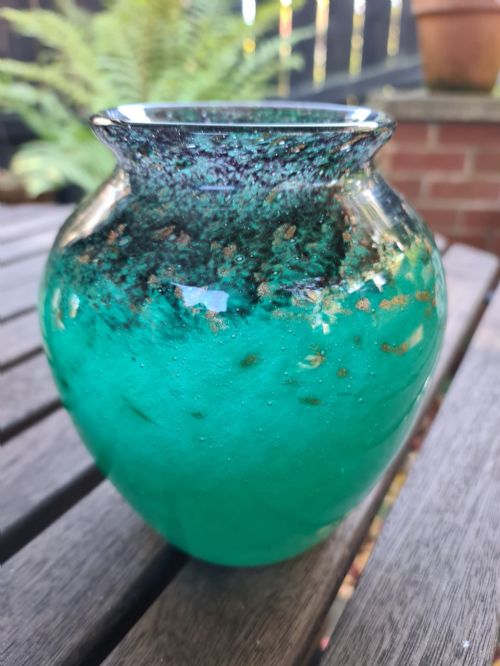
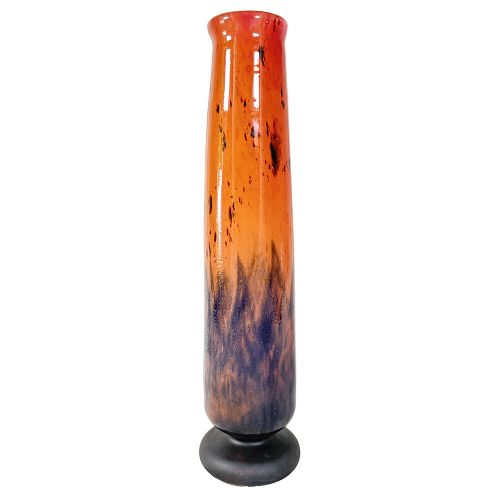
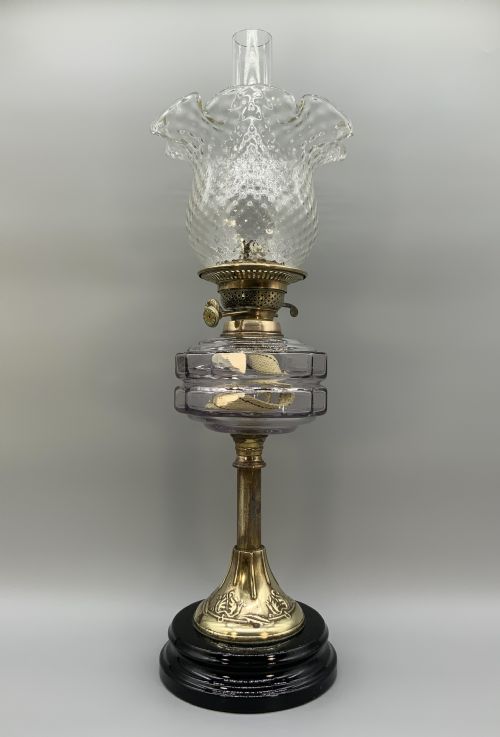
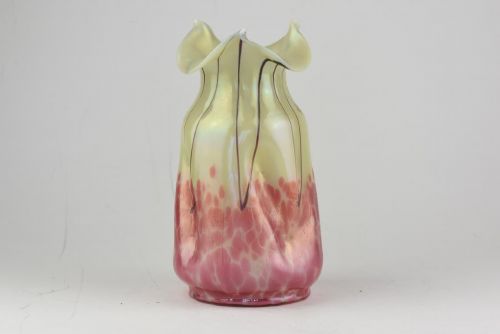
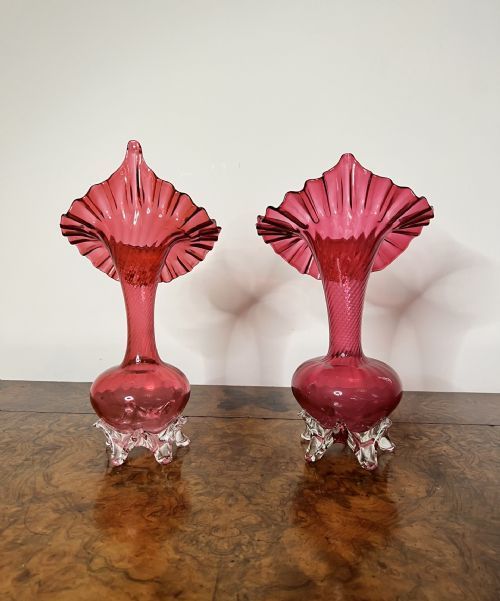
Antique blown art glass encompasses decorative objects, vases, decanters, and lighting shaped by hand across the Victorian, Edwardian, and twentieth-century periods. Buyers seek out these pieces for their varied forms, including jack-in-the-pulpit vases, rolling pins, and witches balls, which represent diverse historical aesthetics.
The objects span Victorian styles alongside Art Nouveau, Art Deco, and Arts and Crafts designs. On this page, you will frequently encounter vessels and lighting utilising techniques from specific British, French, Venetian, and Scottish makers.
How they were made
The manufacture of these pieces relies primarily on glassblowing, often combined with optical blowing to create internal patterns within the vessel walls. Makers manipulated molten glass while hot, incorporating coloured elements such as cranberry glass, amber glass, and uranium green glass.
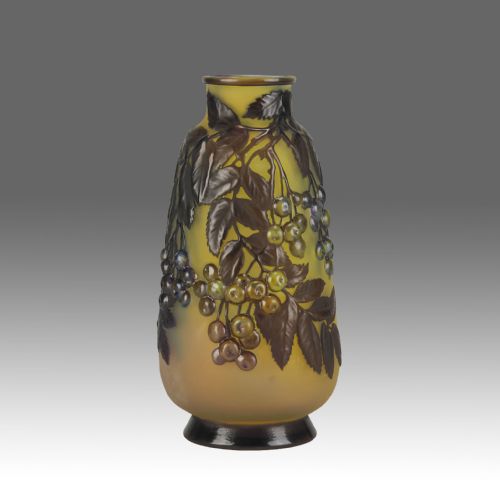
Many items incorporate additional decorative methods, including cameo glass layering, enamel painting, and acid-etching. Metal mounts in brass or wrought iron frequently support or frame the blown glass components.
Witches balls were tucked into cottage windows to trick local spirits into staring at their own reflections instead of causing mischief.
What varies in quality
Quality in these glass pieces rests on the complexity of the design, the depth of colour, and the precision of the form achieved by the maker. Pieces attributed to recognised workshops or designers demonstrate superior handling of optical effects and cameo layering.
The integration of metalwork with glass, such as wrought iron or brass framing, also distinguishes finer examples. Furthermore, the crispness of wheel-engraving and the balance of asymmetric Art Nouveau shapes separate ordinary items from exceptional ones.
Daum·Pallme Konig·Stevens & Williams·Gallé·Pauly & Co.·James Powell·Stuart·Liberty·Archibald Knox·Monart
The Antique Blown Art Glass Glossary
- Cranberry glass
- A transparent pinkish-red glass coloured with gold chloride. It appears frequently in Victorian tablewares and vases.
- Cameo glass
- A vessel made with multiple layers of different coloured glass, carved or acid-etched to create a raised design. Gallé utilised this method extensively.
- Latticinio
- A Venetian glass technique embedding opaque white threads within clear or coloured glass to form delicate net patterns.
- Optical blowing
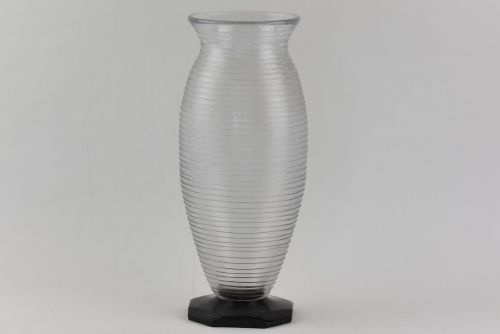
- A method of inflating molten glass inside a ribbed mould to create consistent internal patterns or fluting in the body.
- Witches ball
- A hollow glass sphere traditionally hung in windows to ward off evil spirits. These display swirling coloured threads within the glass.
Antique Blown Art Glass: Frequently Asked Questions
What is antique blown art glass?
Antique blown art glass comprises hand-shaped vessels, lighting, and decorative objects produced from the nineteenth century through the 1930s. These items range from Victorian cranberry glass to Art Nouveau and Art Deco creations by renowned makers.
Craftsmen utilised techniques like optical blowing, cameo layering, and latticinio work to achieve varied textures and colours. Collectors value them for their artistic designs and traditional manufacturing methods.
What is cameo glass?
Cameo glass is a vessel formed with two or more distinct layers of coloured glass fused together. Artisans then carve away the outer layer to reveal a contrasting design.
This labor-intensive technique gained prominence during the Art Nouveau period through makers like Gallé. The resulting pieces often showcase floral or botanical subjects in relief.
How should I display art glass?
Displaying art glass near natural light highlights the colours and internal optical patterns of pieces like vases and bowls. Positioning them on sturdy surfaces away from high-traffic edges ensures their safety.
For hanging lights and oil lamps, secure installation by a professional is recommended to support the combined weight of glass and brass components.