





Antique Black Powder Pistol
These antique black powder pistol items are historic firearms spanning the Georgian and Victorian eras, prized by collectors for their martial heritage and mechanical ingenuity.
Antique Black Powder Pistol
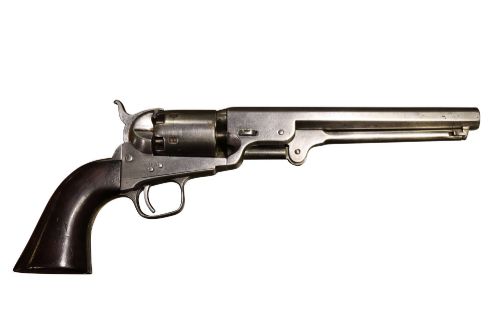
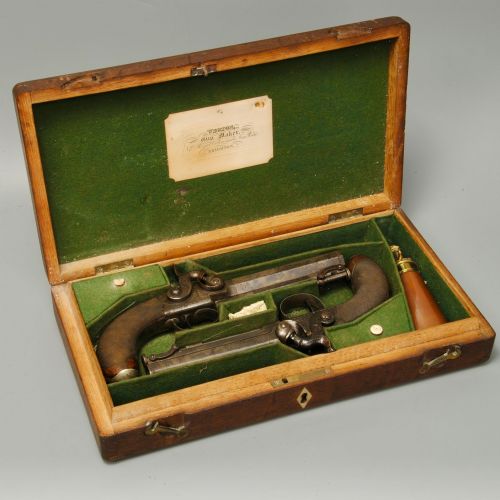
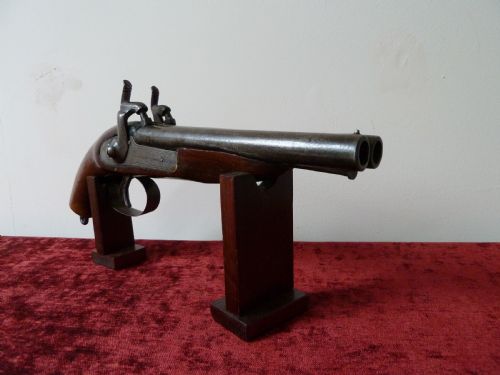
When searching for an antique black powder pistol, you encounter service arms, belt pistols, and holster pistols originating from British and French makers. These pieces span the eighteenth and nineteenth centuries, taking forms such as flintlock and percussion ignition systems.
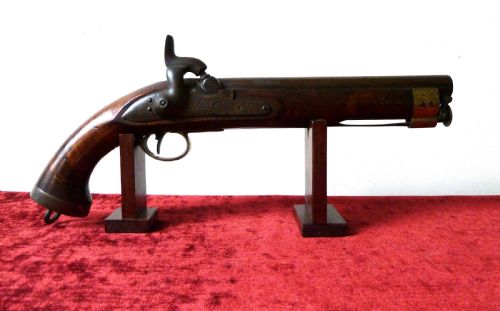
The most common versions met here include British military service arms and cavalry pieces from the Georgian and Victorian periods. You also find French holster pistols and East India Company military percussion pistols among the selections.
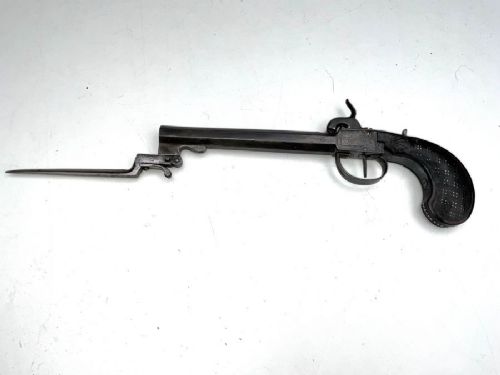
Forms range from smoothbore officer sidearms to belt pistols equipped with bayonets, reflecting the changing tactical needs of military personnel. Each specimen preserves the distinct mechanical layout of its specific decade of production.
Construction and materials
Gunmakers constructed these arms using robust combinations of steel, iron, and brass for the barrels, lock plates, and furniture. Brass furniture and iron or steel mechanisms contrast with timber stocks.
Stocks are typically shaped from walnut, exhibiting the grain patterns and period wear accumulated through military or civilian use. Lock plates and barrels frequently carry proof marks, retailer signatures, or crown stamps.
Antique Black Powder Pistol Retail Price Guide 2026
Typical asking prices for black powder pistol among the pieces listed under this phrase on Sellingantiques today, from the lower quarter to the upper quarter. They describe what is for sale here now, not the wider market.
Some nineteenth-century models arrived ready for close quarters with a folding bayonet bolted straight beneath the barrel.
Assessing quality and character
Quality separates ordinary service pieces from finer signed examples by the crispness of the lock markings and the integrity of the walnut stock. Legible stamps, such as crown cyphers or maker signatures, elevate a piece's historical clarity.
The sophistication of the mechanism, whether a smooth-working flintlock action or a crisp percussion system, defines the upper tier of these firearms. Original brass furniture and retained elements like attached bayonets distinguish the more complete survivals.
The Antique Black Powder Pistol Glossary
- Flintlock
- An ignition mechanism where a flint strikes a steel frizzen to produce sparks that ignite the black powder charge. This system predates percussion caps.
- Percussion
- A later ignition method utilising a percussion cap struck by the hammer to detonate the powder charge. It superseded the flintlock in the nineteenth century.
- Smoothbore
- A barrel lacking internal rifling, designed to fire lead balls without imparting spin. Most military pistols of the Georgian era utilised this bore type.
- Holster pistol
- A large firearm carried in a saddle holster rather than on a belt. These were standard equipment for cavalry officers and travellers.
Antique Black Powder Pistol: Frequently Asked Questions
How do I care for my antique black powder pistol?
Keep the piece in a dry, stable environment away from direct sunlight to protect the walnut stock and metal surfaces. Lightly oil the steel and iron components periodically to prevent oxidation.
Avoid using modern cleaning solvents on historic finishes or stamped markings. Gentle dusting with a soft cloth preserves the original surface patination.
Were these pistols used in combat?
Many examples on this page served military roles, including British Army officers' sidearms and East India Company martial pieces. Their robust construction reflects standard issue requirements for active service.
Other variations, such as French holster pistols, served similar defensive and martial functions during the eighteenth and nineteenth centuries.
What periods do these pistols cover?
The available selection spans from the mid-eighteenth century through the Victorian era. Georgian pieces include Napoleonic-era flintlocks marked with crown cyphers.
Nineteenth-century items predominantly feature percussion ignition systems used by cavalry and military officers up to the eighteen-sixties.