

Antique Bird Illustrations
These antique bird illustrations bring the natural world onto your walls through centuries of fine watercolour, lithography and engraving.
Antique Bird Illustrations
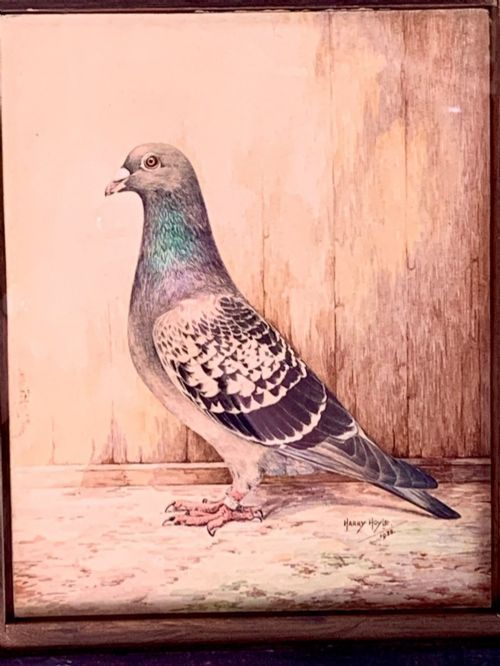
Antique bird illustrations span centuries of natural history study, capturing avian life through detailed prints, lithographs and paintings. Collectors encounter works originating from the Georgian, Regency, Victorian and Edwardian periods.
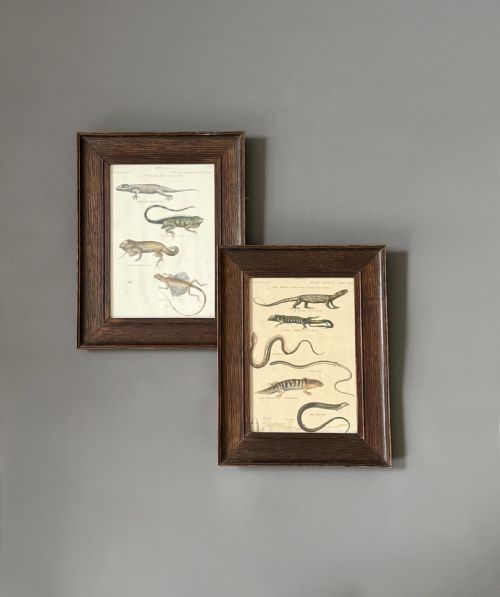
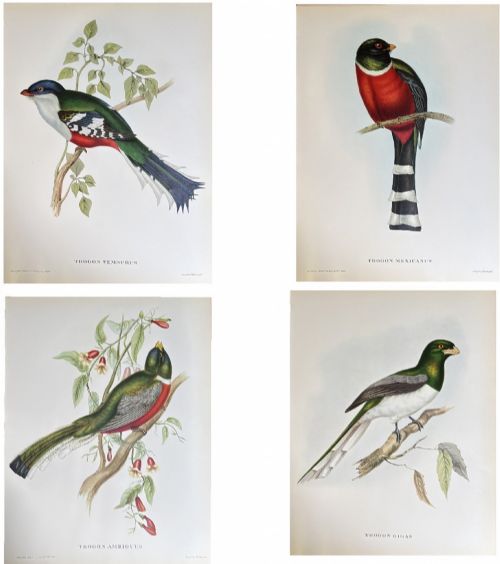
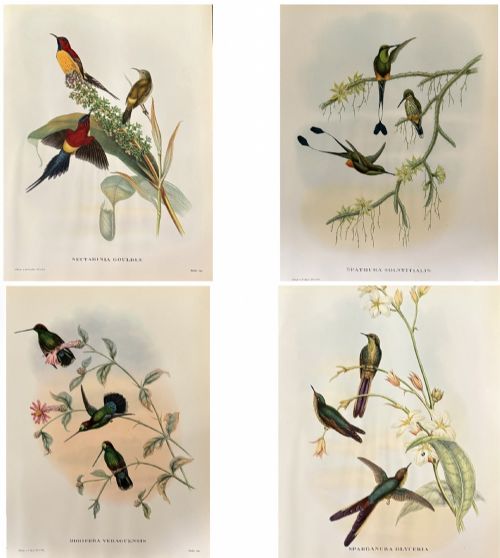
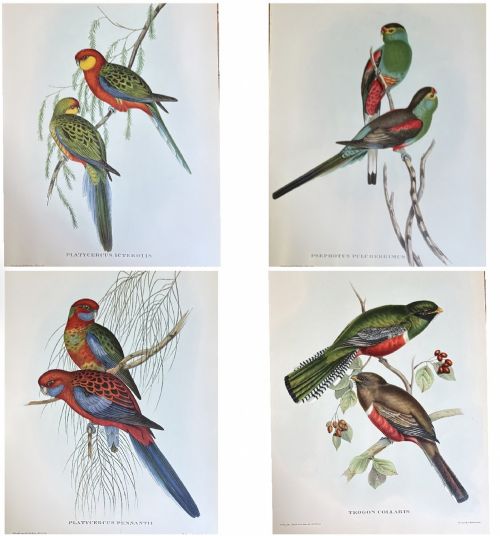
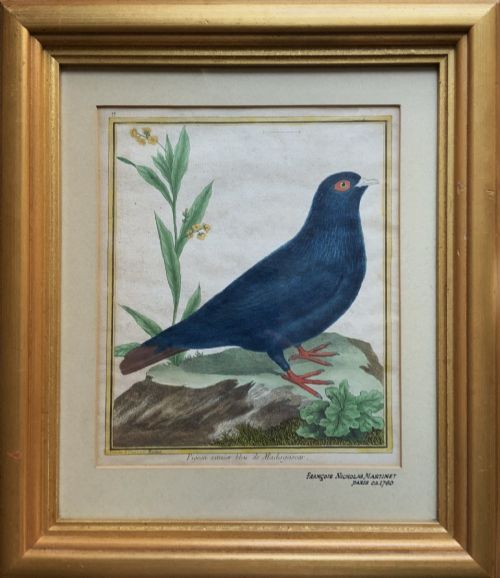
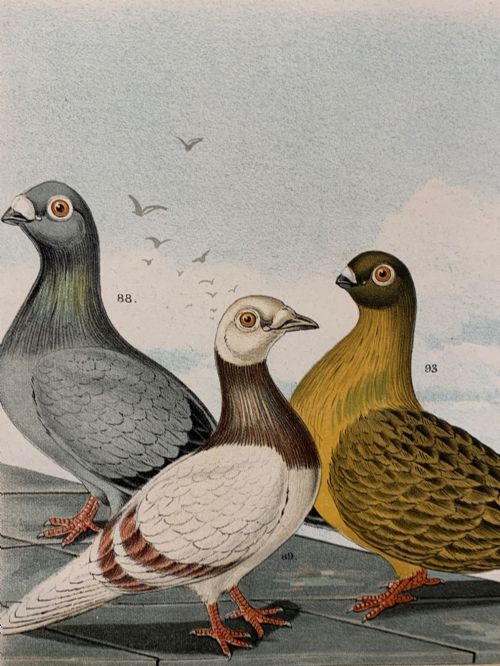
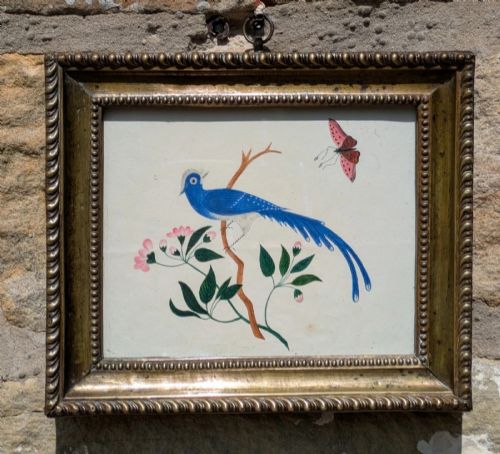
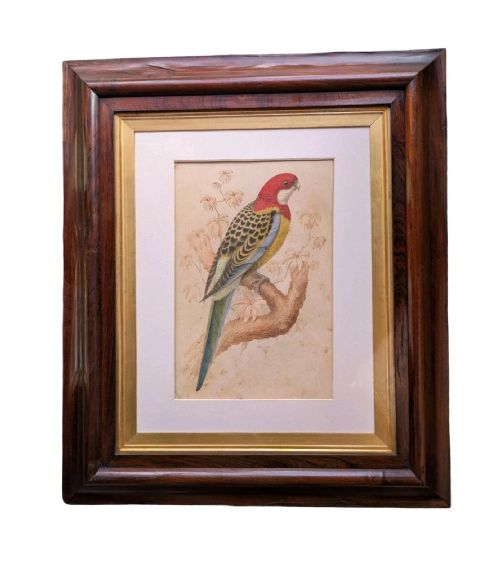
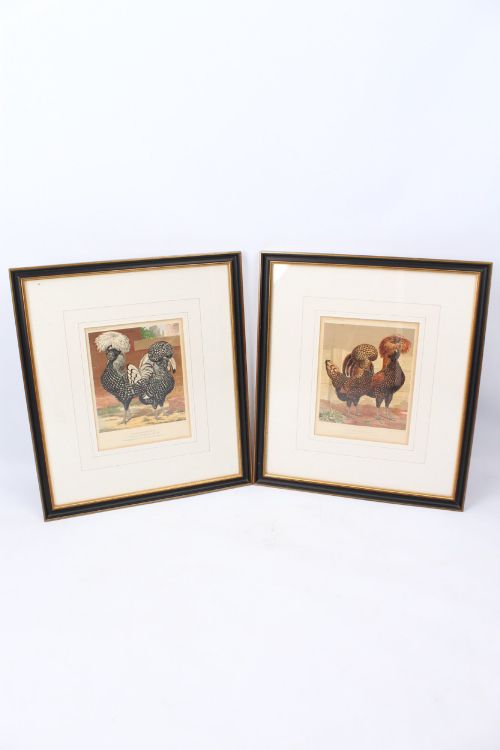
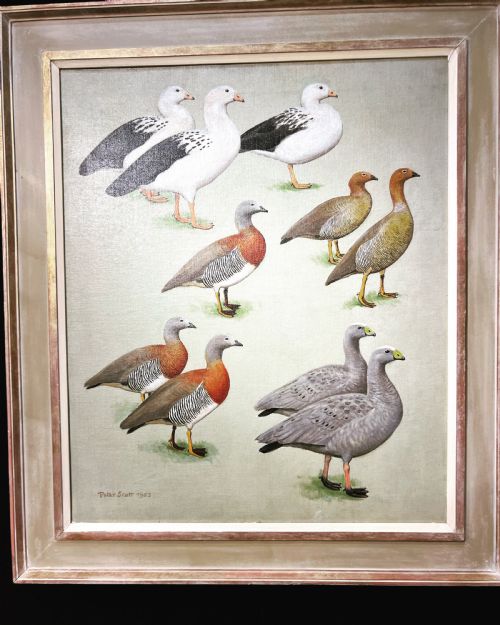
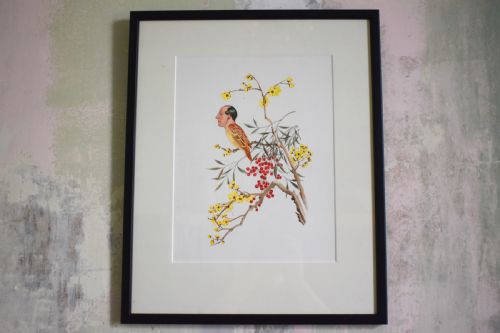
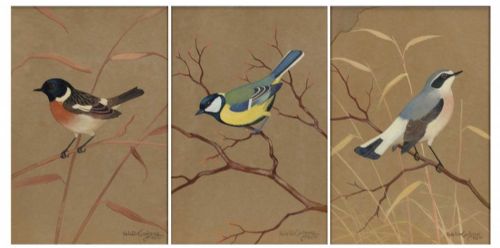
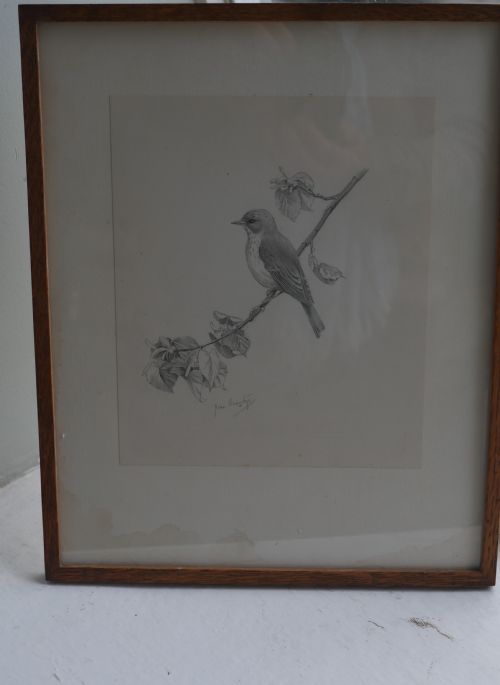
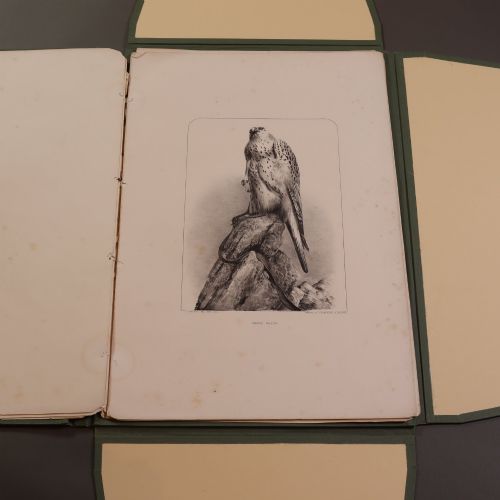
The selections on this page range from framed engravings of tropical species and garden birds to original watercolour paintings and lithographic sets. Works vary in scale from intimate individual studies to large framed ornithological plates.
How they were made
Artists and naturalists produced these works on paper using ink, watercolour and hand-colouring techniques applied to copperplate engravings and lithographs. Many plates received vibrant washes of pigment by hand to record plumage accurately.
Framing materials reflect the period of presentation, utilising wood, glass, ebonised frames and deep giltwood mounts to protect and display the delicate paper artwork.
Listings feature works created across multiple eras, including Georgian, Regency, Victorian and Edwardian periods.
What varies in quality
Quality rests in the precision of the draughtsmanship and the crispness of the original engraving lines beneath the pigment. Hand-applied colour shows varying degrees of subtlety and tonal blending by the artist or colourist.
The preservation of the paper support and the vibrancy of the original watercolours and inks dictate the visual impact of the piece. Period framing, such as ebonised wood with gilt mounts, also contributes to the overall standing of the work.
François-Nicolas Martinet·George Edwards·William Swainson·Edward Lear·Harry Bright·Ralston Gudgeon
The Antique Bird Illustrations Glossary
- Lithography
- A planographic printing process using a flat stone or metal plate on which image areas accept ink and non-image areas reject it. This technique allowed publishers to produce detailed multi-coloured bird prints in volume during the nineteenth century.
- Engraving
- A printmaking method where an artist cuts lines directly into a metal plate with a burin to hold ink. The resulting impressions display fine linear detail foundational to early scientific illustration.
- Giltwood
- Wood that has been coated with a thin layer of gold leaf or gilt. This finish frequently appears on period picture frames enclosing fine prints and watercolours.
Antique Bird Illustrations: Frequently Asked Questions
How do I date an old bird print?
Dating relies on the printing technique, paper characteristics, and stylistic conventions of the period. Engravings and hand-coloured lithographs often bear publication dates or stylistic markers tied to specific nineteenth-century natural history publications.
Examining the framing materials and any inscriptions on the reverse can provide additional contextual clues regarding the age of the piece.
Are these works hand-painted?
Many nineteenth-century plates began as monochrome engravings or lithographs which studio colourists then enhanced by hand using watercolour washes. Original paintings executed directly on paper also appear frequently in this category.
Close inspection under magnification reveals the brushwork applied over printed outlines in hand-coloured examples.
How should I frame and hang antique paper art?
Protect antique watercolours and prints by keeping them away from direct sunlight to prevent the fading of delicate pigments. Acid-free mounting materials help preserve the integrity of the paper over time.
Displaying pieces in stable indoor environments avoids damage from humidity fluctuations that can affect paper and giltwood frames.
What is the difference between an engraving and a lithograph?
An engraving involves cutting lines into a hard plate to hold ink, producing sharp, fine lines and clear plate marks on the paper. Lithography relies on chemical repulsion between grease and water on a flat surface, allowing for softer tonal gradations.
Both mediums served as the primary methods for reproducing natural history illustrations before modern photography.