

Antique Birch Table
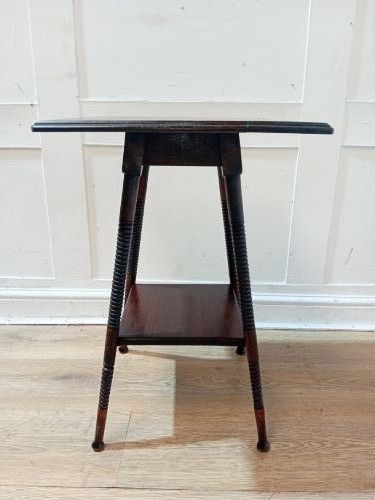
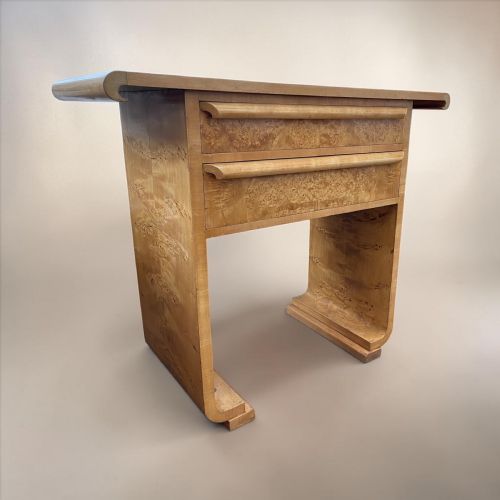
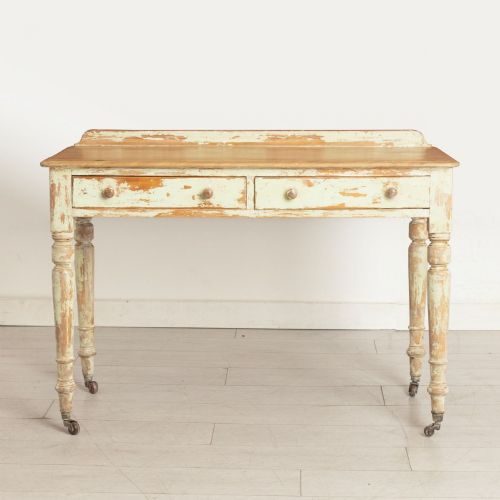
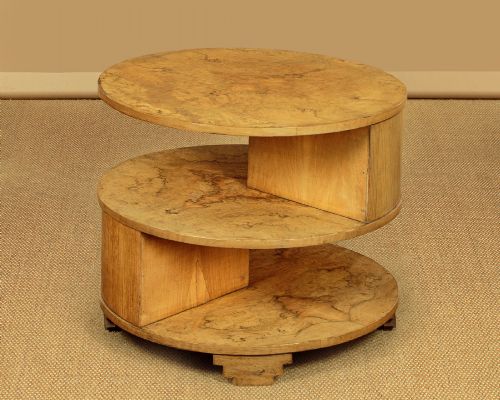
An antique birch table brings pale, figured timber and clean Scandinavian or Victorian proportions into a room.
Antique Birch Table
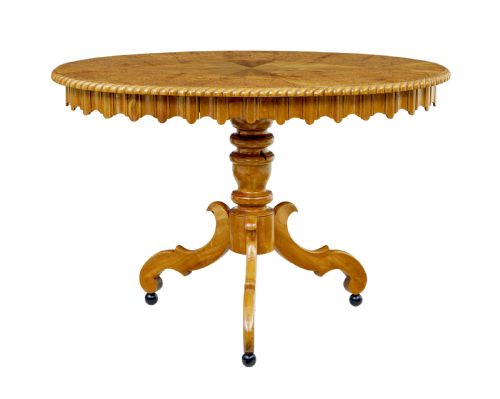
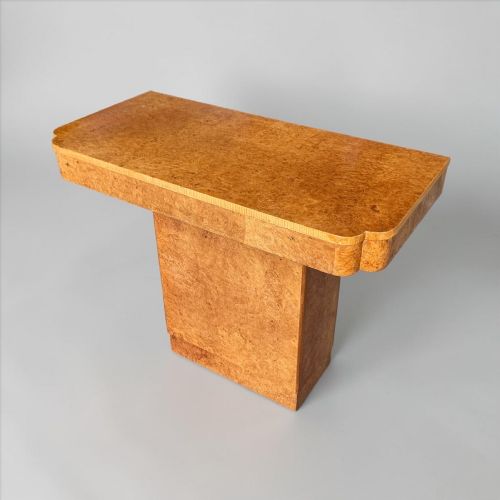
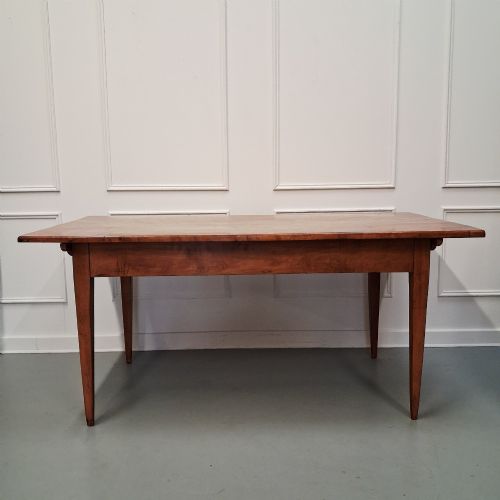
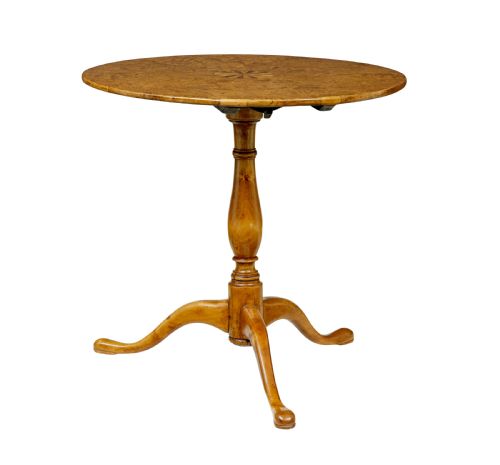
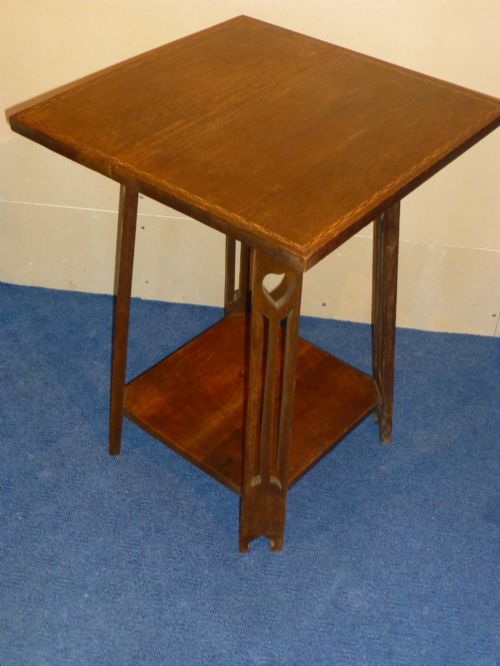
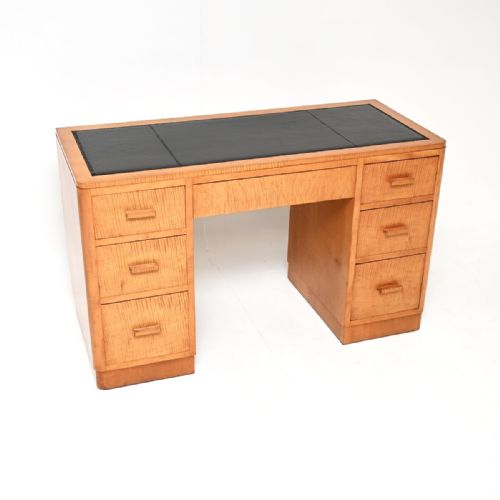
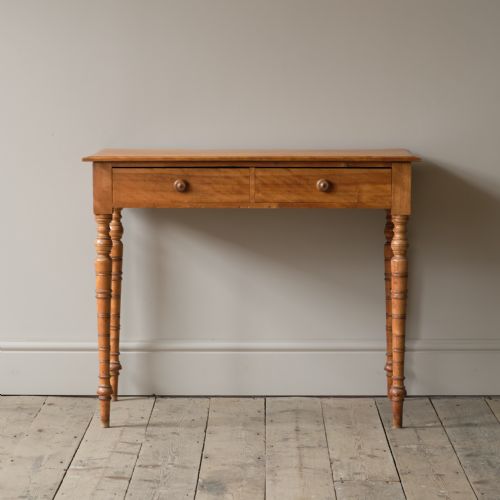
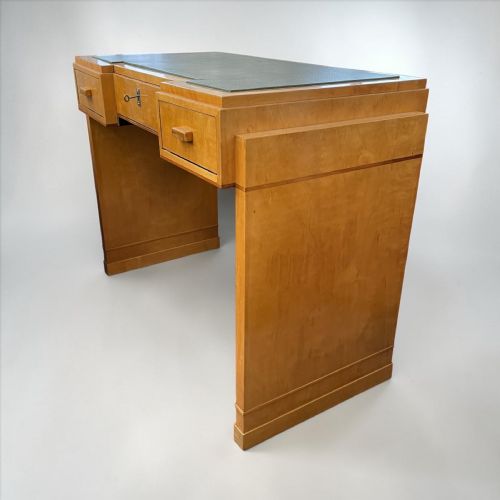
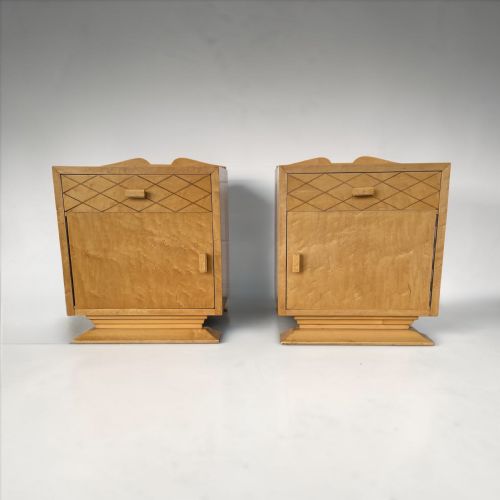
When you search for an antique birch table, you encounter a wide selection of furniture types spanning the nineteenth century through the Art Deco era.
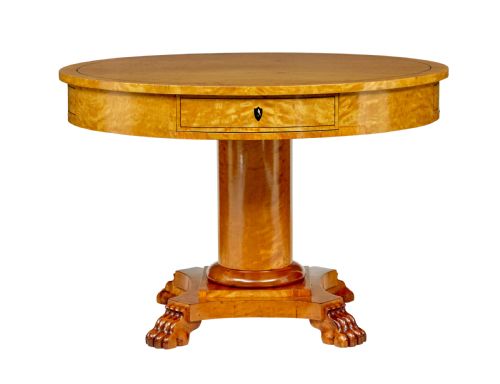
The most common forms on this page include occasional tables, side tables, writing desks, and centre tables, often originating from Sweden or Britain.
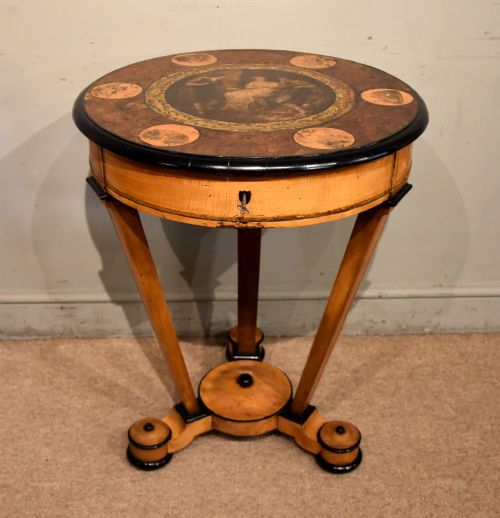
These pieces range from understated Victorian designs to striking Biedermeier and Scandinavian Art Deco creations.
How they were made
Cabinet makers utilised birch, satin birch, burr birch, and karelian birch, frequently selecting veneers to highlight the natural grain figures of the wood.
Many items incorporate details such as brass mounts, leather writing surfaces, ebonised wood accents, marble tops, and chequered or inlaid patterns.
Construction techniques span traditional joinery for nineteenth-century desks and sewing tables as well as streamlined forms for twentieth-century coffee tables and console tables.
Materials recorded across the inventory include solid birch, satin birch veneer, burr birch, brass, marble, and ebonised wood.
What varies in quality
The distinction between tiers rests upon the choice of timber figure, such as highly burred or figured satin birch versus plain stock.
Execution of secondary details like fine inlay, ormolu mounts, and ebony stringing separates standard production pieces from finer cabinet work.
William Birch·Liberty and Co·Fortnum and Mason·Johnstone and Jeanes·Heal and son
The Antique Birch Table Glossary
- Satin Birch
- A lustrous timber variety showcasing a natural shimmering grain pattern, frequently chosen for Victorian desks and dressing furniture.
- Biedermeier
- A Central European style dating from the nineteenth century known for clean geometric lines and emphasis on wood figures.
- Burr Birch
- Wood harvested from tree growths that produces intricate, swirling grain patterns across occasional and centre tables.
- Centre Table
- A freestanding table designed to be viewed from all sides, commonly circular or oval in nineteenth-century interiors.
- Ormolu
- Gilt bronze mounts applied as decorative ornamentation on furniture pieces such as sofas and console tables.
Antique Birch Table: Frequently Asked Questions
How do I clean an antique birch table?
Dust regularly with a dry soft cloth to protect the polished surface. Avoid harsh chemical cleaners that can damage the timber or veneer.
Feed the wood periodically with a suitable furniture wax to maintain the natural lustre of the birch.
Where should I place a centre table?
Centre tables work best in open spaces where they can be viewed from every angle. They serve well in large hallways or principal reception rooms.
Ensure adequate clearance around the piece for movement and seating.
How do I identify Biedermeier furniture?
Biedermeier pieces typically feature restrained forms, minimal ornamentation, and striking wood grains. Ebony contrasting details are common.
Focus on the architectural simplicity rather than heavy carved decoration.
Can I use an antique desk for daily work?
Many nineteenth-century writing desks and pedestal desks offer practical surfaces for contemporary writing tasks. Check the writing height and kneehole dimensions for comfort.
Protect leather inserts with appropriate desk pads during regular use.