


Antique Bentwood
Antique bentwood pieces are steam-shaped marvels of domestic utility that bring slender elegance and resilient structure to any interior.
Antique Bentwood
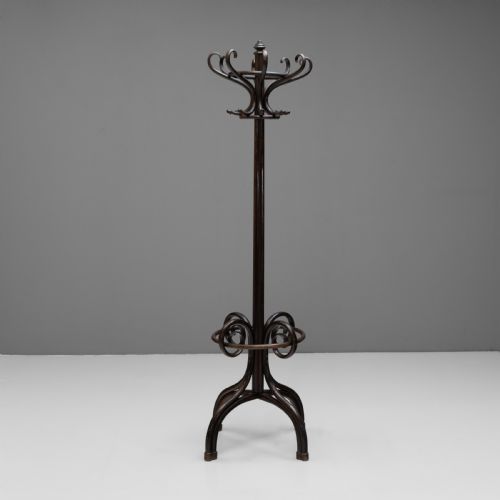
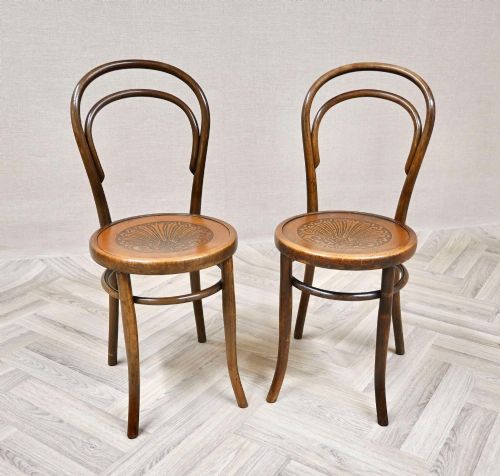
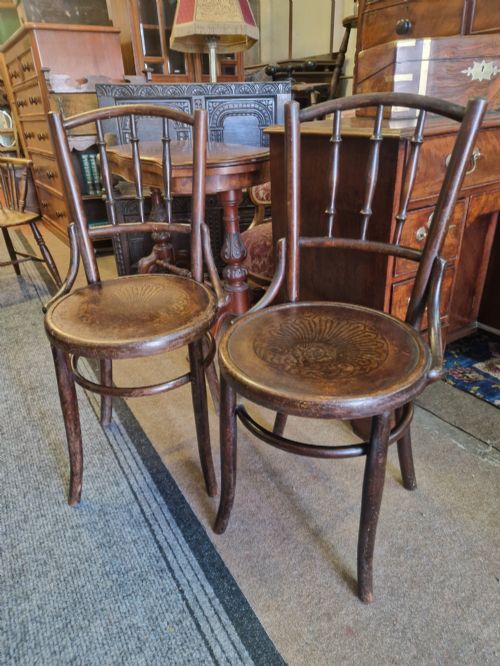
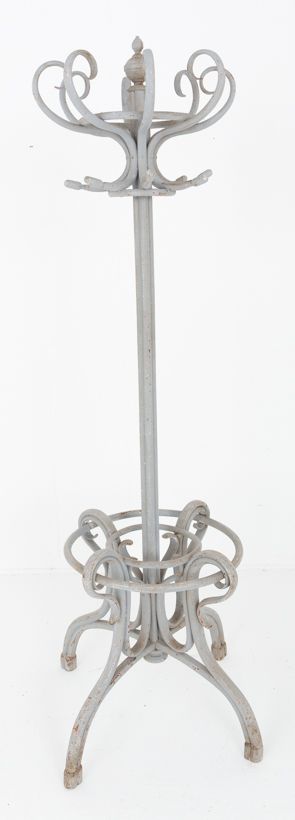
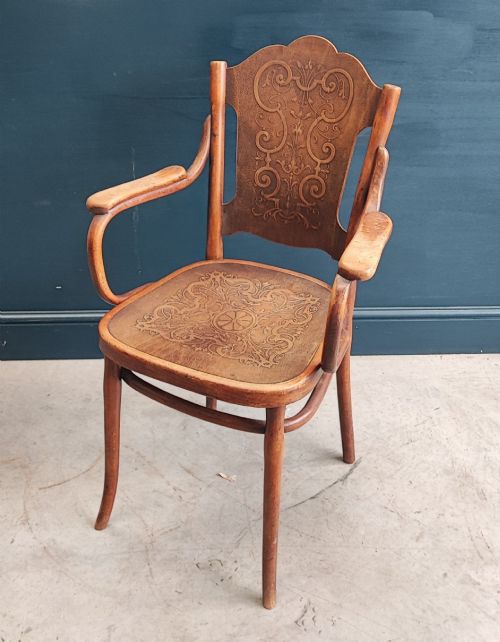
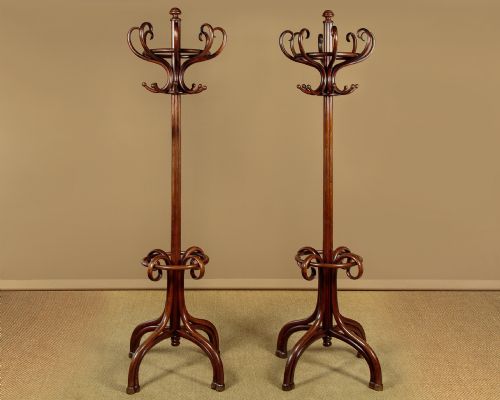
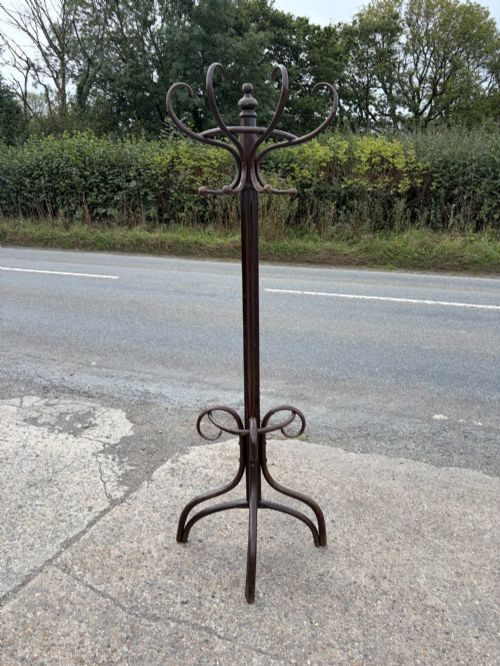
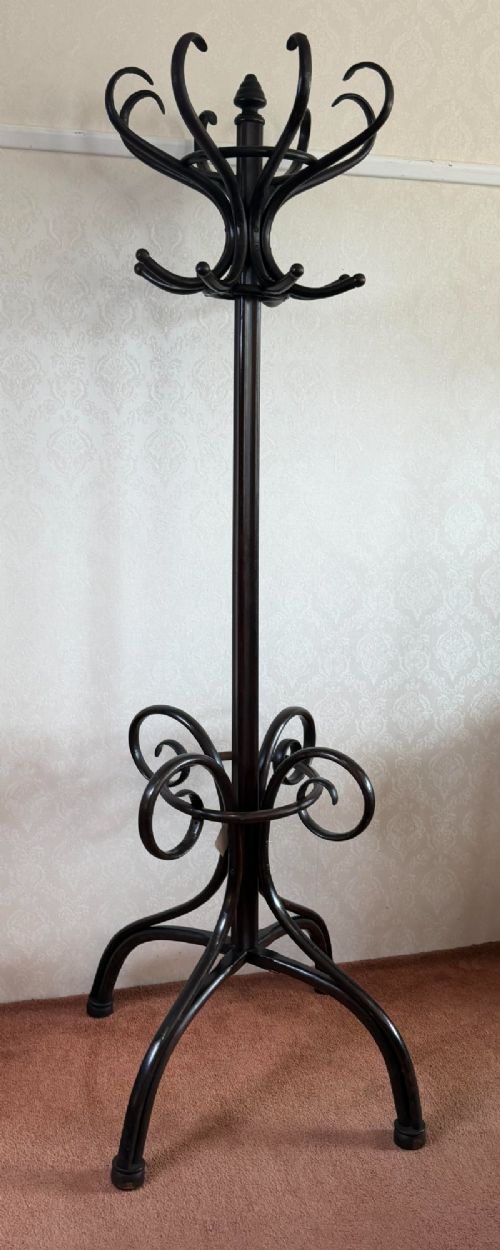
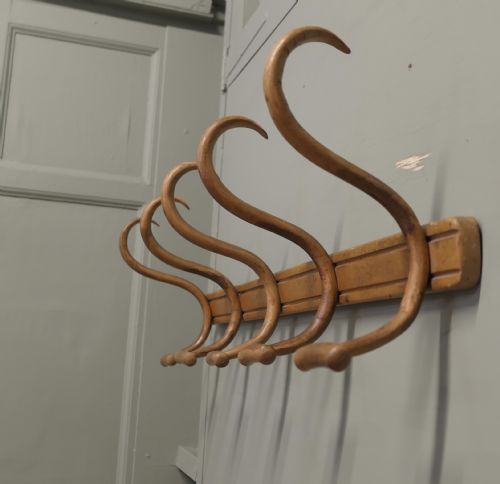
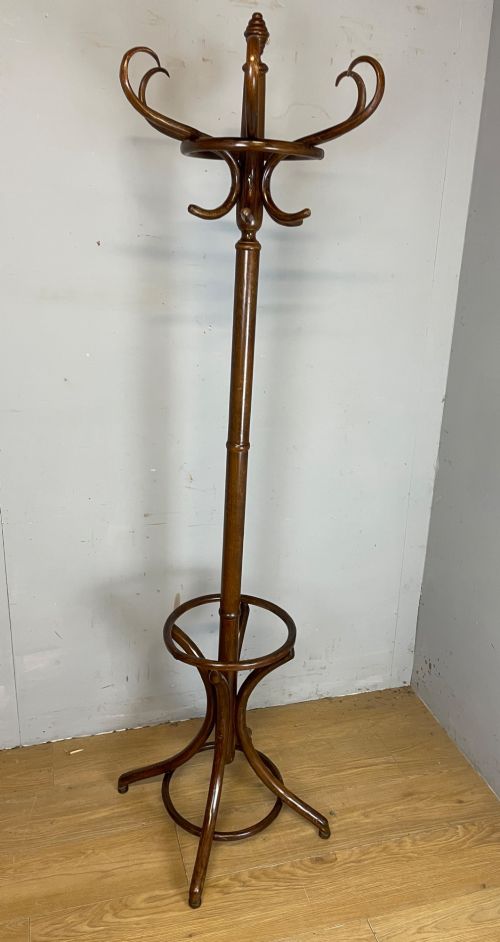
Antique bentwood encompasses seating and vertical hallway furniture designed to harness the remarkable strength of curved timber. Buyers searching this phrase meet domestic forms ranging from dining chairs and rocking armchairs to revolving coat and hat stands.
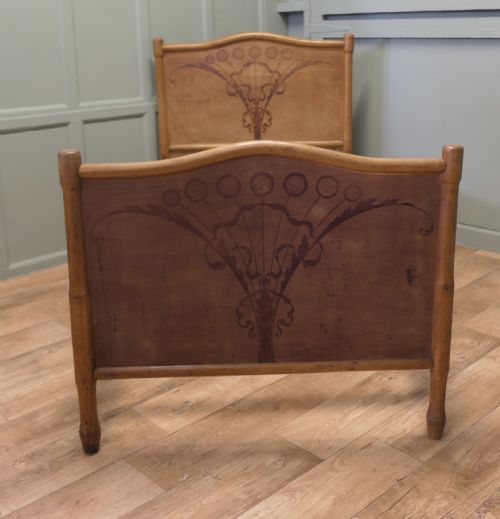
The selection on this page draws heavily on the output of major Central European workshops and British homes from the nineteenth and early twentieth centuries. Chairs and hall stands dominate the current inventory, appearing in styles from Victorian and Edwardian to Art Nouveau and Vienna Secession.
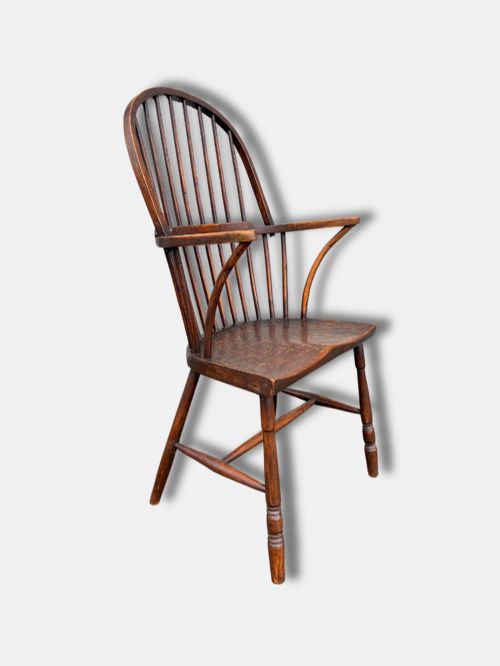
Simpler regional seating and utilitarian pieces also appear alongside commercial café chairs. This mixture reflects the broad adoption of steam-bending techniques across domestic and commercial interiors.
Materials and Technique
Solid beech and beechwood form the structural backbone of these pieces, selected for its ability to accept steam without fracturing. Artisans placed solid lengths of timber into steam chambers until pliable, then locked them into metal forms to set.
Plywood and cane frequently supplement the main frame, providing supportive seats and backrests that maintain the lightweight character of the design. Iron hardware occasionally appears in swivel mechanisms and structural brackets on chairs and stands.
Finishes range from ebonised coatings to honey-coloured varnishes that highlight the natural grain of the bent wood. Leather upholstery is added to desk chairs and armchairs for functional comfort.
Antique Bentwood Retail Price Guide 2026
Typical asking prices for bentwood among the pieces listed under this phrase on Sellingantiques today, from the lower quarter to the upper quarter. They describe what is for sale here now, not the wider market.
The listings span from 1800 through the Art Deco era, incorporating beech, plywood, leather, and iron.
Craft and Preservation
Quality rests in the precision of the curved joints and the integrity of the steam-formed bends under sustained pressure. Stronger examples maintain smooth, continuous lines without micro-fissures or weakness along the curves.
The sophistication of the maker's mark and the complexity of the design separate standard utility models from ambitious workshop pieces. Retained labels and stamps from notable makers elevate the standing of a piece.
Original surfaces and surviving cane work significantly influence the character of the object. Restoration that respects the original construction retains the historical integrity of the timber.
Jacob and Joseph Kohn·Thonet·Harry and Lou Epstein·Codina
The Antique Bentwood Glossary
- Bentwood
- Timber shaped by exposure to steam and bent into permanent curves using metal straps and wooden jigs. This innovation allowed makers to discard heavy joinery in favour of light, continuous frames.
- Vienna Secession
- An artistic movement of the late nineteenth and early twentieth century that rejected historicism in favour of clean geometric lines. Pieces from this circle often display restrained, modern profiles.
- Ebonised
- Wood treated with chemical stains or dark finishes to imitate ebony. This treatment was common on nineteenth-century furniture seeking a formal, dramatic appearance.
- Demi-lune
- A half-moon shape applied to hall stands and console furniture designed to sit flat against a wall. This profile minimises floor intrusion in narrow entranceways.
- Cane
- Woven rattan material used to form light, flexible panels for chair seats and backs. It offers resilience and breathability.
Antique Bentwood: Frequently Asked Questions
How do I care for antique bentwood furniture?
Keep these pieces away from direct heat sources and dramatic humidity shifts, which cause steam-bent timber to warp or strain at the glued joints.
Dust regularly with a dry cloth and occasionally nourish the wood with a traditional wax polish to maintain the finish.
Can I use an antique bentwood chair daily?
Most of these chairs were engineered for commercial cafes and domestic dining rooms, meaning they handle regular seating when structurally sound. Check that the original screw fixings and curved joints remain secure before placing them into heavy daily service.
Avoid standing on chairs or rocking violently on models not designed for motion.
How do I identify a Thonet piece?
Look for paper labels, brand stamps, or burnt-in signatures on the underside of the seat frames or along the structural rails. The execution of the curves and the clever economy of parts also point toward the firm's standardised production methods.
Many pieces made in the same style by rival workshops share a similar aesthetic without bearing the exact stamp.
Where do coat stands fit best?
Revolving and half-round coat stands suit entrance halls, narrow corridors, and bedroom corners where vertical storage is required. Their weighted bases and slender profiles provide stability without cluttering the floor space.
They pair well with both period interiors and modern minimalist rooms.