



Antique Bell Clock
An antique bell clock brings the resonant chime of centuries past into a room, combining precise mechanical movement with acoustic presence.
Antique Bell Clock
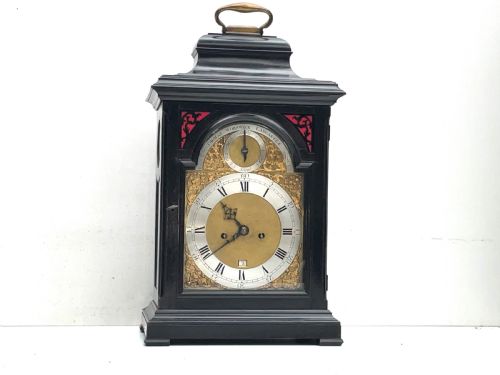
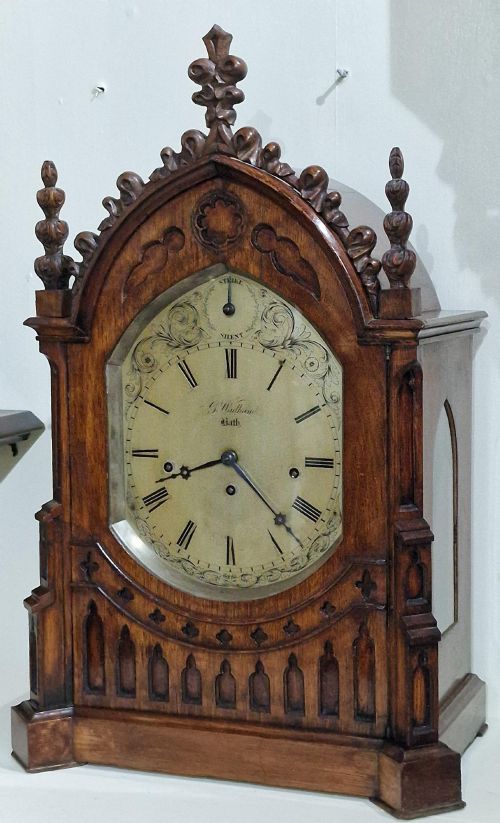
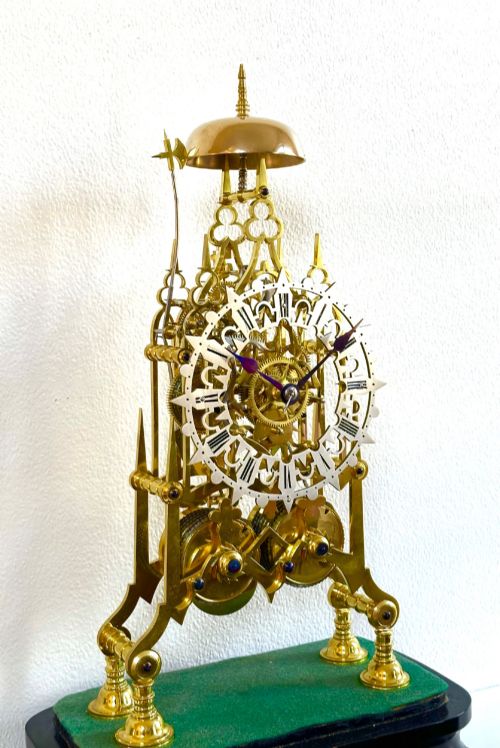
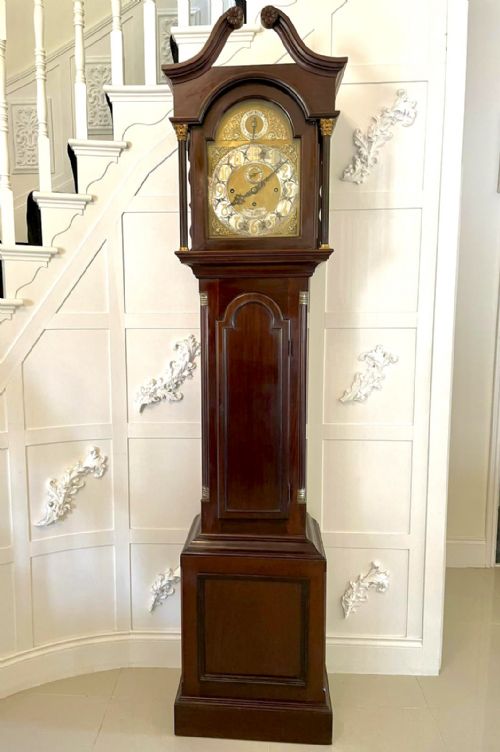
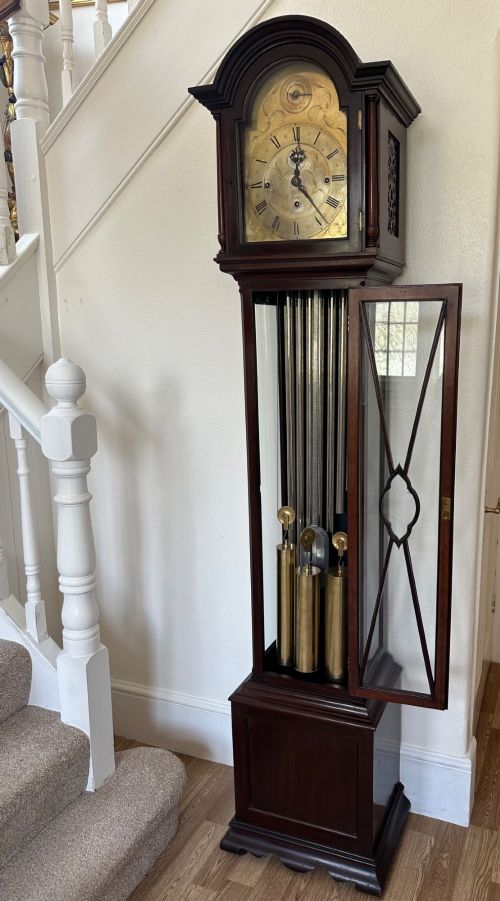
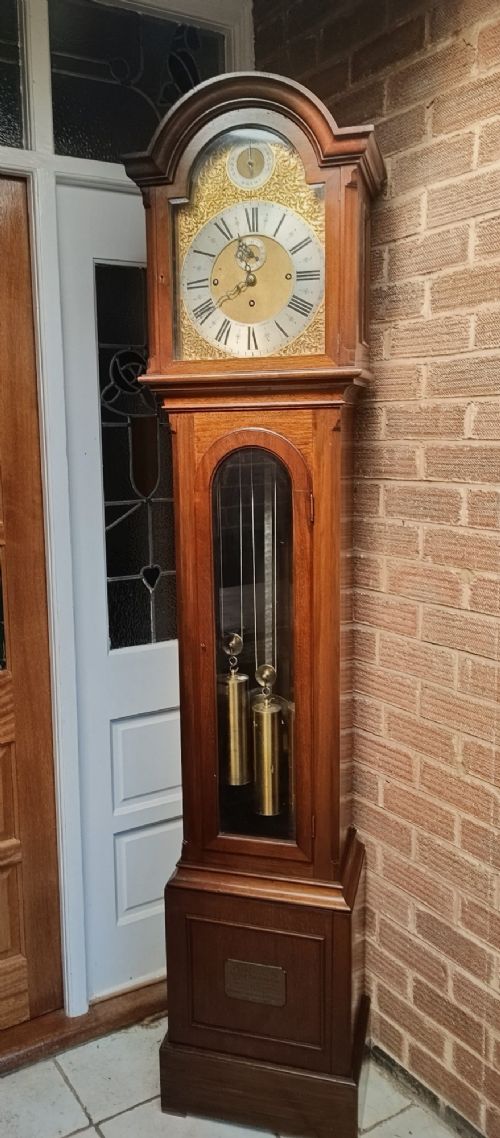
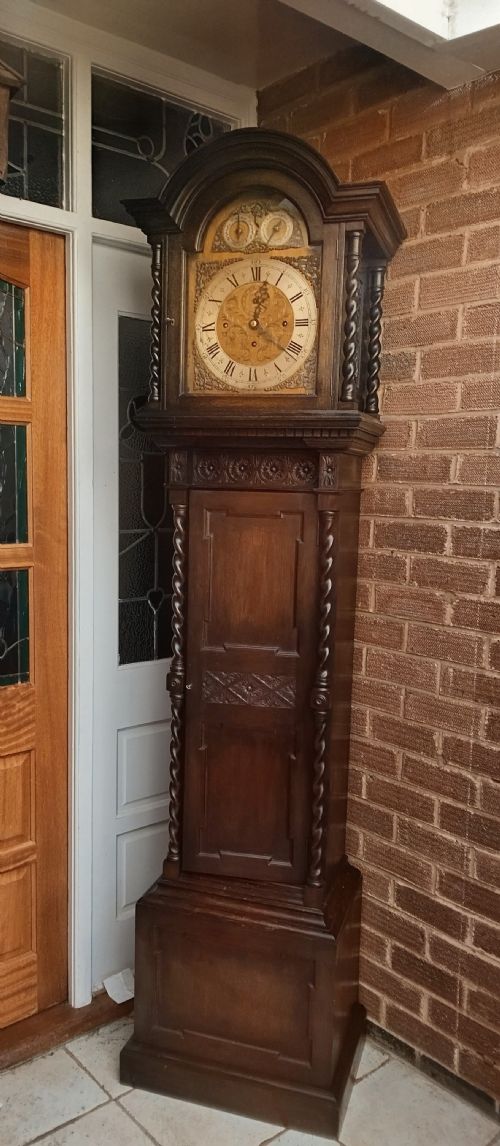
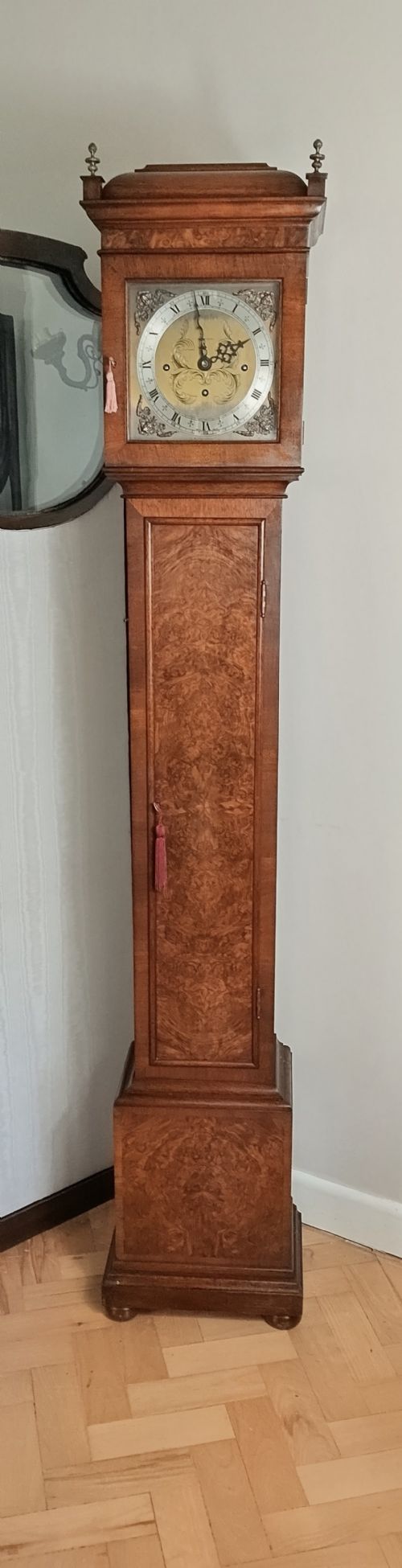
When you search for an antique bell clock, you encounter timepieces engineered to sound the hour or quarters upon a metal dome or internal chime. The selection ranges from towering longcase grandfather clocks and wall-mounted drop-dials to compact carriage clocks and bracket clocks.
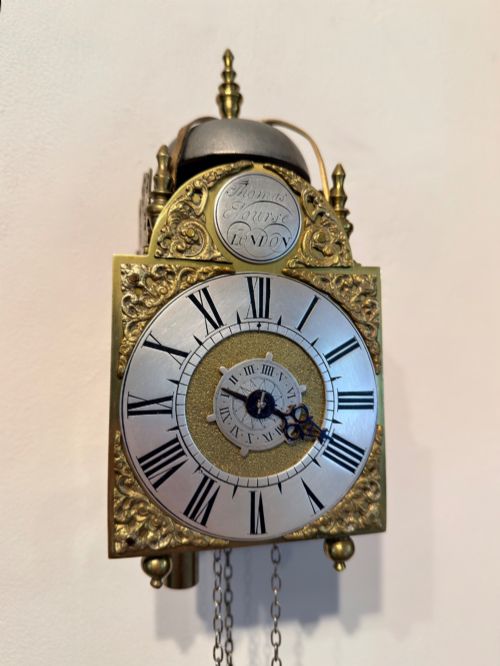
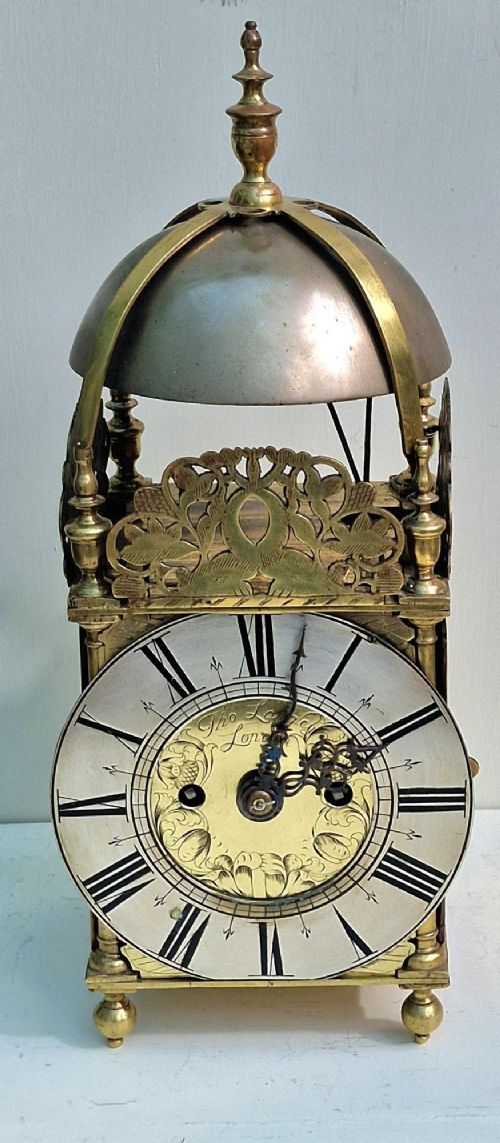
The specimens on this page span several centuries, with particular strength in 17th-century lantern styles, Georgian bracket models, Victorian fusee wall dials, and Edwardian musical movements. Each form utilises a distinct striking mechanism, whether operating on a single bell or a multi-bell musical train.
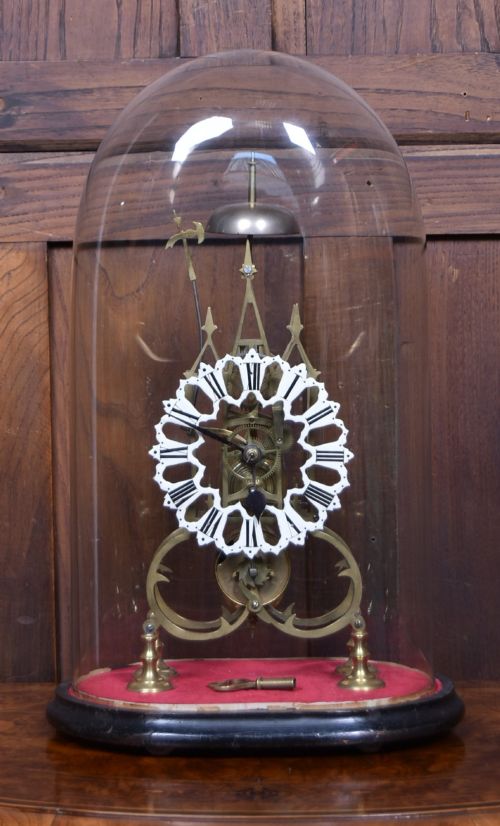
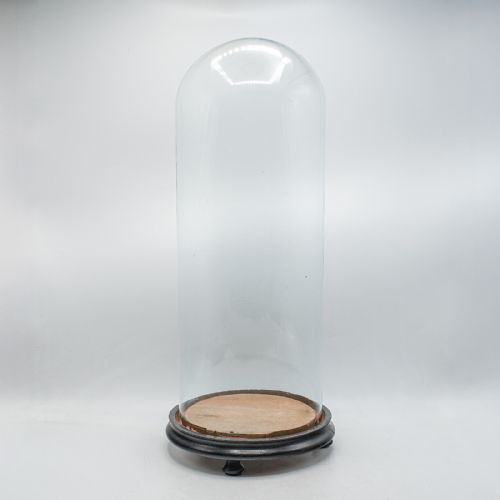
Lantern clocks and bracket clocks represent the earlier domestic iterations, whilst Victorian drop-dial wall clocks and French carriage pieces offer robust daily utility. Buyers frequently meet pieces housed in mahogany, rosewood, ebonised wood, or brass cases, alongside associated glass display domes.
How they were made
The construction of these timepieces relies heavily upon brass and steel for the gear trains, escapements, and bell components. Smiths and horologists cast the bells from bronze or brass alloys to achieve specific acoustic resonance, mounting them above or behind the movement.
Cases utilise dense timbers such as mahogany, oak, walnut, and ebonised wood, frequently joined with traditional cabinetry techniques and occasionally embellished with ormolu mounts, veneer work, or inlaid brass. Dial faces incorporate painted iron, silvered brass, or enamel, protected behind blown glass bezels or heavy glass display domes.
Some Victorian taxidermy domes share shelf space here with the clocks, preserving silent Victorian curiosities alongside deafening hourly chimes.
What varies in quality
The standard of a clock rests upon the intricacy of its movement, such as whether it employs a single fusee, a twin fusee, or a complex multi-bell musical train. Superior examples display meticulous hand-engraving on the backplate, precise escapement adjustment like the verge or anchor, and original components throughout.
Case execution dictates much of the visual merit, distinguishing workshop production from standard output through fine wood selection, crisp casting details on bronze or brass fittings, and well-preserved silvered dials. The clarity and sustained tone of the bell strike further separate standard timekeepers from exceptional horological work.
Thomas Langley·George Wadham·Winsor Bishop Norwich·Elliott·Windmills and Bennet·Samuel Tinham·John Waller·William Barrow·Grey of Edinburgh·Paul Garnier·Somersall London·Dwerrihouse and Bell·Camerer Cuss and Co·Andrew Marchant·Albert Ernest Carrier-Belleuse·Charles Campbell
The Antique Bell Clock Glossary
- Fusee
- A conical pulley used in spring-driven clocks to equalise the torque of the mainspring as it unwinds. This mechanism helps the clock maintain a consistent rate of travel throughout its running period.
- Verge escapement
- An early type of escapement controlling the release of power in pendulum or balance-wheel clocks. It is typically paired with a crown wheel and produces a distinct, lively ticking motion.
- Lantern clock
- An early brass chamber clock driven by weights, featuring a weight-driven or spring-driven movement enclosed within a square brass frame. They were often wall-mounted on a bracket with spike feet.
- Carriage clock
- A small, spring-driven portable timepiece designed for travel during the 19th century. They usually feature a glass-panelled brass case and a folding handle on top.
- Grandfather clock
- A tall, freestanding weight-driven timepiece housed in a longcase protecting the pendulum and weights. They frequently incorporate multiple bells for striking the hours and quarters.
Antique Bell Clock: Frequently Asked Questions
What is an antique bell clock?
An antique bell clock is a mechanical timepiece designed to strike the hours or quarters upon a metal bell rather than a gong or wire rod. These units encompass various historic forms, from early brass lantern clocks to Victorian wall dials and bracket clocks.
The inclusion of a bell system allowed households to hear the passage of time without needing to constantly view the dial. Makers integrated these acoustic elements into domestic, public, and travel clocks alike.
How do I wind an antique clock?
Winding requires using a properly fitted key inserted into the winding holes on the dial face or movement backplate. Care must be taken not to overwind the mainspring or pull weights too abruptly.
Different movements utilise different power sources, such as spring barrels driven by fusee chains or hanging weights on gut lines. Understanding whether your clock is a single, double, or triple fusee dictates how many points require attention during winding.
How do I tell the age of a clock?
Dating relies upon examining the style of the case, the typography and materials of the dial, and the mechanical configuration of the movement. Earlier pieces often feature verge escapements and lantern frames, whilst later Victorian and Edwardian examples show fusee plates or tubular bell arrays.
Signatures or maker names engraved on the backplate or dial face also provide direct clues to the period of production. Comparing construction methods against documented historical workshops helps narrow down the decade of manufacture.
Where were bell clocks placed?
Historic bell clocks served different functions depending on their size and casing style. Lantern clocks and wall dials were hung securely on structural walls to allow their weight drops or pendulums room to operate.
Bracket clocks and carriage clocks sat upon desks, mantelpieces, or dedicated wall brackets within principal rooms. Larger grandfather clocks occupied hallways and living spaces where their resonant bell strikes could carry through the household.