

Antique Bedroom Side Chairs
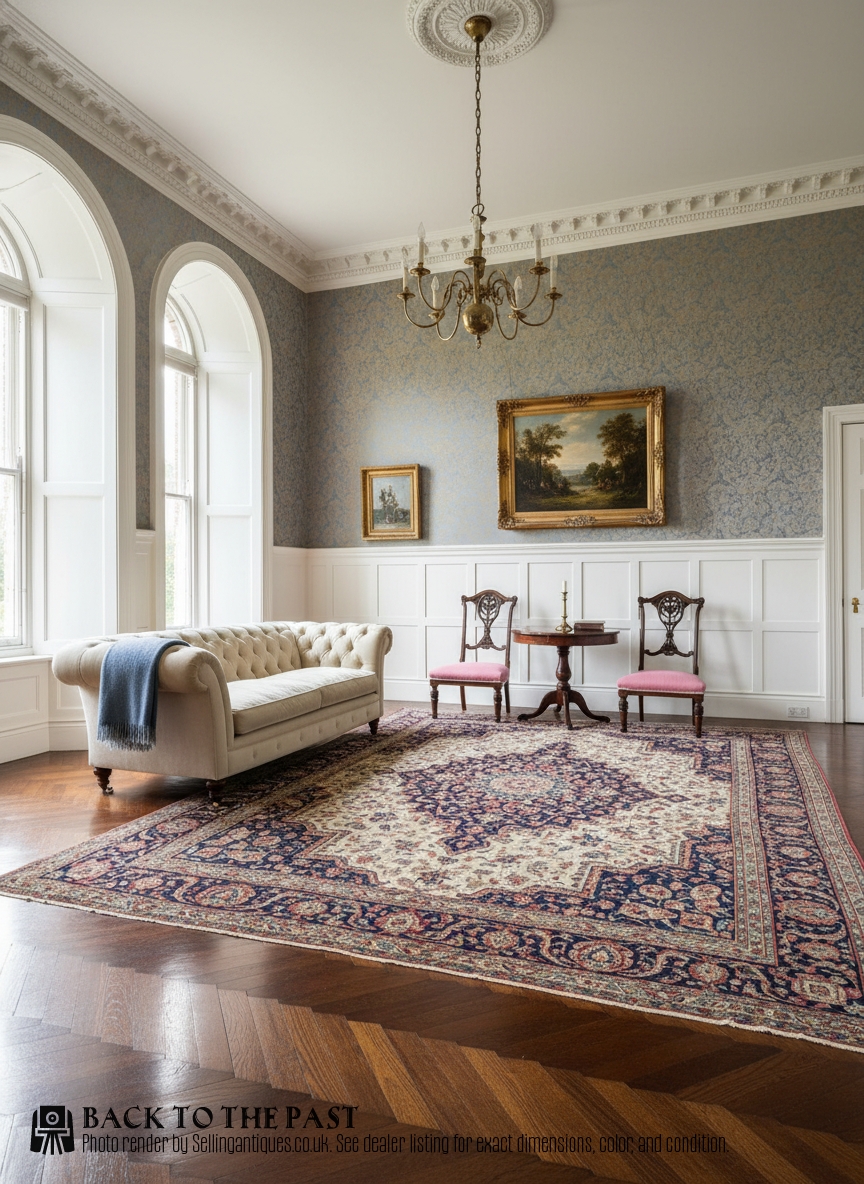
These antique bedroom side chairs bring smaller, lighter seating into a room with genuine period character.
Antique Bedroom Side Chairs
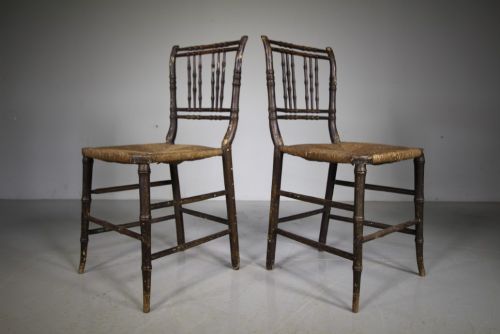
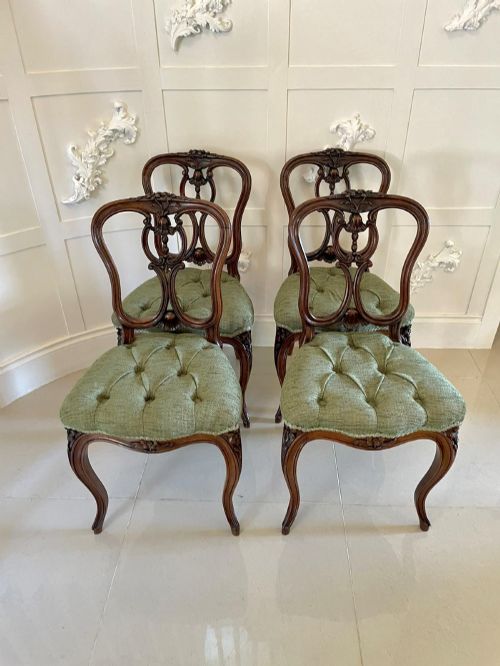
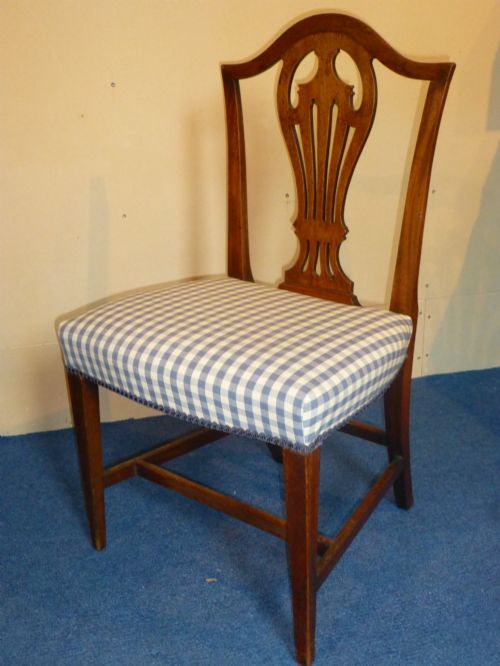
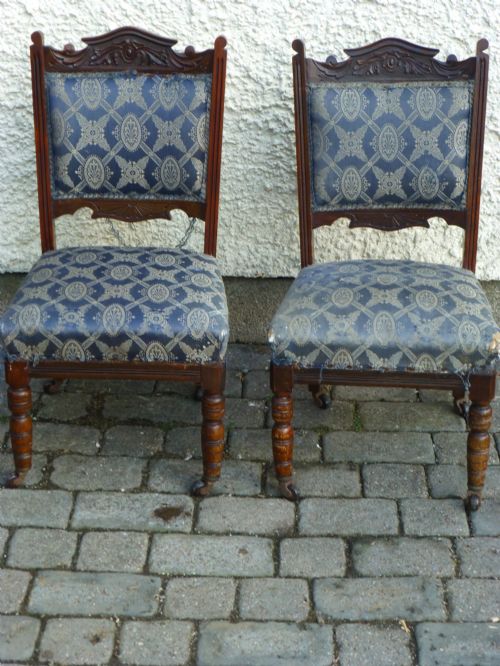
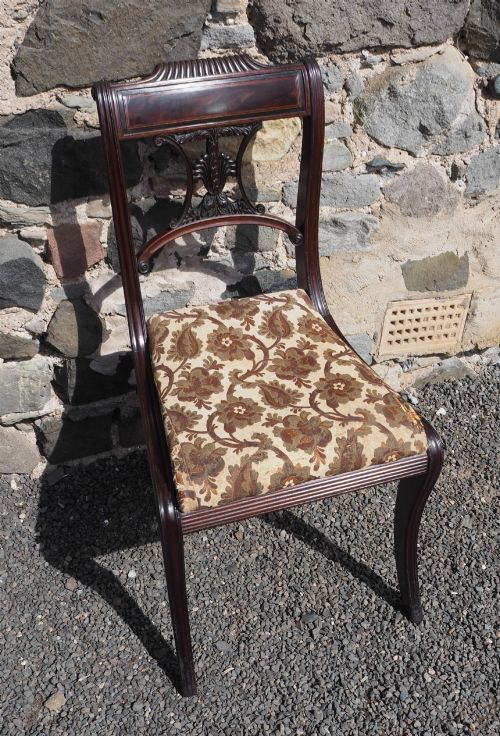
Antique bedroom side chairs encompass a range of smaller occasional seating forms designed for private chambers, dressing rooms and parlours. You will frequently find Victorian walnut and mahogany examples, alongside lighter Edwardian inlaid pieces and earlier Regency designs.
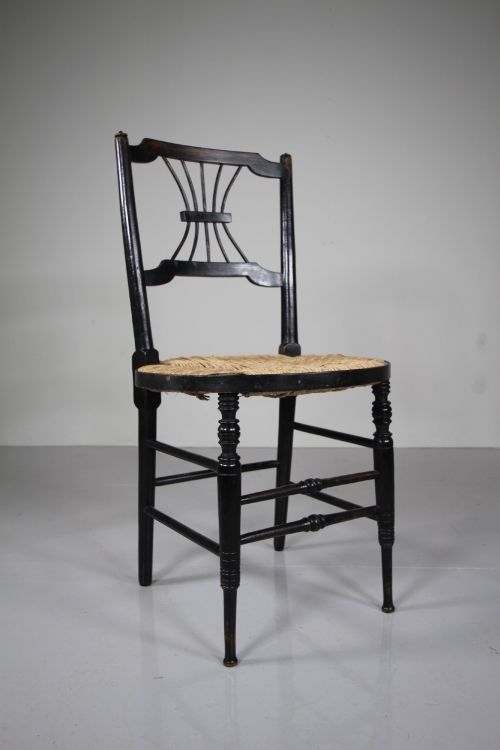
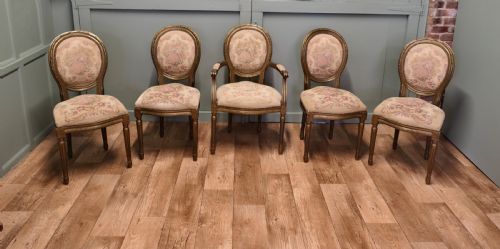
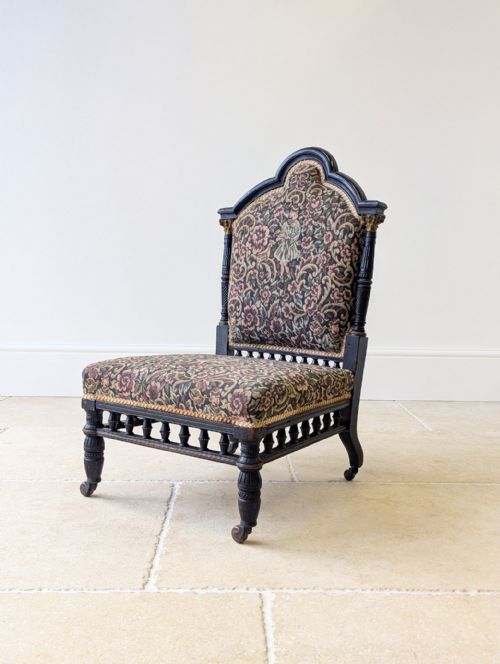
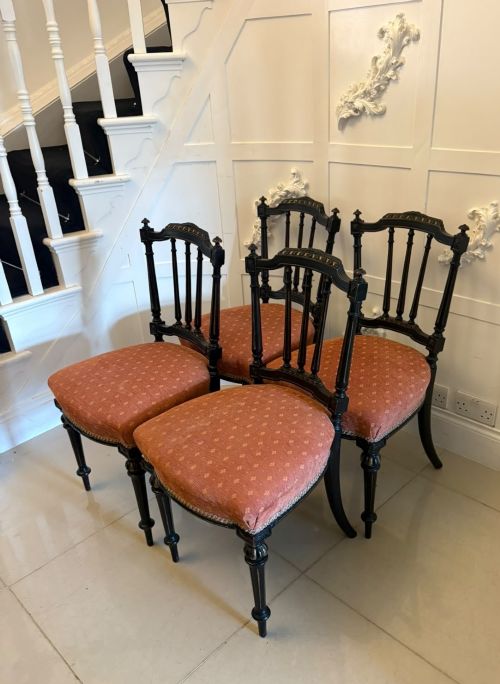
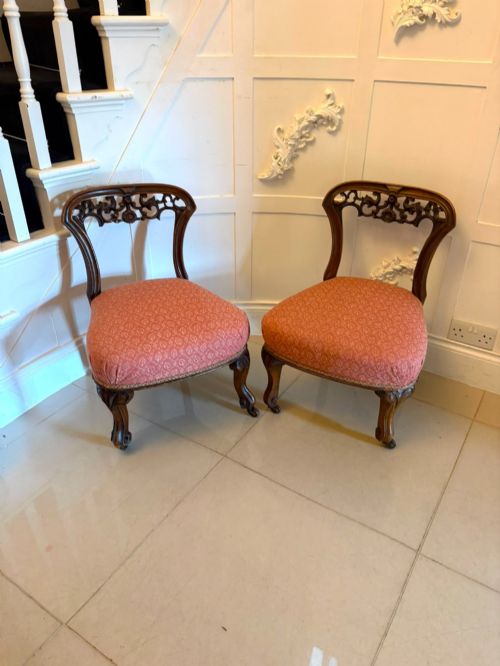
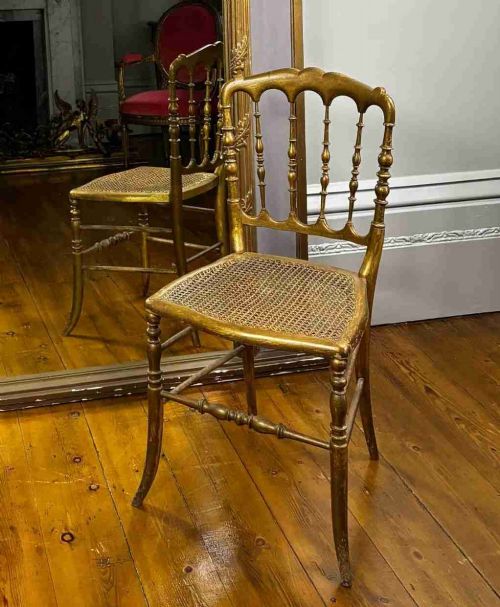
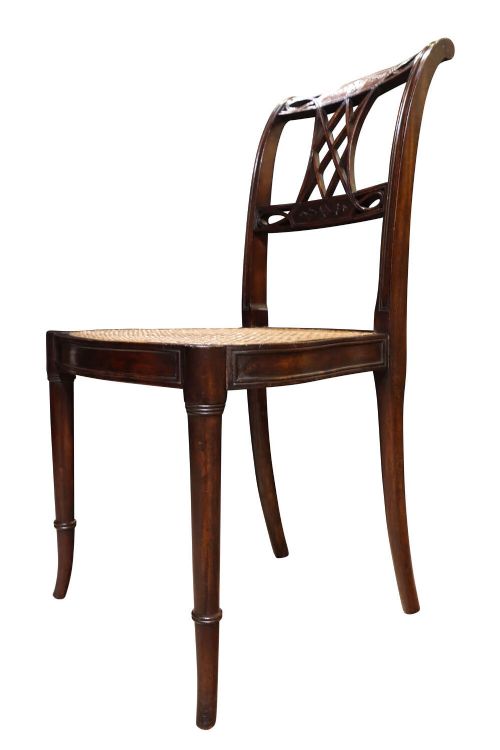
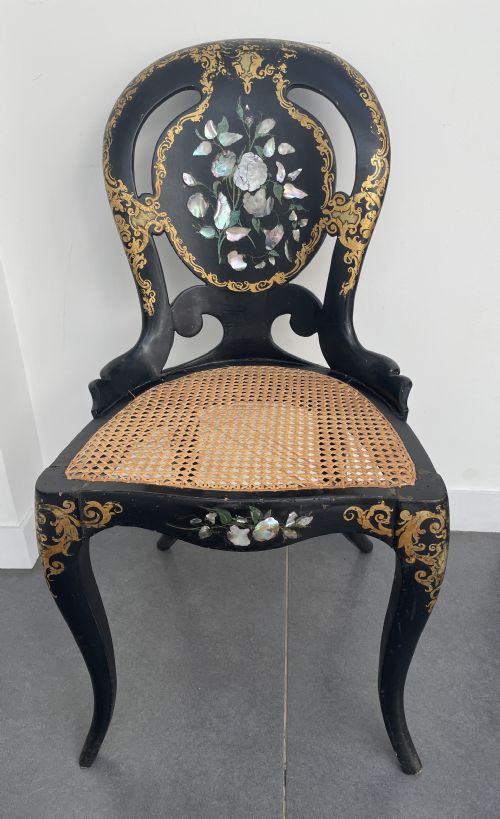
The evidence shows these chairs appearing in forms such as low nursing chairs, balloon backs, caned seats and inlaid bedroom chairs. They served practical domestic uses while matching the polished wood and upholstery styles of their respective decades.
Makers utilised woods like mahogany, walnut, fruitwood and beech, often adding fabric, velvet, cane or brass details. Their compact proportions distinguish them from heavier parlour or dining seating.
How they were made
Cabinet makers built these chairs using solid timbers such as mahogany, walnut, oak and fruitwood, sometimes applying ebonising, paint or giltwood finishes. Joinery relied on traditional mortise and tenon methods to give slender frames sufficient strength.
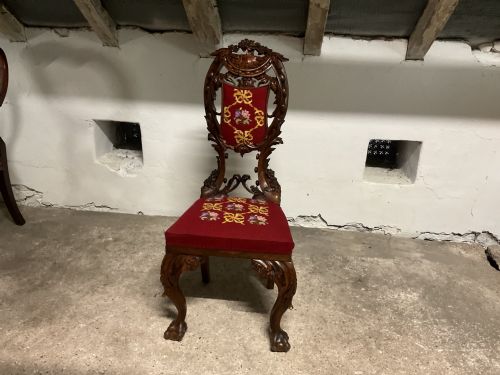
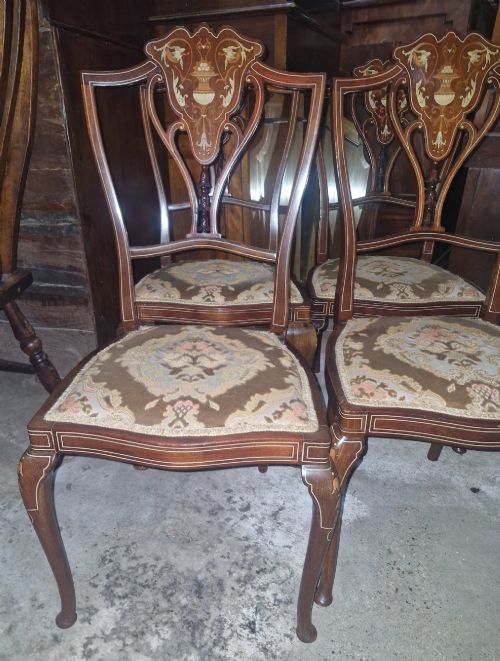
Decorative elements included marquetry inlay, mother of pearl, carved scroll backs and brass mounts, reflecting styles from Regency through to Edwardian periods. Seats were fitted with cane, wood or webbed upholstery frames ready for fabric or tapestry.
Listings feature woods including mahogany, walnut, fruitwood, rosewood, oak and kingwood alongside cane, brass and velvet.
What varies in quality
The refinement of the carving and the choice of timber set finer examples apart from standard chamber seating. Walnut and figured mahogany with crisp mouldings indicate a higher standard of workshop production.
Original details like intact cane panels, early paintwork or period upholstery retain more historical integrity than heavily altered or later restored pieces. Proportion and balance in the turning and joinery also distinguish better executed chairs.
William Morris·Howard and Sons
The Antique Bedroom Side Chairs Glossary
- Nursing chair
- A low-seated chair traditionally used in bedrooms for feeding infants or attending to a toilet. They often feature sprung or upholstered seats with compact frames.
- Caned seat
- A seating surface woven from split rattan or cane strips. This technique provides a light, flexible base popular in Regency and Edwardian chairs.
- Balloon back
- An upholstered chair back shaped in a continuous oval or curved loop resembling a balloon. This form is particularly common in Victorian walnut seating.
- Inlay
- A decorative technique where contrasting woods, shell or metal are inserted into hollowed recesses in the surface timber. Edwardian mahogany chairs frequently employ this method.
- Ebonised wood
- Timber treated with a dark stain or finish to imitate ebony. It appears frequently on Victorian aesthetic movement and Regency frames.
Antique Bedroom Side Chairs: Frequently Asked Questions
How do I identify a bedroom side chair?
Bedroom side chairs are generally smaller and lighter than dining chairs, built with proportions suited for dressing rooms and private chambers.
They frequently feature low seats, decorative nursing backs or delicate frames in mahogany, walnut or painted wood.
Were these chairs used only in bedrooms?
While often designated for bedrooms, these versatile pieces served as occasional seating in halls, salons and dressing rooms.
Their compact size allowed them to be moved easily between rooms as needed for guests.
How do I tell Victorian chairs from Edwardian ones?
Victorian chairs often showcase heavier carved walnut or mahogany frames with balloon backs, ebonised finishes or elaborate scrollwork.
Edwardian examples tend to be lighter in appearance, frequently displaying satinwood inlay, beech frames or Edwardian Sheraton Revival motifs.
Can I use an antique bedroom chair daily?
Most antique bedroom chairs are structurally sound enough for gentle daily use, provided the joints remain tight and stable.
Chairs requiring re-upholstery or those with delicate cane seats may need careful handling or light restoration before regular sitting.