





Antique Bedroom Chiffonier
An antique bedroom chiffonier offers practical storage combined with classic period character, bringing traditional craftsmanship directly into a modern sleeping space.
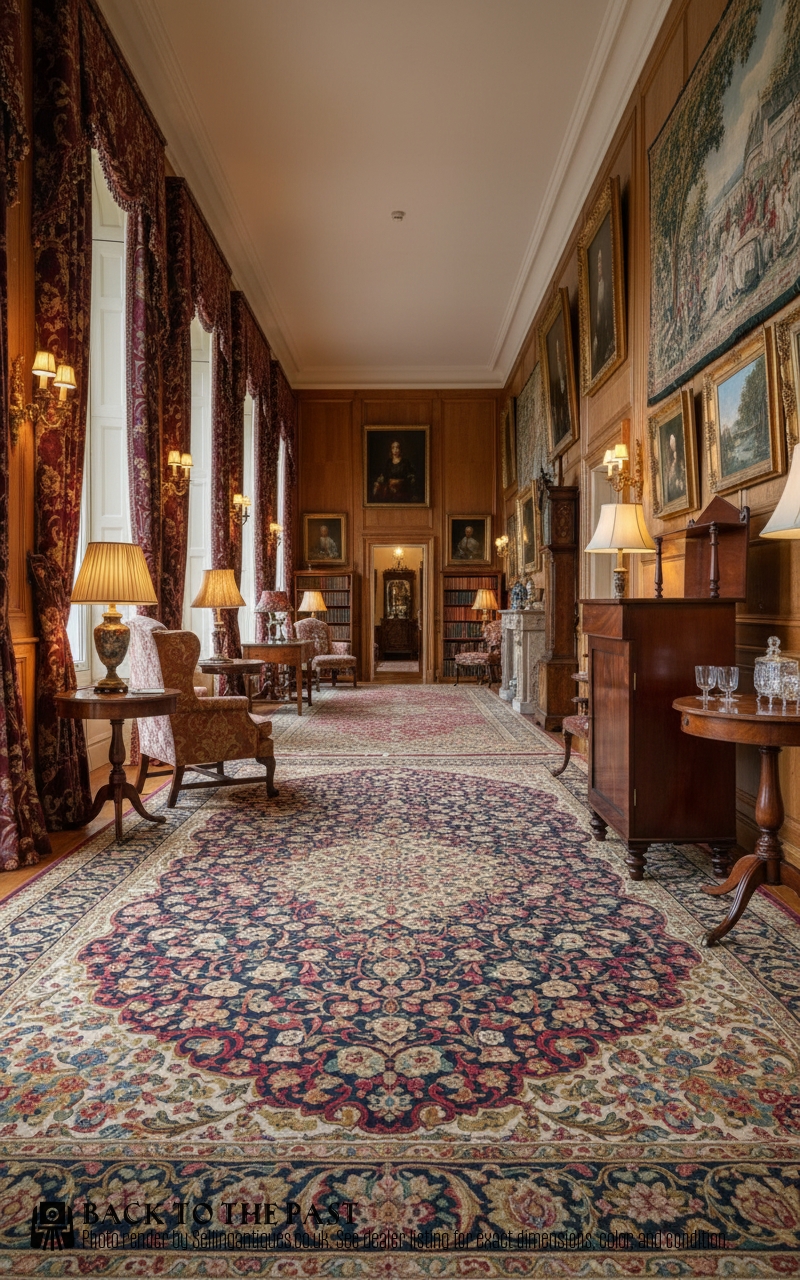
Antique Bedroom Chiffonier
When you search for an antique bedroom chiffonier, you encounter a variety of storage furniture designed to hold garments and personal belongings. These pieces bridge the gap between functional bedroom utility and decorative cabinet work from past eras.
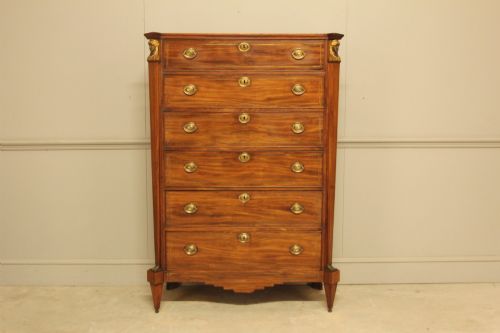
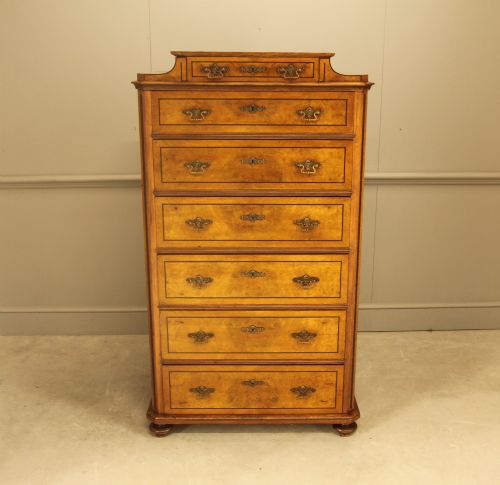
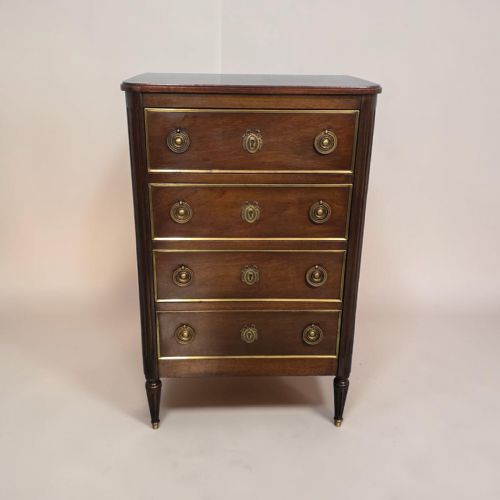
Forms range from traditional chiffoniers and gentleman's dressing chests to tallboys, semainiers, and multi-drawer chests. Mahogany, walnut, and oak dominate the construction across these varied storage formats.
Materials and construction methods
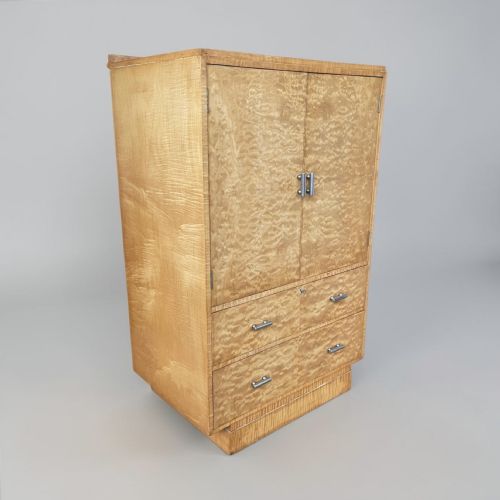
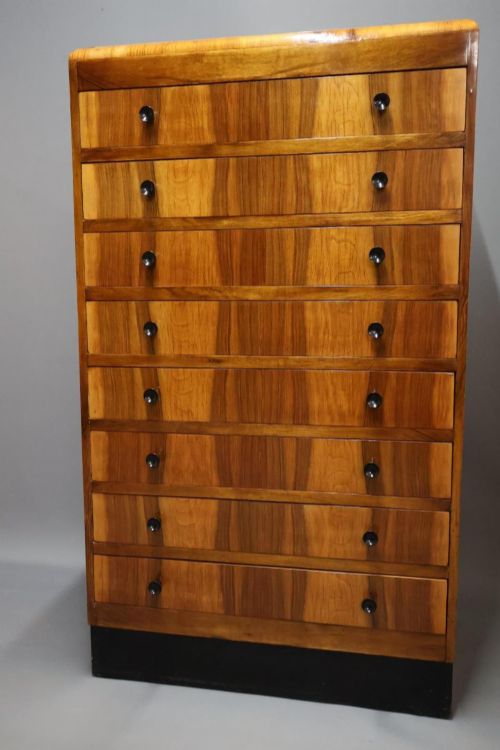
Cabinet makers utilised solid timbers such as mahogany and walnut, frequently applying decorative veneers like birds eye maple and walnut veneer over supportive wood bases. Bookmatching techniques created symmetrical wood grain patterns across drawer fronts and cabinet doors.
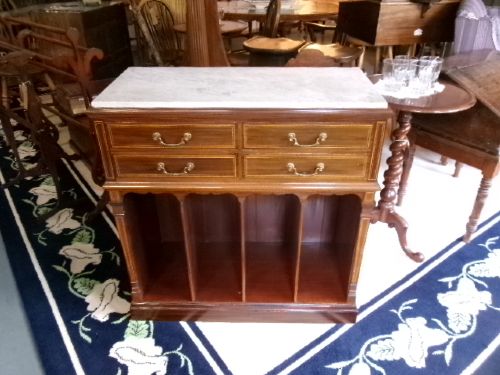
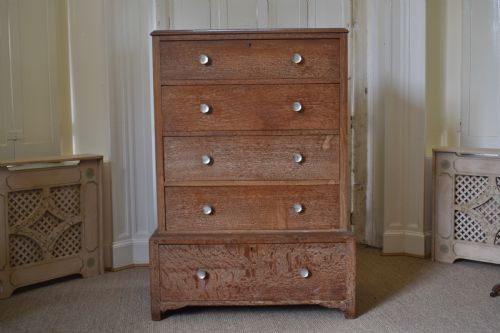
Surface treatments included polished finishes and limed effects, while heavier storage pieces incorporated fitted marble tops for durability. Brass hardware such as handles and escutcheons completed the functional assembly of each cabinet.
Antique Bedroom Chiffonier Retail Price Guide 2026
Typical asking prices for bedroom chiffonier among the pieces listed under this phrase on Sellingantiques today, from the lower quarter to the upper quarter. They describe what is for sale here now, not the wider market.
Some nineteenth-century makers cleverly hid gentleman's dressing compartments behind deceptively simple drawer facades to keep linen pristine.
Distinctions in quality and execution
Quality rests in the selection of timber veneers and the precision of the cabinet joinery. Pieces featuring bookmatched walnut or birds eye maple demonstrate a higher level of decorative ambition than plain timber surfaces.
The integrity of internal drawer construction and the original state of brass fittings separate standard utility items from finer examples. Heavier additions such as fitted marble tops reflect the sturdiness and material wealth of the piece.
The Antique Bedroom Chiffonier Glossary
- Chiffonier
- A low cabinet or sideboard featuring shelves or drawers, traditionally used for storage in domestic rooms.
- Tallboy
- A tall chest of drawers, often consisting of a cabinet stacked upon a base chest to maximise vertical storage.
- Semainier
- A slender seven-drawer chest originating in France, traditionally intended to hold a separate week's worth of garments.
- Veneer
- A thin layer of decorative wood applied to a base timber surface to create patterned visual effects.
- Bookmatching
- A woodworking technique where adjacent veneer sheets are mirrored to create symmetrical patterns across a surface.
Antique Bedroom Chiffonier: Frequently Asked Questions
What is an antique bedroom chiffonier?
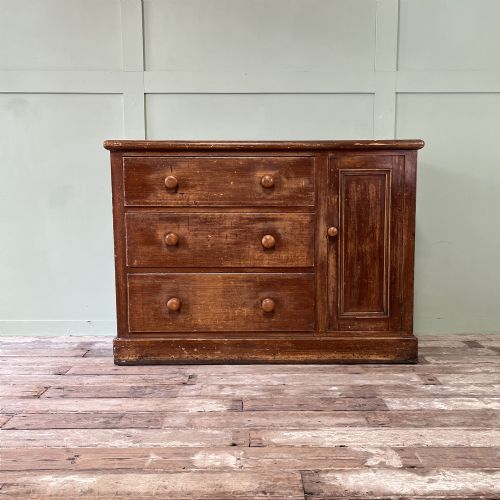
An antique bedroom chiffonier is a low storage cabinet or sideboard originating from periods like the Victorian era. These pieces provide surface space and enclosed storage suited for domestic rooms.
They combine practical timber construction with decorative period styling, often featuring drawers and doors.
How do I date an antique chiffonier?
Dating relies on examining the timber species, construction methods, and prevailing decorative styles. Victorian pieces often display rich mahogany or rosewood, while later twentieth-century examples lean towards Art Deco veneers.
Hardware styles and secondary woods inside the drawers also offer clues to the exact manufacturing decade.
Are tallboys and chiffoniers the same?
Tallboys are tall vertical chests designed primarily with stacked drawers for garment storage. Chiffoniers are typically lower cabinets that may combine cupboard space with open shelving.
Both fulfil bedroom storage needs but serve different spatial proportions within a room.
How do I care for wood veneer furniture?
Maintain wood and veneer surfaces by keeping them away from direct sunlight and sudden temperature changes. Regular dusting with a soft, dry cloth preserves the polished finish without moisture damage.
Avoid placing damp items directly onto marble or wooden tops to protect the historic material.
What styles are common in these chests?
Common styles include nineteenth-century Victorian mahogany designs and continental French Empire or Louis formats. Art Deco examples from the nineteen-thirties introduce blonde woods and geometric simplicity.
Each style reflects the dominant aesthetic of its specific manufacturing period.