

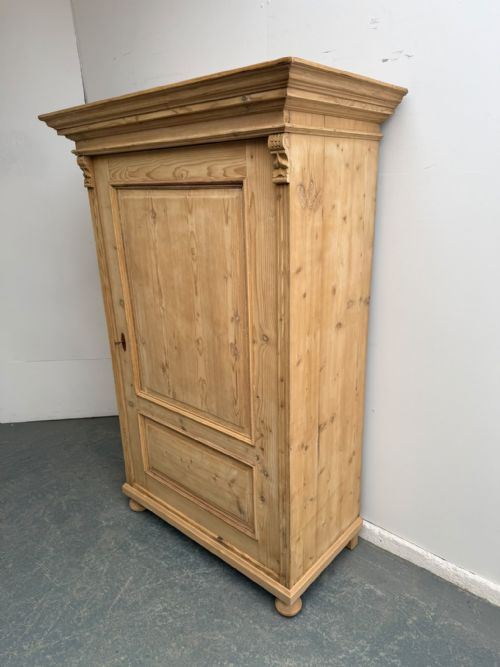

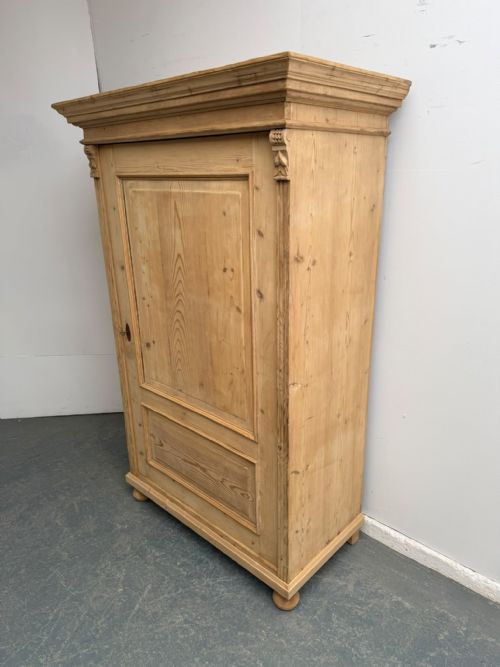
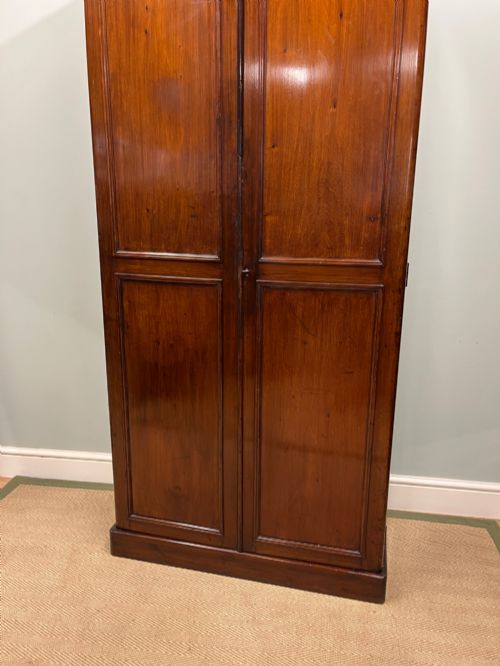
Victorian Hall Cabinet
A victorian hall cabinet is a disciplined piece of entrance furniture designed to store coats, hats and sticks while setting a formal tone for the home.
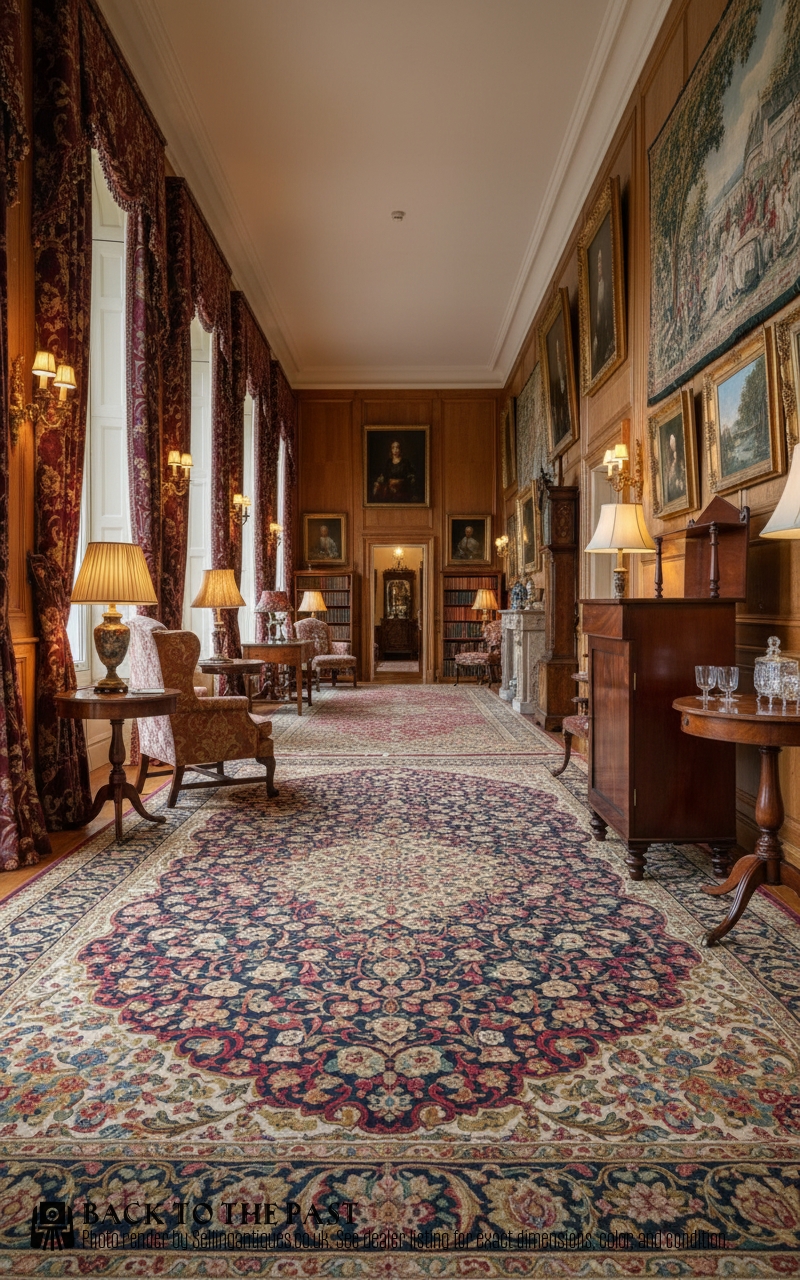
Victorian Hall Cabinet
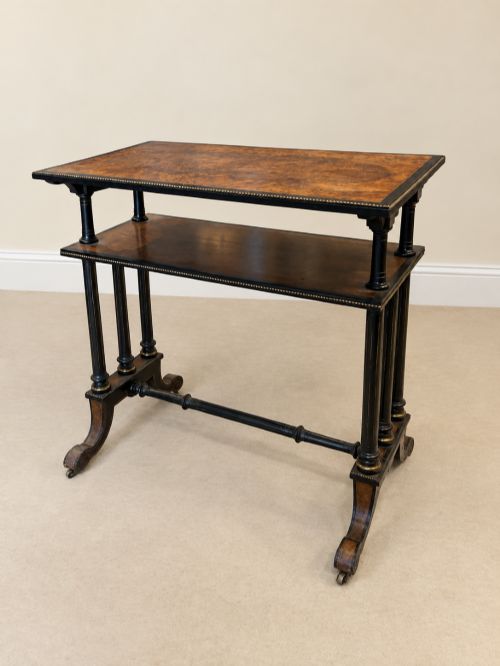
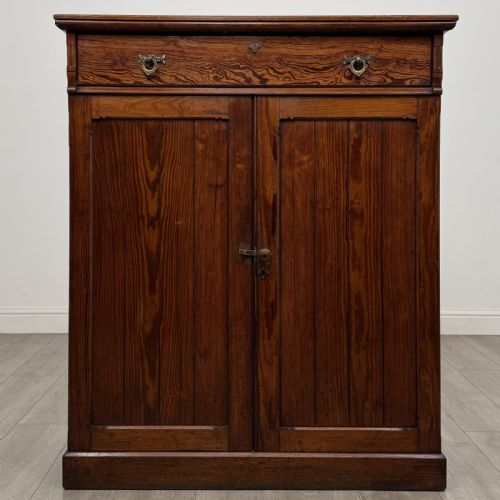
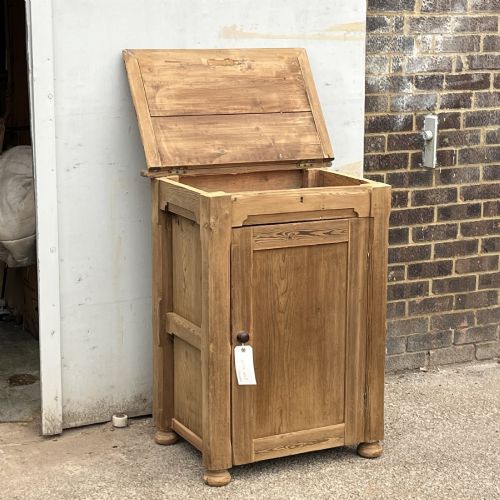
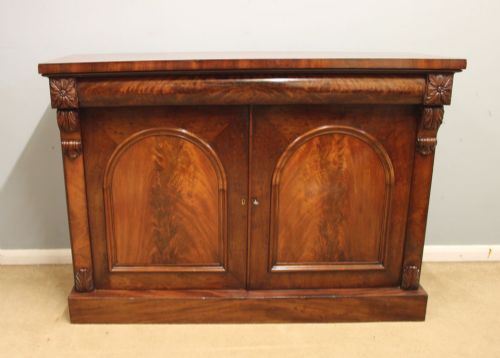
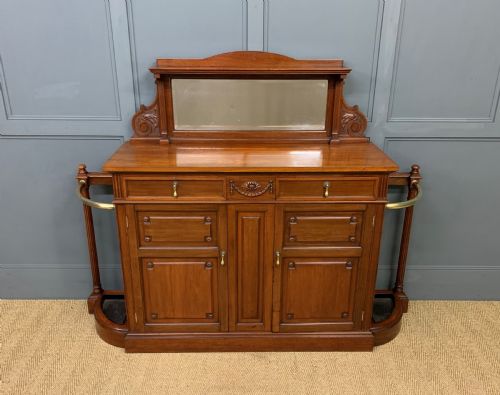
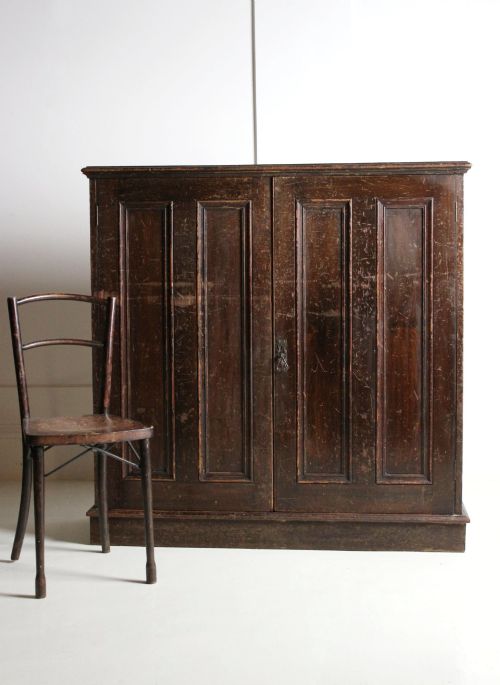
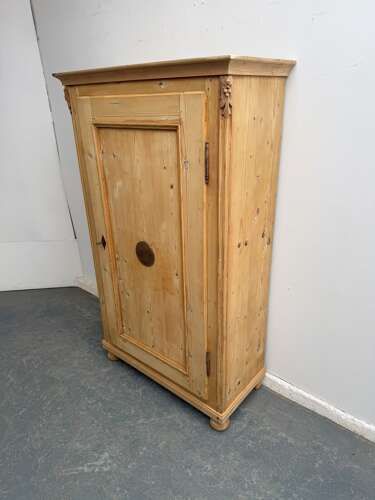
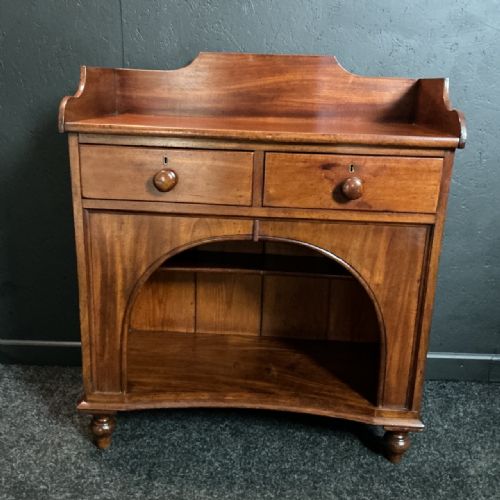
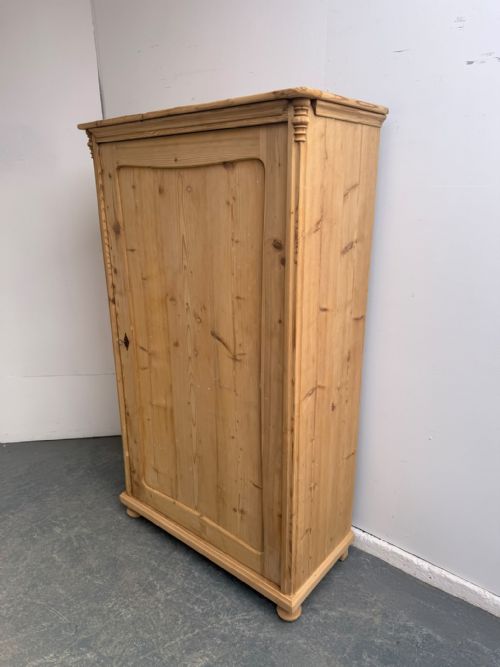
A victorian hall cabinet bridges the gap between utilitarian storage and reception room display, frequently taking the form of tall single-door cupboards, shallow dressers, or dedicated hall stands equipped with umbrella racks and mirrors. You will most commonly encounter pieces constructed from dense pine meant for waxing or painting, alongside substantial dark oak and figured mahogany examples.
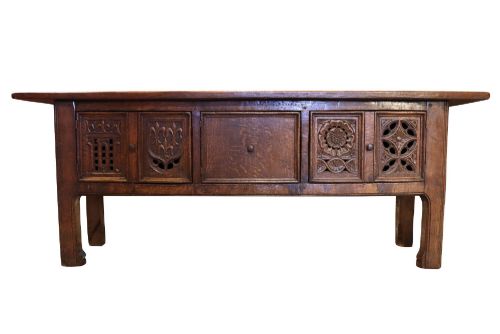
The regional variety spans utilitarian provincial workshop pieces and heavily carved gothic or renaissance revival designs meant for grander country houses. These items served domestic roles in bustling entrance halls, keeping outerwear and walking gear out of sight behind panelled timber doors.
Materials and Technique
Makers utilised native timbers such as oak, ash, mahogany, and pine, frequently pairing solid carcases with fielded panels and hand-cut dovetails on internal drawers. Brass hinges, iron hooks, and occasional marble tops provide functional durability to the heavy structural joinery.
Surface treatments varied widely from original dark wax polishes and ebonised finishes to later layers of paint, while decorative emphasis relied upon deep relief carving, turned spindles, and inlaid marquetry rather than applied veneers.
Victorian Hall Cabinet Retail Price Guide 2026
Typical asking prices for victorian hall cabinet among the pieces listed under this phrase on Sellingantiques today, from the lower quarter to the upper quarter. They describe what is for sale here now, not the wider market.
Several items retain their original keep-safe compartments and fitted hooks, ready to guard Victorian visiting cards and heavy wool overcoats.
Markers of Distinction
Quality rests in the architectural proportion of the timber frame, the crispness of hand-carved mouldings, and the integration of secondary woods like cedar or satin birch. Finer examples display harmonious grain selection on primary surfaces and robust internal framing that prevents seasonal warping.
The presence of designated maker marks, complex panel detailing, and intact original brass hardware separate bespoke workshop production from simpler domestic utility furniture.
Shoolbred & Co.·Walker & Hall·J A Mein·S. Hall & Sons
The Victorian Hall Cabinet Glossary
- Fielded panel
- A central wooden panel with bevelled edges designed to float within a grooved frame, allowing the timber to expand and contract safely with humidity changes.
- Dresser base
- A low cabinet form featuring top drawers above enclosed cupboards, offering generous surface area and deep internal storage.
- Ebonised wood
- Timber stained or treated to imitate dense, black ebony, a technique popular during the Victorian period for accentuating carved details.
- Marquetry
- The art of applying decorative veneer pieces in geometric or floral patterns onto a solid wood carcase.
- Gothic Revival
- A nineteenth-century architectural and decorative style drawing inspiration from medieval pointed arches, trefoils, and heavy structural timbers.
Victorian Hall Cabinet: Frequently Asked Questions
Where should I place a hall cabinet?
These cabinets suit narrow entranceways, corridors, and reception rooms where floor space is at a premium yet vertical storage is needed.
Their shallow proportions allow them to sit flush against walls without obstructing thoroughfares while keeping everyday items concealed.
How do I care for antique pine furniture?
Maintain waxed pine surfaces by applying a natural beeswax polish sparingly and buffing with a soft cloth to nourish the dry timber.
Keep wooden items away from direct heat sources and sudden humidity shifts to prevent splitting or joint separation.
What is a chiffonier sideboard?
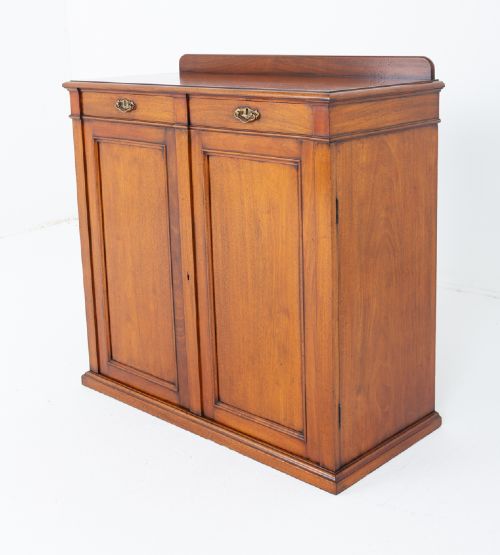
A chiffonier is a compact sideboard featuring a lower enclosed cupboard topped by a drawer and occasionally a raised back shelf.
Victorian homes utilised these versatile pieces in smaller reception spaces for serving food or storing table linens.
How can I distinguish oak styles?
Gothic and Jacobean revival pieces display heavy geometric mouldings, strapwork, and deep relief carving, whereas later Arts and Crafts designs favour clean, unadorned grain.
Examining the structural joints and hardware often reveals whether a piece follows a medieval revival aesthetic or a simpler vernacular tradition.