



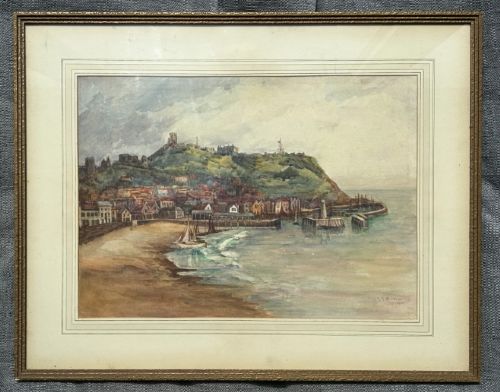


Antique Beach Painting
When you search for an antique beach painting, you enter a world of Victorian shorelines, fishing boats and windswept coasts preserved on paper and canvas.
Antique Beach Painting
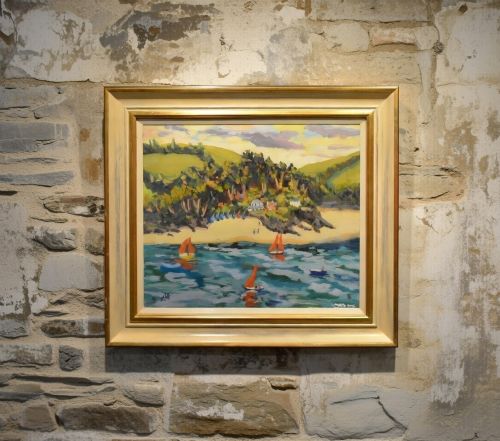
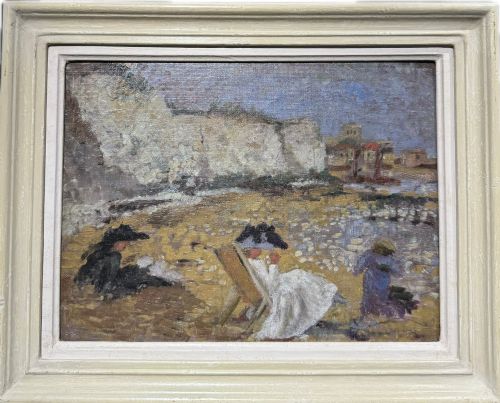
An antique beach painting captures coastal life, maritime views and seaside gatherings from past centuries. The selection ranges widely across periods, including Victorian works, Edwardian coastal scenes and early twentieth-century impressions.
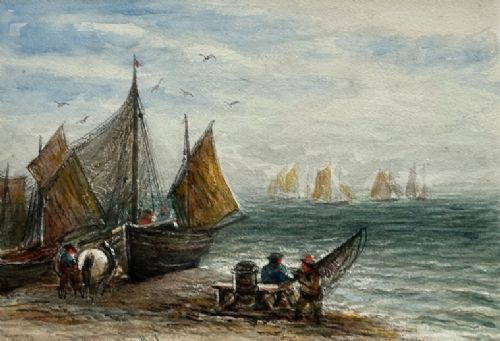
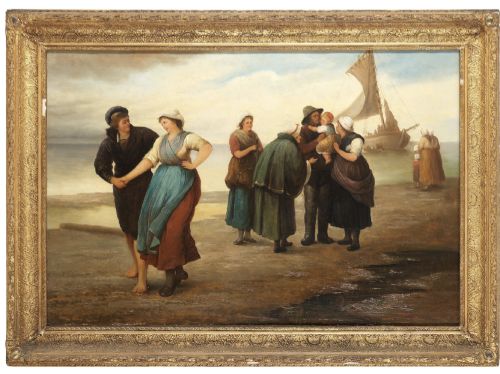
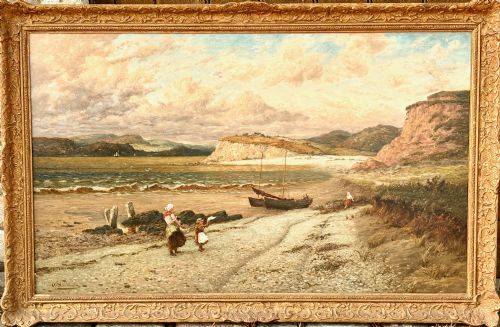
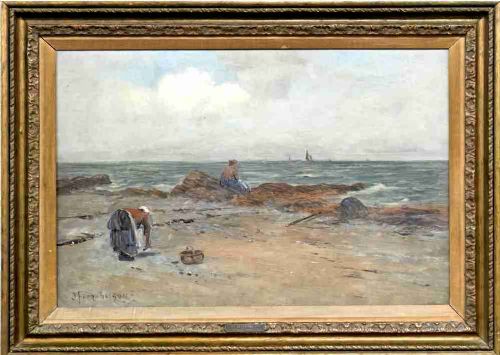
Most pieces on this page appear as oil on canvas or delicate watercolours framed behind glass. Common subjects feature fishing fleets, beach workers hauling seaweed, rocky shores and quiet sandy bays around Britain and beyond.
Buyers encounter both intimate watercolour sketches and grand country house oil paintings. Many works document specific locations such as Whitby, Scarborough, St Ives and various Scottish coasts.
How they were made
Artists worked primarily with oil paint on stretched canvas or wood panels, and transparent watercolour pigments applied to paper. Painters often captured immediate atmospheric effects outdoors on location before finishing details in the studio.
Framing materials varied from simple ebonised wood to ornate, heavy giltwood frames that enhanced the visual depth of the scene. Supporting materials typically included paper sheets, card mounts and protective glass for works on paper.
The inventory records oil paintings, watercolours, wall art, fine art and sterling silver pendants.
What varies in quality
The distinction between standard works and exceptional pieces lies in the sureness of the brushwork and the artist's command of natural light. Masterful compositions balance human figures, architectural elements and the shifting tones of sea and sky harmoniously.
Condition and originality play vital roles in overall merit, particularly the preservation of the pigment layer and the authenticity of the period frame. Signed works by recognised regional or academic painters command greater scholarly and artistic interest.
James Orrock·William Banks Fortescue·Thomas Beach·Joseph Farquharson·James Webb·Sir William Russell Flint·Sir David Murray·Thomas L Mott·William Langley·Edward Robert Smythe
The Antique Beach Painting Glossary
- Watercolour
- A painting method where fine pigment is suspended in a water-based, translucent solution. These works are traditionally displayed under glass on paper supports.
- Oil on Canvas
- A technique utilising pigments bound in a drying oil applied to woven fabric stretched across a wooden frame. This medium allowed artists to build rich textures and deep tones.
- Giltwood
- Timber carved and coated with a thin layer of gold leaf or metallic powder. It frequently adorns traditional frames from the eighteenth and nineteenth centuries.
- Seascape
- A work of art depicting the sea, coastal views, ships or beach activities. These subjects gained immense popularity during the Victorian era.
- Post-Impressionism
- An artistic movement following Impressionism that extended its use of vivid colours while emphasising geometric forms and expressive qualities.
Antique Beach Painting: Frequently Asked Questions
What periods do these beach paintings come from?
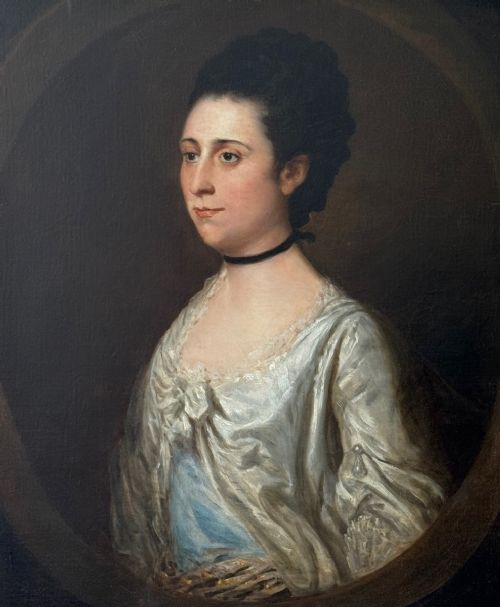
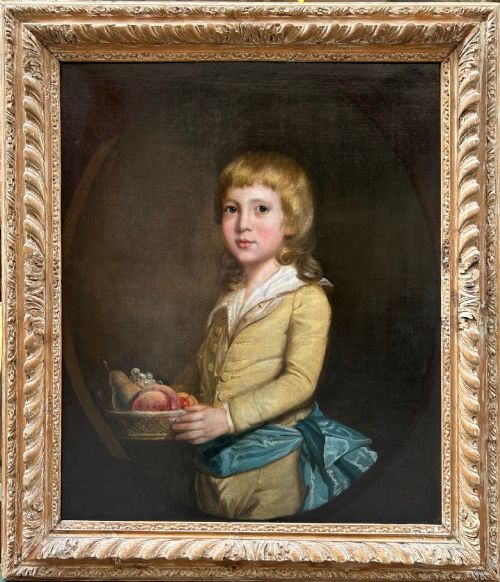
The works span several centuries, with a strong representation of nineteenth-century Victorian pieces alongside eighteenth-century portraits and early twentieth-century impressionist views.
Artists across these eras recorded changing fashions in coastal leisure, maritime trade and traditional fishing communities.
How were these maritime artworks displayed originally?
Oil paintings on canvas were typically hung in substantial wooden frames, sometimes finished in giltwood, to complement domestic interiors in country houses and town residences.
Watercolours on paper required protective glass and matting to prevent moisture and light damage while on display in parlours.
Where do most of these coastal scenes originate?
A large proportion of the paintings document recognizable British locations, including Yorkshire fishing ports, Cornish harbours and Scottish coastal villages.
Other works record European shores and Mediterranean seaside gatherings, reflecting the travel habits of artists in past centuries.