


Antique Baroque Carving
When you search for antique baroque carving, you discover sculptural woodwork shaped by dramatic movement and rich surface depth.
Antique Baroque Carving
An antique baroque carving brings three-dimensional drama to furniture, mirrors, and architectural fixtures.
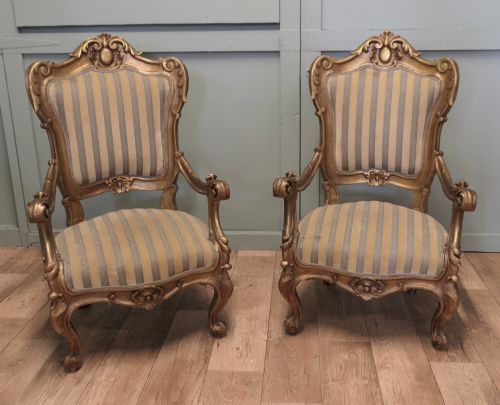
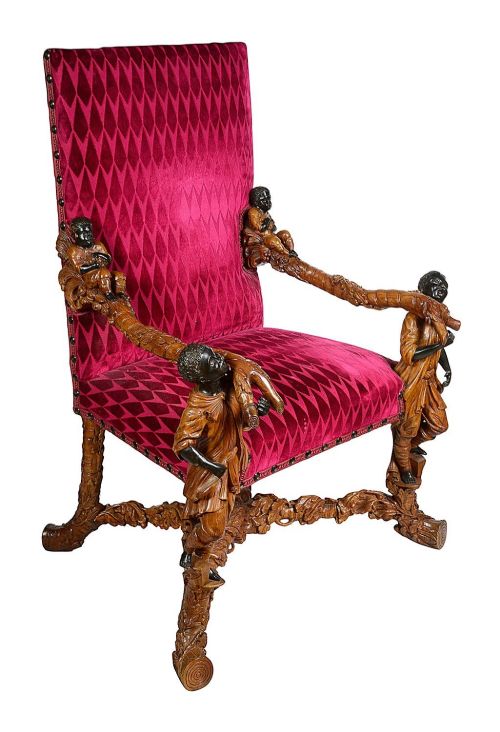
The selections span from seventeenth-century walnut armchairs to nineteenth-century giltwood mirrors and carved oak figures.
Italian, Dutch, and British origins shape the pieces found here, reflecting regional interpretations of ornate classical forms.
Materials and construction
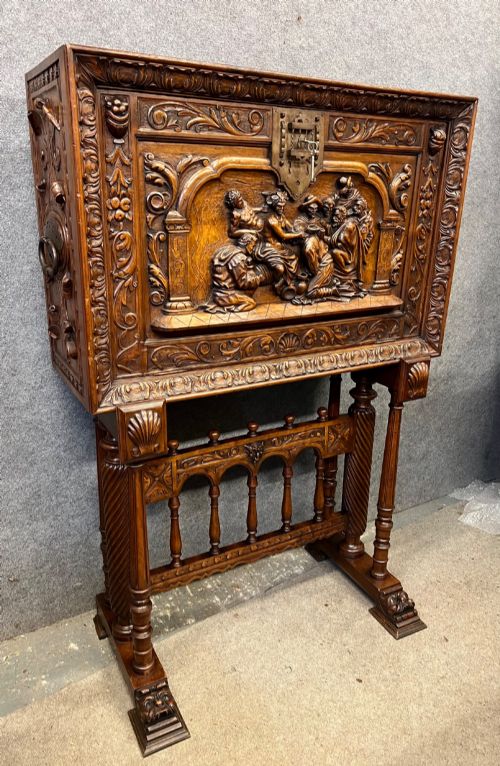
Craftsmen carved dense timbers such as oak and walnut to achieve deep relief and intricate figural details.
Surfaces frequently received layers of gesso before application of gold leaf, silver-gilt, or polychrome paint.
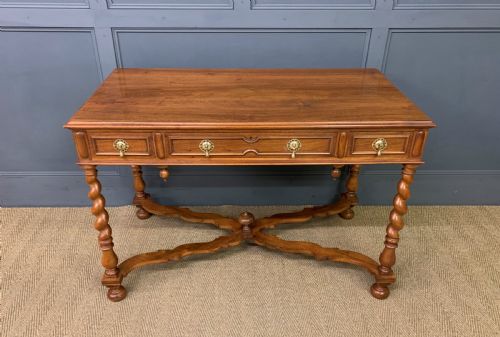
Joinery techniques ranged from standard pegged frames to elaborate turned elements like Solomonic columns.
Antique Baroque Carving Retail Price Guide 2026
Typical asking prices for baroque carving among the pieces listed under this phrase on Sellingantiques today, from the lower quarter to the upper quarter. They describe what is for sale here now, not the wider market.
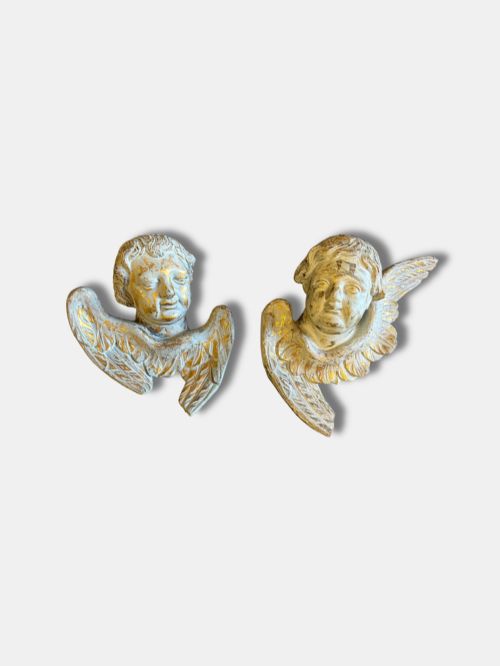
Cherubs and putti peer out from numerous mirrors, brackets, and torchiere bases.
Assessing the craftsmanship
The depth and fluidity of the chisel work separate proficient output from rigid mechanical replication.
Preservation of original gilding and surface finishes dictates the historical integrity of each item.
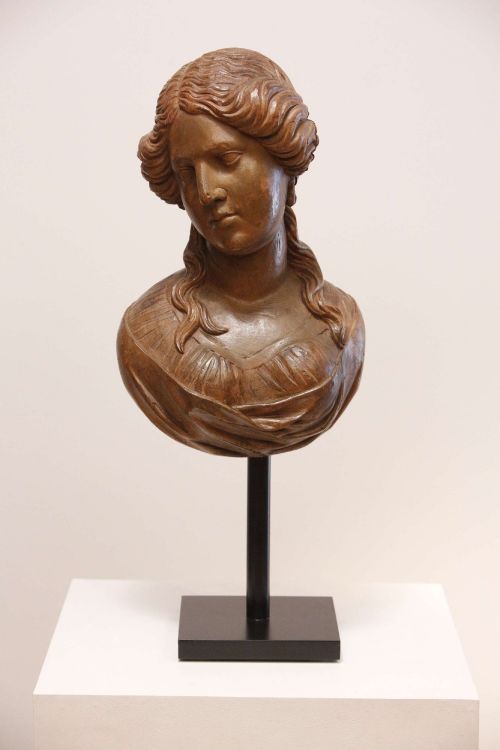
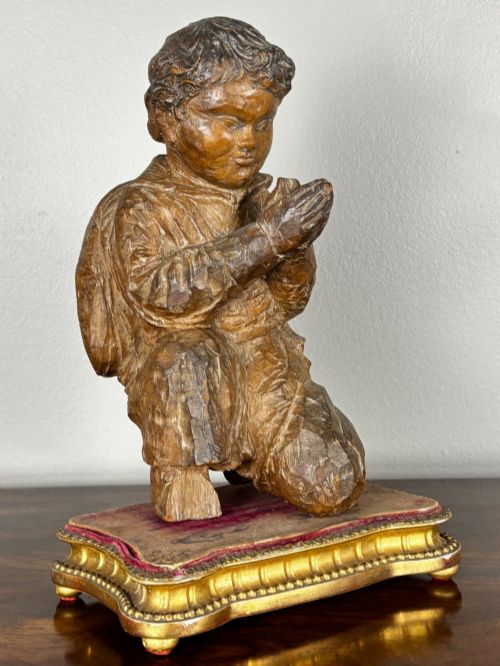
Proportion and anatomical precision in carved figures and putti reveal the skill of the original workshop.
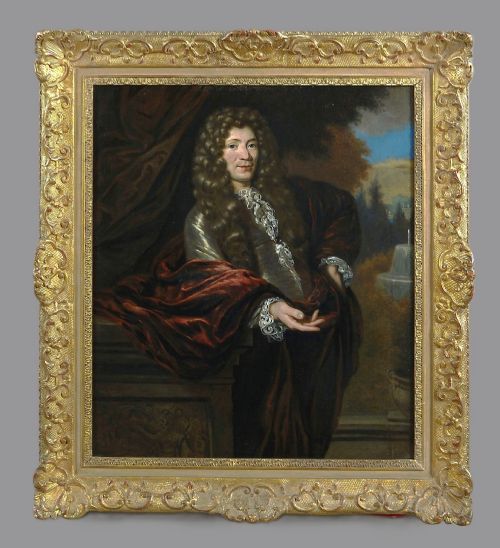
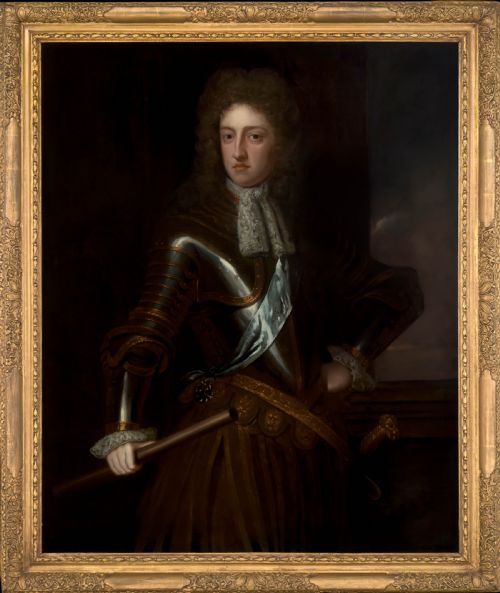
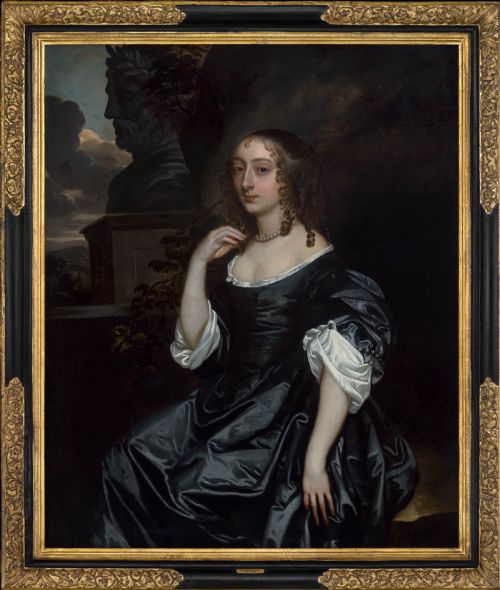
Sir Godfrey Kneller·Sir Anthony van Dyck·Thomas Murray·Andrea Brustolon
The Antique Baroque Carving Glossary
- Giltwood
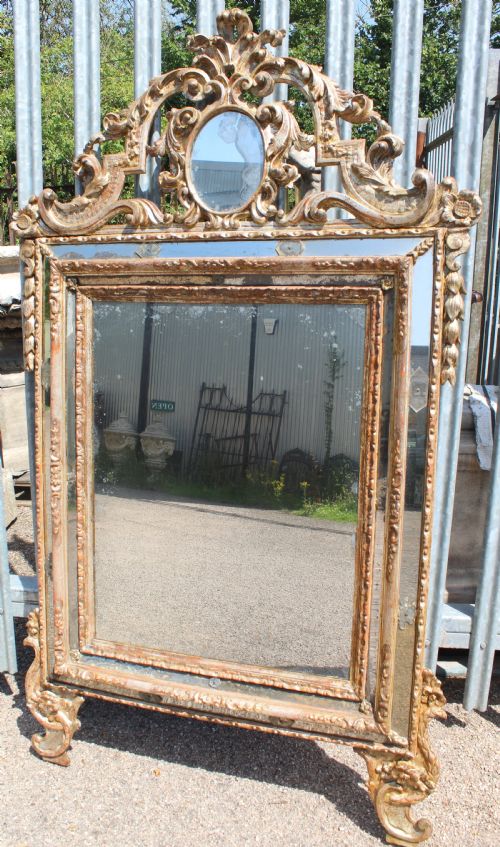
- Timber coated with gold leaf over a prepared gesso ground. This technique creates a luminous, reflective surface characteristic of formal mirrors and torcheres.
- Gesso
- A plaster-based mixture applied to wood to create a smooth base for gilding and painting. It allows intricate fine details to hold crisp edges under metallic leaf.
- Solomonic
- A helical or spiralling column shape derived from classical architecture. These twisted supports frequently appear on pedestals and furniture frames.
- Torchiere
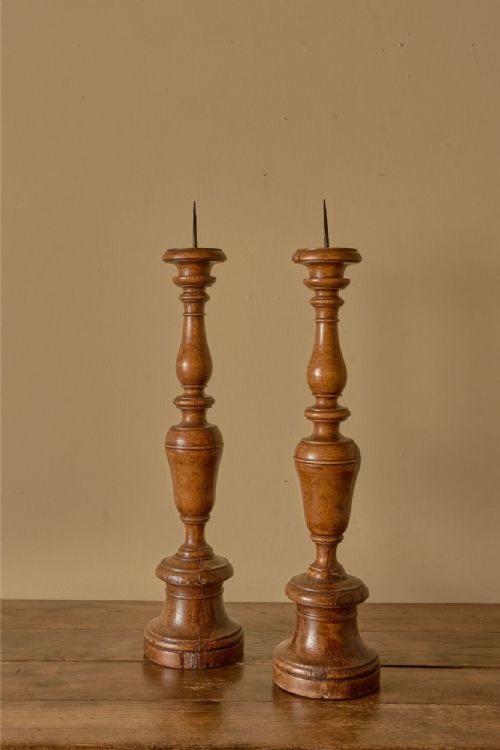
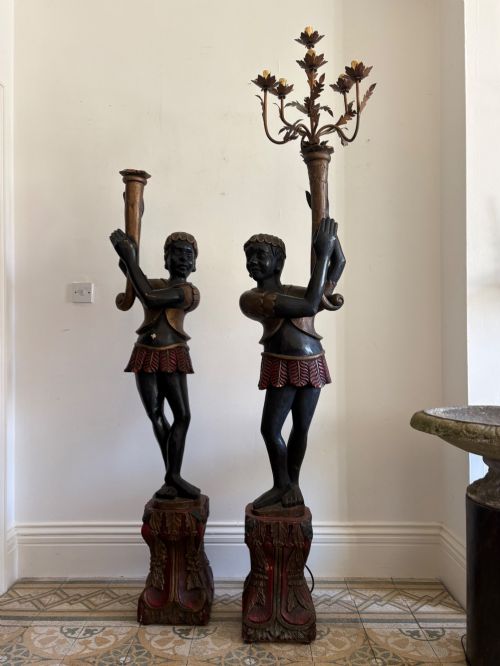
- A tall stand or floor lamp designed to hold a light source or candle. Surviving examples often feature carved figures or putti supporting the upper platform.
- Polychrome
- Painted in several colours, typically applied to carved wooden figures and saints. This decorative treatment enhances realism and visual presence.
Antique Baroque Carving: Frequently Asked Questions
How do I identify seventeenth-century carvings?
Seventeenth-century items rely heavily on solid walnut and oak with deep, hand-carved relief work reflecting early regional styles.
Surface patination and traditional joinery methods help distinguish genuine period pieces from later revivals.
What is the difference between original and revival pieces?
Original pieces date directly to the active seventeenth and eighteenth-century periods of production.
Revival items were manufactured later, notably during the nineteenth and early twentieth centuries, adopting historical aesthetics with different tool marks.
Where were these carved items placed in historic homes?
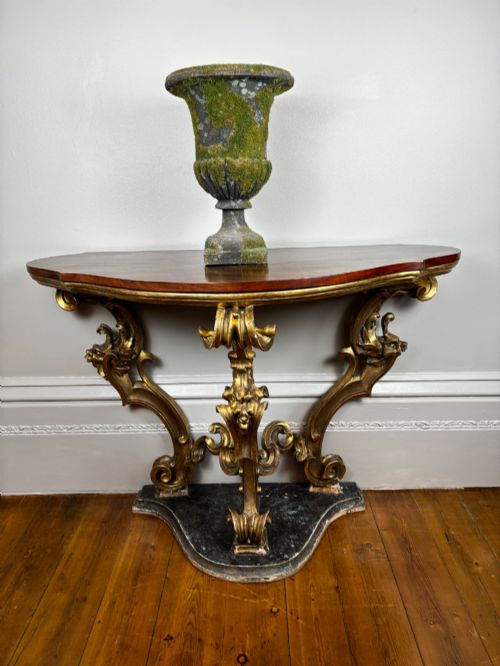
Large carved mirrors, torcheres, and console tables occupied formal reception rooms and grand hallways to display wealth.
Smaller brackets, wall lights, and figures adorned panelled walls and architectural focal points.
How should I care for giltwood surfaces?
Giltwood requires protection from direct sunlight and high humidity to prevent the underlying gesso from cracking.
Dusting should be performed gently with a dry, soft brush without applying liquid cleaners.