



Antique Mythological Carving
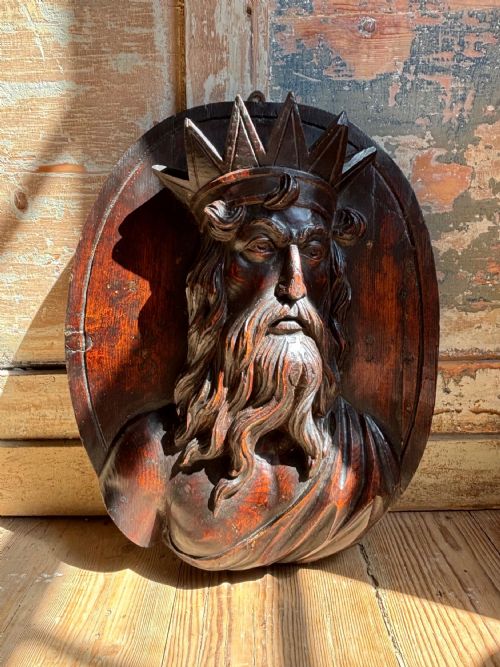
An antique mythological carving brings classical figures and legendary tales into a room through marble, oak, terracotta and shell.
Antique Mythological Carving
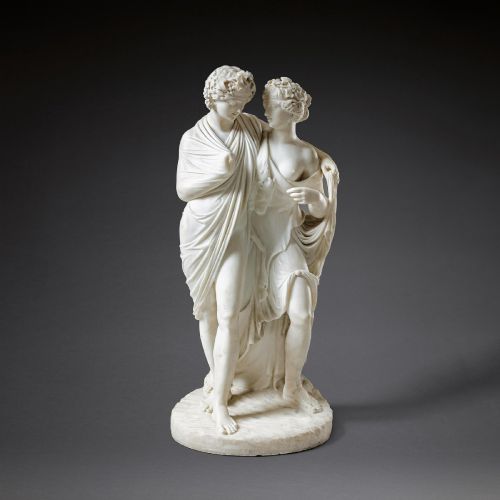
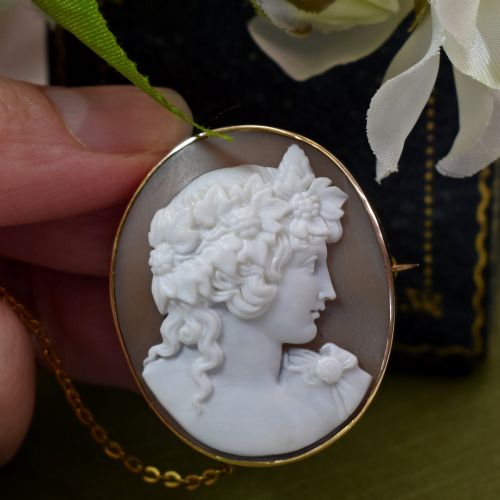
An antique mythological carving encompasses sculptural groups, relief panels, brooches and wall brackets depicting classical deities, legendary heroes and mythical beasts. Collectors searching this phrase encounter works ranging from white marble statues of Bacchus and Ariadne to shell cameo brooches portraying Demeter and Psyche.
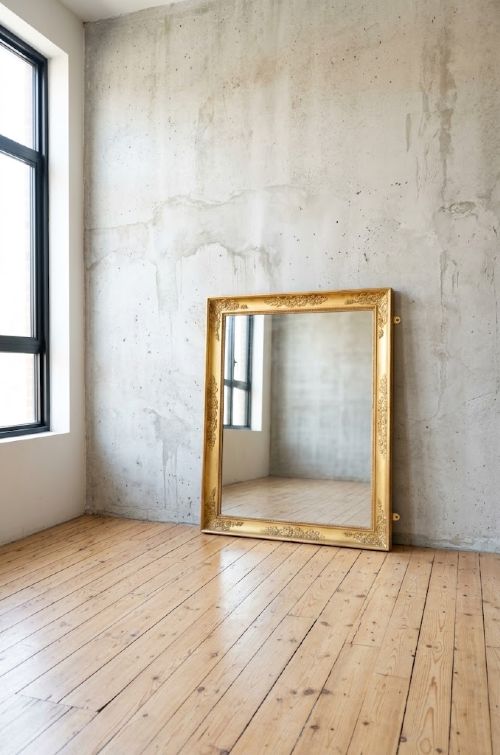
The selection on this page spans the eighteenth and nineteenth centuries alongside later Balinese and Burmese works in hardwood and silver. Pieces extend from large wall mirrors with floral and mythological motifs to solid marble sculptures and carved oak wall plaques.
European neoclassical and baroque styles sit alongside Southeast Asian temple carvings of deities such as Rama and Sita or Garuda. Buyers find domestic furnishings, wearable silver-mounted cameos and architectural brackets that translate ancient narratives into tangible objects.
How they were made
Carvers shaped these pieces using traditional hand tools across materials such as white marble, solid oak, hardwood, terracotta and giltwood. Sculptors worked stone and wood to achieve depth in relief panels and rounded contours in freestanding statues, while metalsmiths utilised repoussé techniques for silver bowls and mounts.
Cameo carvers worked directly into natural shell layers and lava stone to create miniature high-relief portraits of classical figures set in silver or gold. Gilded pieces received layers of gold leaf or gilder's composition applied over wood, terracotta or mirror frames to catch the light.
Makers integrated natural materials, mounting shell cameos in silver settings and carving sword handles from deer antler. Artisans combined joinery, casting and hand-chiselling to produce fire screens, console tables and furniture with detailed figural ornaments.
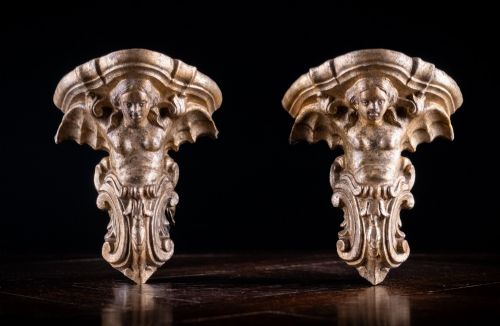
Several pieces feature winged sirens, griffins and centaurs, proving that historical artisans enjoyed carving mythical beasts just as much as gods.
What varies in quality
The standard of execution in an antique mythological carving depends upon the depth of relief, the anatomical accuracy of the figures and the sharpness of the chisel work. Sculptures and plaques attributed to named makers or recorded artists display superior facial expression and drapery fall compared to unsigned domestic workshop pieces.
Material selection divides the range, distinguishing solid white marble and fine shell cameos from cast terracotta or standard hardwoods. The preservation of original gilding on mirrors and wall brackets determines how cleanly the carved mythological details retain their intended visual impact.
Carlo Albacini·Antonio Canova·Denise Delavigne·Peter Paul Rubens
The Antique Mythological Carving Glossary
- Neoclassical
- A style reviving classical Greco-Roman forms, symmetry and mythological subject matter during the eighteenth and nineteenth centuries. This aesthetic prioritises clean lines and heroic narratives.
- Cameo
- A method of carving an object such as a shell or stone so that a raised relief image stands out from a contrasting background. These small works frequently depict deities and classical figures.
- Repoussé
- A metalworking technique where the artisan hammers the reverse of a sheet of metal to form a raised design on the front. Burmese silver pieces utilise this method for detailed narrative scenes.
- Giltwood
- Wood that has been coated with gold leaf, gold powder or liquid paint for a golden finish. This treatment enhances wall mirrors and architectural brackets.
- Terracotta
- Fired clay used for sculptural plaques and brackets. This material allows for moulded and hand-finished mythological details before firing.
Antique Mythological Carving: Frequently Asked Questions
What materials are used?
These carvings appear in white marble, solid oak, hardwood, terracotta, shell, lava stone, silver and giltwood. Makers matched the material to the form, using stone for large statues and shell or lava for wearable brooches.
Surviving pieces also incorporate gold leaf, brass and crystal to accentuate the carved figures of deities and mythological beasts.
How do I identify periods?
Periods reveal themselves through stylistic movements such as neoclassical, baroque, Victorian and Gothic Revival alongside specific material treatments. Eighteenth-century pieces often show deep, resolute carving in wood and marble.
Nineteenth-century examples span grand Italian marble groups to delicate shell cameo brooches set in silver or gold.
Where were these placed?
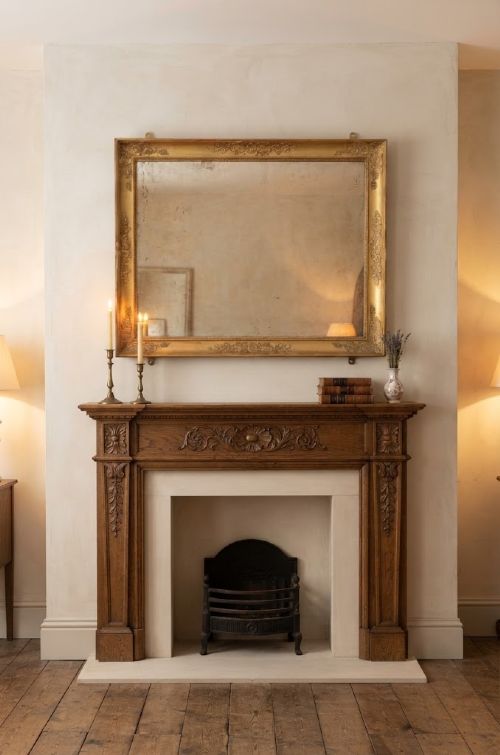
Larger sculptures, wall mirrors and fire screens occupied formal drawing rooms and reception spaces in historic homes. Architectural brackets and carved panels adorned walls and fireplace surrounds.
Smaller items like cameo brooches were worn as personal adornment, while temple chairs and ceremonial gongs served ritual and decorative functions.
Are signed pieces common?
Signed works and pieces with direct attributions to sculptors or makers represent a distinct portion of the range. Signatures appear incised into marble bases or carved into wooden mirror frames.
Many decorative items remain unsigned, reflecting workshop production rather than individual studio authorship while maintaining high standards of craftsmanship.