


Gilded Wood Sculpture
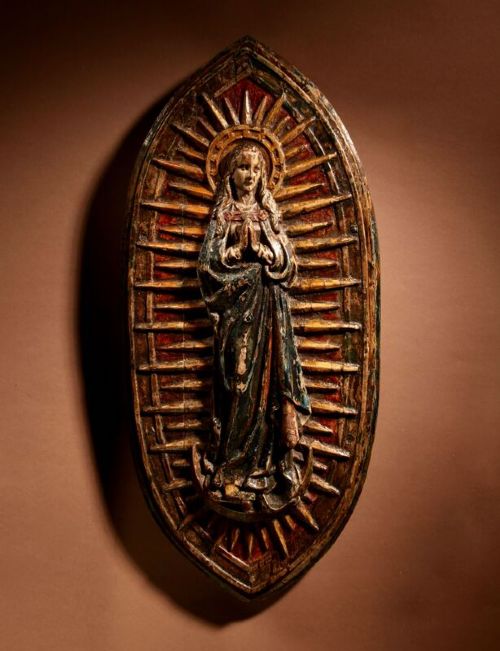
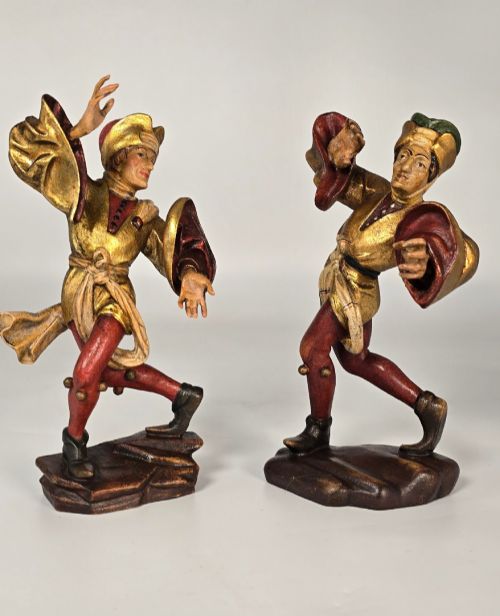
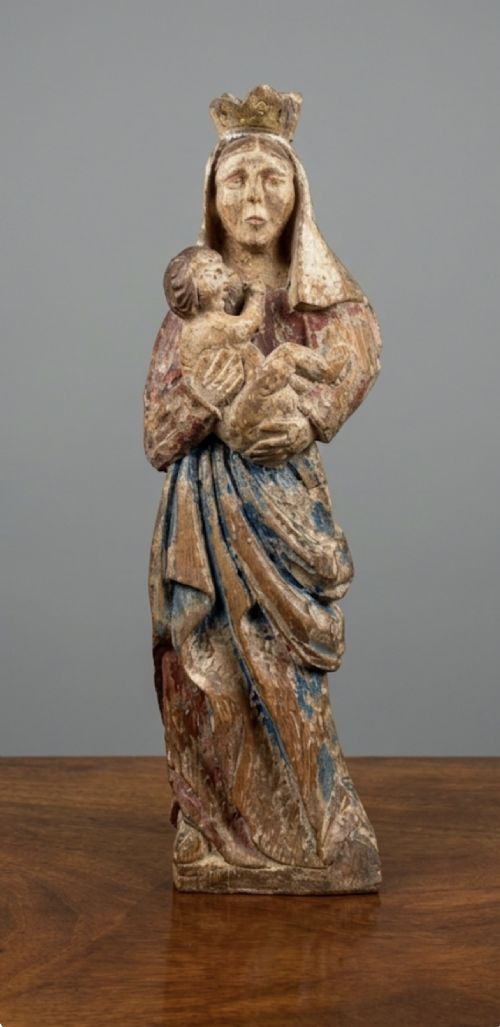
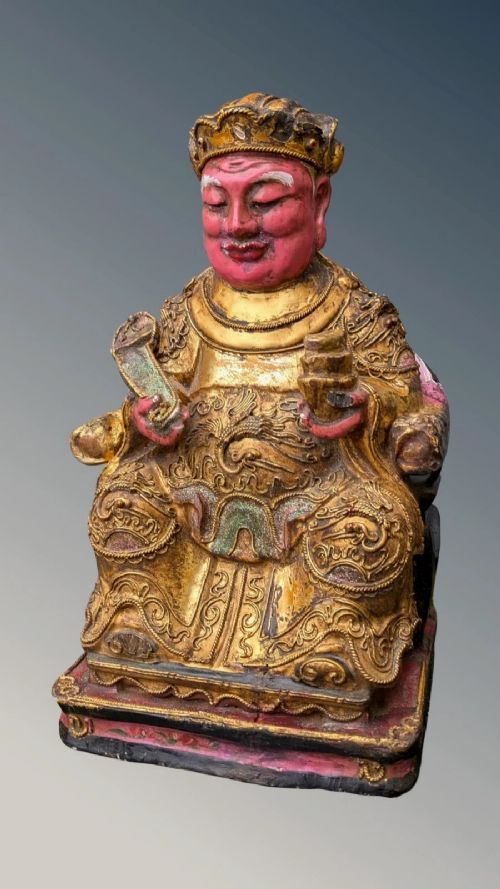
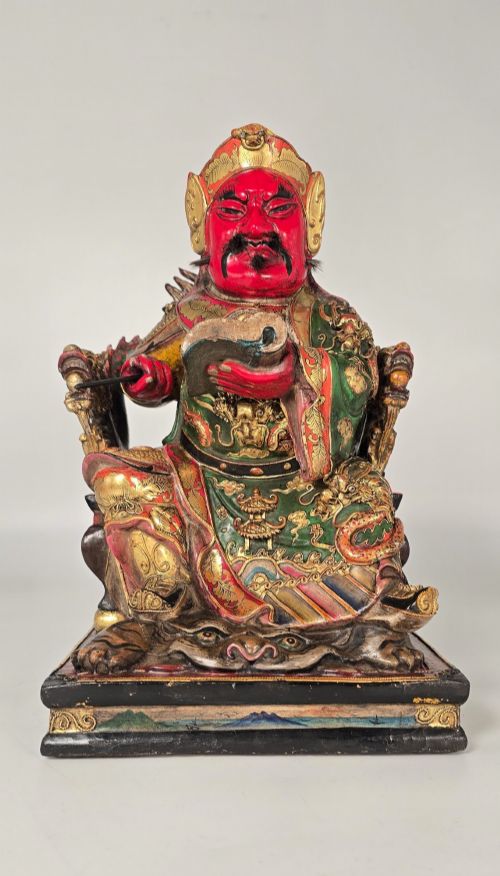
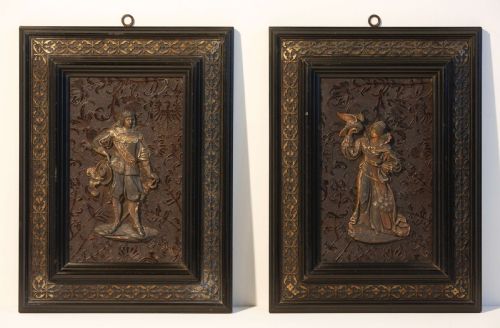
These gilded wood sculpture pieces bring carved figures and religious subjects into interiors through gold leaf and gesso on timber.
Gilded Wood Sculpture
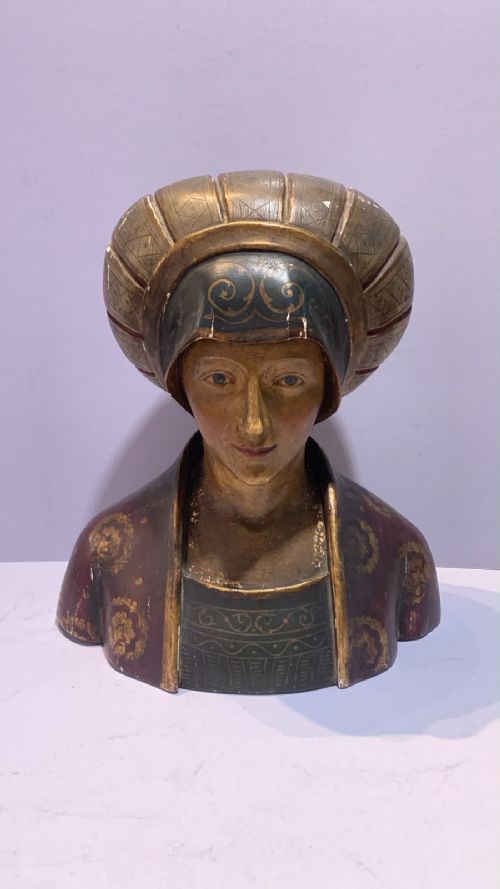
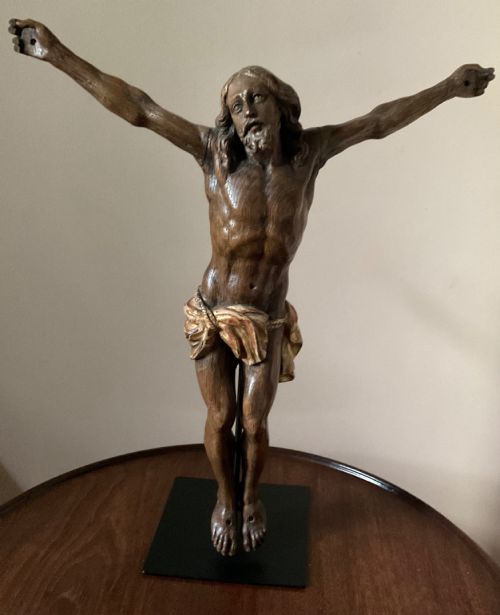
A gilded wood sculpture spans centuries of carving traditions, taking the form of religious statues, wall sculptures, and figurines. Buyers exploring gilded wood sculpture encounter figures ranging from European angels and saints to Asian temple deities and Buddha statues.
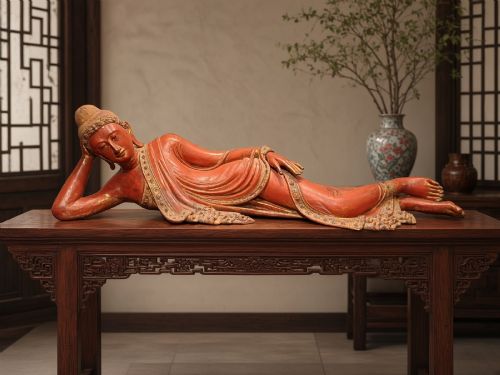
The pieces on this page draw from periods including the seventeenth, eighteenth, and nineteenth centuries. European baroque and Venetian works appear alongside Chinese Qing period figures and Burmese temple carvings.
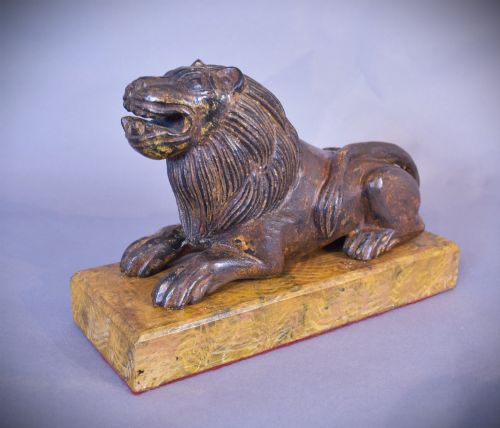
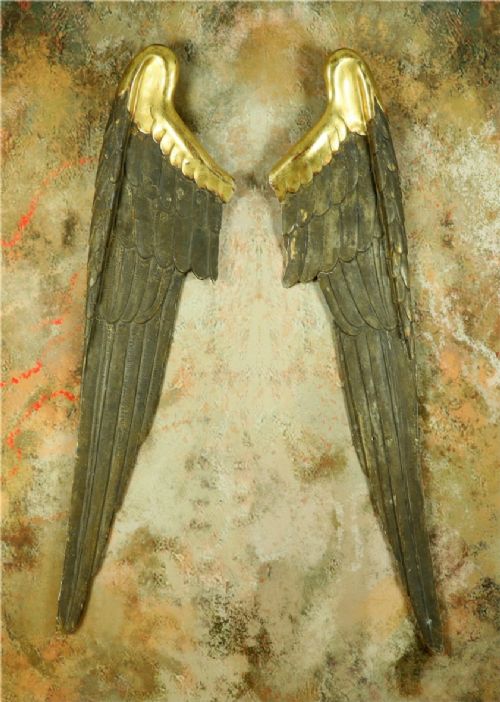
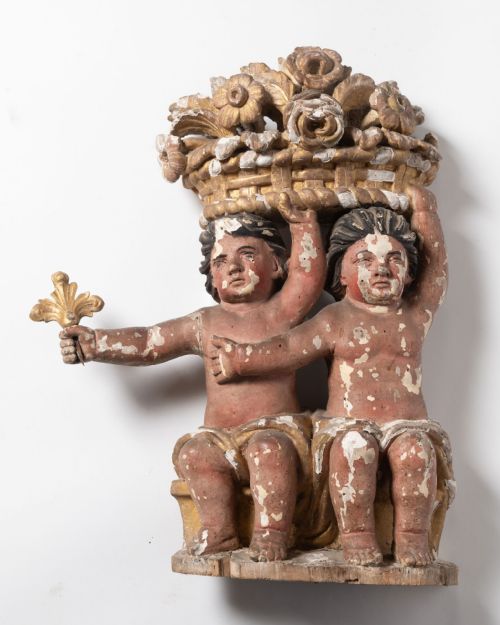
Forms extend from individual standing figures and pairs of putti to architectural elements like altarpiece panels and angel wings. Animal carvings such as lions, foo dogs, and elephants also represent the category.
How they were made
Carvers shaped woods such as oak, limewood, and pine before applying layers of gesso to create a smooth preparation surface. Artisans then laid gold leaf over the gesso base to achieve the characteristic metallic finish.
Among the carved company sit wooden temple elephants, snarling foo dogs, and serene reclining Buddhas sharing space with winged angels.
What varies in quality
The depth and nuance of the hand carving distinguish finer pieces from simpler decorative objects. Expressive facial details, fluid drapery folds, and balanced proportions reflect the skill of the original maker.
The preservation of the original surface finish dictates the character of each piece. Retaining intact layers of early gold leaf, gesso, and polychrome pigment marks a higher standard of survival.
The Gilded Wood Sculpture Glossary
- Giltwood
- Wood that has been treated with gold leaf or gold paint. This finish appears extensively across European and Asian decorative carvings.
- Gesso
- A plaster mix applied to a wooden substrate as a base for gilding. It provides a smooth ground for adhering gold leaf.
- Polychrome
- Decorated in several colours. This term describes painted surfaces found on temple figures and saints.
- Putti
- Depictions of chubby male infants, often winged, common in Italian and European art. They frequently appear as pairs in religious and decorative sculpture.
- Corpus Christi
- A representation of the body of Christ on the cross. These wooden figures date predominantly from earlier centuries.
Gilded Wood Sculpture: Frequently Asked Questions
How do I clean gilded wood sculpture?
Dust surfaces gently with a soft, dry brush to protect the delicate gold leaf and gesso layers.
Avoid liquid cleaners, moisture, and chemical agents that can strip or damage the historic finish.
Where were these sculptures made?
The pieces originate from various European regions including Italy, Germany, France, and England, as well as Asian traditions from China, Japan, and Burma.
Each region employed distinct carving techniques and stylistic conventions suited to local religious and secular commissions.
Are these sculptures religious objects?
Many pieces served devotional functions in churches, temples, or household shrines, depicting saints, Buddhas, angels, and deities.
Others were created as decorative ornaments, architectural elements, or Grand Tour souvenirs for collectors.
How do I tell the period?
Dating relies on the carving style, garment folds, tool marks left on the wood, and the composition of the gesso and gold leaf layers.
Stylistic markers such as Baroque curves or Qing period attributes help narrow down the era of creation.