



Gold Architectural Carving
Gold architectural carving brings historic wall mirrors, panels and overmantels together through heavily gilded wood and gesso.
Gold Architectural Carving
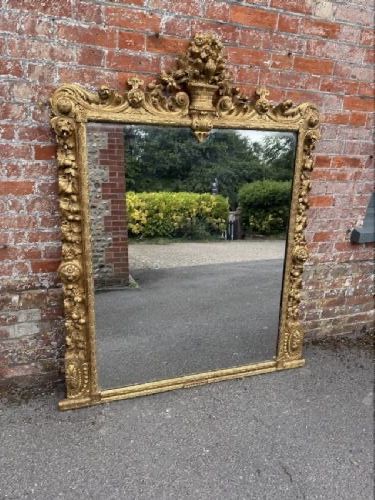
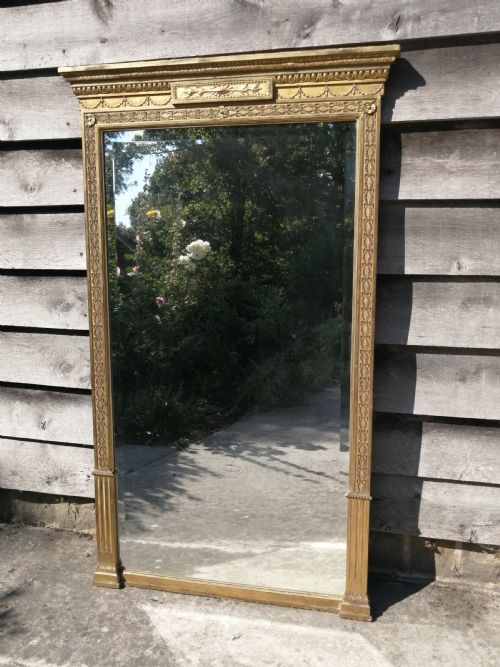
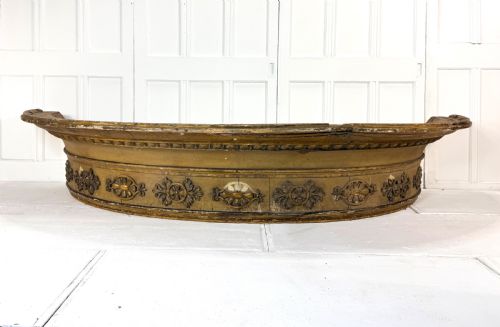
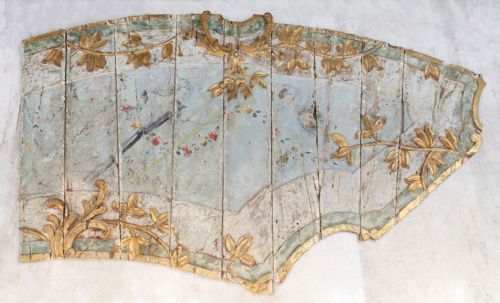
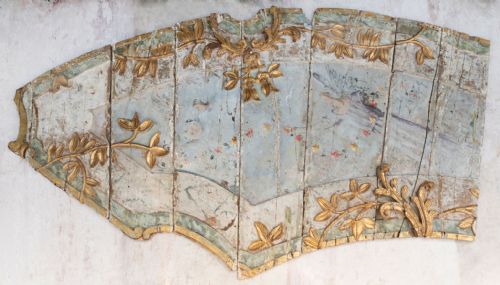
Buyers seeking gold architectural carving encounter substantial wall mirrors, overmantel mirrors and architectural fragments designed to anchor historic interiors. The items span the eighteenth and nineteenth centuries, taking forms such as pier mirrors, pelmets, wall brackets and carved panels.
Originating largely from domestic settings and institutional spaces, these carved pieces retain the substantial presence required for prominent placement above fireplaces and along principal walls. They represent the surviving woodwork from earlier decorative schemes.
Materials and construction
Makers shaped structural elements from timber such as walnut and various softwoods before applying layered gesso to smooth the surface for intricate carving. Gold leaf or parcel gilt finishes were then laid over the prepared wood.
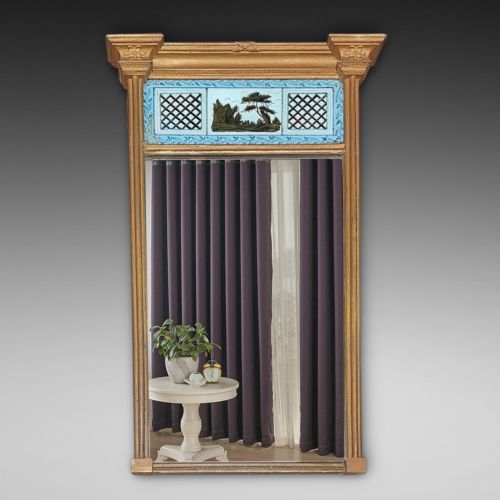
Surfaces frequently combine painted details, glass plates and verre églomisé alongside the primary gilding. Joinery relies on traditional carpentry methods appropriate to the period, supporting heavy frames and projecting architectural elements.
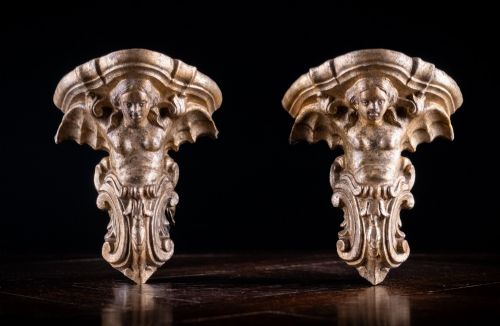
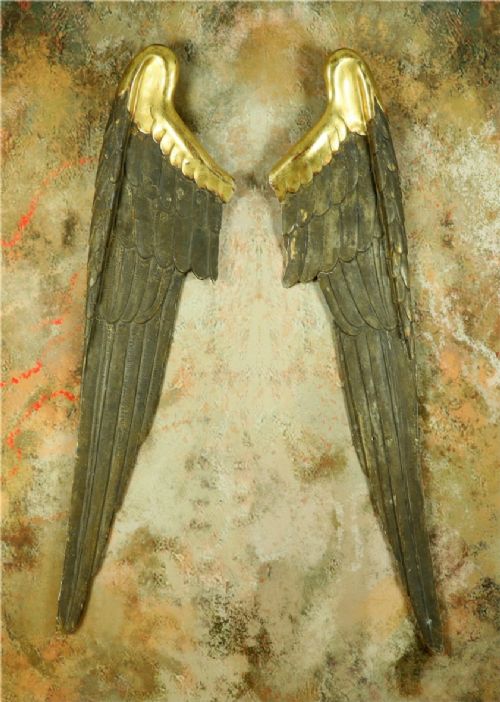
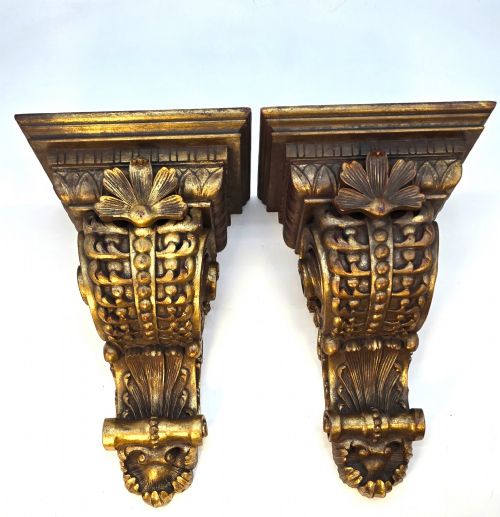
Winged siren brackets keep silent watch from the wall, proving that nineteenth-century rooms loved a touch of mythical drama.
Distinguishing quality
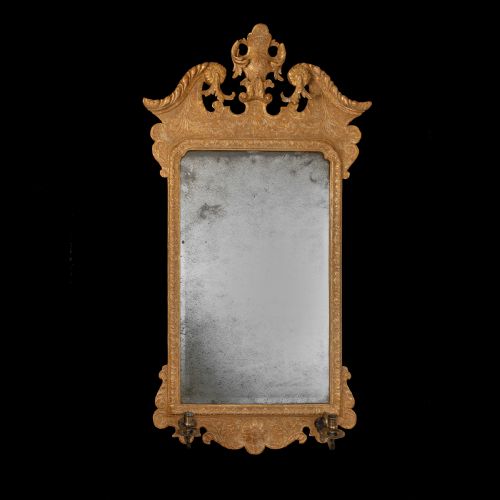
Quality rests in the crispness and depth of the hand-carved detail across the gesso and wood substrate. Pieces displaying deep relief work and well-defined moulding hold greater visual strength than softer, flatter examples.
The integrity of the original gilded surface and glass plates determines the overall character of each object. Skill in handling the gesso prior to gilding dictates how well the metallic finish catches light across the architectural form.
The Gold Architectural Carving Glossary
- Gesso
- A plaster mixture applied to wood surfaces to provide a smooth base for carving and gilding. It allows for sharp decorative details that wood alone cannot hold as cleanly.
- Giltwood
- Timber that has been coated with gold leaf or gold paint. This material forms the primary visual identity of many historic mirrors and architectural ornaments.
- Overmantel mirror
- A large mirror specifically proportioned to hang above a fireplace mantelpiece. These often feature elaborate carved frames reflecting the prevailing interior style of their period.
- Pier mirror
- A tall, narrow mirror designed to hang on the wall space between windows. They frequently incorporate console tables or matching architectural brackets below.
- Verre églomisé
- A process of applying gold or silver leaf to glass combined with engraving and painting. It appears in historic mirror plates and decorative panels.
Gold Architectural Carving: Frequently Asked Questions
Where were these carvings originally placed?
These decorative elements originated in grand rooms, long galleries and formal reception spaces within historic houses. They framed fireplaces, filled wall spaces between windows or adorned temple interiors.
Overmantels anchored the chimney breast as a central focal point, while smaller panels and brackets added sculptural depth to surrounding walls.
How do I hang a heavy antique mirror?
Due to the substantial weight of carved wood and gesso frames, secure wall anchoring is essential. Fixing directly into structural masonry or heavy wall studs using rated hardware provides the necessary support.
Professional installation is frequently recommended to safely distribute the load of large nineteenth-century overmantel frames.
How should I clean gilded wood surfaces?
Gilded and gesso surfaces require gentle maintenance to preserve the delicate metallic leaf. Dusting lightly with a soft, dry brush prevents accumulation without disturbing the finish.
Moisture and chemical cleaners should be avoided entirely, as they damage historic gesso and strip away the thin layers of gold leaf.
How do I identify the period of a carved frame?
Dating relies on stylistic cues such as neoclassical symmetry, rococo curves or Victorian proportions, combined with the construction methods visible on the reverse. Examining the timber type and the composition of the gesso layer helps narrow down the era of manufacture.
Comparing the decorative motifs with documented furniture and architectural designs provides further context for the age of the piece.