



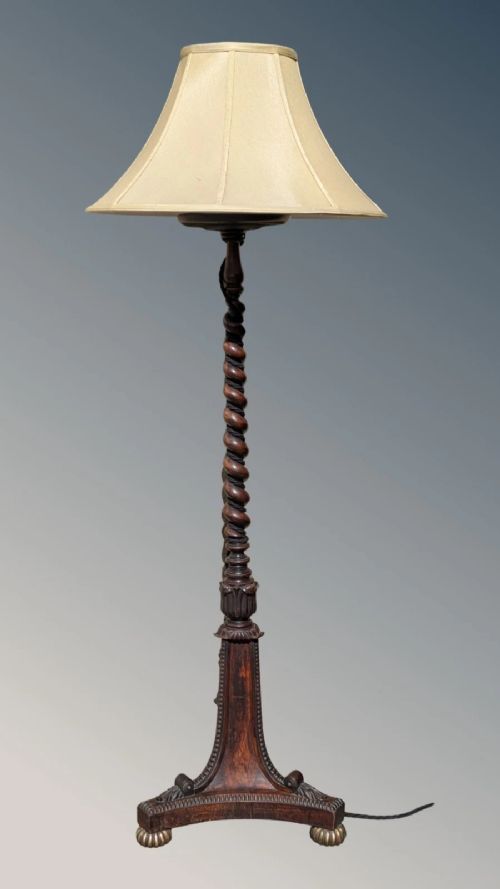
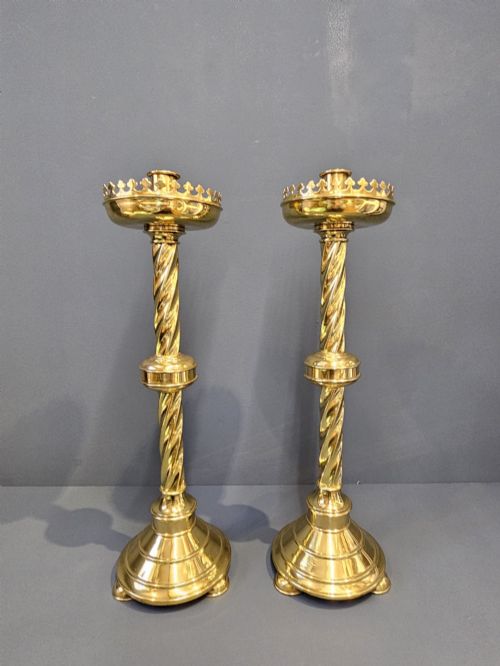
Antique Barley Twist Stand
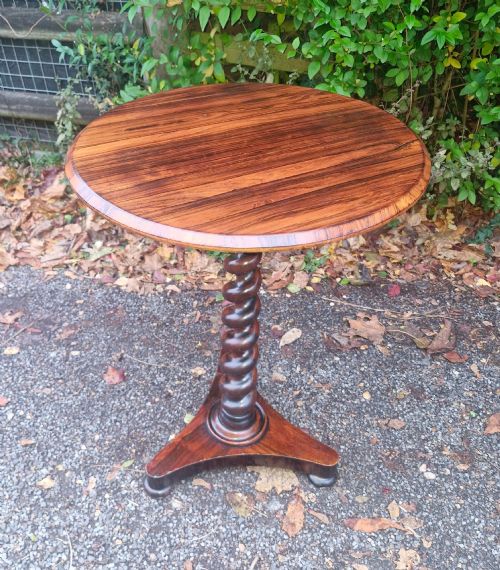
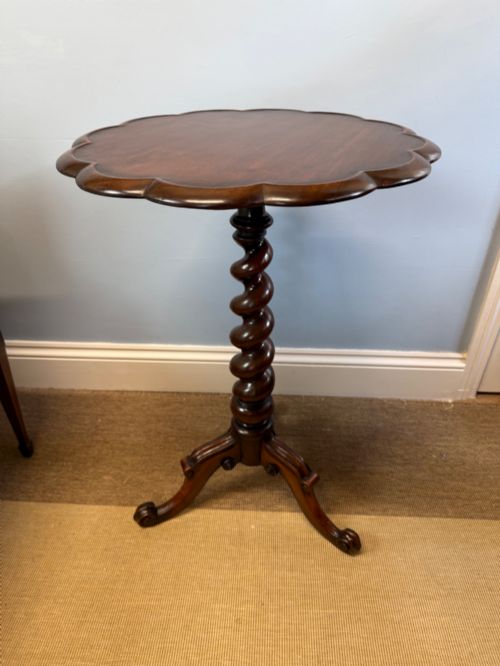
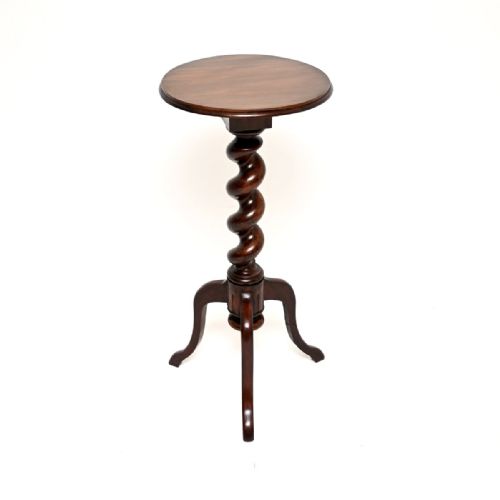
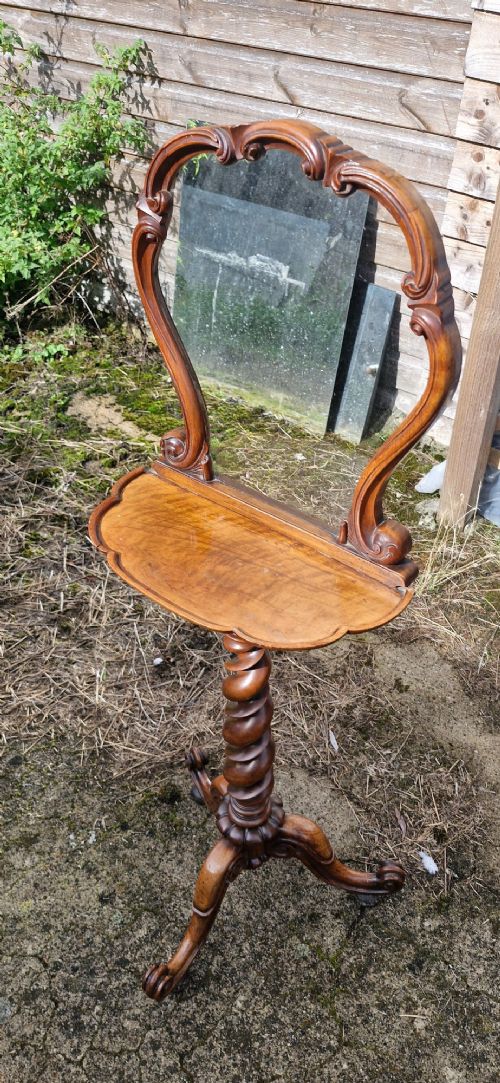
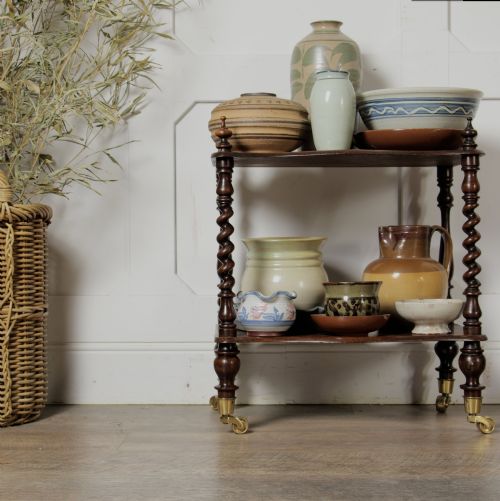
An antique barley twist stand brings sculptural turned timber and substantial presence into a room.
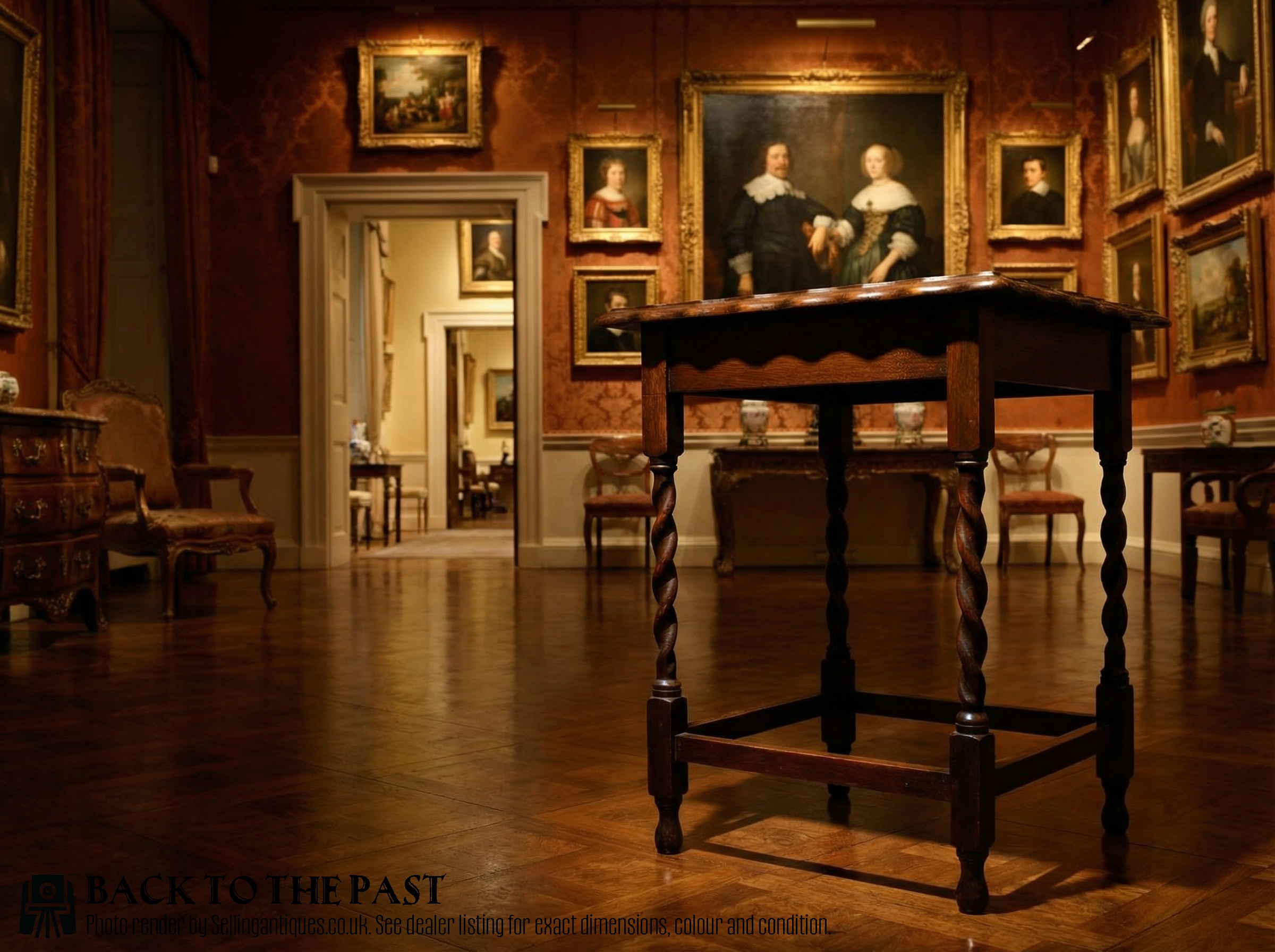
Antique Barley Twist Stand
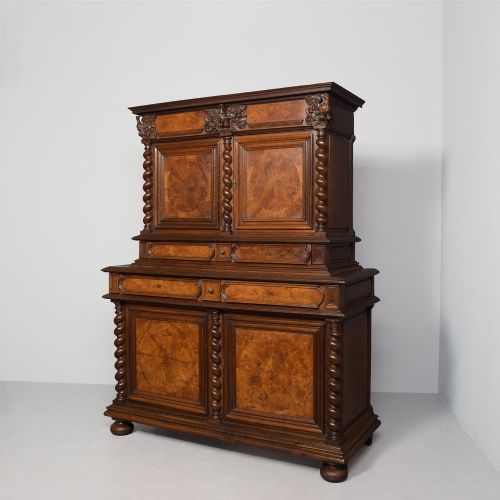
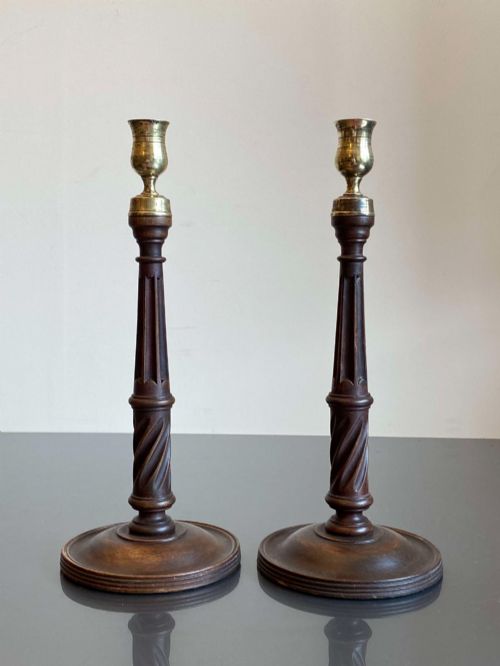
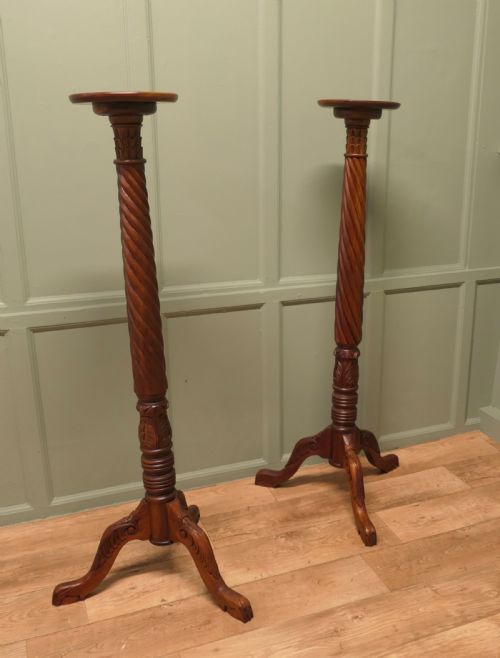
When you search for an antique barley twist stand, you encounter pieces spanning from the 17th century through the Edwardian period and into the 1920s. Side tables, occasional tables, plant holders, and floor lamps dominate the forms you meet.
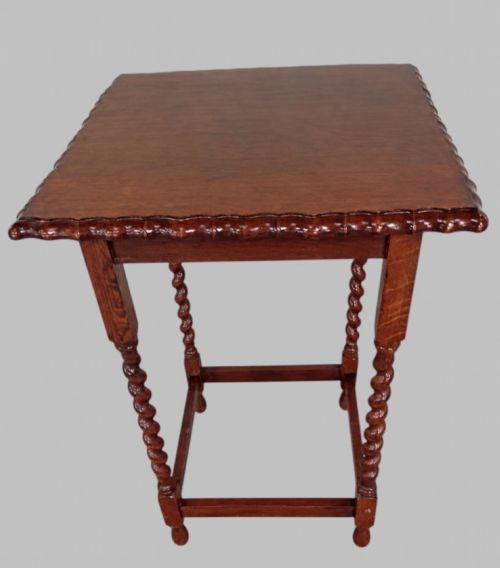
Victorian and Edwardian oak and walnut examples appear most frequently on this page. These sturdy pieces serve functional roles as display columns, lamp tables, and umbrella holders.
Earlier interpretations echo William and Mary or Jacobean revivals, using rich timbers like burr walnut, mahogany, and rosewood. The distinctive helical turning defines the vertical supports across every surviving category.
What varies in quality
The sharpness and depth of the carved twist separate finer examples from plain production pieces. Crisply defined helical lines show superior hand-craftsmanship compared to shallow or mechanically rounded turns.
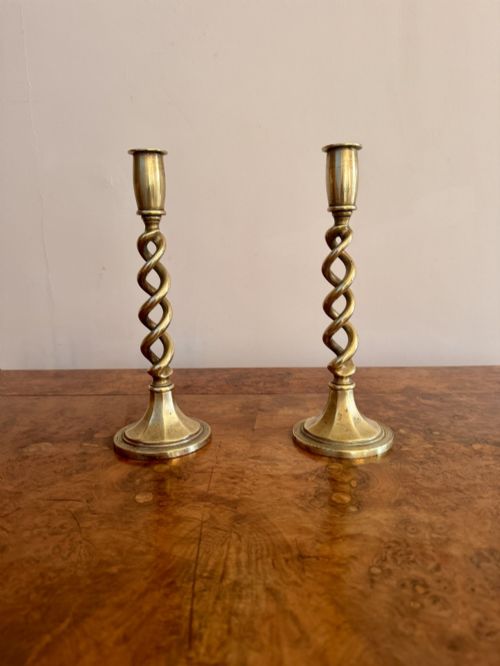
Timber selection dictates the distinction at the upper end of the range. Solid burr walnut, figured mahogany, and heavy cast brass carry greater visual weight and structural integrity than secondary softwoods.
Antique Barley Twist Stand Retail Price Guide 2026
Typical asking prices for barley twist stand among the pieces listed under this phrase on Sellingantiques today, from the lower quarter to the upper quarter. They describe what is for sale here now, not the wider market.
Listings feature oak, walnut, mahogany, rosewood, brass, and cast iron across Victorian, Edwardian, and earlier centuries.
The Antique Barley Twist Stand Glossary
- Barley twist
- A cylindrical column or leg carved into a helical screw shape. This decorative turning style gained popularity during the 17th century and returned in later Victorian revivals.
- Whatnot
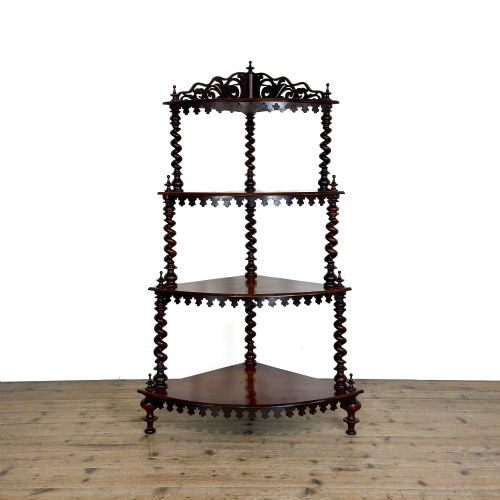
- A multi-tiered piece of freestanding furniture used for displaying ornaments or holding books. These items frequently incorporate turned uprights and small shelves.
- Jardiniere stand
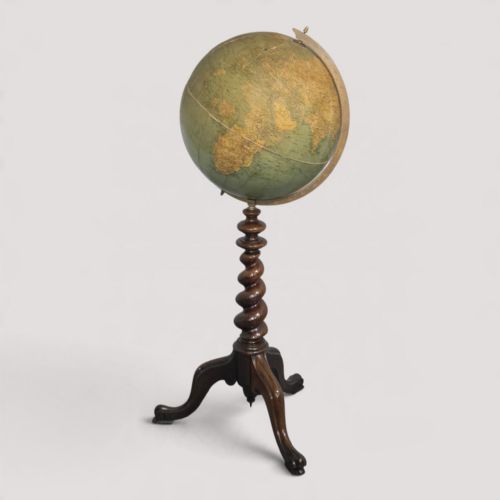
- A tall pedestal or holder designed specifically to support a plant pot or floral arrangement. Many utilise a central turned column on a stable tripod base.
- Solomonic column
- An architectural term for a helical shaft resembling the pillars of Solomon's temple. Craftsmen applied this classic form to pedestals and table legs.
Antique Barley Twist Stand: Frequently Asked Questions
What periods do these stands come from?
The pieces span from the 17th century up to the 1920s, with a strong representation of Victorian and Edwardian examples.
Earlier items draw on Jacobean and William and Mary styles, while later decades embraced revival designs using oak, walnut, and brass.
How were barley twist stands used originally?
These versatile stands served multiple domestic functions, functioning as plant holders, lamp tables, and umbrella supports.
Tall pedestals held lanterns or floral displays in hallways, while smaller tables sat beside chairs to hold drinks or reading material.
How do I identify the timber?
Oak and walnut appear most frequently, displaying distinct grain patterns and deep natural colouration.
Mahogany and rosewood provide a heavier, smoother reddish-brown finish, while ebonised wood offers a dense black surface.
Are these stands structurally sturdy?
Solid hardwood construction ensures most stands remain robust for daily use in modern interiors.
The thick turned shafts distribute weight effectively, though tripod bases and slender stems benefit from placement away from heavy foot traffic.