


1920s Oak Accent Table
A 1920s oak accent table brings solid character and useful surface space to a room, offering sturdy charm for everyday living.
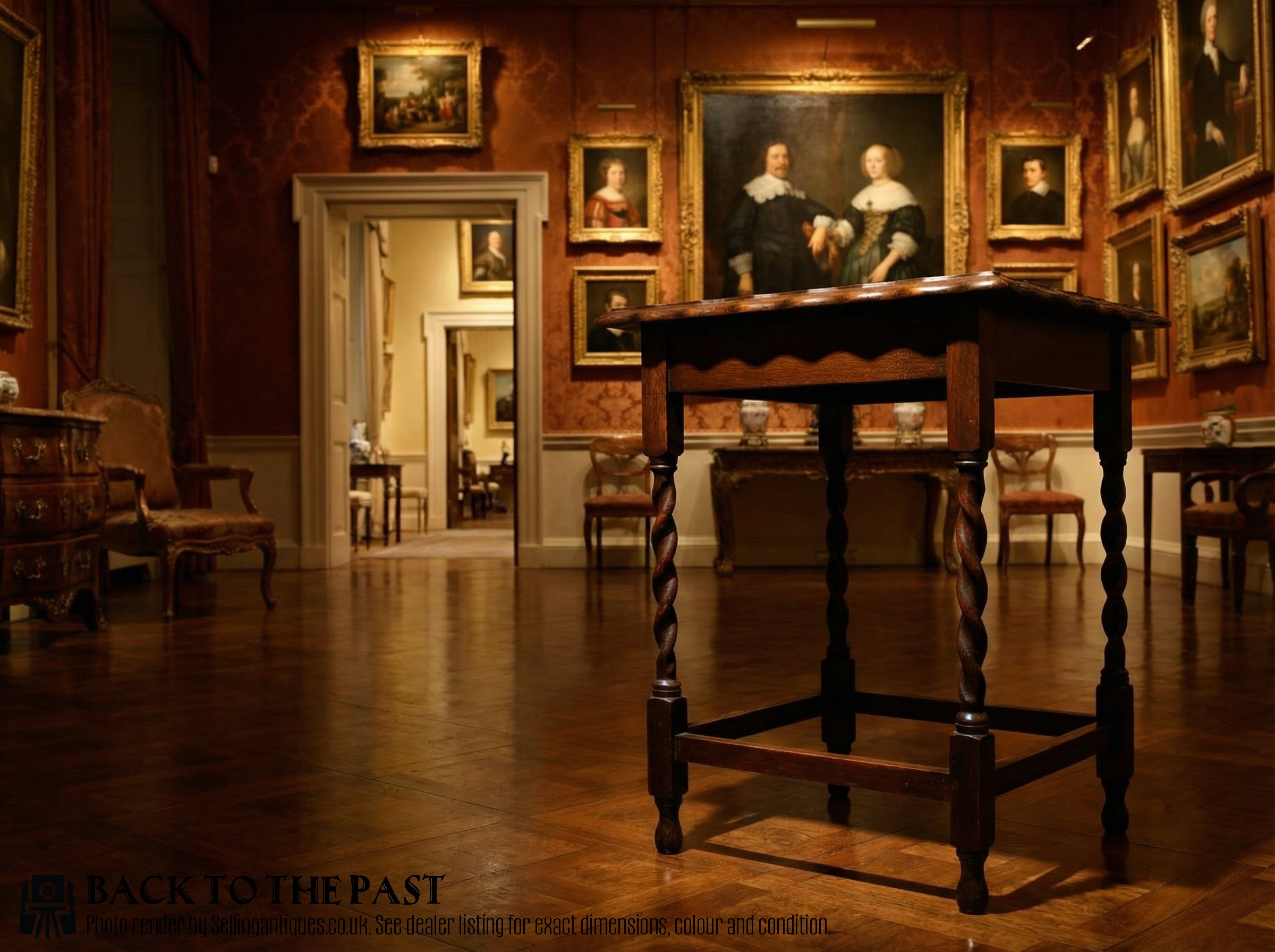
1920s Oak Accent Table
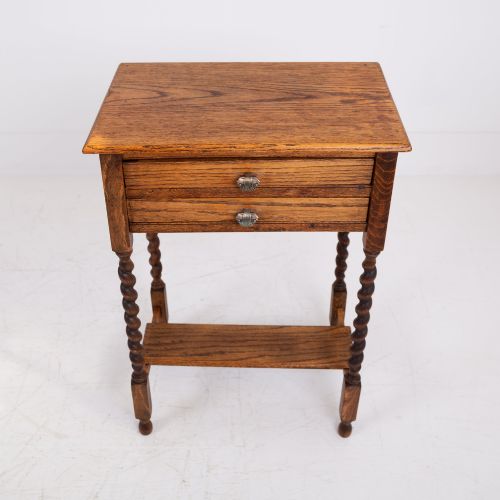
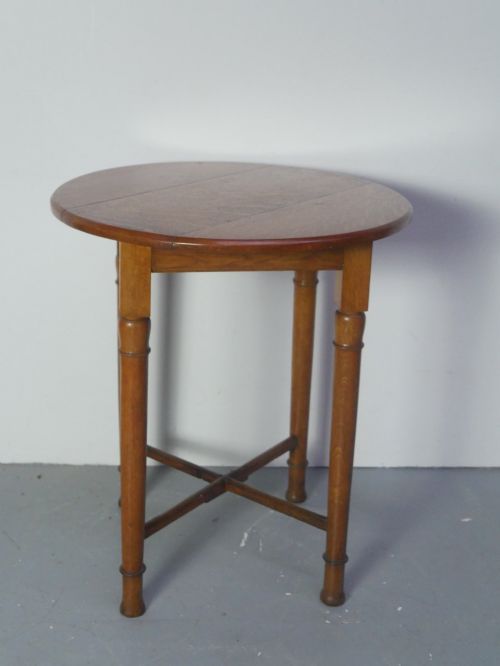
A 1920s oak accent table is a compact surface designed for lamps, books, or daily use in sitting rooms and hallways. These pieces draw from styles such as Jacobean Revival, Arts and Crafts, and Art Deco, reflecting the diverse domestic tastes of the period.
Most items you meet on this page take the form of side tables, lamp tables, or occasional tables. They serve functional roles while bringing period timber grain and compact proportions into modern interiors.
Origins span the interwar years alongside the 1910s, showing how traditional cabinet making adapted to smaller living spaces. Rectangular shapes, six-sided tops, and occasional two-drawer arrangements appear across the selection.
How they were made
Construction relies upon solid oak and hardwood timbers selected for durability and pronounced grain patterns. Workshops shaped these materials into practical domestic furniture using established joinery methods of the era.
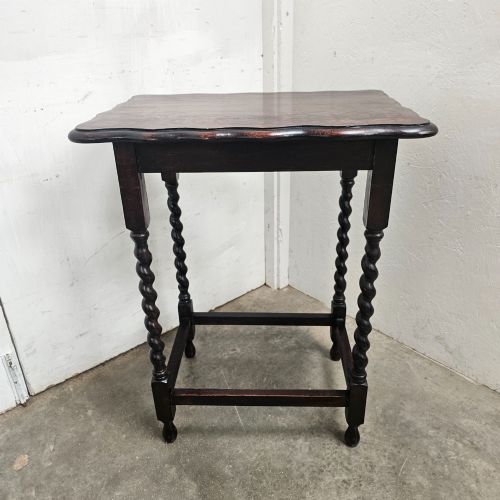
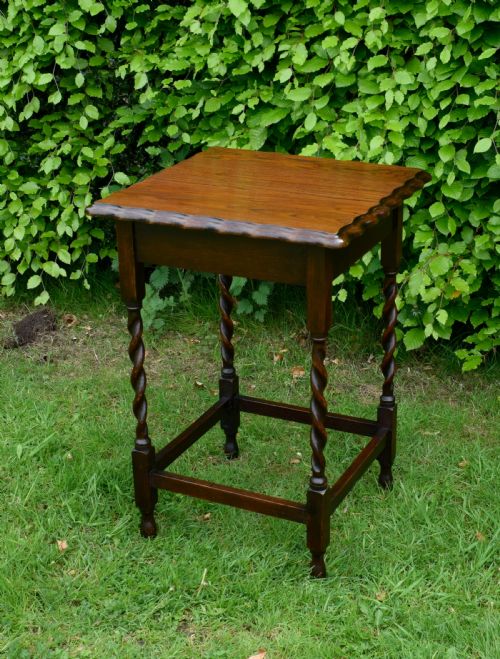
Turned elements, notably barley twist legs, feature prominently on several tables, requiring skilled lathe work. Tops range from pie crust edges to clean rectangular boards and geometric six-sided formats.
Six-sided occasional tables offer an eccentric geometric alternative to standard square tops.
What varies in quality
Quality rests upon the crispness of turned details such as barley twist legs and the selection of solid timber. Finer examples display balanced proportions and careful attention to edge profiles like pie crust shaping.
The integration of functional elements, including smooth-running drawers or stable multi-sided frames, distinguishes standard utility pieces from finer decorative works of the interwar period.
The 1920s Oak Accent Table Glossary
- Barley twist
- A decorative turning style resembling a spiral rope, frequently used on table legs during this period. This technique creates strong vertical movement and visual texture.
- Pie crust table
- A small table featuring a raised, undulating carved rim around the edge of the top. The curving profile resembles traditional pastry crust work.
- Occasional table
- A light, movable small table intended to be used as needed in various parts of a room. These versatile items accommodate lamps or drinks.
- Jacobean Revival
- A design style drawing inspiration from seventeenth-century English furnishings, marked by heavy turning and dark oak finishes. It remained popular in domestic interiors well into the twentieth century.
1920s Oak Accent Table: Frequently Asked Questions
Where should I place a lamp table?
A lamp table fits well beside a sofa or reading chair where it provides a stable surface for lighting and small items. Its compact footprint allows it to occupy corners or tight spaces without crowding the room.
Positioning one in a hallway creates a convenient drop zone for keys and post. The solid oak construction handles daily use while adding period warmth to the space.
How do I care for solid oak furniture?
Keep solid oak surfaces clean using a soft, dry cloth to remove dust and prevent accumulation in the grain. Avoid placing the table near direct heat sources or strong sunlight to protect the timber finish.
Applying a suitable wax occasionally nourishes the hardwood and maintains its natural lustre. Gentle treatment ensures the structure and joints remain stable over time.
What defines an Arts and Crafts table?
An Arts and Crafts table emphasises honest construction, visible timber grain, and straightforward utility over excessive ornamentation. These pieces highlight the natural qualities of solid oak through robust forms.
Such items often feature unpretentious rectangular or multi-sided tops supported by sturdy legs. They reflect a design philosophy focused on functional integrity and traditional craftsmanship.
Are barley twist legs traditional?
Barley twist turning has a long history in English cabinet making, experiencing a significant revival in the early twentieth century. This decorative method involves cutting a helical twist into timber supports.
Tables featuring this detail combine structural strength with ornamental flair. They integrate smoothly into both period settings and eclectic modern interiors.