





Antique Bar Accessories
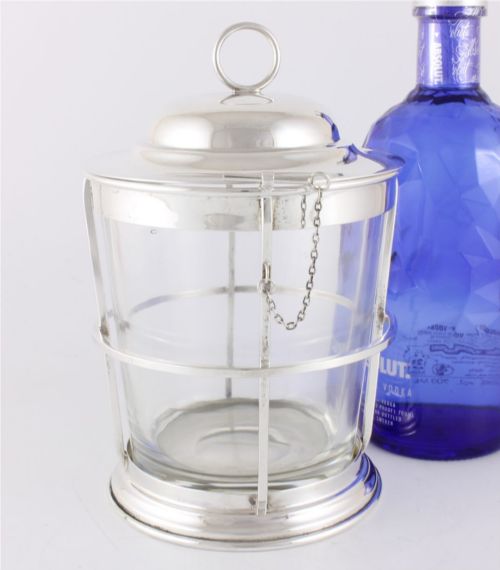
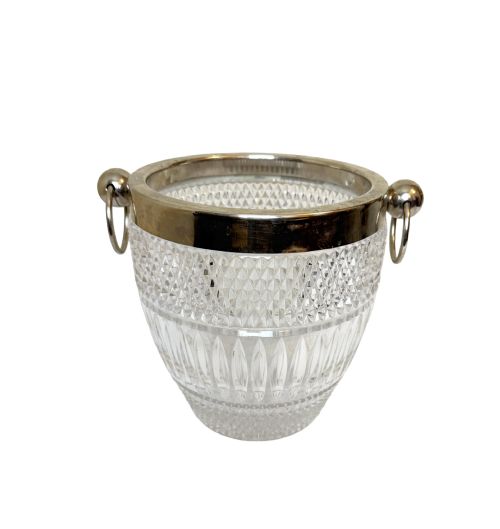
These antique bar accessories bring period character to a home bar, offering functional elegance through cocktail shakers, ice buckets and cocktail stick sets.
Antique Bar Accessories
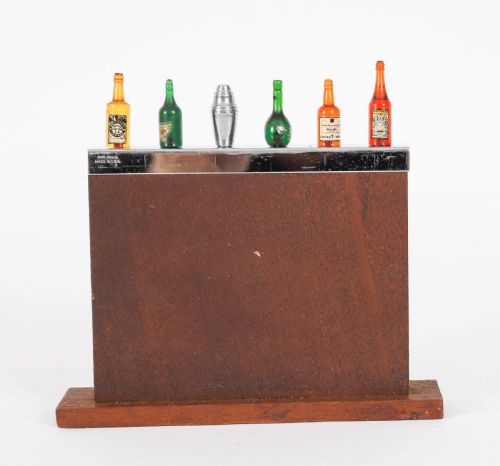
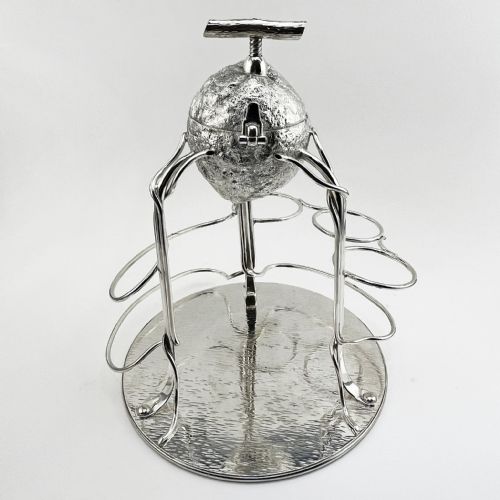
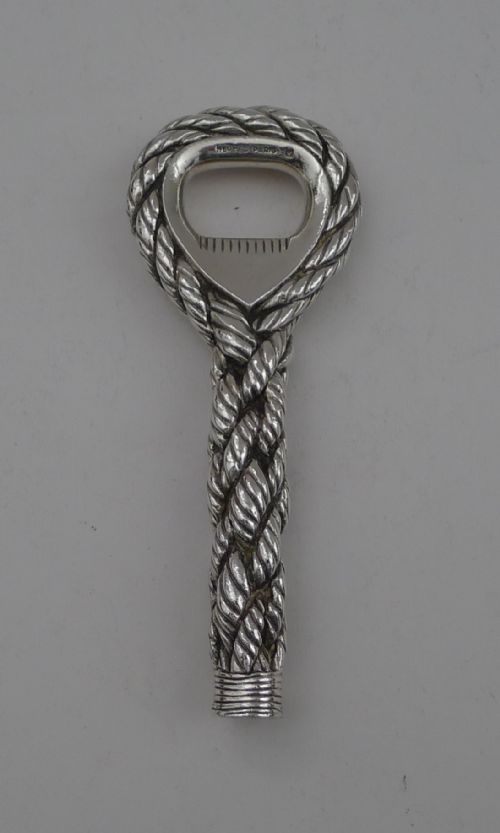
When you search for antique bar accessories, you encounter items designed for mixing drinks, serving ice and presenting appetisers from the late nineteenth century to the mid-twentieth century. The selection on this page relies heavily on the Art Deco and Edwardian eras, spanning cocktail shakers, lemon squeezers, spirit flasks and ice buckets.
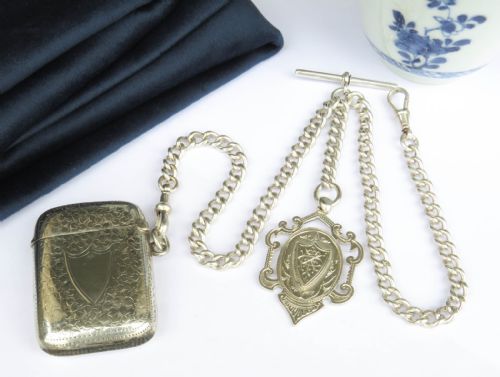
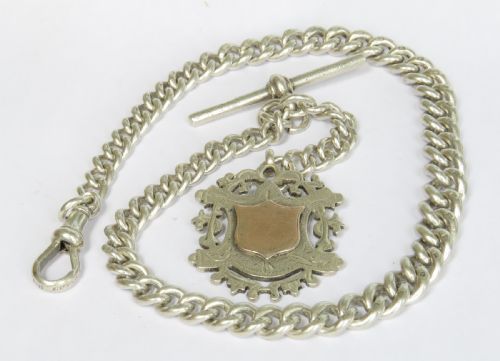
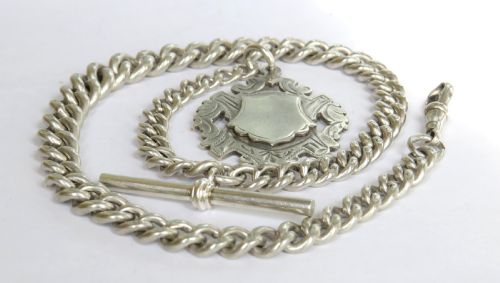
The objects originate from English, French and Italian makers, often combining silver plate, sterling silver, glass and enamel. Alongside dedicated barware, the listings include pocket watch chains and fobs from the Victorian and Edwardian periods, which share materials like silver and gold with contemporary bar accessories.
Materials and construction methods
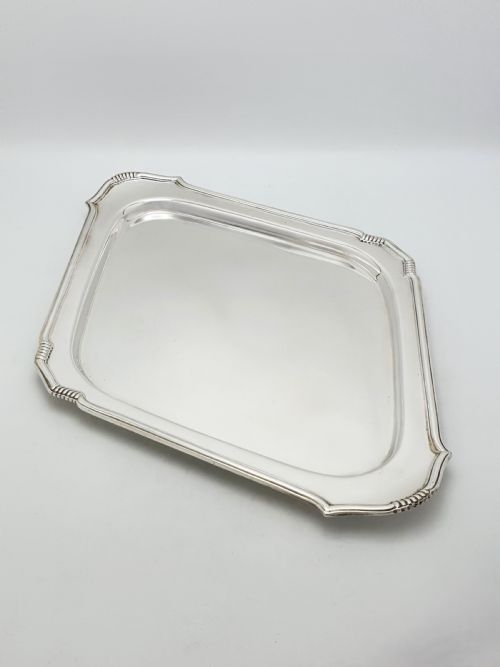
Makers utilised silver plate and sterling silver for shakers, trays and tongs, frequently combining metal with cut crystal or glass for ice buckets and decanter labels. Electroplated nickel silver provided a durable base for everyday hospitality items during the early twentieth century.
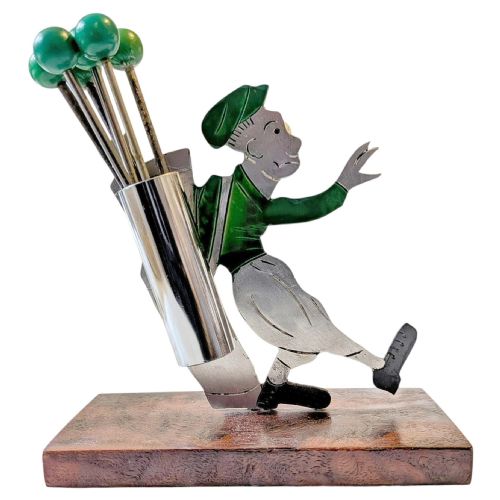
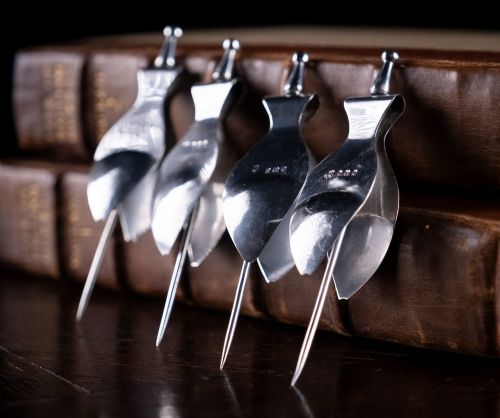
Detailing often involved coloured enamel, green Bakelite handles and hand-finished novelty figures, particularly in French cocktail stick sets. Manufacturers employed stamping, casting and turning techniques to shape metal bodies and functional components like rolling mixer recipes.
Materials recur across silver plate, sterling silver, cut crystal, enamel and green Bakelite.
Distinctions in craftsmanship
Quality reveals itself in the weight of the metal, the clarity of the cut crystal and the crispness of maker marks from established silversmiths. Pieces designed by known designers or produced by prominent firms demonstrate superior finishing and more inventive mechanisms.
Artistic execution differentiates standard production items from novelty pieces, such as finely modelled figural cocktail sticks or weighted shakers with integral squeezers. The integrity of silver plating and the secure mounting of enamel or Bakelite elements also mark the higher tier of execution.
Sudre·Richard Comyns·Hukin & Heath·Keith Murray·J. B. Chatterley & Sons·James Dixon & Sons·Asprey·William Suckling·PH Vogel
The Antique Bar Accessories Glossary
- Silver Plate
- A base metal, such as copper or nickel silver, coated with a thin layer of silver through electroplating. This technique allowed manufacturers to produce lustrous hospitality ware at a lower cost than solid silver.
- Bakelite
- An early form of synthetic plastic used extensively in the twentieth century for handles and decorative accents on barware. It offers a smooth texture and distinct colour options.
- Albert Chain
- A pocket watch chain, often double-stranded, secured across a waistcoat with a T-bar. These pieces appear alongside bar items in silver and rolled gold.
- Decanter Label
- A small tag hung by a chain around the neck of a bottle to identify its contents. Edwardian examples often feature ornate silver repoussé decoration.
- Vesta
- A small pocket case designed to hold matches safely. They were frequently manufactured in silver during the Victorian era.
Antique Bar Accessories: Frequently Asked Questions
How do I clean silver plated cocktail shakers?
Clean silver plated items gently using a soft cloth and a specialised silver polish formulated to protect the underlying metal plate. Avoid harsh abrasives that can wear away the thin silver layer over time.
Ensure the interior is washed with warm soapy water and dried thoroughly to prevent moisture damage, especially around fitted lids and internal strainers.
Were these bar accessories used in homes or public venues?
Most of these pieces served affluent households during the height of cocktail culture in the interwar years and the Edwardian era. Items like heavy ice buckets, silver shakers and novelty cocktail stick sets were staples of home entertaining.
Some larger pieces, such as spirit flasks and heavy shakers, also saw use in private clubs and hospitality settings before entering the collector market.
How can I date an Art Deco cocktail shaker?
Examine the shaker for maker marks, patent numbers or retailer stamps, which often point to specific production years in the 1920s or 1930s. Stylistic cues like geometric embossing, stepped bases and Bakelite handles also indicate the Art Deco period.
Many pieces bear hallmarks or registration numbers that allow for precise dating through official silversmith records.
Are antique cocktail sticks safe to use?
Sterling silver and enamel cocktail sticks from the 1920s and 1940s are generally robust enough for occasional modern use if washed carefully by hand. Inspect them to ensure the metal is stable and any decorative enamel remains securely fixed.
Hand-wash them immediately after use and store them dry to preserve their delicate figural details and metal surfaces.