



Antique Baluch Carpet
An antique baluch carpet brings nomadic tribal artistry into a room, offering rich wool weave and distinct regional patterns.
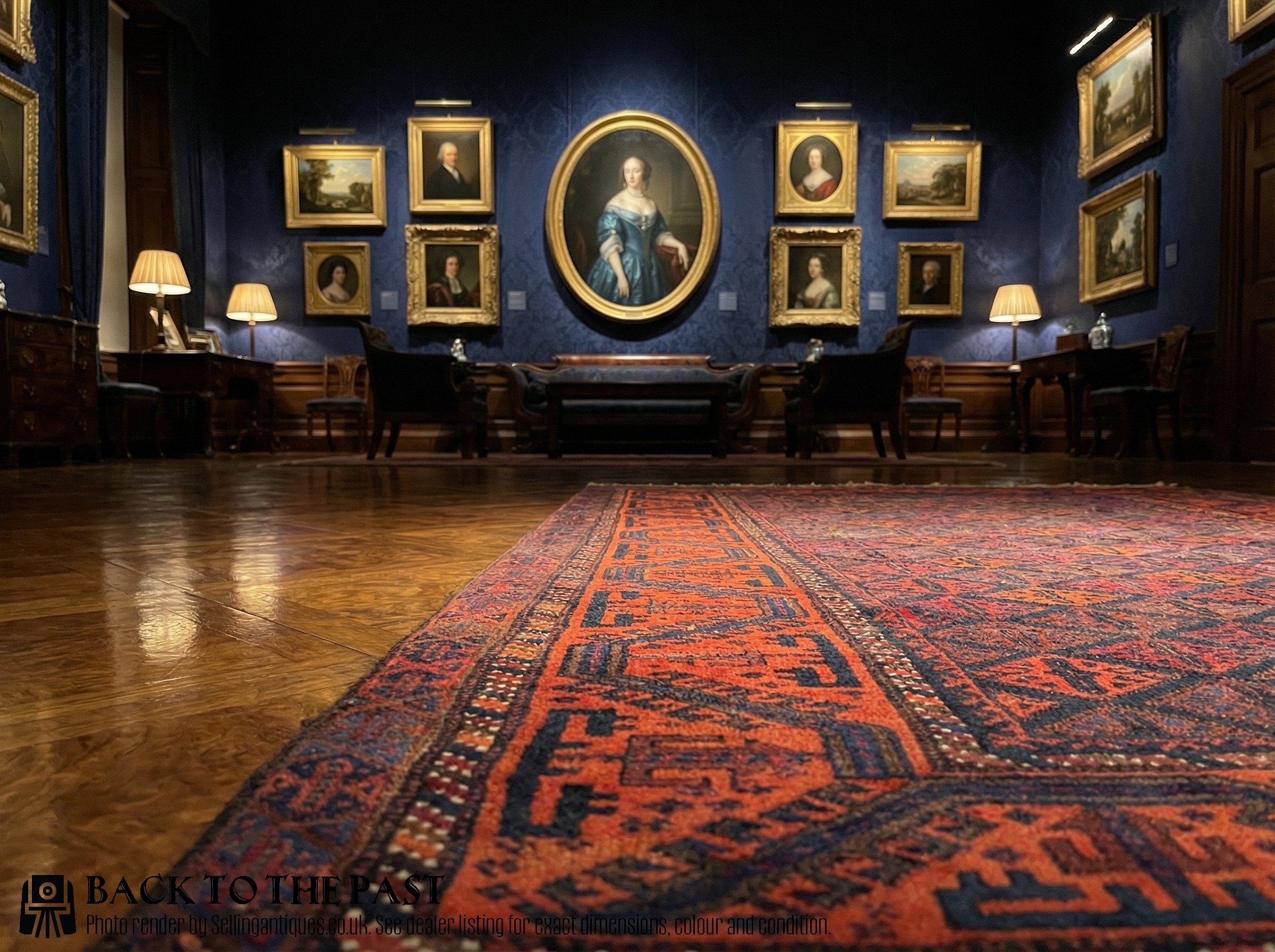
Antique Baluch Carpet
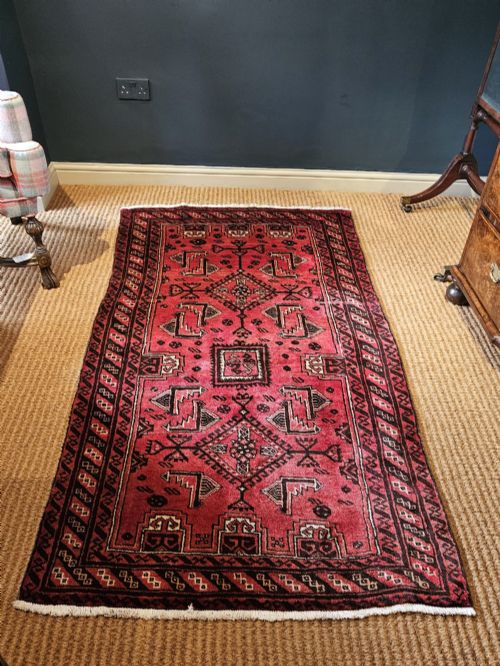
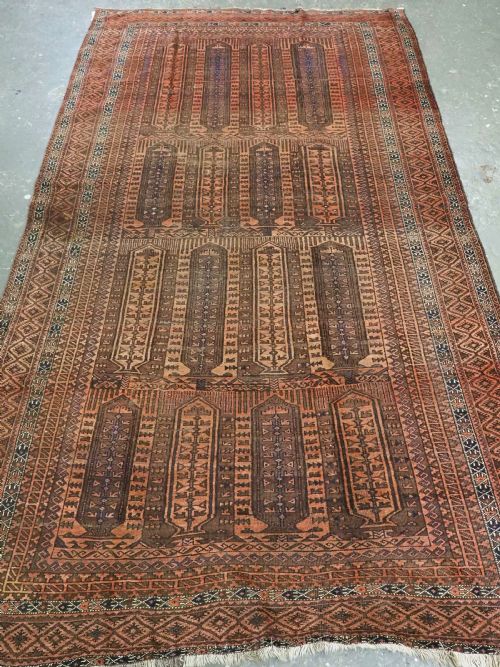
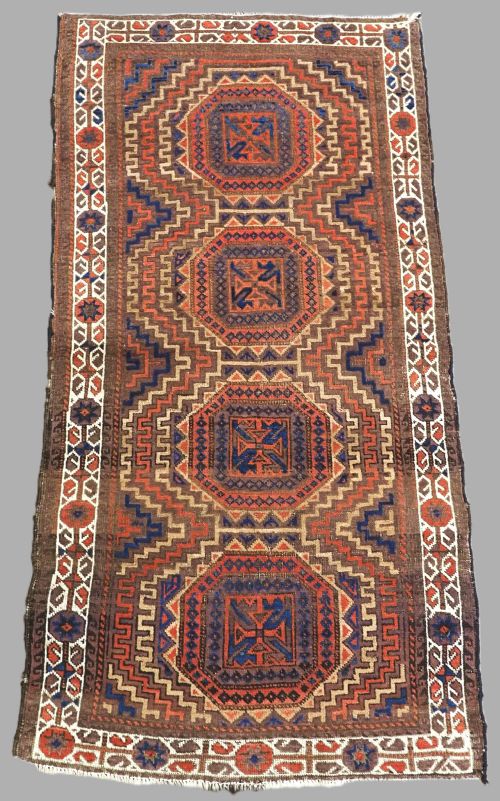
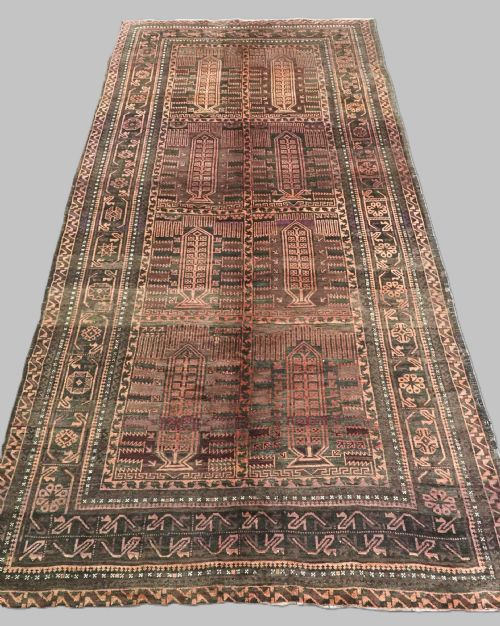
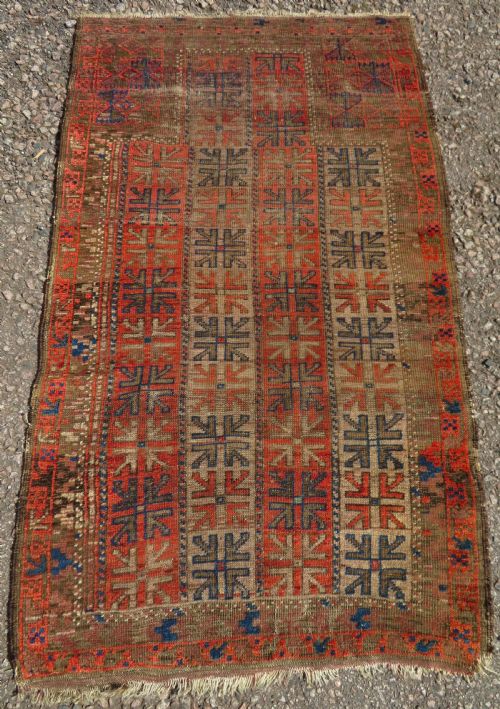
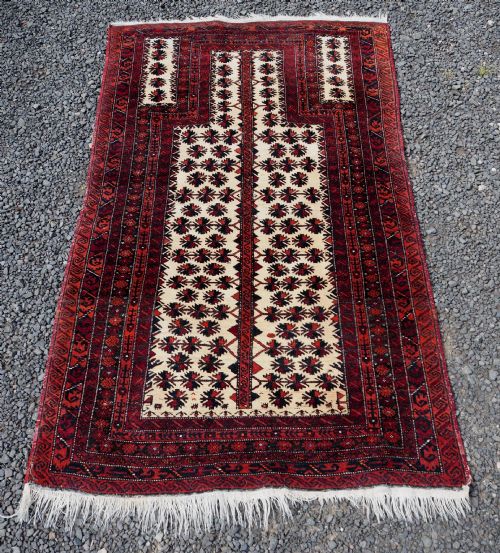
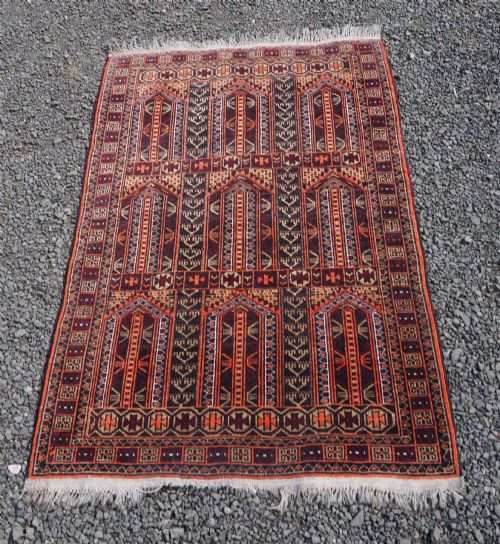
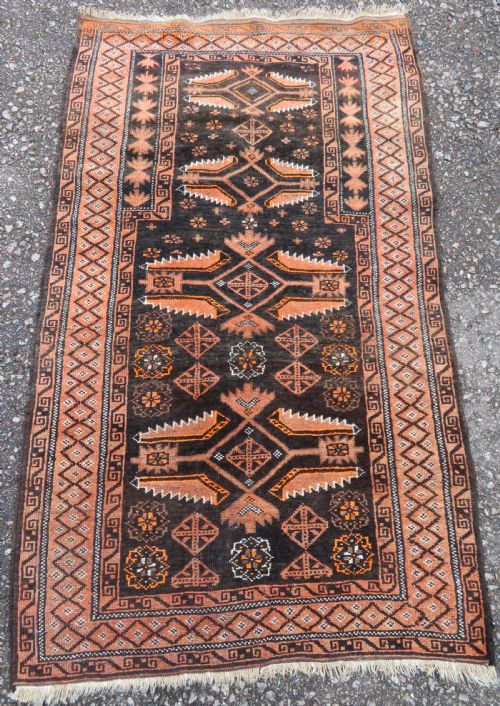
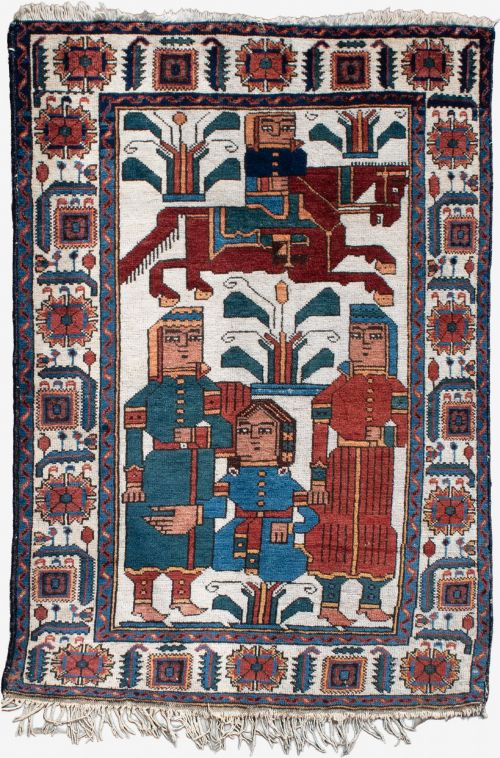
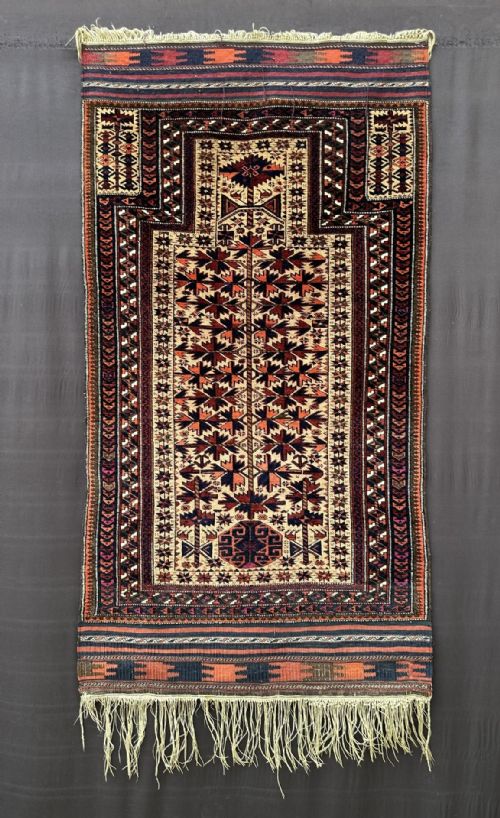
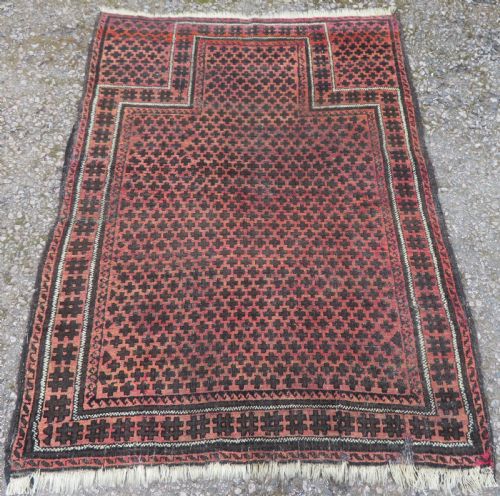
When someone searches for an antique baluch carpet, they look at tribal floor coverings originating from nomadic and village weavers across regions like Khorasan, Sistan, and Western Afghanistan. These pieces encompass smaller rugs, prayer formats with double mihrabs, and larger main carpets featuring traditional motifs.
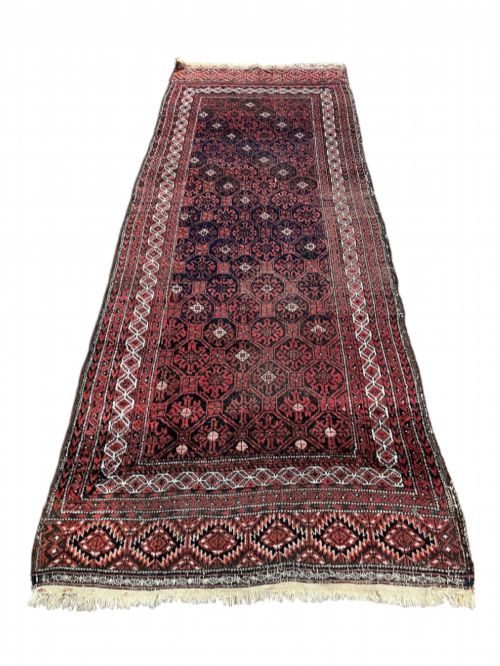
The version most commonly met on this page is the nineteenth century tribal rug or main carpet, often attributed to the Baluch or related groups such as the Timuri and Mushwani. They present geometric layouts, lattice patterns, and repeat leaf or shrub designs on varied ground colours.
These floor coverings reflect the heritage of weavers working in borderlands between Persia and Afghanistan. Collectors value them for their historical connection to nomadic life and their distinct tribal aesthetics.
Materials and construction
Every piece recorded in the evidence utilises wool, spun and knotted by hand to create durable pile surfaces suited to nomadic utility. The foundational structure relies on traditional hand-knotting techniques passed down through generations of tribal makers.
Weavers utilised natural dye sources to achieve the deep blues, browns, and rich tones seen across the inventory. Long kilim ends sometimes finish the structural ends of the carpets, completing the traditional textile construction.
Antique Baluch Carpet Retail Price Guide 2026
Typical asking prices for baluch carpet among the pieces listed under this phrase on Sellingantiques today, from the lower quarter to the upper quarter. They describe what is for sale here now, not the wider market.
Listings span periods from 1860 to the early twentieth century, constructed entirely in wool with regional designs from Khorasan, Sistan, and Western Afghanistan.
Distinctions in quality
Quality in these textiles rests upon the fineness of the knotting and the handling of the wool. Finer lattice designs and crisp geometric drawing separate more accomplished weaving from standard utilitarian work.
The depth and preservation of colour drive distinction across the range. Examples retaining vibrant hues alongside characteristic corroded browns demonstrate superior dye usage and material longevity.
The Antique Baluch Carpet Glossary
- Mihrab
- A niche design symbolising a prayer doorway, frequently found in smaller format prayer rugs. This architectural motif guides the directional layout of the textile.
- Main Carpet
- A large floor covering intended for principal tent or domestic use, distinct from smaller scatter rugs or corridor carpets. These larger formats display expansive tribal field patterns.
- Timuri
- A related tribal group originating in Western Afghanistan whose weaving traditions closely parallel and overlap with Baluch production. Their work often shares similar palette choices and structural characteristics.
- Kilim end
- Flatwoven plain-weave extensions at the top and bottom of a rug, executed prior to the knotted pile section. These functional extremities protect the carpet from fraying.
- Lattice design
- A repeating grid network spanning the field of the rug, enclosing geometric motifs or floral elements. This structured layout creates visual rhythm across the textile.
Antique Baluch Carpet: Frequently Asked Questions
Where were these carpets made?
The pieces originate primarily from regions spanning Western Afghanistan, North-East Persia, and the Khorasan and Sistan provinces. Nomadic and village groups produced them across these borderlands.
Weavers utilised local materials specific to their geography, embedding distinct regional aesthetic traditions into each carpet.
How do I identify a prayer rug?
Prayer formats typically feature a mihrab or double mihrab niche design that directs the eye toward a specific point. They were utilised for personal devotion.
Their smaller dimensions distinguish them from main carpets or long corridor runners designed for shared living spaces.
What is a corridor carpet?
A corridor carpet is an elongated format woven to fit narrow interior spaces or tent entryways. They provide durable floor coverage while displaying continuous repeating patterns.
These pieces require specific spatial placement in modern interiors to showcase their length and design rhythm properly.
How do I care for antique wool rugs?
Gentle vacuuming without a rotating brush roll helps remove embedded dust while protecting the hand-knotted wool pile. Keeping them out of direct sunlight prevents premature fading of natural dyes.
Professional textile conservators should handle any deep cleaning or structural repairs needed over time.