

Antique Austrian Bronze
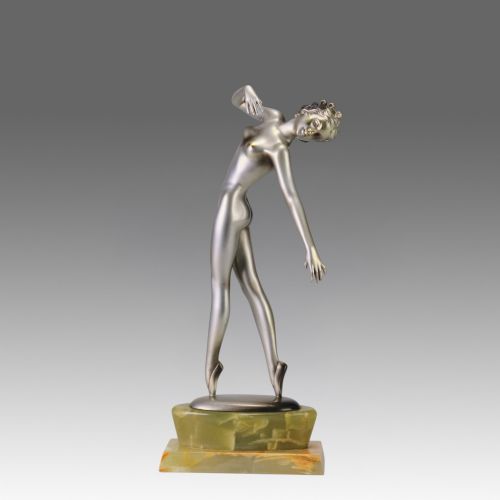
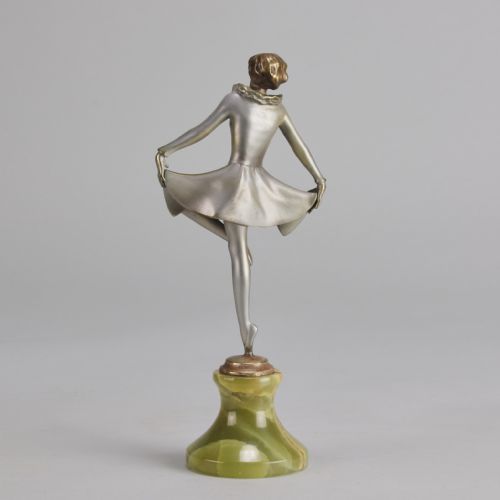
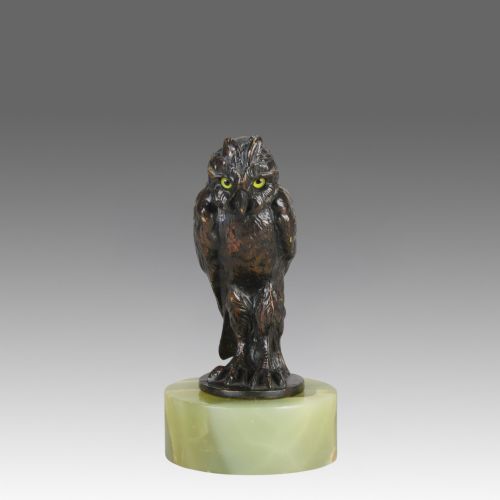
When searching for antique austrian bronze, collectors encounter exquisite small animal figures, human subjects and desk items shaped by notable Viennese foundries.
Antique Austrian Bronze
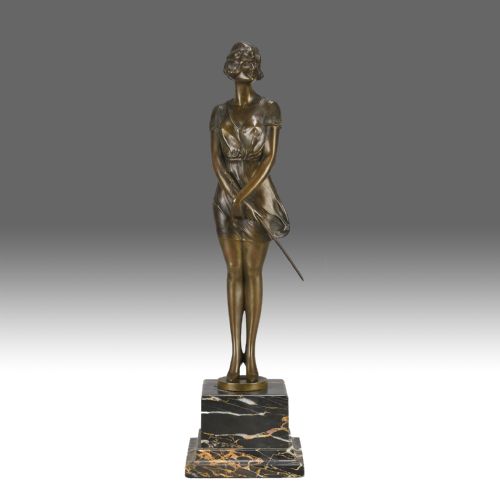
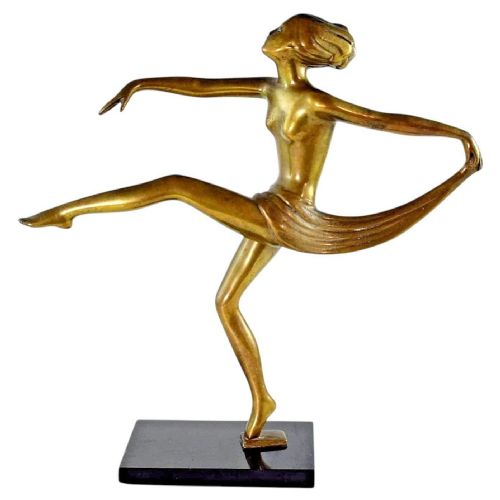
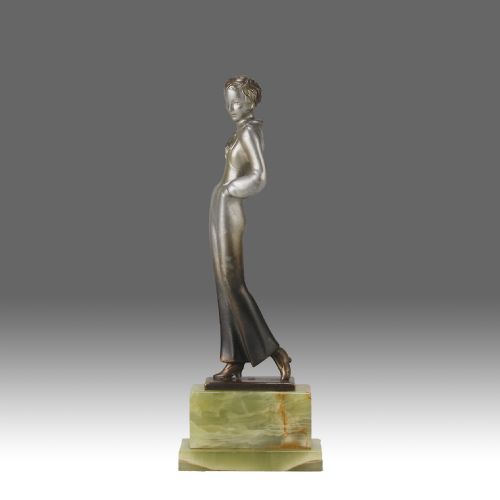
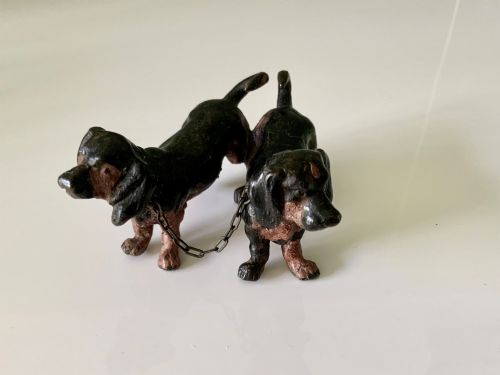
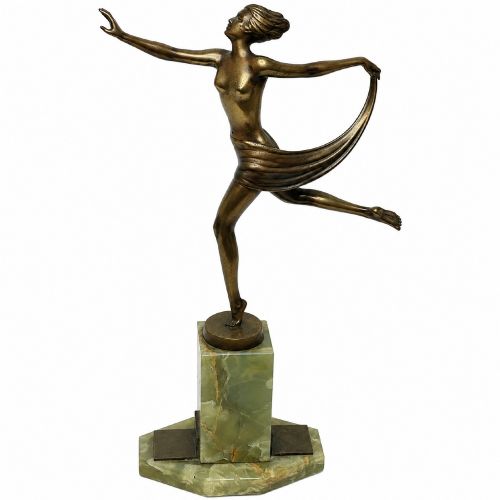
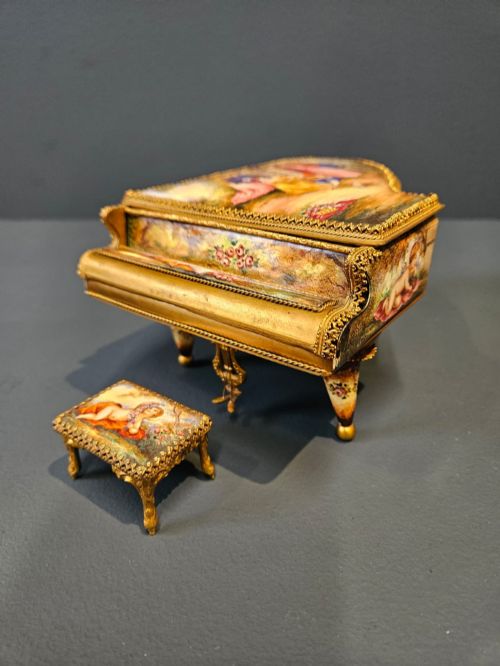
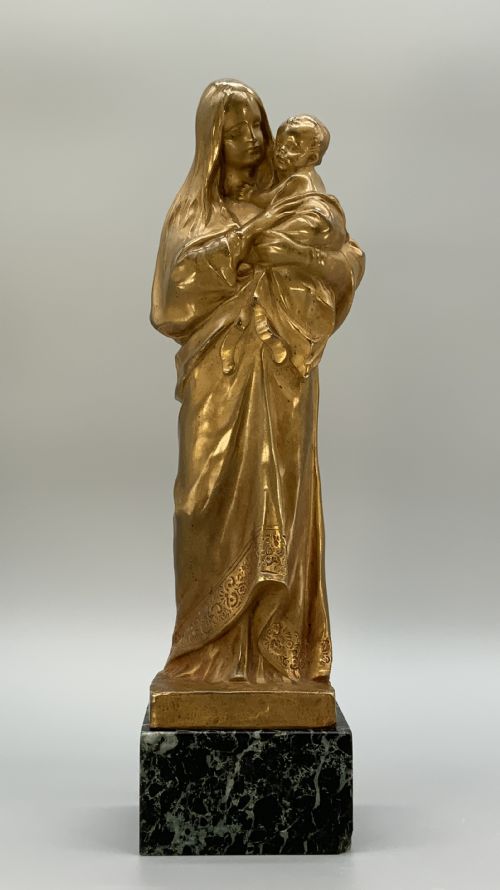
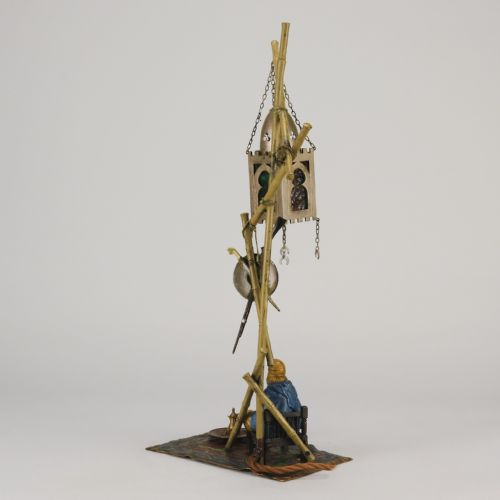
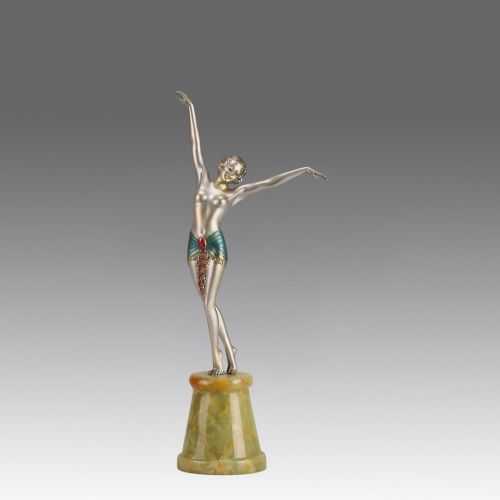
When browsing antique austrian bronze, collectors primarily encounter small sculptural figures, desk accessories, and animal studies originating from workshops active during the late nineteenth and early twentieth centuries. These pieces encompass realistic wildlife, human figures in orientalist or dancer attire, and functional items such as inkwells and match strikes.
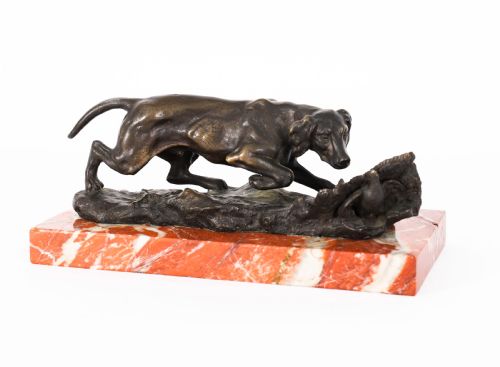
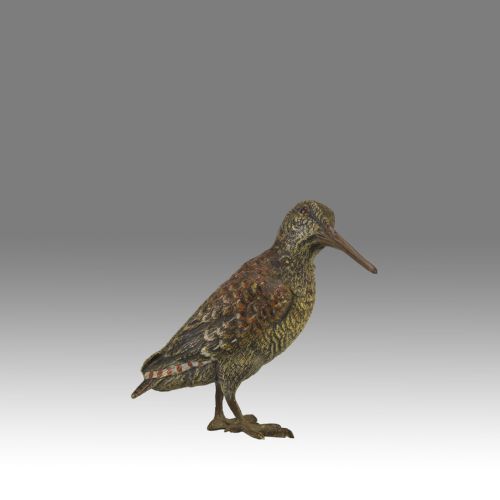
The objects span several distinct stylistic movements, including Art Nouveau, Art Deco, and Animalier realism. The most frequently met examples on this page are cold-painted bronze figurines depicting birds, dogs, and human figures, reflecting the diverse output of Viennese foundries.
How They Were Made
Foundries utilised lost-wax casting methods to shape bronze into intricate forms, capturing fine details in fur, feather, and drapery before finishing the surfaces.
Cold-painting applied several layers of polychrome paint to the unheated bronze surface, creating the vibrant coloration characteristic of Vienna bronzes.
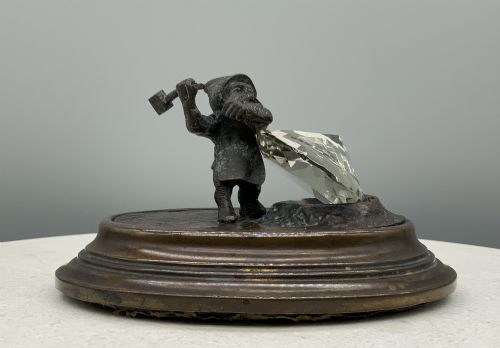
Several foundries produced whimsical animal figures engaged in human activities, including a dwarf miner and reading boys.
What Varies In Quality
The crispness of the initial cast dictates definition in smaller elements, separating master foundry output from secondary commercial production.
The preservation and complexity of the polychrome cold-paint surface determine the desirability of an example, as original pigment retention varies significantly across surviving pieces.
Carl Kauba·Rudolf Küchler·Bruno Zach·Franz Bergman·Josef Lorenzl·Hans Müller·Franz Gruber·Ernst Wahliss·Friedrich Goldscheider·Ernst Beck
The Antique Austrian Bronze Glossary
- Cold-painted
- A technique where oil paint is applied to a cold bronze casting without subsequent firing. This method produced the characteristic colourful surfaces seen on many Viennese figures.
- Vienna Bronze
- A term describing small-scale bronze sculptures produced by specialised Austrian foundries, particularly during the late nineteenth and early twentieth centuries. These pieces often depicted animals, human figures, and orientalist scenes.
- Animalier
- A nineteenth-century artistic movement focused on the realistic depiction of animals in sculpture. Artists captured beasts in motion or repose with careful anatomical observation.
- Orientalism
- An artistic style drawing inspiration from the cultures of the Near East and North Africa. In bronze sculpture, this manifested in figures of dancers, warriors, and daily life scenes.
- Spelter
- An alloy of zinc and copper used as a cheaper alternative to bronze during the art deco period. Figures cast in this material were often bronzed or painted to mimic heavier metal.
Antique Austrian Bronze: Frequently Asked Questions
What is cold-painted bronze?
Cold-painted bronze refers to metal sculptures finished with multiple layers of oil paint applied directly to the unheated metal surface. This technique allowed foundries to achieve high levels of realistic or decorative colour without kiln firing.
Over time, handling and exposure can cause this paint layer to chip or fade. Surviving pieces with intact original pigment are particularly valued by collectors.
How do I identify a Vienna bronze?
Vienna bronzes typically present as small, finely detailed figures of animals, humans, or functional objects like inkwells. They often bear foundry marks, artist signatures, or registration numbers stamped into the base.
The presence of polychrome cold-painting over a cast bronze core serves as a strong indicator of origin from these specific Austrian workshops.
What subjects are most common?
Animal studies represent a significant portion of production, ranging from native European wildlife to exotic birds, dogs, and farm animals. Human figures also appear frequently, including dancers, miners, and orientalist subjects.
Functional desk accessories such as match strikes, vesta cases, and lidded urns combine sculptural decoration with practical utility.
How should I clean these bronzes?
Cold-painted bronzes require careful maintenance to protect the delicate paint layers from moisture and abrasive materials. Dusting gently with a soft, dry brush preserves the surface finish without causing damage.
Harsh chemical solvents and metal polishes must be avoided entirely, as they will strip away the original cold-painted pigments.