
Antique Asian Rug
Discover an antique asian rug, woven by tribal and nomadic hands to bring rich geometric patterns and deep history into your interior.
Antique Asian Rug
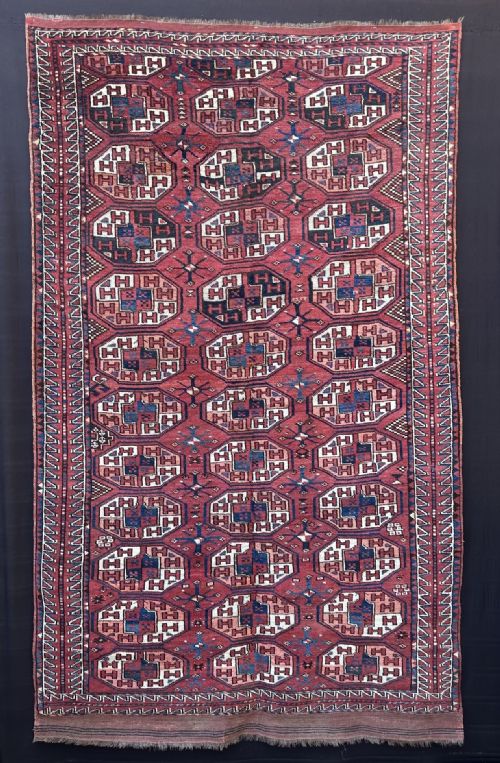
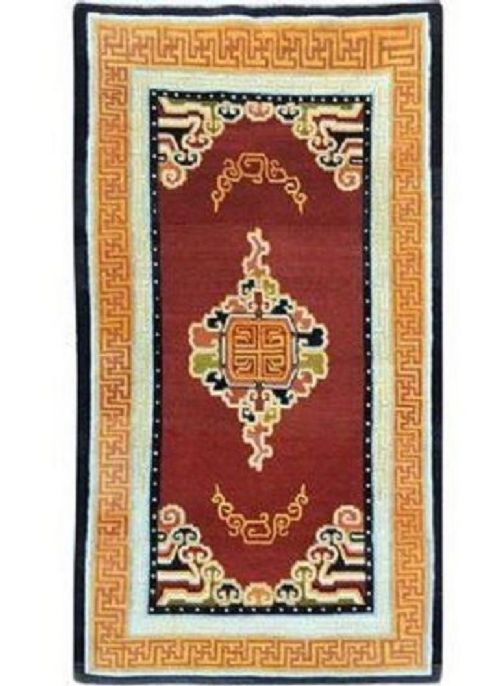
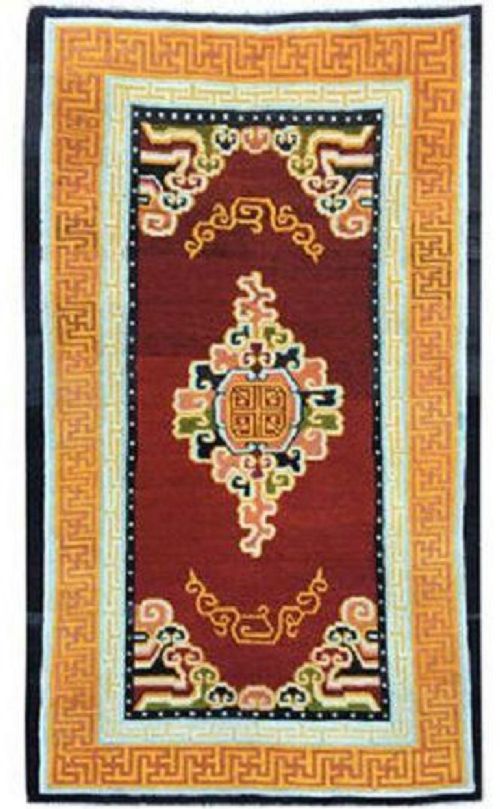
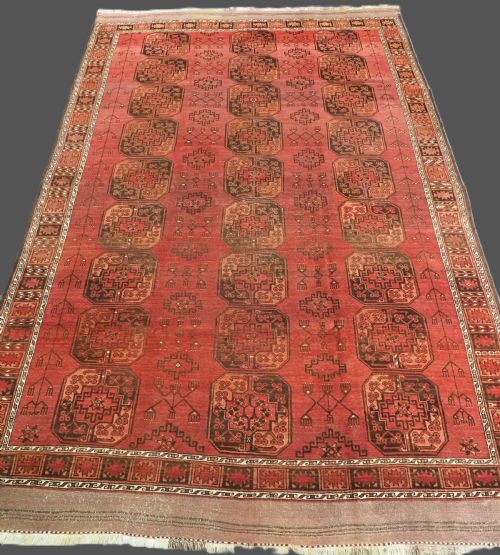
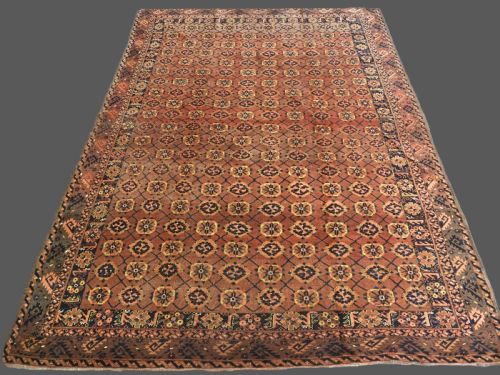
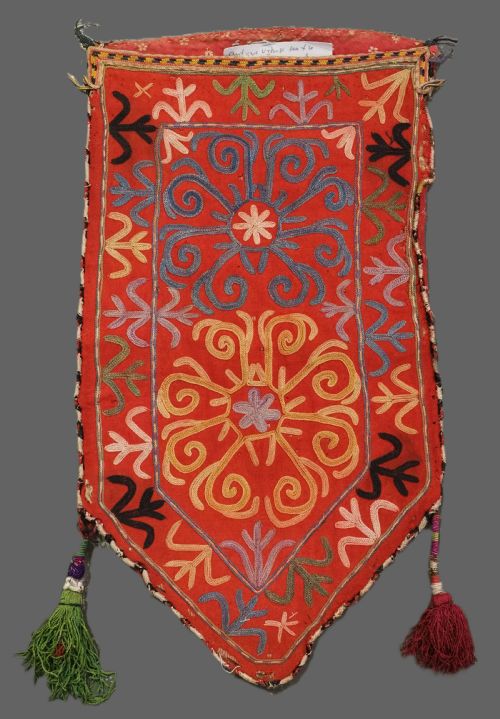
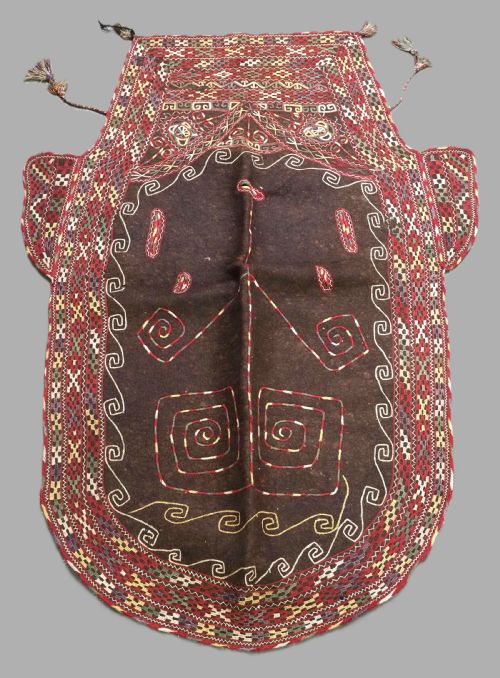
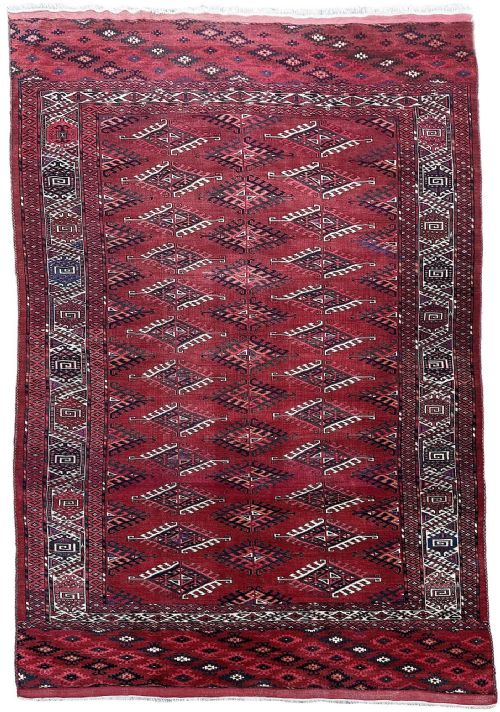
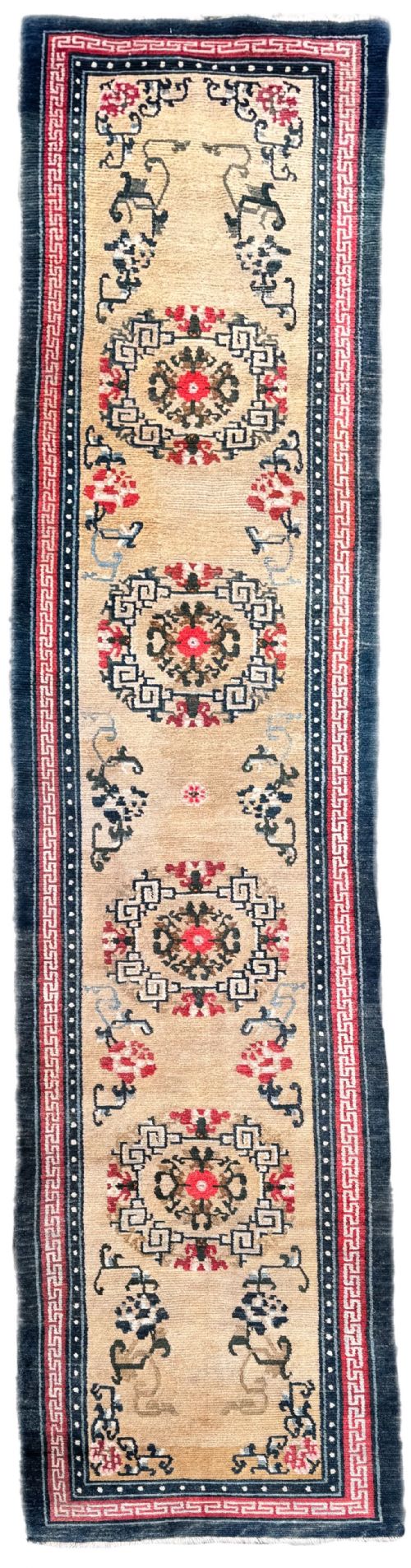
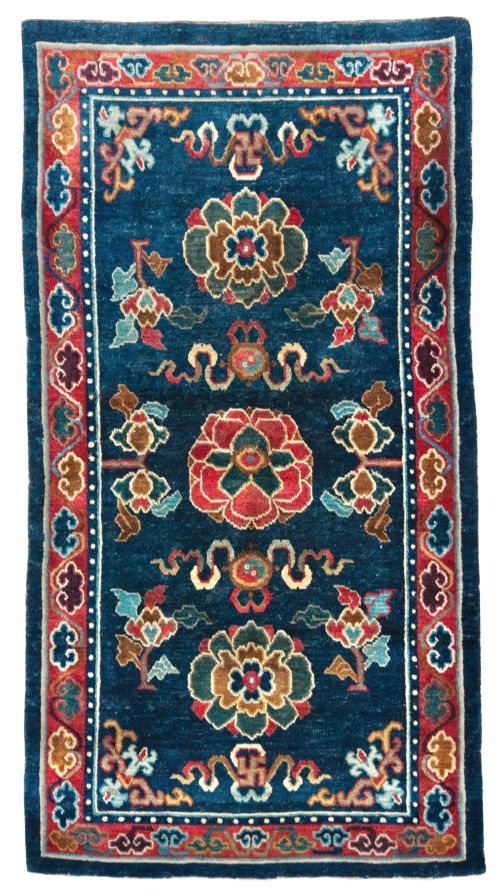
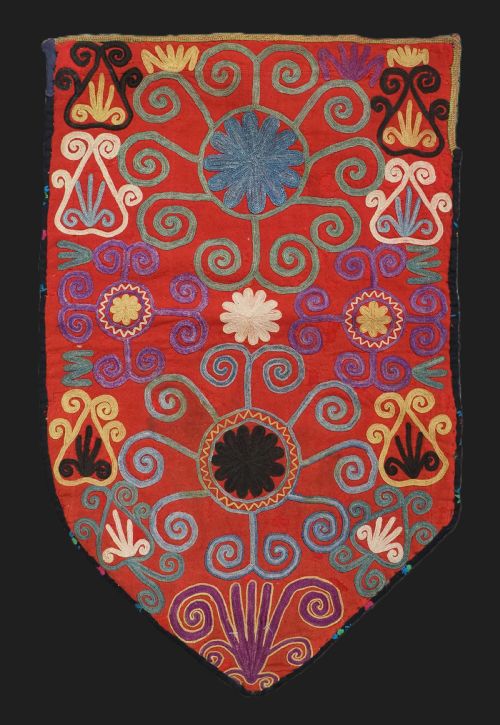
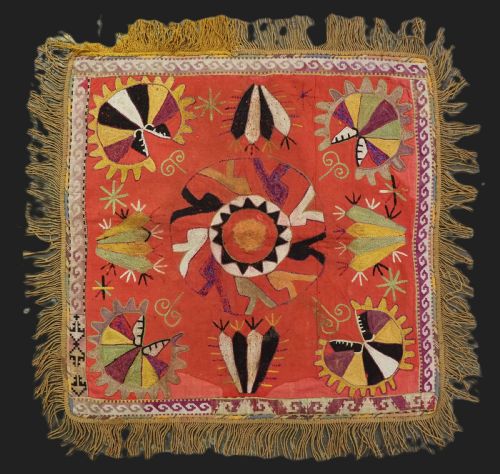
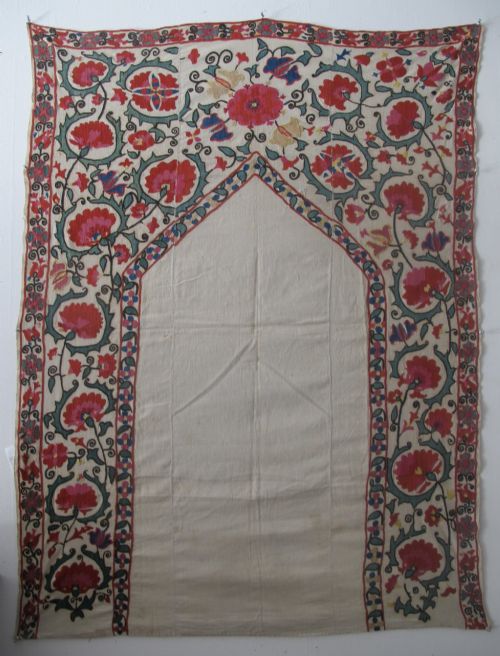
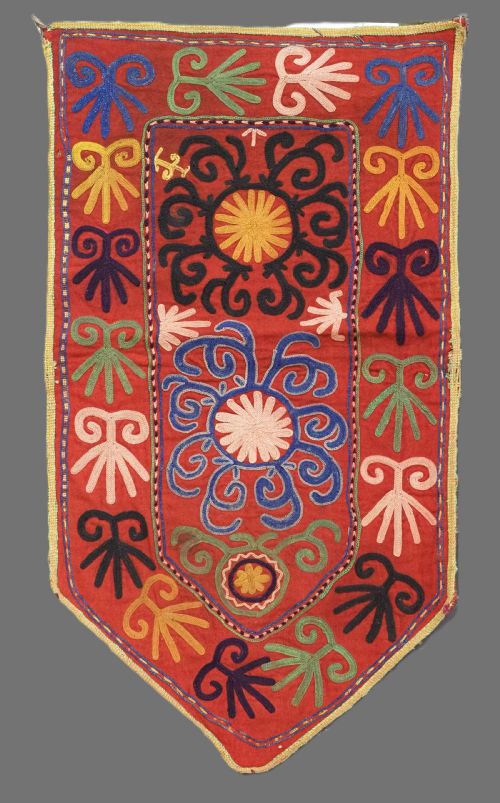
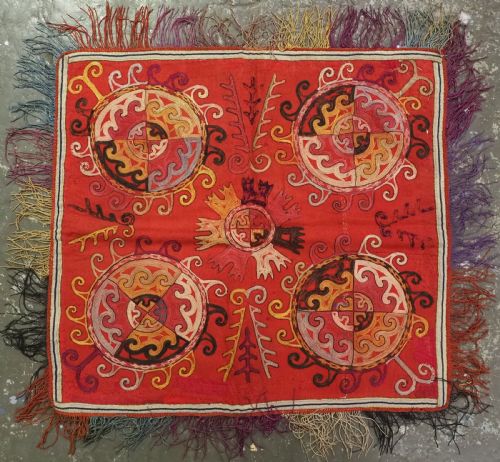
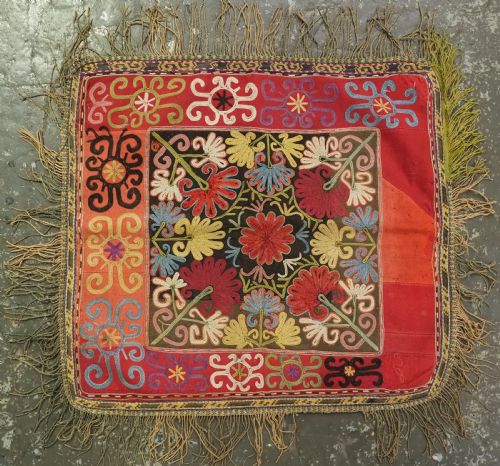
An antique asian rug encompasses tribal floor coverings, nomadic tent door rugs, saddle covers, and embroidered wall hangings originating from Central Asia and Turkmenistan. These pieces span the nineteenth and early twentieth centuries, reflecting the distinct cultural traditions of groups such as the Yomut, Ersari, Teke, and Lakai tribes.
Buyers encounter various functional forms including main carpets, runners, wedding rugs, and ceremonial horse blankets alongside smaller dowry embroideries. The weaving and textile traditions represent centuries of regional heritage passed down through generations of makers on the steppes.
Pieces from this category bring authentic nomadic design into modern spaces, offering dense wool piles, flat weaves, and intricate needlework. Each textile serves as a tangible link to the pastoral lifestyles and artistic expressions of historic Central Asian communities.
How They Were Made
Makers utilised natural dyes derived from local plants and minerals to colour hand-spun wool, cotton, and silk threads. These organic colorants created rich, saturated hues that develop a soft patina over decades of use.
Weavers knotted wool onto cotton or wool foundations using traditional upright looms, while nomadic embroideries employed fine silk threads on felted wool or cotton backings. The structural integrity of each piece relied on sturdy selvedges and tightly packed warps and wefts.
Object forms span large carpets, runners, tent door rugs, saddle covers, and embroidered dowry hangings from Central Asia.
What Varies in Quality
The density and precision of the knotting or embroidery dictate the fineness of the finished textile, reflecting the maker's skill and the time invested in production. Superior examples maintain crisp geometric layouts and balanced proportions across the entire field.
The stability of the foundation and the purity of the natural dyes influence longevity and visual depth. Pieces that retain their original tassels, binding, and vibrant unblemished colours represent the upper tier of survivals from these weaving traditions.
The Antique Asian Rug Glossary
- Gul
- A repeating octagonal medallion motif frequently found in Turkmen tribal carpets. This design element acts as a clan identifier and a decorative anchor across the field.
- Suzani
- A type of embroidered tribal wall hanging or textile from Uzbekistan, traditionally worked in silk on a cotton or linen ground. These pieces often feature large floral and architectural patterns.
- Asmalyk
- A ceremonial camel or horse trapping produced by Yomut tribes for wedding processions. These pentagonal hangings were displayed on the flanks of bridal animals.
- Jollar
- A long, broad storage bag face made by tribal weavers to hold household goods inside a yurt. They display characteristic guls and banded border designs.
- Kelim
- A flat-woven carpet or rug produced without a pile by tightly interweaving warp and weft threads. This technique creates a lightweight, reversible textile with sharp geometric patterns.
Antique Asian Rug: Frequently Asked Questions
How do I clean an antique rug?
Gentle surface dust removal through light shaking or professional specialist cleaning preserves the delicate wool and natural dye fibres. Avoid harsh chemical treatments and excessive water exposure.
Regular rotation prevents uneven wear patterns and sun fading in high-traffic domestic environments.
Where were these textiles made?
The pieces originate across Central Asia, including regions within modern Turkmenistan, Uzbekistan, and surrounding nomadic steppes. Local tribal groups produced them for domestic utility, dowries, and ceremonial occasions.
Each regional group maintained distinct weaving techniques and palette preferences unique to their community.
Can I use these rugs on the floor?
Many sturdy wool carpets and runners function well as floor coverings when paired with a breathable, non-slip underlay. This support reduces friction against hard surfaces and prevents sliding.
Delicate silk embroideries and ceremonial horse covers are better suited for wall display to protect them from foot traffic.