

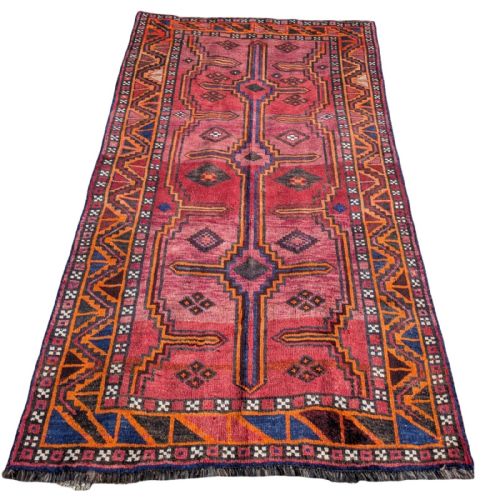

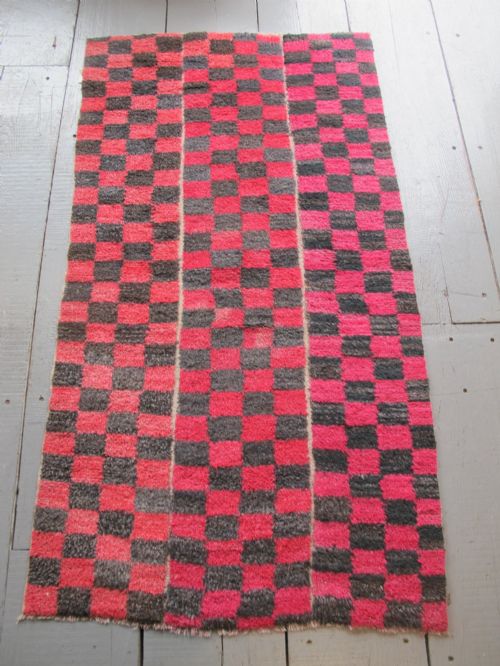


Pink Wool Runner
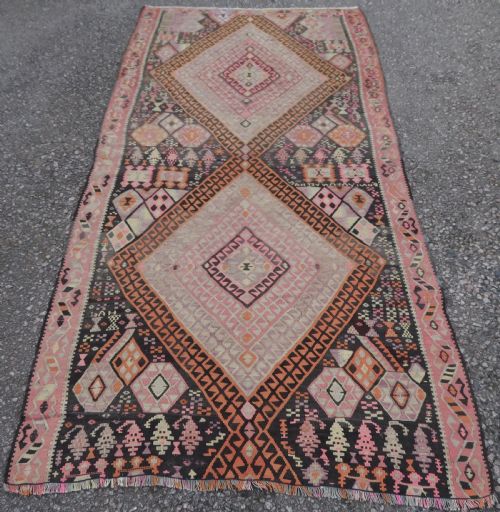
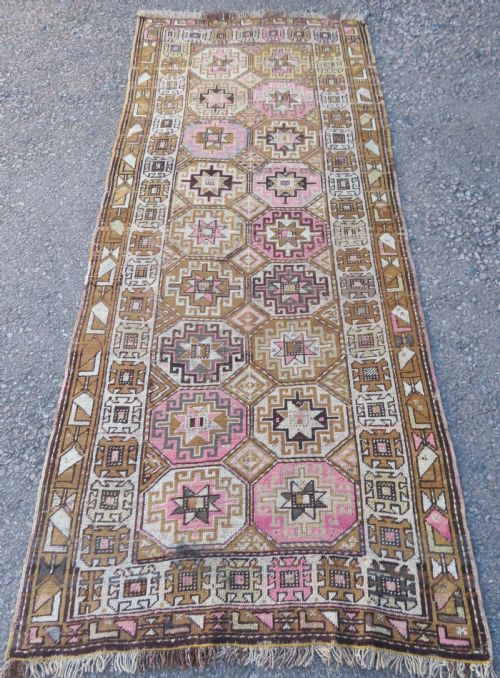
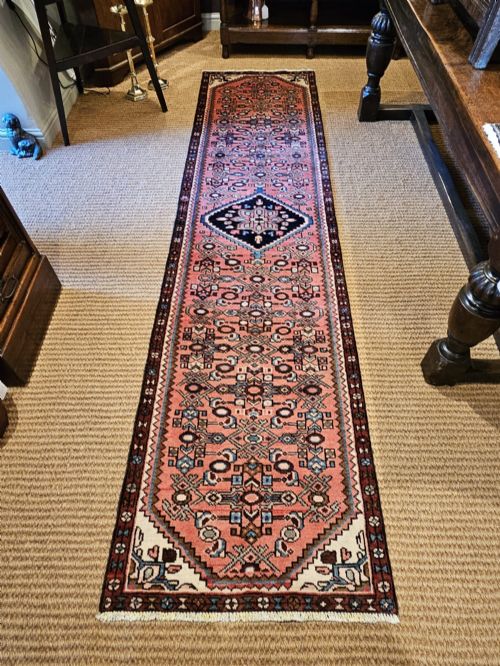
A pink wool runner brings warmth and distinct linear colour to a hallway, formed from the traditional woven rugs recorded in these periods.
Pink Wool Runner
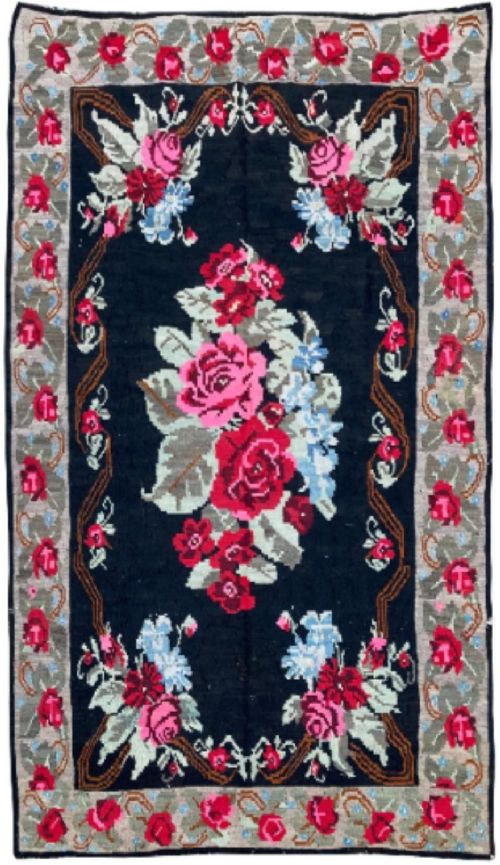
A pink wool runner provides a narrow format designed for corridors and passages, drawn from the range of antique and vintage rugs and carpets available. These pieces span production dates from the nineteenth century through the early decades of the twentieth century, including examples originating from Persian, Caucasian, Ottoman, and tribal workshops.
The materials and styles reflect traditional weaving practices across varied regions, connecting nineteenth-century pieces to later twentieth-century village and nomadic work. Buyers searching for a pink wool runner encounter formats ranging from short corridor rugs to extended hallway lengths.
Materials and construction
Construction relies primarily on natural wool, often combined with cotton foundations in specific regional styles. Hand-woven techniques produce dense piled surfaces or flatweave structures, utilising durable fibres designed to withstand heavy foot traffic in domestic settings.
Dyers employed traditional methods to colour the wool, producing the characteristic pink tones alongside contrasting hues found in Persian, Caucasian, and Anatolian traditions.
Tibetan meditation rugs occasionally sneak into the runner category, proving that even monks appreciated a soft spot for their knees.
Factors of quality
Quality rests upon the fineness of the knotting or weave density and the stability of the foundation materials. Tighter construction supports greater longevity, ensuring the wool pile maintains its structural integrity over decades of use.
Visual appeal depends on the balance of the design, the preservation of the original borders, and the harmonious fading of natural dyes over time.
The Pink Wool Runner Glossary
- Runner
- A long, narrow carpet format specifically proportioned for corridors, hallways, and stairs. These pieces balance length with restricted width to fit passage spaces.
- Kilim
- A flatweave textile produced without a piled surface, utilising interlocking weft techniques. This method creates geometric patterns with smooth textures.
- Medallion
- A central ornamental motif placed in the field of a rug, often featuring intricate geometric or floral detailing. It serves as the primary focal point of the design.
- Pile
- The upright yarn loops or cut ends that form the soft surface of a carpet. Density of pile influences durability and tactile depth.
Pink Wool Runner: Frequently Asked Questions
Where should I place a long runner?
These narrow pieces suit hallways, corridors, and bedside spaces where linear formats function best.
Their elongated proportions protect high-traffic wooden floors while adding pattern and softness to narrow architectural layouts.
How do I clean an antique wool rug?
Gentle surface brushing and professional specialist cleaning preserve the natural wool fibres and dyes.
Avoid harsh chemical treatments and excessive water immersion to protect the structural integrity of the weave.
What is the difference between a rug and a carpet?
Carpets traditionally refer to larger floor coverings, whereas rugs cover smaller, distinct floor areas.
Runners represent a specific subset defined by their long, narrow rectangular proportions.
How can I tell the age of a woven runner?
Examination of the weave structure, dye characteristics, and wear patterns indicates the likely period of production.
Stylistic motifs and regional knotting techniques further help attribute pieces to specific nineteenth or twentieth-century traditions.