



Antique Asian Painted Panel
These antique asian painted panel pieces bring together centuries of skilled hand-painting, rich lacquer, and delicate textiles.
Antique Asian Painted Panel
When you search for antique asian painted panel, you encounter a varied selection of wall art, folding screens, and decorative panels spanning the nineteenth and twentieth centuries. The pieces range from large four-fold room dividers to framed silk paintings and carved architectural elements like cart doors.
Chinese and Japanese works dominate the selection, featuring traditional regional artistry alongside export pieces made for Western interiors. Lacquered wood structures and delicate silk paintings mounted in frames represent the most frequent forms found on this page.
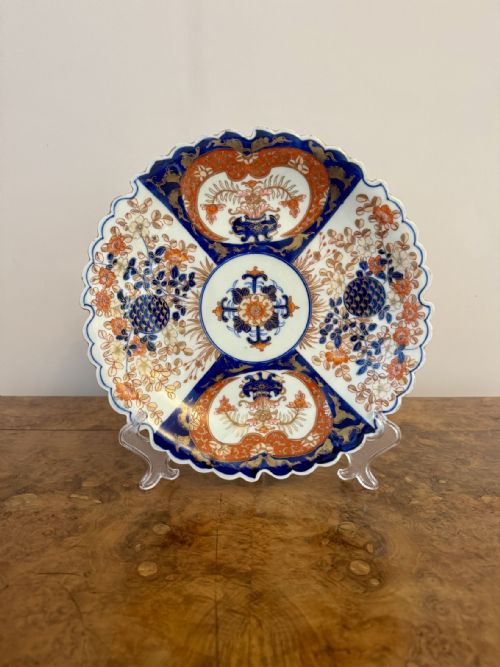
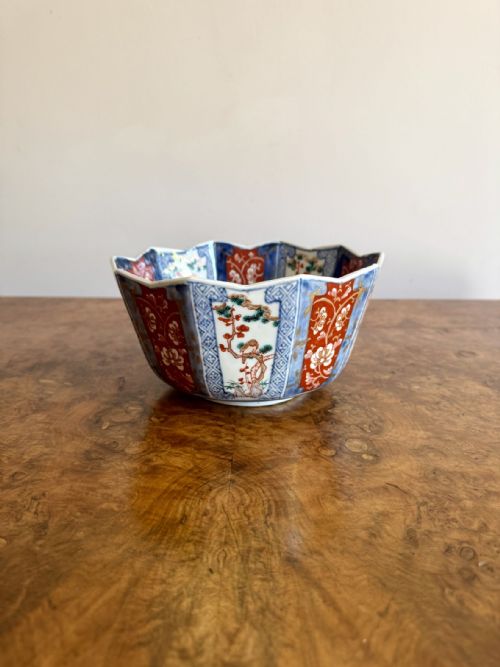
The selection also includes porcelain plates, bowls, and vases that incorporate painted motifs, as well as distinct textile works such as embroidered silk panels depicting natural scenes. Each item serves primarily as a decorative focal point, retaining traditional craftsmanship from its respective period.
How they were made
Wood serves as the foundational material for folding screens, trunks, and architectural panels, frequently finished with multiple layers of black or coloured lacquer. Artisans applied pigments directly onto wood surfaces, silk, or paper to create detailed landscapes and figurative scenes.
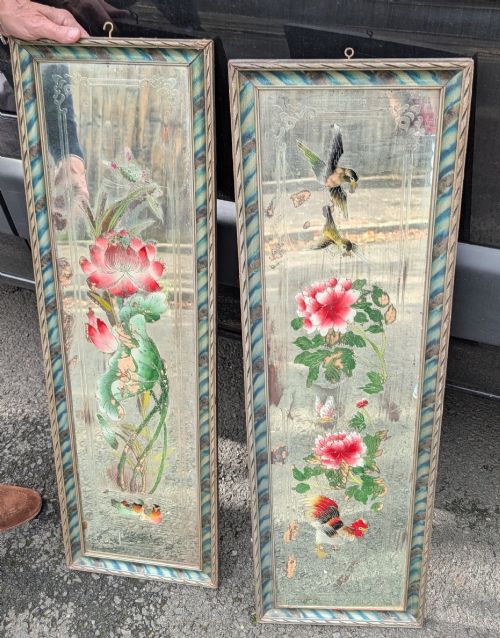
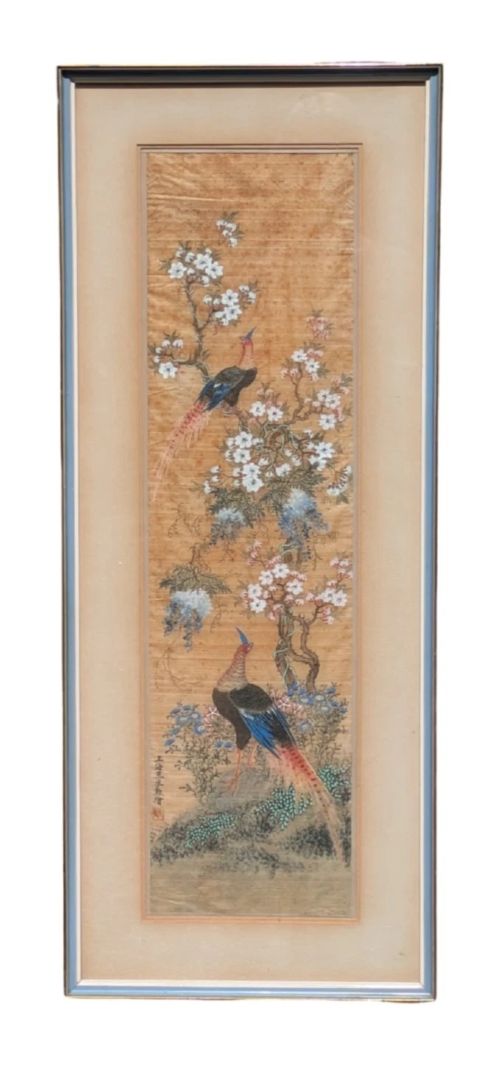
Specialised techniques include reverse painting on glass and intricate hardstone mounting applied to lacquer surfaces. Silk paintings incorporate fine watercolour and gouache pigments, often mounted within original wooden frames or preserved behind glass panels.
The selection includes Japanese Imari ceramics, Chinese silk paintings, and multi-panel lacquered room dividers.
What varies in quality
The degree of fineness in brushwork and pigment preservation largely determines the visual impact of each painted panel. Pieces that retain their original frames, intact lacquer, and crisp signed details stand apart from heavily restored or worn examples.
Subtlety in composition and the complexity of multi-panel folding screens reflect the skill of the original workshop. Superior items demonstrate careful joinery in wooden structures alongside harmonious integration of painted and applied decorative elements.
The Antique Asian Painted Panel Glossary
- Lacquer
- A durable resin finish applied in multiple coats to wood and polished to a smooth sheen. It provides both protection and a deep glossy surface for painted decorations.
- Imari
- A style of Japanese porcelain characterised by underglaze blue and overglaze red, gold, and green colours. These decorative plates and bowls often feature intricate floral and geometric patterns.
- Shan Shui
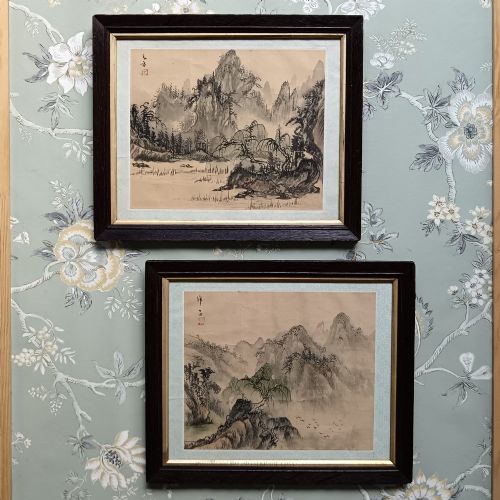
- Traditional Chinese landscape painting style depicting scenery such as mountains, rivers, and waterfalls using brush and ink on silk or paper.
- Chinoiserie
- European artistic style reflecting Chinese motifs and techniques, popular in decorative arts and screens. It reinterprets Asian aesthetics through a Western design lens.
- Gouache
- An opaque water-based paint consisting of pigment and binder, used to achieve solid, matte colour fields on silk or paper supports.
Antique Asian Painted Panel: Frequently Asked Questions
How do I clean an antique painted panel?
Dust surfaces gently using a soft, dry brush or a clean microfiber cloth. Avoid applying water, chemical solvents, or modern cleaning sprays directly to lacquered wood or delicate silk.
Keep pieces away from direct sunlight and areas with high humidity to prevent the paint from fading and the wood from warping.
Are these folding screens stable enough to use?
Most multi-leaf screens function well as freestanding room dividers when positioned carefully in a zig-zag configuration. Ensure the hinges move freely without forcing them.
Avoid supporting heavy items against the panels or folding them beyond their natural range of motion to protect the wood and lacquer.
How do I identify the period of a screen?
Examine the construction methods, joinery style, and the type of pigments used on the surface. Nineteenth-century examples often display hand-mixed mineral pigments and traditional joinery.
Compare the framing materials and hardware with dated pieces from similar regional workshops to narrow down the decade of production.
Can these wall art pieces be hung directly?
Many framed silk paintings and wooden panels come equipped with original hanging hardware suitable for standard walls. Check the weight of the piece and the security of the frame before mounting.
Consult a professional framer if the original mount requires reinforcement to support the weight of glass and lacquered wood safely.