




Asian Decorative Wall Panel
An asian decorative wall panel brings texture and colour to an interior, spanning carved wood, lacquer and embroidered textiles.
Asian Decorative Wall Panel
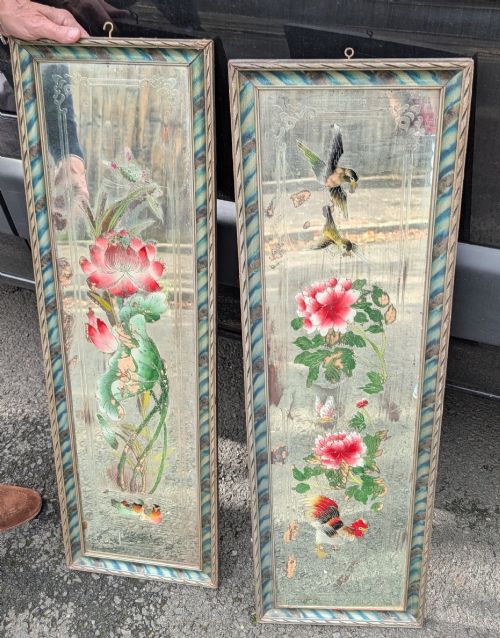
When you search for an asian decorative wall panel, you encounter a diverse range of objects originating from Chinese and Central Asian traditions. These pieces include carved wooden plaques, lacquered panels inlaid with mother-of-pearl, painted architectural fragments, and vibrant tribal textiles.
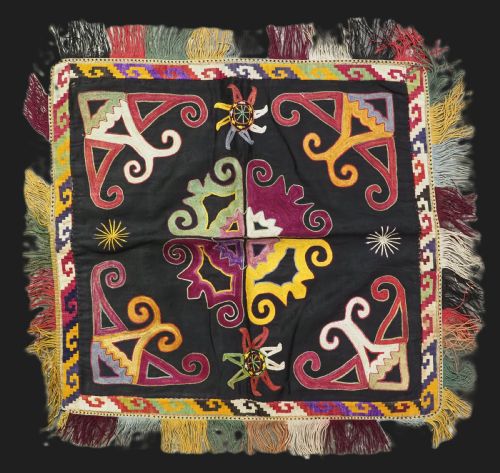
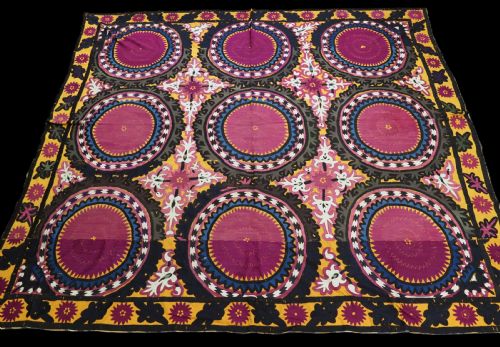
You are most likely to meet textile works such as dowry embroideries and suzanis alongside lacquered wood panels depicting birds and foliage. These items serve primarily as focal points for interior decoration, bridging utilitarian origins and decorative wall art.
How they were made
Woodwork panels rely on dense timbers that are deeply carved, layered with lacquer, and embellished with foilage or inlaid with abalone and mother-of-pearl. Painted elements utilise mineral pigments on timber surfaces, often derived from architectural fixtures such as cart doors.
Textile panels and embroideries employ cotton, silk, and wool foundations worked with intricate needlework. Pieces like the Uzbek suzani and Lakai tribe ilgich utilise specialised regional embroidery stitches executed in vibrant dyed threads.
Listings combine Chinese lacquered wood and carved architectural fragments with Central Asian tribal textiles and Uzbek suzanis.
What varies in quality
Quality in wooden panels is defined by the crispness of the carving and the preservation of the lacquer and inlay details. Finer examples retain their original gold leaf and complex mother-of-pearl work without significant loss.
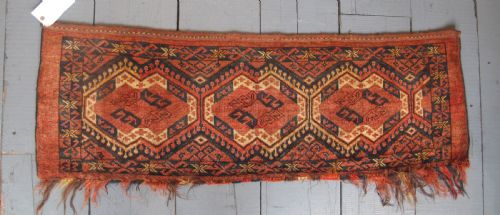
For textiles, quality depends on the density of the embroidery, the integrity of the base fabric, and the vibrancy of the natural dyes. Superior suzanis and tribal bagfaces display balanced compositions and tight, precise needlework.
The Asian Decorative Wall Panel Glossary
- Suzani
- An embroidered textile from Uzbekistan, traditionally made by brides as part of their dowry. These large wall hangings feature bold floral motifs.
- Torba
- A small Turkmen storage bag face, woven in wool and cotton with geometric tribal patterns. They were originally utilised inside nomadic tents.
- Lacquered panel
- A wooden board treated with multiple layers of resin varnish and often polished. Artisans carve into the surface or inlay shell and foilage.
- Ilgich
- A small embroidered hanging produced by the Lakai tribe in Central Asia. They showcase distinctive geometric and figurative needlework.
- Cart door
- A heavy architectural wooden panel repurposed from a traditional wagon or cart. These large painted elements often retain iron hardware.
Asian Decorative Wall Panel: Frequently Asked Questions
How do I hang a heavy wooden panel?
Heavy wooden panels and carved plaques require secure wall anchoring into masonry or timber studs using appropriate brackets.
Consult a professional installer to distribute the weight evenly across the structure of the panel.
Can I display antique textiles in direct sunlight?
Direct sunlight fades the natural silk and cotton threads of antique embroideries over time. Position textile wall hangings away from harsh windows to preserve their colour.
Rotating pieces or using UV-filtering glass provides additional protection.
What is the difference between a suzani and a torba?
A suzani is a large embroidered cotton or silk wall hanging from Uzbekistan featuring floral designs. A torba is a smaller Turkmen tribal weaving made as a storage bag face.
Suzanis function as expansive decorative art, while torbas present dense geometric tribal patterns.
How do I clean an antique lacquer panel?
Dust lacquer panels gently with a soft, dry microfibre cloth to remove surface particles. Avoid liquid cleaners, abrasive pads, and chemical solvents.
Excessive moisture damages both the wood substrate and the delicate lacquer surface.