




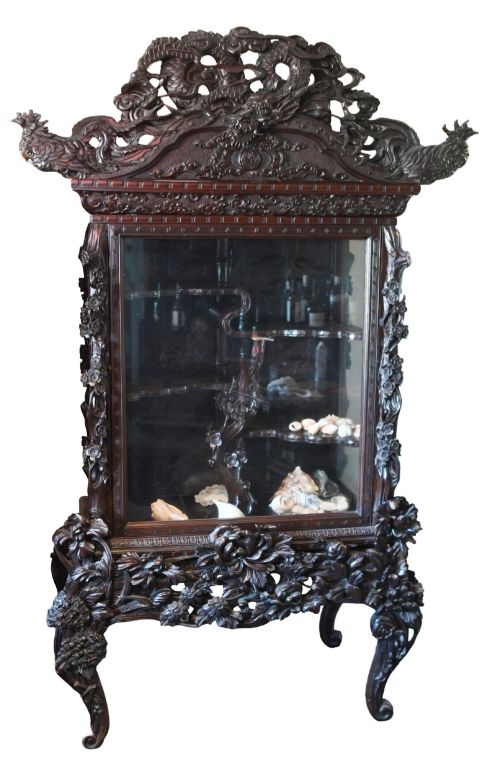
Antique Asian Cabinet
An antique asian cabinet brings centuries of craftsmanship into a room, offering striking lacquerwork or rich hardwood storage.
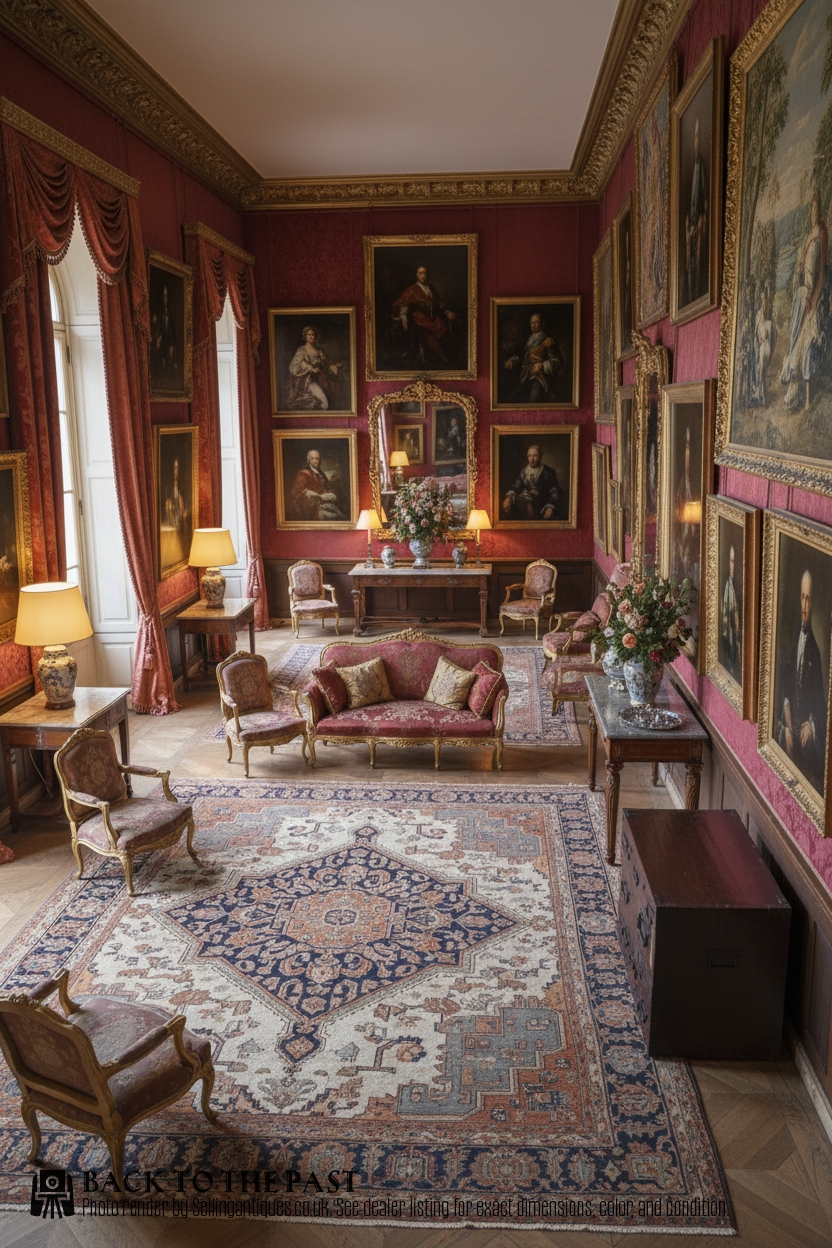
Antique Asian Cabinet
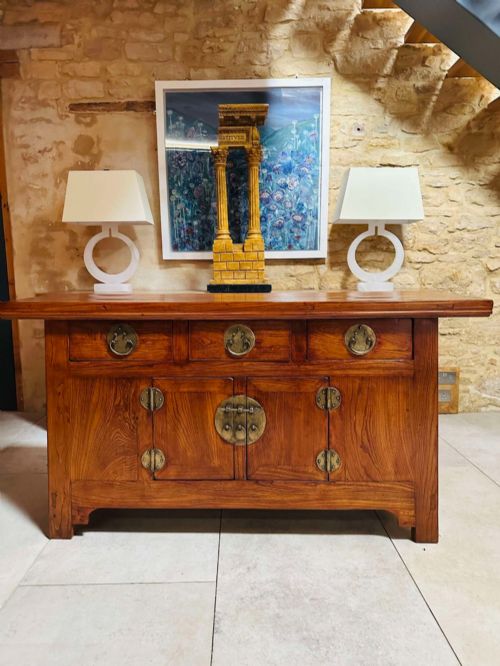
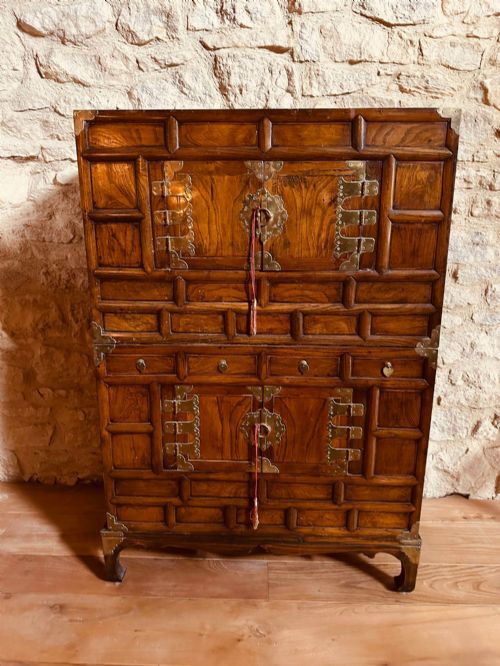
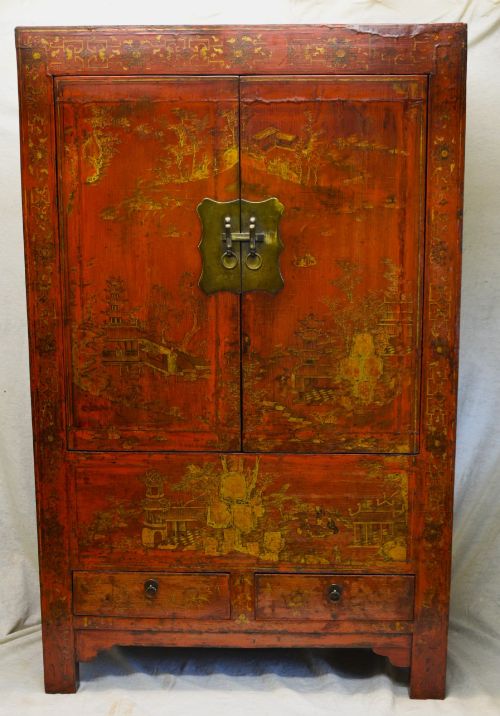
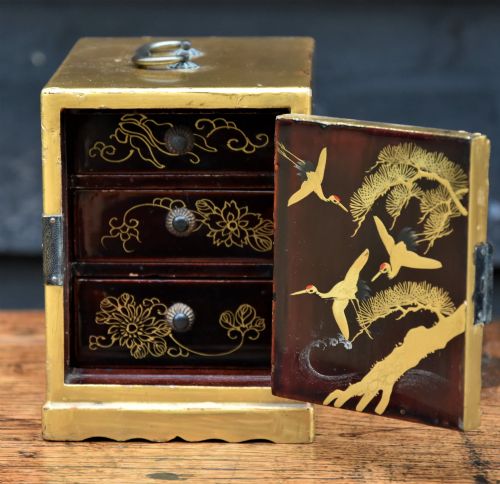
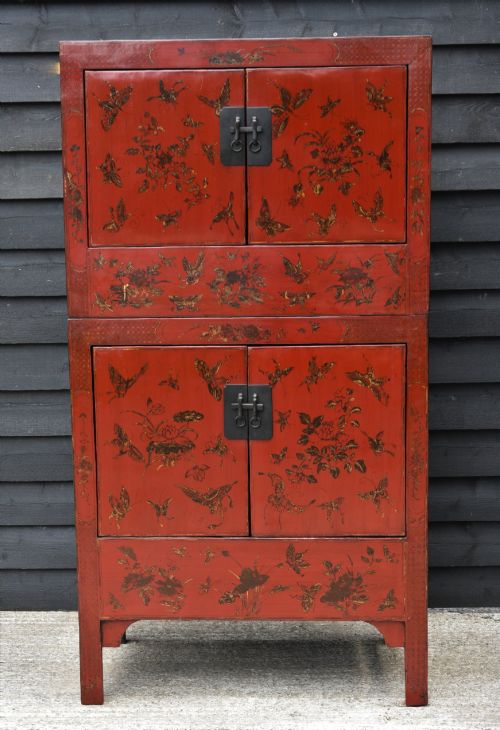
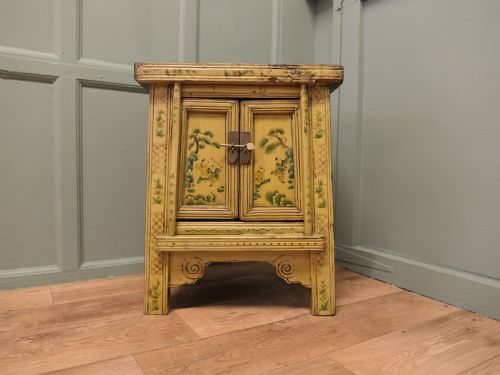
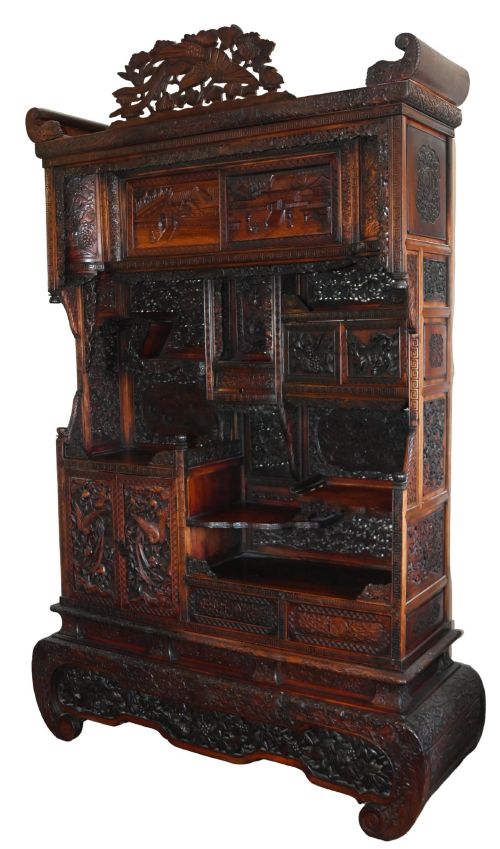
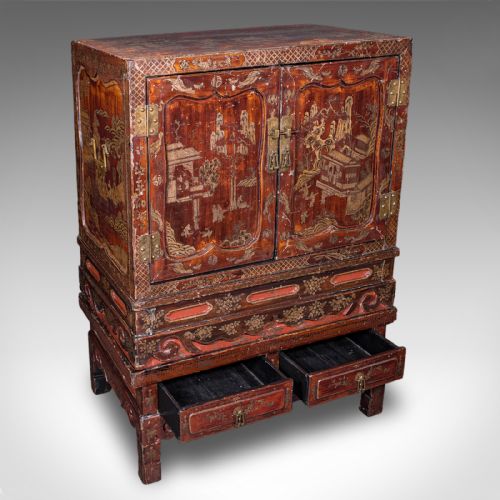
An antique asian cabinet encompasses a diverse group of storage forms originating from China, Japan, and Korea, spanning several centuries of domestic and ritual use. Buyers searching this phrase most frequently encounter 19th-century pieces, including marriage cabinets, display units, and apothecary chests with numerous small drawers.
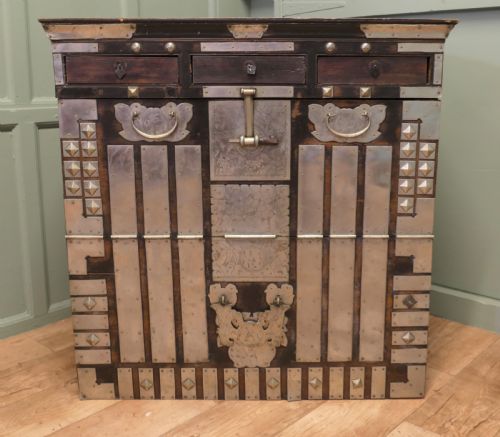
The selection ranges from rustic elm sideboards to highly decorated lacquer cupboards and specialised storage like Japanese tansu chests. These vessels served practical domestic roles in their regions of origin, from storing robes and documents to organising medicinal herbs.
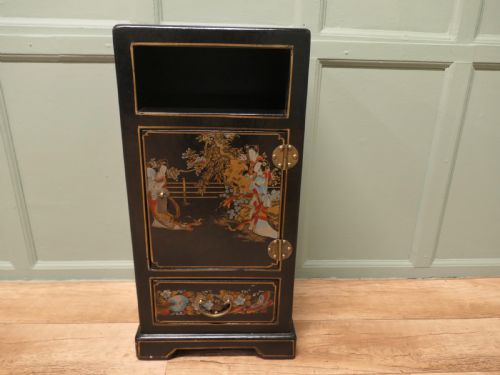
The materials and aesthetic traditions vary significantly across regions, incorporating styles from the Qing Dynasty and Japanese Meiji period alongside European-influenced Chinoiserie interpretations. Each form reflects the specific cultural requirements and workshop practices of its era, from provincial Chinese workshops to urban Japanese cabinet makers.
How they were made
Construction relies heavily on native timbers such as elm and dense hardwoods, joined with traditional framing techniques that accommodate seasonal wood movement. Metal hardware in brass and iron provides structural reinforcement and decorative closure mechanisms.
Surface decoration frequently involves multiple layers of red or black lacquer, sometimes enhanced with gold leaf, hand-painted floral motifs, or inlaid elements. Specialised pieces integrate metal fittings and wheels, demonstrating utilitarian ingenuity alongside decorative finish.
Antique Asian Cabinet Retail Price Guide 2026
Typical asking prices for asian cabinet among the pieces listed under this phrase on Sellingantiques today, from the lower quarter to the upper quarter. They describe what is for sale here now, not the wider market.
Some provincial apothecary chests contain up to eighty tiny drawers, ready for a lifetime of organising very small buttons.
What varies in quality
Quality reveals itself in the depth and integrity of the lacquer finish and the stability of the primary timber construction. Superior examples retain their original surface patination and decorative paintwork without excessive modern intervention.
The complexity of internal arrangement and the precision of joinery also distinguish finer pieces, particularly in multi-drawer apothecary chests and intricate display cabinets. Original brass or iron hardware contributes significantly to the integrity and desirability of the piece.
The Antique Asian Cabinet Glossary
- Chinoiserie
- European decorative style reflecting Chinese artistic influences, popular in furniture and lacquer decoration.
- Tansu
- Traditional Japanese mobile storage chest designed with iron fittings and various drawer configurations.
- Kodansu
- Small Japanese table-top cabinet or box traditionally used for holding personal valuables or documents.
- Shodana
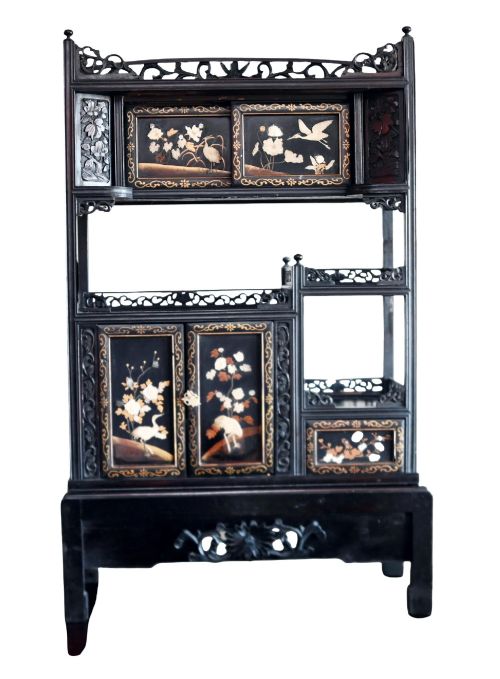
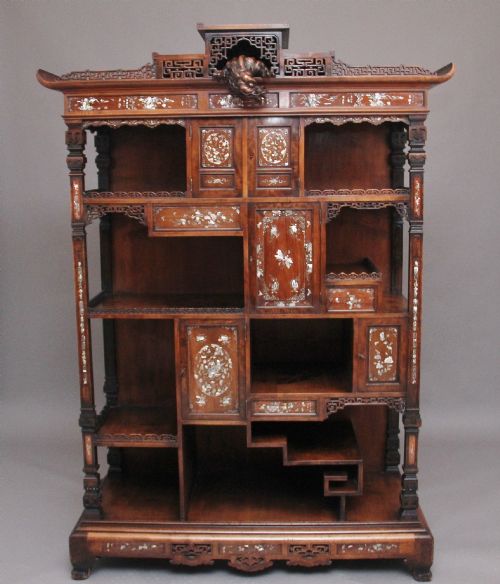
- Japanese display cabinet featuring asymmetrical shelving and sliding doors for the presentation of treasured objects.
- Marriage cabinet
- Large Chinese storage cupboard traditionally given as part of a bridal dowry to store clothing and textiles.
Antique Asian Cabinet: Frequently Asked Questions
What is a tansu chest?
A tansu chest is a traditional Japanese mobile storage unit constructed for domestic or mercantile utility.
These pieces often feature robust iron handles and strapping to facilitate movement between rooms or during transport.
How were apothecary cabinets used?
Apothecary cabinets served traditional medical practitioners for organising medicinal herbs, roots, and dried ingredients in numerous small drawers.
Each drawer typically held a specific substance, requiring precise labelling or local knowledge to navigate the extensive storage grid.
Where were marriage cabinets placed?
Marriage cabinets stood within the main domestic quarters of a household to store formal robes, textiles, and valuable linens.
Their prominent placement reflected the social standing of the family and the importance of the bridal dowry.
How do I identify a Japanese shodana?
A Japanese shodana is recognised by its asymmetrical arrangement of display shelves, cupboards, and small sliding doors.
Craftsmen designed these cabinets specifically for presenting fine ceramics, scholarly objects, and decorative art.