




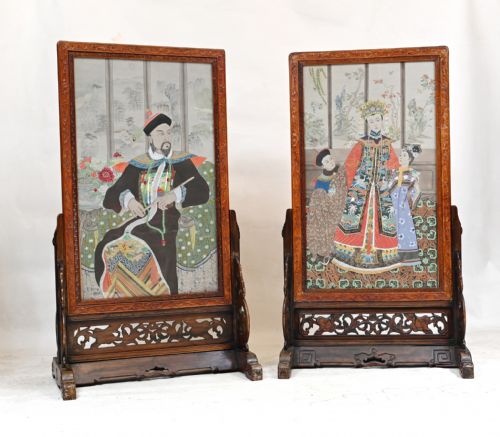

Antique Artwork Stand
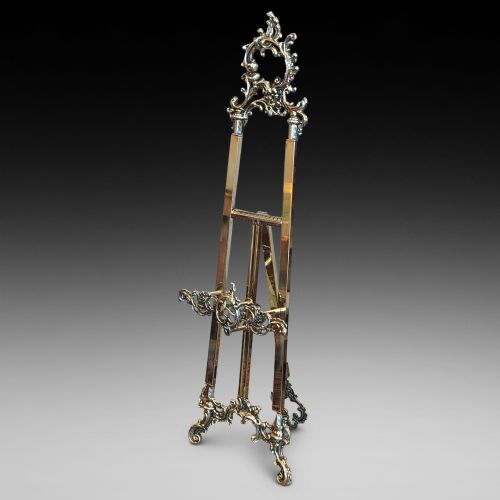
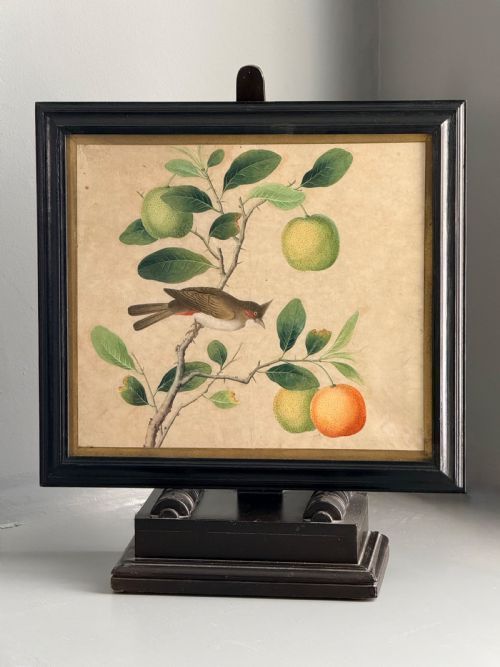
An antique artwork stand offers a dedicated frame to display drawings, folios, or plaques with proper balance and period character.
Antique Artwork Stand
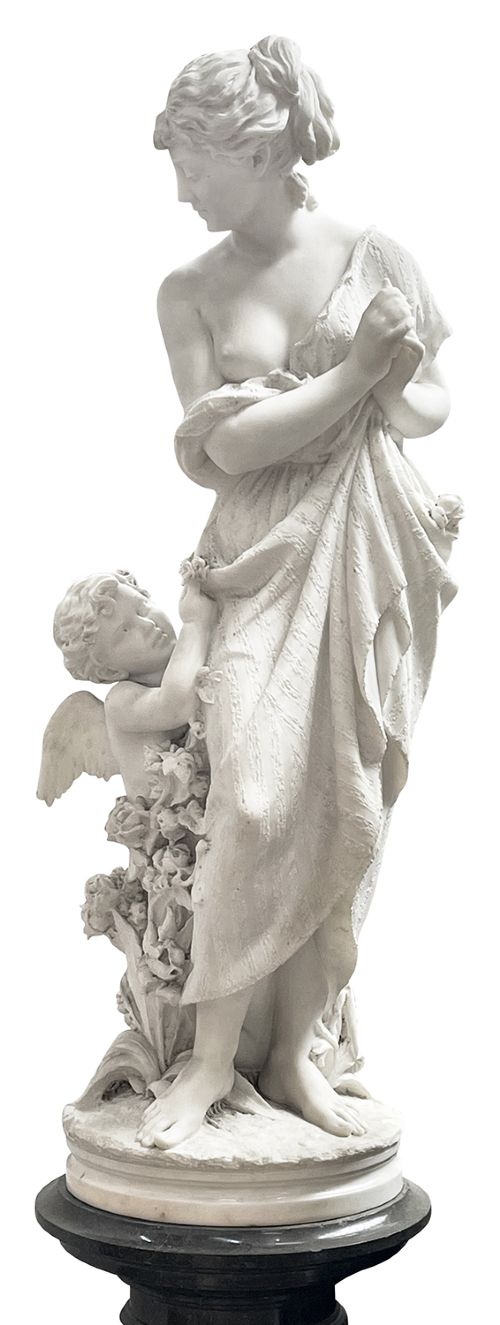
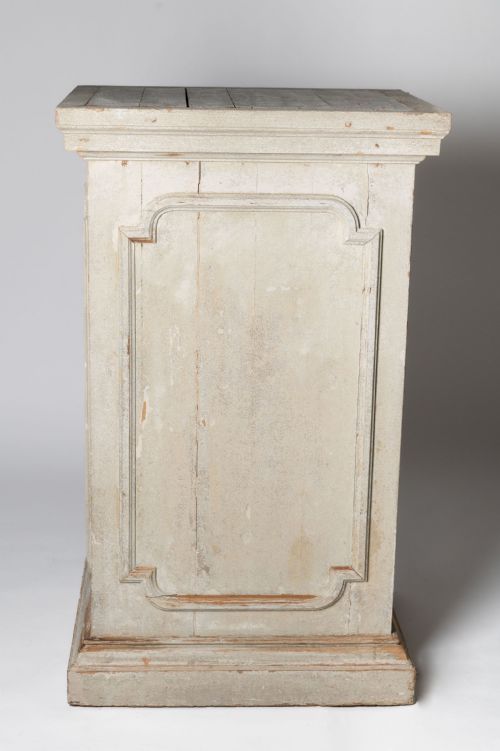
An antique artwork stand provides structural support for the varied visual pieces recorded in these listings, ranging from folios and screens to framed drawings and porcelain plaques. The forms found on this page encompass architectural picture racks, easels, and fitted wooden bases designed to elevate sculptures and panels.
The objects displayed on these stands span centuries, reflecting periods from the sixteenth-century Ayutthaya style to Victorian bamboo and Regency architect's designs. Buyers searching for an antique artwork stand will encounter diverse expressions of presentation, from French plinths to English folio racks.
How they were made
The construction of these pieces relies heavily on timber and metalwork, utilising woods such as hardwood and bamboo alongside cast bronze. Joinery and carving techniques support both utilitarian folio stands and decorative display plinths.
Associated artworks and display items incorporate paper, ink, graphite, charcoal, watercolour, and gouache on pith paper. Specialist techniques extend to Chinese silk weaving, lacquering, and Berlin porcelain plaque production.
Antique Artwork Stand Retail Price Guide 2026
Typical asking prices for artwork stand among the pieces listed under this phrase on Sellingantiques today, from the lower quarter to the upper quarter. They describe what is for sale here now, not the wider market.
Among the bronze sculptures designed for display is a detailed figure of a standing pig by Franz Bergman.
What varies in quality
The standard of an antique artwork stand rests on the integrity of its timber, the precision of its joinery, and the stability of its physical stance. Pieces designed for architectural or studio use require robust construction to support heavy folios and panels safely.
Material refinement distinguishes simpler utility items from elaborately carved hardwood mounts and patinated bronze supports. The quality of associated items mounted on these stands, such as academic life studies and carved jade landscapes, further elevates the overall presentation.
Henry Arthur Roberts·Franz Bergman·John Emms·Math. Moreau
The Antique Artwork Stand Glossary
- Folio stand
- A hinged rack designed for storing and displaying large sheets of paper, prints, drawings, and architectural plans. These pieces allow artists and collectors to browse unbound works safely.
- Plinth
- A heavy base or pedestal supporting a statue, vase, or plaque. It raises the object of art to a suitable viewing height.
- Easel
- An upright wooden frame used for supporting an artist's work while being painted or drawn, or alternatively used for display purposes. Victorian examples often utilise flexible materials like bamboo.
- Gouache
- An opaque watercolour paint consisting of pigment, water, and a binding agent such as gum arabic. It produces a dense, matte surface often found on pith paper.
- Academic life study
- A drawing or painting of a human figure, usually nude, produced as part of formal artistic training. These works demonstrate an artist's grasp of human anatomy and proportion.
Antique Artwork Stand: Frequently Asked Questions
What is an antique artwork stand used for?
An antique artwork stand provides a stable platform for displaying portable flat works, folios, or sculptural pieces in a domestic interior. They allow owners to showcase items like drawings or framed plaques at a proper viewing angle.
Historically, similar stands served practical functions in studios and architects' offices for sorting large sheets of paper. Today, they function primarily as period furniture that integrates display with craftsmanship.
How do I choose the right stand?
Selecting a stand depends on the weight and format of the object you intend to display, whether a framed drawing, a porcelain plaque, or a heavy sculpture. Ensure the physical dimensions and load capacity match the piece.
Consider the period style of the stand to ensure it complements your interior or the artwork it supports. Regency architect racks suit larger portfolios, while bamboo easels offer lighter display options.
What materials were used for these stands?
Makers utilised various native and exotic timbers, including dense hardwoods and flexible bamboo, to build structural frames and display racks. Bronze was also commonly cast for sculptural bases and mounts.
Associated display items incorporate paper, silk, porcelain, and glass. Each material reflects the manufacturing standards and aesthetic preferences of its specific period.
How do I care for wooden stands?
Wooden stands and folio racks require stable indoor humidity levels to prevent timber from warping or splitting over time. Keep them away from direct heat sources and strong sunlight.
Dust the surfaces regularly with a soft, dry cloth to protect the finish. Avoid using modern silicone polishes that can build up a residue on antique wood.