



Rustic Painted Pedestal
A rustic painted pedestal brings warmth and character to a room, offering a sturdy stage for plants, urns, or display pieces.
Rustic Painted Pedestal
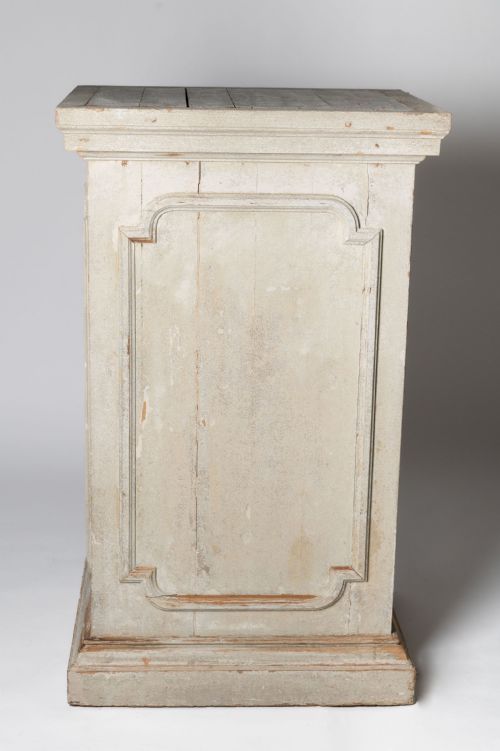
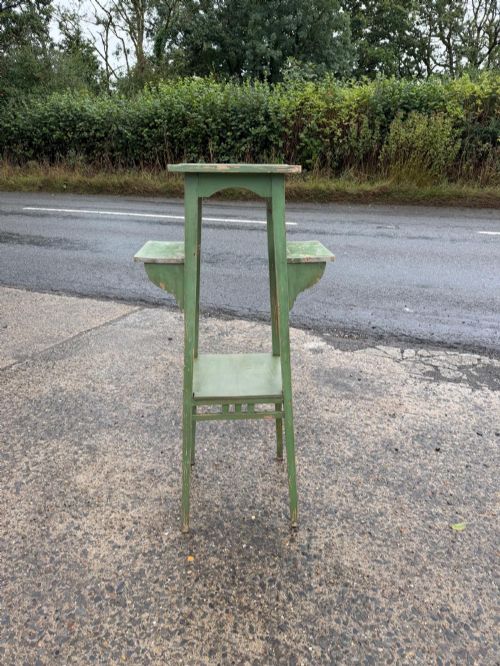
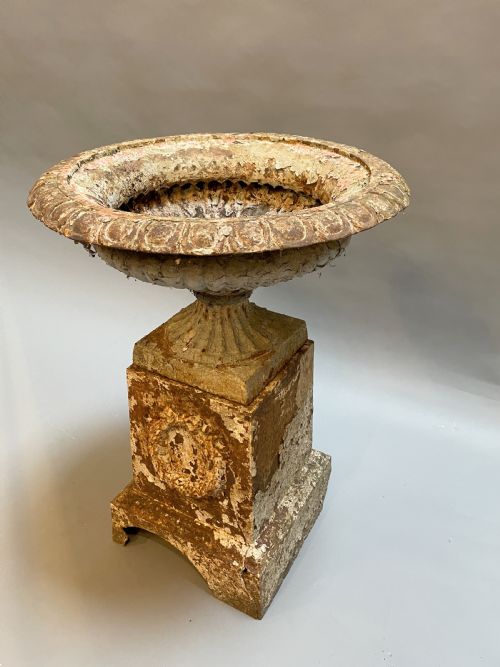
When searching for a rustic painted pedestal, buyers encounter practical wooden supports and plant stands shaped by the utilitarian needs of domestic and garden spaces. These items encompass vernacular furniture forms including plant stands, garden urns, and architectural plinths.
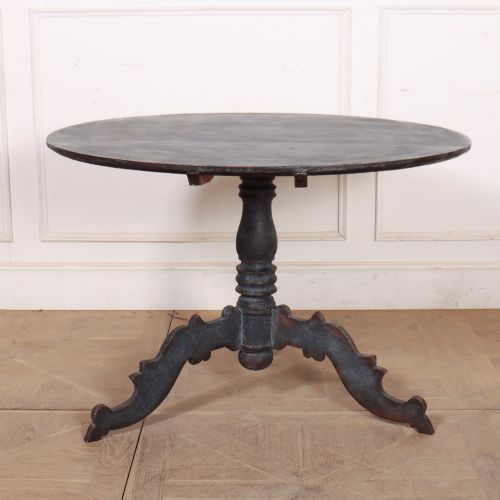
The selections available primarily date from the nineteenth century, with Victorian and Georgian examples appearing alongside French provincial and Scandinavian country styles. These pieces range from cast iron garden urns to pine pedestals and sculptors stands finished in historic paint layers.
How they were made
Construction relies heavily on durable timbers such as pine and oak, frequently paired with cast iron elements for outdoor garden urns and heavy supports. Carpenters and makers utilised solid wood joinery to ensure stability, constructing pieces intended for daily utility in homes and studios.
Surfaces received layers of paint, with original green, black, and multi-layered pigment finishes surviving from the nineteenth century. These painted coats served both to protect the underlying wood and iron and to suit the prevailing country house and provincial tastes of the period.
Rustic Painted Pedestal Retail Price Guide 2026
Typical asking prices for rustic painted pedestal among the pieces listed under this phrase on Sellingantiques today, from the lower quarter to the upper quarter. They describe what is for sale here now, not the wider market.
What varies in quality
Quality in these stands rests upon the integrity of the original paint surface and the honesty of the timber construction. Pieces retaining their early or original pigment layers command greater appreciation than those stripped or indiscriminately refinished.
Proportion and structural balance also distinguish finer examples, where turned columns or panelled bases display considered craftsmanship rather than purely hasty utility. The presence of authentic age-related wear on cast iron and wood adds to the visual depth of superior specimens.
The Rustic Painted Pedestal Glossary
- Plinth
- A heavy base supporting a statue, vase, or pedestal. In nineteenth-century interiors, these served to elevate display objects.
- Cast iron
- An iron-carbon alloy poured into moulds to create rigid forms. This material proved ideal for durable garden urns.
- Pine
- A softwood commonly utilised in vernacular furniture and country pieces. It took paint finishes readily in domestic settings.
- Sculptors stand
- A heavy, functional rotating or stationary table used in studios. These utilitarian pieces doubled as tall display pedestals.
Rustic Painted Pedestal: Frequently Asked Questions
What is a rustic painted pedestal used for?
These pieces function primarily as elevated surfaces for displaying plants, lamps, garden urns, or decorative objects within a home or garden.
Their sturdy construction makes them suitable for supporting heavy items while adding a decorative vernacular element to interior spaces.
How do I care for original painted wood?
Maintenance requires gentle dusting with a dry cloth and avoiding harsh chemical cleaners that might strip historic pigment layers.
Keeping the pieces away from direct heat sources and excessive moisture preserves the integrity of both the timber and the antique finish.
How can I tell the age of a pedestal?
Dating relies on examining the construction methods, tool marks, timber types, and the composition of the paint layers present on the surface.
Nineteenth-century examples often exhibit hand-planed boards, forged iron components, and surface wear consistent with vernacular domestic use.
Where were these pieces made?
They originated across various European regions, including England, France, and Scandinavia, reflecting local country house and provincial styles.
Makers ranged from rural carpenters crafting utilitarian pine furniture to foundries producing cast iron garden ornamentation.