

Antique Artwork Dark Frame
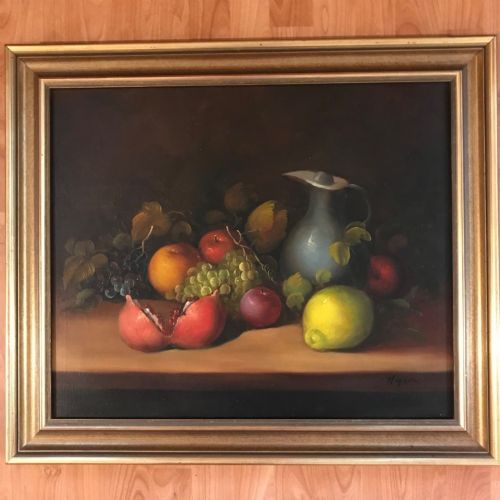
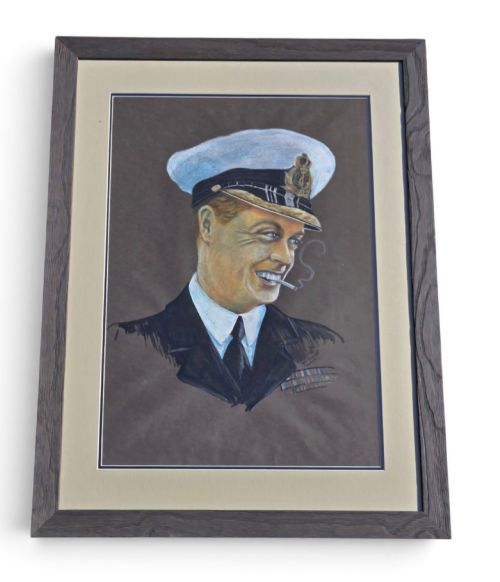
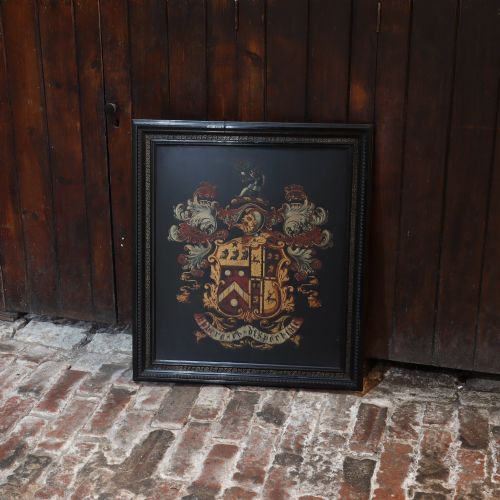
An antique artwork dark frame delivers profound depth and dramatic contrast to painted portraits and botanical studies spanning several centuries.
Antique Artwork Dark Frame
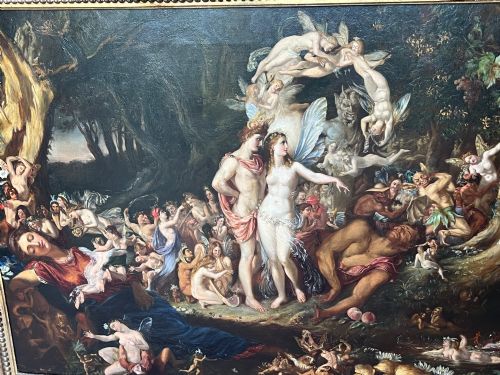
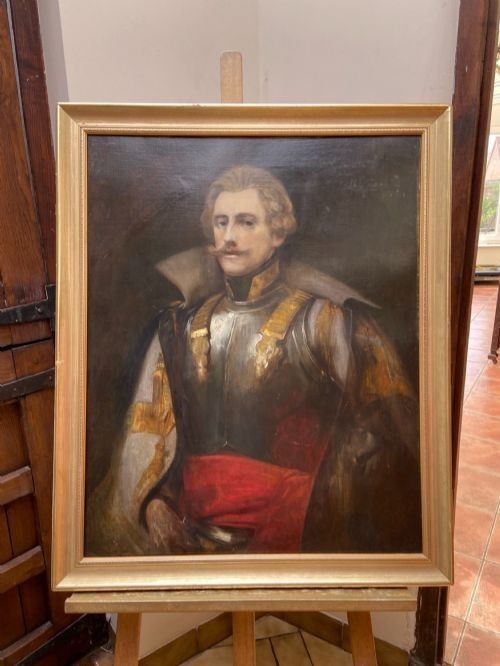
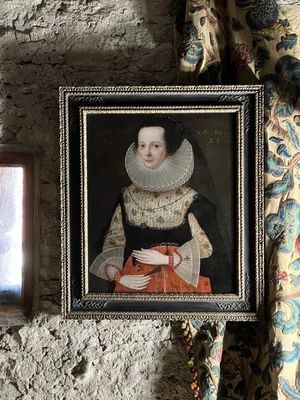
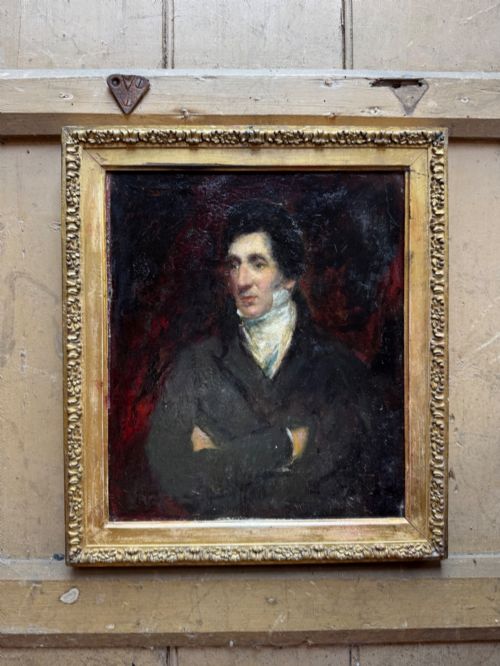
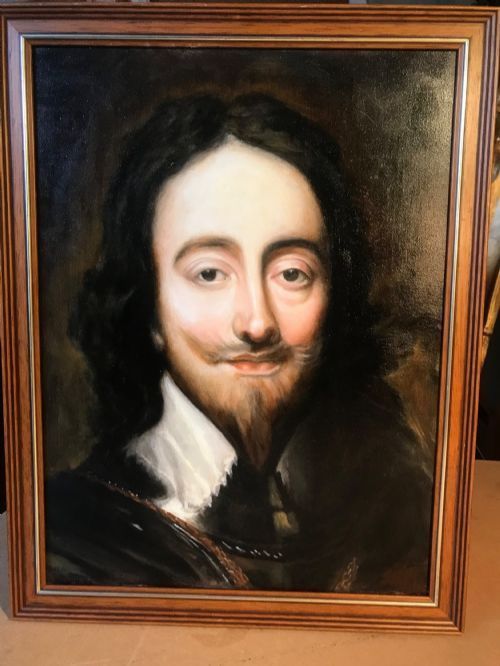
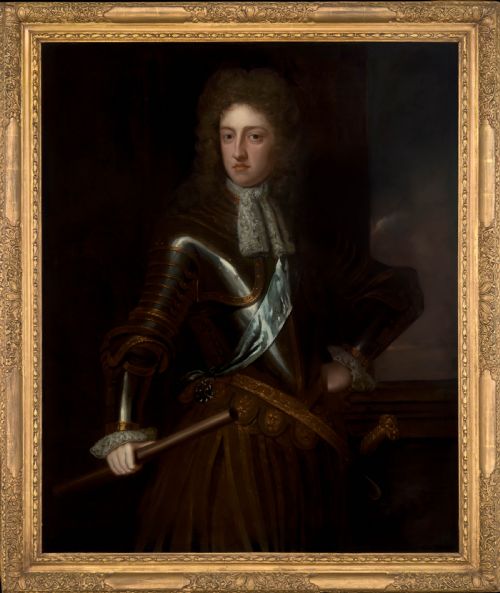
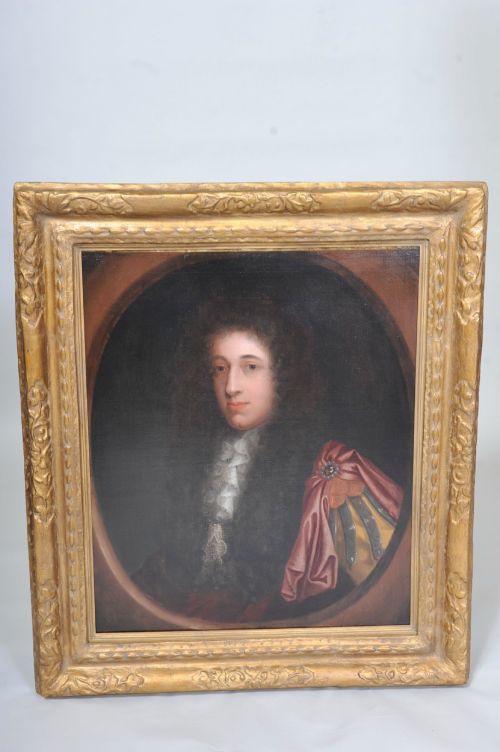
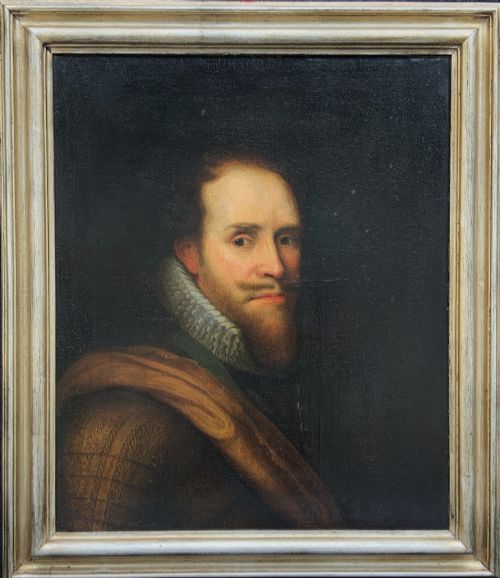
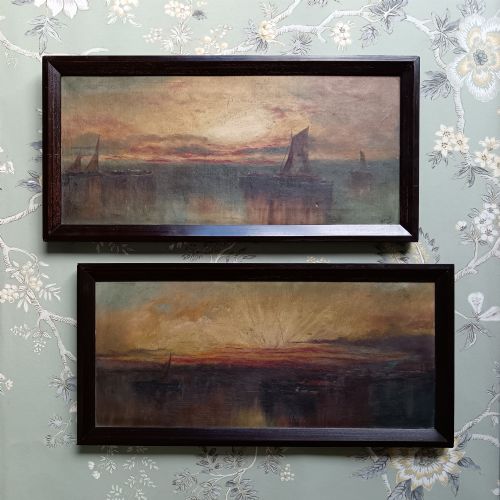
When buyers search for an antique artwork dark frame, they encounter historical paintings, prints, and panels set within deep wooden or gilt surrounds. These works range from seventeenth-century oil portraits of noblemen and judges to nineteenth-century maritime scenes and botanical watercolours.
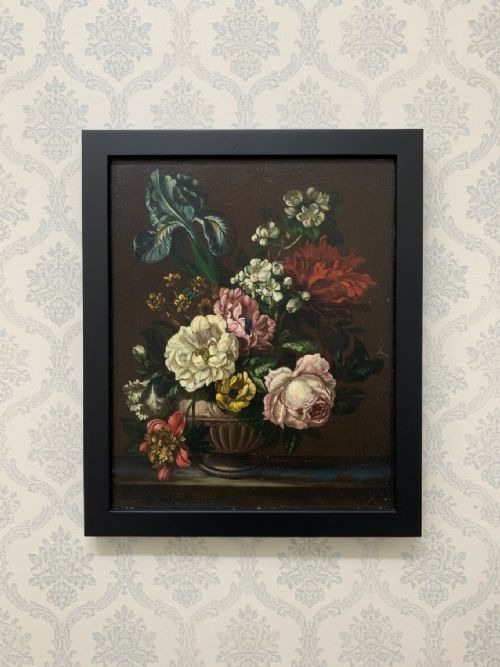
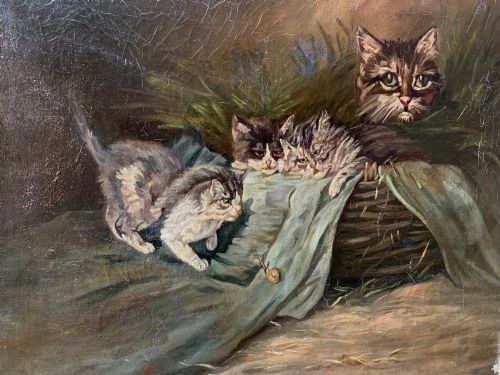
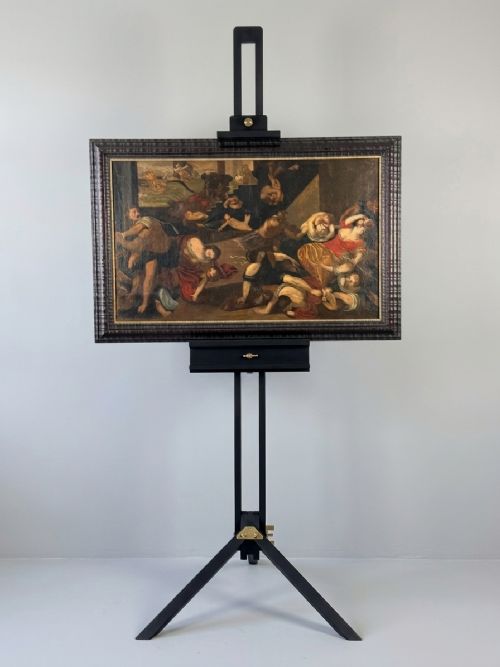
The most common examples on this page are oil paintings on canvas or panel executed by European and British schools. These encompass stately portraits, still lifes, and narrative compositions enclosed in robust, aged mouldings.
The heavy tonal quality of the mounting serves to draw the eye directly into the illuminated subjects of the canvas. This traditional pairing creates a commanding focal point within interior spaces.
Materials and construction methods
These pieces rely on traditional supports such as woven canvas, wooden panels, and heavy paper sheets. Artists applied oil paint, pastel, or watercolour pigments by hand, frequently building up rich layers of colour over time.
The surrounding mouldings are fashioned from solid woods like rosewood or constructed from timber finished with gesso and gold leaf. Joinery techniques and hand-carved details reflect the period workshop practices of British and continental makers.
The listings feature seventeenth-century portraits and nineteenth-century maritime scenes executed in oil on canvas.
Distinguishing quality across the range
The standard of execution in the brushwork and the structural integrity of the mounting dictate the tier of a piece. Finer works display confident anatomical handling, subtle tonal graduation, and original wooden frames that complement the exact era of the canvas.
Condition plays a central role, distinguishing pieces with intact original surfaces from those with extensive later repainting. The harmony between the artwork and its heavy enclosure determines the overall visual impact.
Sir Godfrey Kneller·Anthony Van Dyck·Sir Peter Lely·Augustin Edouart·Sir William Beechey
The Antique Artwork Dark Frame Glossary
- Oil on Canvas
- A painting technique where pigment suspended in drying oil is applied to a stretched woven fabric support. This method allowed artists to achieve rich depth and smooth blending.
- Gilt Wood
- Timber substrate coated with a thin layer of gold leaf or metallic powder over a prepared gesso ground. This treatment provides a luminous metallic finish to historical picture frames.
- Panel
- A flat wooden board used as a rigid support for paintings prior to the widespread adoption of canvas. Oak and other dense timbers were commonly utilised by early European masters.
- Mezzotint
- A printmaking process of the intaglio family where the copper plate is roughened to produce dark tones before highlights are scraped away. It yields velvety dark areas well suited to portraiture.
- Provenance
- The documented history of ownership of a work of art from its creation to the present day. Clear records help establish authenticity and historical context.
Antique Artwork Dark Frame: Frequently Asked Questions
How do I care for an old oil painting?
Keep the canvas away from direct sunlight and fluctuating humidity levels to prevent the paint layer from cracking. Dust the surface gently with a soft, dry brush without applying pressure.
Avoid using water or liquid cleaning solutions on the painted surface or the aged wooden frame. Professional conservation is recommended for any deeper cleaning or structural repairs.
How can I tell the age of a frame?
Examine the construction joints at the corners, looking for hand-cut mitres and traditional wooden pegs rather than modern metal staples. The backing boards and fixings often reveal historical indicators of the period.
The preparation layers beneath the surface finish also change over centuries, with older pieces showing distinct gesso application methods.
Were these paintings always kept in dark frames?
Many historical artworks were paired with heavy surrounds to add gravity and isolate the scene from interior wall coverings. Over the centuries, frames were frequently swapped to match changing domestic tastes.
Some pieces retain their original surrounds, while others have been matched to period-appropriate mouldings later in their history.
What subjects are most common in these works?
Portraiture dominates the selection, featuring military officers, nobility, children, and gentlemen from various European schools. These formal depictions recorded lineage and status for posterity.
Landscape, maritime scenes, and botanical studies also appear, offering glimpses into natural history and regional topography from past centuries.